

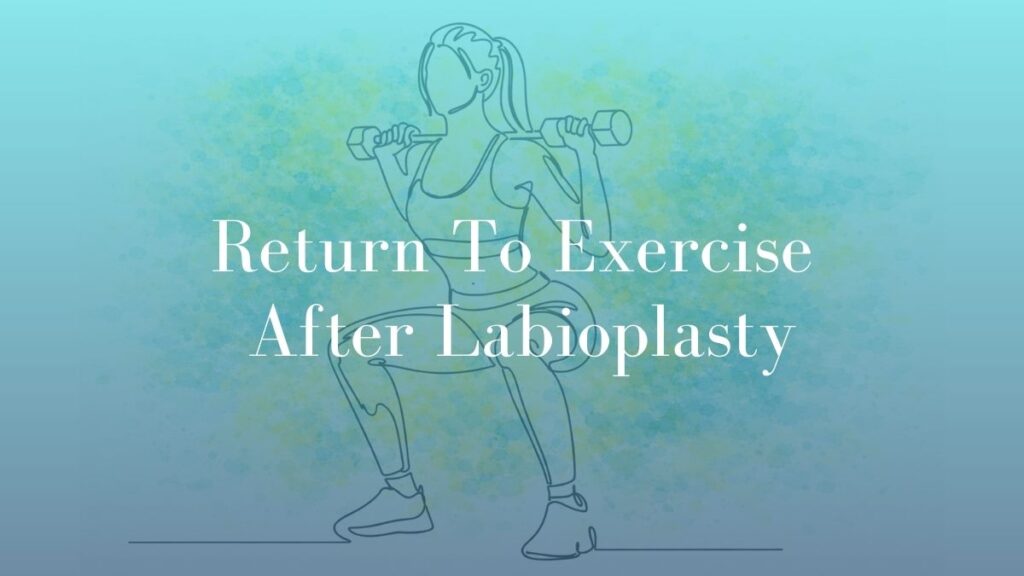
Labioplasty is a surgical procedure designed to alter the size or shape of the labia minora or labia majora. For many patients in Sydney, particularly those with active lifestyles, one of the most common concerns after undergoing this procedure is determining when it is safe to resume exercise.
Dr Mark Kohout, Plastic & Reconstructive Surgeon in Sydney, offers comprehensive, evidence-based advice to help patients understand how to reintroduce physical activity without compromising their recovery. Every patient’s healing process is unique, and allowing sufficient time for tissues to heal before gradually increasing activity levels is essential to maintain comfort, protect outcomes, and avoid setbacks.
Understanding Labioplasty And Recovery Basics
✓ What Is Labioplasty?
Labioplasty involves surgical adjustment of the labial tissues and may address issues such as discomfort during movement, exercise, or certain clothing choices. While some individuals consider the procedure for functional reasons, others may choose it for personal aesthetic preferences. The surgery can be performed under either local or general anaesthesia, depending on the individual’s needs and the extent of the adjustments planned. Dr Mark Kohout takes care to confirm that the procedure aligns with the patient’s preferences while maintaining an emphasis on comfort and recovery.
✓ The Healing Process: An Overview
In the immediate days after surgery, it is common to experience swelling, tenderness, and mild bruising. Dissolvable stitches may be used, which require minimal intervention but do necessitate careful daily hygiene. The healing process unfolds over several stages – initial closure of the surgical site, gradual reduction in swelling, restoration of tissue flexibility, and strengthening of the area. Patience and adherence to the recommended care plan are crucial at each stage.
✓ Why Exercise Guidelines Matter
Exercise places a variety of demands on the body, from increased circulation to repetitive friction and impact. Starting too soon or progressing too quickly can increase swelling, cause irritation, or even disrupt wound healing. By following structured exercise guidelines, patients can manage these risks while supporting their overall recovery.
The First Phase: Rest And Recovery (Weeks 0-2)
✓ Rest As The Foundation Of Healing
The first two weeks are focused almost entirely on rest and protection of the surgical site. Activities that raise heart rate significantly or involve physical strain, such as gym workouts, running, swimming, cycling, or sexual activity, are avoided entirely. This rest period allows the tissues to settle into position, swelling to subside, and early healing to progress without interference.
✓ Gentle Mobility
Despite the emphasis on rest, light movement remains important. Short, slow walks around the home can help prevent stiffness and maintain healthy circulation, but any sign of discomfort should prompt an immediate pause. The aim is gentle activity that supports recovery without placing stress on the surgical area.
✓ Clothing And Hygiene Considerations
Choosing breathable, loose-fitting clothing during this time reduces friction and helps maintain comfort. Hygiene plays a central role in preventing infection, so carefully following your surgeon’s cleaning instructions will assist in keeping the area clean without disturbing the sutures.
Introducing Low-Impact Activity (Weeks 3-4)
✓ Exercises Often Considered Safe
At this point, many patients are able to increase their level of movement slightly. Activities such as gentle walking on flat surfaces and controlled upper-body stretches may be tolerated without discomfort. The goal is to encourage gradual conditioning while still avoiding any direct pressure or strain on the pelvic region.
✓ Activities Still Off-Limits
Although patients may feel more comfortable by week three, it is still too early to resume high-impact activities. Running, cycling, Pilates, yoga poses involving deep stretching, swimming, and resistance training should remain postponed to avoid risk of reopening the wound or causing inflammation.
✓ Listening To The Body
It is important to pay close attention to how the body responds. Any increase in discomfort, swelling, or spotting is a sign to slow down or stop altogether. Persistent symptoms should be discussed with your surgeon to rule out complications and adjust the activity plan.
Resuming Moderate To High-Intensity Exercise (After Week 6)
✓ Clearance From The Surgeon
By the six-week mark, some patients may be ready to return to more vigorous activity, but this must be confirmed at a follow-up consultation with Dr Mark Kohout or another qualified Plastic Surgeon. Clearance is given only when the surgical site shows strong, stable healing.
✓ Gradual Reintroduction
Once cleared, patients should begin with lower resistance or reduced durations for activities such as running, cycling, swimming, or strength training. Gradually building intensity over several weeks helps the body adapt without overwhelming healing tissues.
✓ Pelvic Floor Physiotherapy
For some individuals, guided pelvic floor exercises under the supervision of a physiotherapist can aid in regaining full comfort during exercise and everyday activities. This is especially valuable for those engaging in sports or exercises that involve core and pelvic stability.


Special Considerations For Sydney Patients
Sydney’s warm climate and active coastal lifestyle can influence recovery timelines and clothing choices during exercise. Warm weather increases perspiration, which can irritate healing skin. Exercising in cooler parts of the day, selecting moisture-wicking fabrics, and avoiding prolonged exposure to heat can all contribute to a more comfortable recovery. Activities like ocean swimming, surfing, and long coastal runs should only be resumed once the surgeon confirms the area is fully healed.
Risk Awareness And Monitoring Progress
- Warning Signs To Stop Exercise Immediately
Increased pain, swelling, unexpected bleeding, or visible changes to the wound should prompt an immediate pause in activity. Continuing to exercise in these circumstances can lead to setbacks or complications.
- When To Contact Your Surgeon
Dr Mark Kohout advises that any unusual symptoms or changes during recovery warrant direct communication with the surgical team. Early intervention helps address potential problems promptly and safely.
Supporting Long-Term Comfort And Function
Maintaining hydration, pacing activity increases, and allowing the body adequate rest are all important for ongoing pelvic health. Selecting exercise types that minimise direct pressure or friction on the area can help preserve the surgical result and promote lasting comfort.
FAQs About Returning To Exercise After Labioplasty
What types of exercise place the most pressure on the surgical area and why are they restricted in early recovery?
High-impact exercises such as running, cycling, or horseback riding place significant pressure and friction on the surgical site. These are restricted early on to prevent wound reopening, swelling, or discomfort during the critical healing phase.How does warm weather in Sydney affect post-surgery exercise comfort and healing speed?
Warm temperatures can increase perspiration and moisture in the surgical area, which may cause irritation or delay healing. Exercising during cooler parts of the day and wearing breathable fabrics can help manage this.When might pelvic floor physiotherapy be considered part of a recovery plan after labioplasty?
Pelvic floor physiotherapy may be recommended after healing is well established to improve strength, comfort, and function in the pelvic region, especially for patients resuming activities that involve core stability.Can swimming in the ocean or pools be resumed earlier than other high-impact activities?
Swimming generally requires the wound to be fully closed to avoid infection risks. While it is low-impact, it should not be resumed until your surgeon confirms that healing is complete.How can clothing choice during workouts reduce friction or irritation in the healing area?
Wearing loose, breathable, and moisture-wicking clothing reduces friction and keeps the surgical area dry, helping to minimise irritation during exercise.What signs suggest a patient should pause or modify their exercise routine even months after surgery?
Ongoing swelling, discomfort, or changes in the appearance of the surgical site should prompt a pause in activity and a review with your surgeon, even several months after the procedure.Are there specific stretching techniques that can support mobility without stressing the surgical site?
Gentle stretching that avoids deep hip abduction or direct pelvic strain can help maintain mobility. Your surgeon or physiotherapist can suggest tailored stretches based on your healing stage.Medical References
- Comprehensive Assessment of Labiaplasty Techniques and Tools: A Systematic Review and Meta-Analysis – https://academic.oup.com/asj/article/44/11/NP798/7704538
- Motivational Factors for Labiaplasty: A Systematic Review of Medical Research – https://pmc.ncbi.nlm.nih.gov/articles/PMC12028117/
- Labiaplasty, Labia Minora Reduction – StatPearls – NCBI Bookshelf – https://www.ncbi.nlm.nih.gov/books/NBK448086/
- Labiaplasty in Asian Women: Motivation, Technique Feasibility, and Surgical Outcomes – https://www.sciencedirect.com/science/article/abs/pii/S174868152300400X
Next Steps
Recovery after labioplasty is a process that benefits from patience, structured progression, and ongoing communication with your surgeon. By following professional guidance and gradually reintroducing exercise, most patients are able to return to the activities they enjoy while safeguarding their recovery. For personalised advice on resuming exercise after labioplasty, contact Dr Mark Kohout, Plastic Surgeon in Sydney, to arrange a tailored consultation.
Further Reading
- Read more about Vaginoplasty Sydney
- Read more about Hymen Repair Sydney
- Read more about Genital Surgery Pricing
- Read Dr Mark Kohout’s Blog on Will Medicare Cover My Labiaplasty?
Related Blog Posts

Will Medicare Cover My Labiaplasty?
Labiaplasty is a surgical procedure that involves reshaping or reducing the labia minora or labia majora. While some individuals consider this surgery for aesthetic preferences, others pursue it to address…
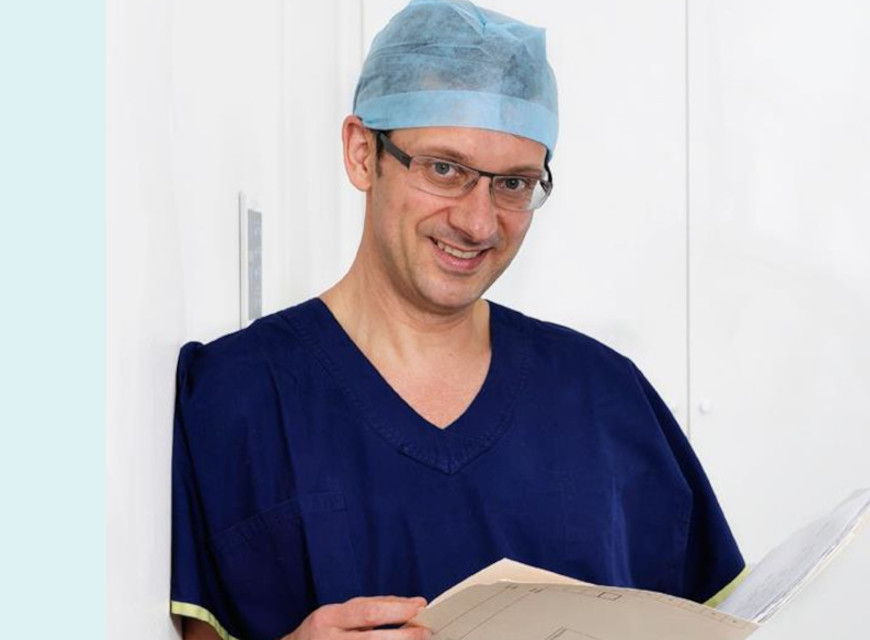
Experienced Plastic Surgeon
Dr. Mark Kohout

A qualified plastic surgeon who operates with care and integrity, based in central Sydney with over 20 years of experience in the cosmetic field. His extensive training and experience assures patients they are in highly trained surgical hands. Dr. Kohout is a dedicated, friendly professional who is committed to providing the high quality care, support and results, alongside his compassionate team.
Dr Mark Kohout (MED0001133000)
Specialist Plastic Surgeon
Specialist registration in Surgery – Plastic Surgery