Arm Reduction (Brachioplasty) Sydney

With Dr. Mark Kohout

Arm lift teel green art image by Dr Mark Kohout

Dr Mark Kohout is a Specialist Plastic Surgeon with specialist registration in Surgery – Plastic Surgery, more than 25 years of practice and medical registration number MED0001133000. Arm reduction surgery, also called brachioplasty, removes selected excess skin and associated fatty tissue from the upper arms, most commonly after substantial weight loss or changes in skin elasticity.

The procedure may reduce skin folds and alter upper-arm contour, but it involves permanent scars, general anaesthesia and a recovery period that may continue for several weeks. The incision pattern and amount of tissue removed depend on the location of the excess tissue, skin quality, previous surgery and the agreed treatment plan.

Dr Kohout performs arm reduction surgery in Sydney and also consults with regional patients in Orange, NSW. Care is provided in accredited facilities with structured preoperative assessment, surgical planning and postoperative review.

All surgery carries risks, and outcomes vary between individuals. Patients are encouraged to review the available information, involve their general practitioner and seek a second opinion from another appropriately qualified medical practitioner before deciding whether to proceed.

What Is Arm Reduction Surgery, and What Does It Actually Do?

Arm reduction surgery removes redundant skin and associated fatty tissue from the upper arms. The remaining tissues are repositioned and closed to alter the contour between the underarm and elbow.

  • A standard brachioplasty uses an incision along the inner or back aspect of the upper arm.
  • A short-scar approach may be considered when skin excess is limited to the underarm area.
  • An extended approach may continue onto the side of the chest when tissue redundancy crosses the underarm.
  • Liposuction may be used in selected areas where localised fat is also present.
  • The remaining skin is brought together without placing excessive tension on the wound.
  • The incision pattern depends on the amount and direction of skin excess.

Exercise can strengthen the arm muscles but cannot remove substantial loose skin. Scars are permanent and may remain visible when the arms are raised or when wearing short-sleeved clothing.

Arm Reduction Surgery at a Glance

Arm reduction is usually performed under general anaesthesia in an accredited hospital or surgical facility. The extent of surgery and recovery period vary according to the incision length, amount of tissue removed and patient’s health.

Purpose

Removal of excess upper-arm skin and associated fat

Treatment Area

Inner and posterior upper arms, sometimes extending to the side of the chest

Anaesthesia
Usually general anaesthesia
Hospital Stay

Commonly day surgery, although some patients remain overnight

Incision

Underarm, inner arm, posterior arm or an extended pattern

Recovery
Several weeks, with scar maturation continuing for months

Dressings, compression sleeves and sometimes drains may be used during early recovery. Outcomes are influenced by skin quality, weight stability, nutrition, scar formation and wound healing.

What Are the Potential Benefits of Arm Reduction Surgery?

Arm reduction may provide physical or functional changes for appropriately selected patients. The potential benefits depend on the amount and location of excess tissue and cannot be guaranteed.

  • Removal of excess skin: Surgery can remove loose tissue that does not contract after weight loss.
  • Reduction of skin folds: Selected folds that trap moisture or create friction may be reduced.
  • Changes to upper-arm contour: The arms may have a different outline after tissue removal.
  • Reduced rubbing in some patients: Less skin movement may reduce chafing against the torso or clothing.
  • Changes in clothing fit: Sleeves and upper garments may sit differently after surgery.
  • Changes in skin care: Reducing folds may make some areas easier to clean and keep dry.

These possible changes must be balanced against long scars, recovery demands and the risk of complications. Surgery cannot guarantee that all skin irritation, clothing concerns or differences between the arms will resolve.

What Are The Potential Benefits of Arm Reduction Surgery Infographic by Dr Mark Kohout

Do I Need Arm Reduction Surgery or Liposuction?

Liposuction primarily removes localised fat, while arm reduction removes substantial excess skin and associated tissue. The appropriate option depends on whether the main concern is fat volume, skin redundancy or a combination of both.

  • Liposuction may be considered when the skin has reasonable elasticity and excess fat is the main concern.
  • Arm reduction may be considered when loose skin hangs or folds along the upper arm.
  • Liposuction does not remove excess skin and may make skin looseness more apparent where elasticity is limited.
  • Combined treatment may be considered when both skin and localised fat contribute to the concern.
  • Short-scar surgery may be appropriate when tissue excess is limited to the underarm region.
  • Extended surgery may be required when excess skin continues onto the chest wall.

A physical examination is required to assess skin elasticity, fat distribution, arm circumference and scar placement. Photographs alone cannot show how the tissues move or how much tension would be required to close the wound.

Who Performs Arm Reduction Surgery in Sydney?

Arm reduction surgery in Sydney is performed by Dr Mark Kohout, a Specialist Plastic Surgeon with specialist registration in Surgery – Plastic Surgery. He consults in Sydney and Orange and performs surgery in accredited facilities.

  • Medical registration number MED0001133000
  • More than 25 years of plastic and reconstructive surgical experience
  • Training and practice in Australia and overseas
  • Individual assessment of upper-arm anatomy and general health
  • Discussion of scar position, alternatives, risks and recovery
  • Scheduled postoperative review and follow-up care

No surgeon can guarantee the result of arm reduction surgery. Outcomes are affected by anatomy, genetics, weight change, nutrition, nicotine exposure, scar formation and wound healing.

What Happens During an Arm Reduction Consultation?

An arm reduction consultation is used to assess whether surgery may be medically and anatomically appropriate. It also allows the patient to discuss alternatives, incision patterns, scars, recovery and possible complications.

  • Medical history: Heart, lung, metabolic and clotting conditions are reviewed.
  • Weight history: Previous weight loss, bariatric surgery and weight stability are discussed.
  • Nutrition: Blood tests or dietetic review may be recommended where deficiencies are suspected.
  • Medications and nicotine: Medicines, supplements, smoking, vaping and nicotine use must be disclosed.
  • Physical examination: Skin excess, fat distribution, scars and differences between the arms are assessed.
  • Planning: The likely technique, scar length, recovery, fees and alternatives are explained.

The consultation does not require the patient to proceed with surgery. Time should be allowed to consider the information and obtain another medical opinion if desired.

What Are the Different Types of Arm Reduction Surgery?

Arm reduction techniques differ according to where the excess skin is located and how far it extends. The appropriate operation is selected after examination of the underarm, upper arm and adjacent chest wall.

  • Short-scar brachioplasty: Uses an incision mainly within the underarm region for limited upper-arm skin excess.
  • Standard brachioplasty: Uses an incision extending from the underarm toward the elbow.
  • Extended brachioplasty: Continues beyond the underarm onto the side of the chest. Where excess tissue also extends across the upper back or bra-line region, a separate Bra-Line Back Lift may be considered as part of broader surgical planning.
  • Brachioplasty with liposuction: Combines skin removal with selected fat reduction where clinically appropriate.
  • Post-weight-loss brachioplasty: Often requires longer incisions because skin redundancy may extend along most of the upper arm.
  • Staged upper-body contouring: Separates arm surgery from chest, back or body-lift procedures when combined treatment would create excessive surgical demands.

The terms used to describe these techniques can vary between surgeons. The exact incision pattern, areas treated and likely scar position should be explained clearly during consultation.

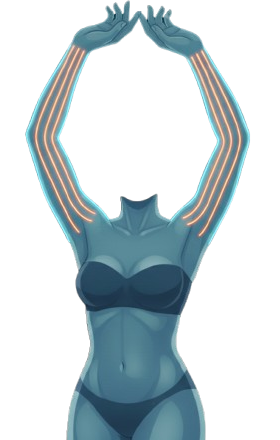
Arm Reduction Surgery Infographic by Dr Mark Kohout

Am I a Suitable Candidate for Arm Reduction Surgery?

Suitability depends on medical health, anatomy, weight stability and the ability to manage a substantial recovery. It cannot be confirmed through an online questionnaire, photographs or a general description alone.

  • Substantial excess skin: Loose tissue is present along the inner or back aspect of the upper arms.
  • Stable weight: The main weight-loss phase has ended and weight has remained reasonably stable.
  • Suitable general health: Heart, lung, metabolic and clotting risks are acceptable for surgery.
  • Adequate nutrition: Protein, iron, vitamins and other nutrients are sufficient to support healing.
  • No current nicotine use: The patient can stop smoking, vaping and nicotine products as directed.
  • Realistic expectations: The patient understands that scars are permanent and exact symmetry cannot be guaranteed.

Patients must also be able to follow instructions about wound care, compression sleeves, arm elevation, lifting and exercise. Practical help at home may be required during the early recovery period.

Who May Not Be Suitable for Arm Reduction Surgery?

Some patients may be advised not to proceed or to delay surgery until medical, nutritional or practical concerns have been addressed. The significance of each risk factor is assessed individually.

  • Unstable weight: Further substantial weight loss or repeated fluctuation can alter the result.
  • Untreated nutritional deficiencies: Low protein, iron or vitamin levels may interfere with healing.
  • Current nicotine use: Smoking, vaping and nicotine products increase wound-healing risk.
  • Uncontrolled medical conditions: Poorly managed diabetes, heart disease or clotting disorders may increase complications.
  • Active skin infection: Rashes, ulcers or infection near the proposed incision may require treatment first.
  • Expectations outside the likely range of outcomes: Surgery cannot promise invisible scars, exact symmetry or removal of every skin irregularity.

Patients may also be unsuitable if they cannot accept the scar pattern, arrange postoperative support or avoid lifting and repetitive arm use. Final suitability is determined after medical review, physical examination and discussion of the patient’s individual circumstances.

How Is Arm Reduction Surgery Performed?

Arm reduction surgery is usually performed under general anaesthesia in an accredited hospital or surgical facility. The exact steps depend on how much excess skin is present, whether fat removal is also required and whether tissue extends onto the chest wall.

  • Preoperative markings: Incisions are planned while the patient is standing so skin folds and tissue distribution can be assessed.
  • Anaesthesia: An anaesthetist monitors breathing, circulation, temperature, fluid balance and pain management.
  • Incision placement: The incision may remain in the underarm, extend toward the elbow or continue onto the chest wall.
  • Tissue removal: Excess skin and associated fat are measured and removed while preserving blood supply.
  • Tissue redraping: The remaining skin is brought together without placing excessive tension on the wound.
  • Closure and dressings: The incision is closed in layers, and dressings, drains or compression sleeves may be applied.

Liposuction may be used in selected areas when clinically appropriate. More extensive upper-body contouring may be staged if combining procedures would create excessive surgical or recovery demands.

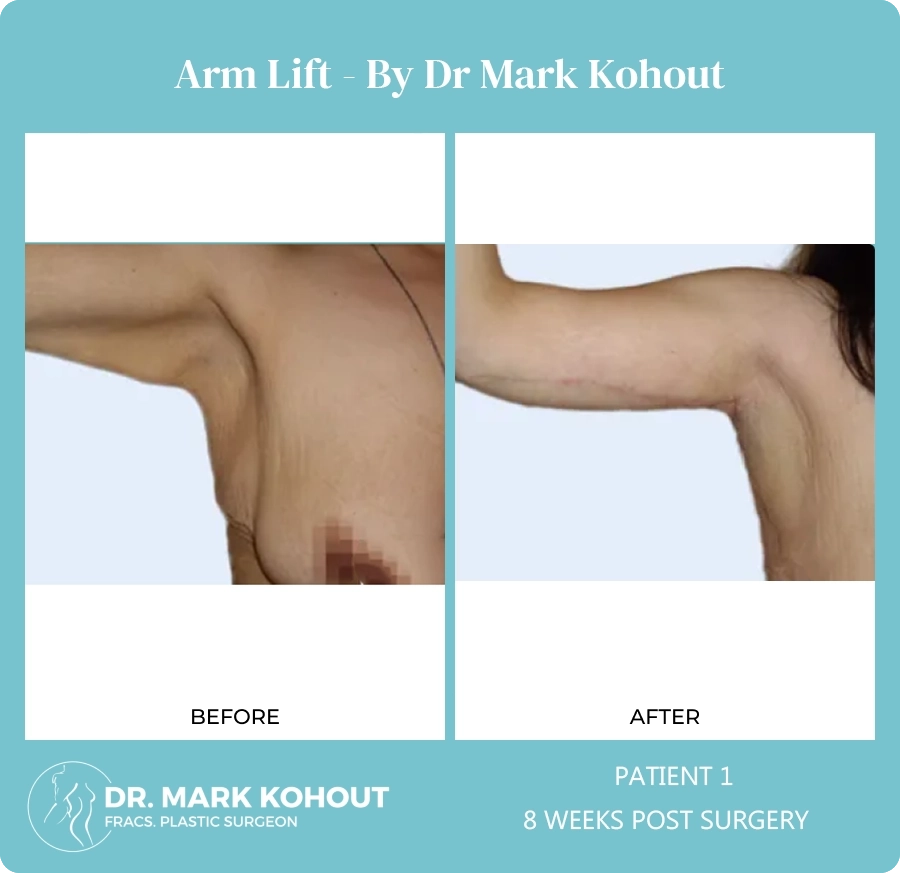
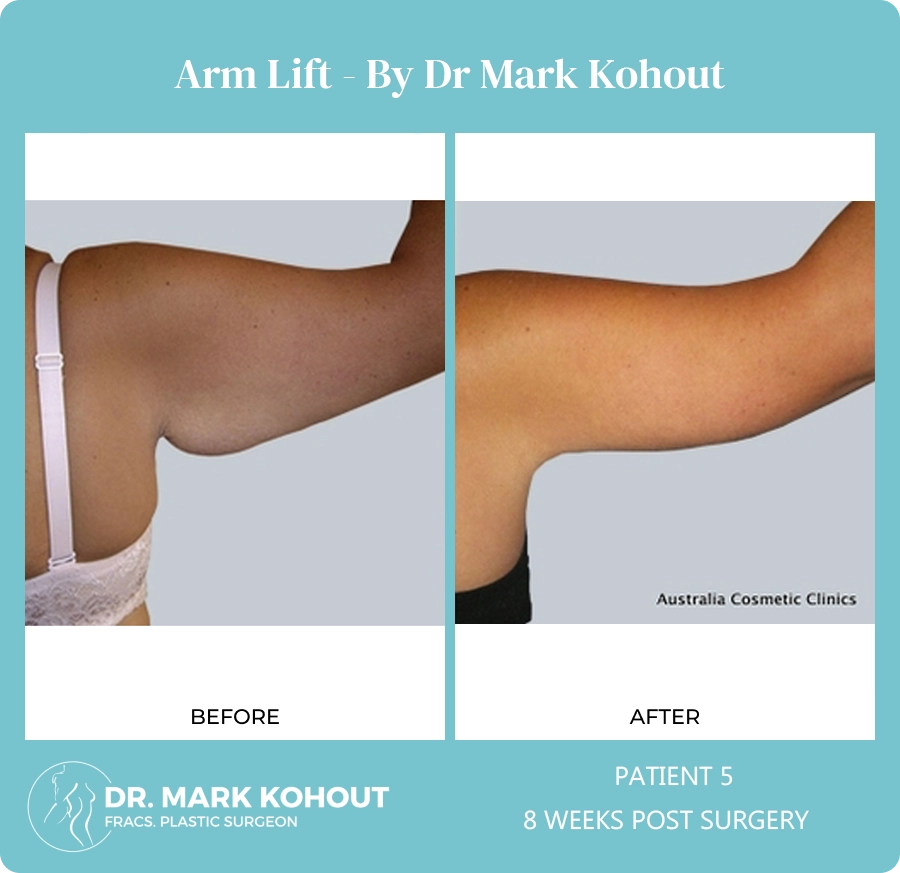
Before and After Photos of Arm Reduction Surgery

Before-and-after photographs can show the direction of contour change, scar position and differences between individual outcomes. They should be viewed as educational examples rather than predictions of another patient’s result.

  • Each photograph reflects one person’s anatomy and healing response.
  • Scar length varies according to the technique used.
  • Swelling and scar colour change over time.
  • Lighting, posture and arm position can affect appearance.
  • A consultation is required to discuss what may be reasonable for an individual patient.

Photographs cannot guarantee a similar result and should not be the sole basis for deciding on surgery. Dr Kohout can explain which examples may be relevant to the proposed incision pattern and extent of tissue removal.

View examples of individual arm reduction patient outcomes.

Disclaimer

Individual results vary due to personal health factors and genetics, and all surgical procedures carry inherent risks that should be discussed with a qualified health professional.

What Should I Expect During Arm Reduction Recovery?

Recovery after arm reduction involves wound care, activity restrictions, compression sleeves and scheduled postoperative reviews. Swelling, bruising, tightness and temporary altered sensation are common during the early stages.

  • Hospital monitoring: Many patients return home the same day, while some remain overnight.
  • Pain management: Prescribed medication may be used for discomfort and tightness.
  • Dressings and drains: Dressings protect the incisions, and drains may be used temporarily.
  • Arm positioning: The arms may need to be supported and elevation may be limited initially.
  • Compression sleeves: Garments may be worn for a specified period to support the tissues.
  • Home assistance: Help with meals, transport, household tasks and caring responsibilities may be needed.

The underarm and inner-arm areas are exposed to movement and wound tension, which can affect healing. Increasing pain, redness, discharge, fever, shortness of breath or one-sided leg swelling requires prompt medical review.

How Long Does Arm Reduction Recovery Take?

Recovery usually progresses in stages, but timing depends on the incision length, extent of surgery, general health and whether complications occur. Activity should increase gradually and in accordance with postoperative advice.

  • First 24–48 hours: Pain management, wound checks, arm support and short walks are usually required.
  • First week: Swelling, bruising and tightness are common, and lifting or raising the arms is restricted.
  • Two to six weeks: Light daily activity may increase gradually, while pushing, pulling and repetitive arm use remain limited.
  • Six to twelve weeks: More demanding activity may resume after medical review if healing is satisfactory.
  • Longer-term scar maturation: Scars may remain red, firm or raised for several months and continue changing for 12 months or longer.
  • Ongoing recovery: Residual swelling, numbness or tightness may take several months to settle.

Recovery varies. Dr Mark Kohout will provide advice based on your procedure and individual risk factors.

✓ Return to Driving

Driving should not resume until the patient can move both arms freely, control the steering wheel and perform an emergency manoeuvre without hesitation. Sedating pain medication must no longer be required.

  • Arm and shoulder movement should be adequate.
  • Pain should be controlled.
  • Seatbelt pressure should be tolerable.
  • Reaction time should not be impaired.
  • Insurance requirements should be checked.
  • Medical clearance may be recommended.

Some patients may be able to drive after one to two weeks, while others require longer. Individual advice should be followed.

✓ Return to Work

Return to work depends on the physical demands of the role, commute and recovery progress. Desk-based work may be possible sooner than employment involving lifting, repetitive arm movement or manual tasks.

  • Desk-based roles may require one to two weeks away.
  • Working from home may assist some patients.
  • Long commutes can increase discomfort.
  • Manual work usually requires a longer absence.
  • A staged return may be appropriate.
  • Complications can delay return to employment.

Work arrangements should be discussed before surgery so adequate leave can be planned. A fixed return date cannot be guaranteed.

✓ Return to Exercise

Walking is encouraged early when medically appropriate, but upper-body exercise is restricted while wounds and deeper tissues heal. For more detailed guidance, read about exercise after brachioplasty.

  • Short, frequent walks are usually encouraged.
  • Heavy lifting should be avoided.
  • Pushing and pulling movements are delayed.
  • Resistance training requires clearance.
  • Swimming should wait until wounds are fully healed.
  • Contact sport may require longer restrictions.

Returning too quickly may increase swelling, pain, wound tension or the risk of wound separation. Timing depends on the procedure and individual progress.

How Much Does Arm Reduction Surgery Cost in Sydney?

The cost of arm reduction surgery in Sydney varies because each operation is planned individually. A written estimate can usually be provided after consultation, examination and confirmation of the surgical plan.

  • Surgeon’s fee: Covers assessment, planning, surgery and scheduled postoperative care.
  • Anaesthetist’s fee: Depends partly on the duration and complexity of the operation.
  • Hospital fees: May include theatre time, nursing care, equipment and overnight accommodation.
  • Preoperative investigations: Blood tests, imaging or specialist review may be required.
  • Postoperative items: Compression sleeves, dressings and medications may create additional costs.
  • Extended or combined procedures: These affect the total fee and require separate planning.

Some post-weight-loss arm procedures may attract a Medicare item number when current clinical criteria are met. Eligibility does not guarantee full coverage, and patients should confirm rebates directly with Medicare and their private health insurer.

A Practical Guide to Preparing for Arm Reduction Surgery

Preparation focuses on reducing avoidable risks and arranging practical support for recovery. Instructions are tailored to the patient’s health, incision pattern and home circumstances.

  • Obtain a GP referral: This supports coordinated care and may be relevant where Medicare criteria are considered.
  • Maintain a stable weight: Significant weight change before surgery may alter the treatment plan.
  • Review nutrition: Protein, iron and vitamin deficiencies should be assessed and treated where necessary.
  • Stop nicotine use: Smoking, vaping and all nicotine products should be avoided for the required period.
  • Review medications: Medicines and supplements should only be adjusted under medical guidance.
  • Prepare for recovery: Arrange transport, home assistance, leave from work and loose clothing.

Patients should complete requested tests and follow fasting and hospital instructions carefully. Preparing the home and support arrangements in advance can reduce practical difficulties after discharge.

raising hands

What Are the Risks and Complications of Arm Reduction Surgery?

Arm reduction surgery carries risks because it involves general anaesthesia, long incisions and tissue removal in areas exposed to movement. Complications may require additional dressings, medication, hospital care or further surgery.

  • Bleeding and haematoma: Blood may collect beneath the skin and occasionally require drainage.
  • Infection or wound separation: Inner-arm or underarm wounds may heal slowly or open under tension.
  • Seroma or lymphatic swelling: Fluid may collect under the skin or swelling may persist.
  • Scarring and sensation changes: Scars may widen or become raised, while numbness or altered sensation may continue.
  • Contour differences: Asymmetry, residual skin or irregularities may remain.
  • Blood clots and anaesthetic complications: Deep-vein thrombosis, pulmonary embolism, breathing problems or cardiovascular events can occur.

Surgery risk is influenced by general health, BMI, nutrition, nicotine exposure, incision length and procedure duration. Preventive measures reduce risk but cannot eliminate it.

Arm Reduction Surgery with Dr Mark Kohout

Dr Mark Kohout provides arm reduction consultation, surgery and postoperative care for appropriately selected patients in Sydney. His approach includes individual assessment, surgical planning and discussion of alternatives, scars, limitations and risks.

  • Specialist registration in Surgery – Plastic Surgery
  • Medical registration number MED0001133000
  • More than 25 years of plastic and reconstructive surgical experience
  • Consultations available in Sydney and Orange
  • Surgery performed in accredited facilities
  • Scheduled postoperative review and follow-up care

These qualifications and services do not guarantee a particular result. Patients may verify current registration through AHPRA and seek another medical opinion before proceeding.

Dr Mark Kohout

How Do I Schedule an Arm Reduction Consultation?

The next step is to contact the clinic and request an in-person consultation. A physical examination is required before suitability, technique, scar pattern or cost can be confirmed.

  • Contact the Sydney clinic or submit the consultation form.
  • Obtain a GP referral where appropriate.
  • Provide an accurate medical and weight history.
  • Attend an in-person assessment.
  • Review the proposed technique, scars, risks, recovery and fees.
  • Allow time to consider the information before making a decision.

Submitting an enquiry does not commit a patient to surgery. Any decision to proceed should follow informed consent and completion of the required medical and preoperative assessments.

Dr Mark Kohout Portrait Image

Arm Reduction Surgery FAQs

Can arm reduction surgery change the position of the underarm scar?

Yes, wound tension and the weight of the remaining tissues can cause an underarm scar to shift during healing. Incision design and fixation techniques may reduce scar movement, but the final position cannot be predicted precisely.

Why can a brachioplasty scar widen near the elbow or underarm?

Scars may widen where arm movement, moisture or wound tension repeatedly affect the incision. Individual scar biology, the amount of tissue removed and postoperative activity also influence the final scar width.

Can arm reduction surgery affect lymphatic drainage?

Brachioplasty can disturb small lymphatic channels and may contribute to fluid collection or persistent swelling in some patients. Techniques that limit deep tissue disruption and preserve lymphatic structures may reduce this risk, although they cannot eliminate it.

Will arm reduction surgery change the hair-bearing skin in my underarm?

Skin removal near the axilla can shift, reduce or change the position of hair-bearing underarm skin. The likely effect depends on the incision pattern and should be discussed during preoperative marking.

Can previous arm liposuction affect brachioplasty planning?

Previous liposuction may alter tissue thickness, elasticity, internal scarring and blood supply within the upper arm. These changes may influence incision placement, the amount of tissue that can be removed and whether further liposuction is appropriate.

Is extended brachioplasty required when loose skin continues onto the chest wall?

An extended approach may be considered when excess tissue crosses the underarm and continues along the lateral chest. This creates a longer scar but may address tissue that a standard arm incision would not reach.

Can one arm heal differently from the other?

Yes, swelling, wound tension, scar formation and sensation may differ between the two arms. Minor differences are common, while more noticeable asymmetry may require monitoring or further treatment.

Can arm reduction cause long-term numbness or nerve pain?

Temporary numbness is common because small sensory nerves may be stretched or divided during surgery. Less commonly, injury to the medial brachial or medial antebrachial cutaneous nerves can cause persistent altered sensation or neuropathic pain.

Why might arm reduction be staged after a body lift or chest procedure?

Staging may limit operating time, wound burden and recovery demands when several body regions require treatment. It can also allow the arm and chest tissues to be reassessed after the first operation has healed.

Can later weight change cause upper-arm looseness to return?

Weight gain can stretch the remaining tissues, while subsequent weight loss may create further skin redundancy. Maintaining a reasonably stable weight may help preserve the surgical changes, although ageing and individual skin quality continue to affect the arms.

Medical References

Explore Factors to Consider Before Cosmetic Surgery

Welcome to the Practice of
Dr. Mark Kohout

With over 25 years of experience and Harvard training, Dr. Mark Kohout offers experienced plastic and reconstructive surgery at his Sydney and Orange clinics. His patient-first approach focuses on delivering safe, natural results tailored to your unique goals.

What's Next?

Whether you are ready for a professional evaluation or just have a quick question, we’ve made it easy to connect with our team. Choose the option that best fits your needs below.

Book your Consultation

Take the first step toward your goals by filling out the brief form below. This information helps us understand your specific needs so we can make the most of our time together during your session. Once you submit your details, a member of our team will review your request and reach out shortly to confirm your appointment.

Patient Photo Assessment

Sending photos for a patient photo assessment can help you and your plastic surgeon prepare for your consultation. By reviewing clear, accurate photos, Dr Kohout can provide preliminary patient photo assessment like insights, assess your needs, and determine the right approach for your procedure.

Tips for Uploading Photos

ASK A FRIEND

Friend takes photo

GOOD LIGHTING

Plain wall, bright light

ALL ANGLES

Front / sides/ 45°

CLEAR & SHARP

No portrait mode

SEND ORIGINALS

No edits or compression

Dr. Mark Kohout Plastic Surgery in Sydney & Orange

Experienced Plastic Surgeon

Dr. Mark Kohout

A qualified plastic surgeon who operates with care and integrity, based in central Sydney with over 20 years of experience in the cosmetic field. His extensive training and experience assures patients they are in highly trained surgical hands. Dr. Kohout is a dedicated, friendly professional who is committed to providing the high quality care, support and results, alongside his compassionate team.

Dr Mark Kohout (MED0001133000)
Specialist Plastic Surgeon
Specialist registration in Surgery – Plastic Surgery

25

Years of Experience

Years of Delivering Exceptional Cosmetic Care.

10000+

Surgical Procedures

Procedures performed by our qualified surgeons.

15+

Available Treatments

Cosmetic treatment options tailored to your needs.

Our Trusted

Accreditations

fracs

Dr Mark Kohout is a qualified plastic surgeon based in central Sydney, with over 20 years of experience in the field of cosmetic and reconstructive surgery. He draws on extensive surgical training and clinical experience to tailor care to the individual needs and goals of each patient.

Dr Kohout is known for his thoughtful, patient-centred approach, guiding individuals through each stage of their surgical journey — from initial consultation to post-operative care. Working alongside a compassionate and professional team, he is committed to providing high standards of care in a supportive and respectful environment.

Locations

Opening Hours

Monday - Friday

8:30AM - 05:00PM

Saturday - Sunday

Closed

Disclaimer: Dr Mark Kohout (MED0001133000) a Registered Medical Practitioner, Specialist Plastic Surgeon. All surgical or invasive procedures carry risks and complications. We recommend seeking a second opinion from an appropriately qualified medical practitioner before proceeding with any surgery. Results depend on individual patient circumstances and can vary significantly. Results may also be impacted by a variety of factors including your lifestyle, weight, nutritional intake and overall health. Consult your Specialist Plastic Surgeon for details. This information is general in nature and is not intended to be medical advice nor does it constitute a doctor-patient relationship. Surgery risks and complications will be covered in detail during a consultation with your Surgeon. We recommend seeking a second opinion from an appropriately qualified medical practitioner before proceeding with surgery.

©2024  All Rights Reserved

This website contains imagery which is only suitable for audiences 18+. All surgery contains risks, read more here.

Close Welcome Bar

Get Your Skin Tightening with Renuvion and Bodytite Guide

Get Your Buttock Lift & Implants Guide

Get Your Facial Aesthetic

Get Your Breast Implant Removal

Get Your Female Genital Surgery Guide

Get Your Excess Skin Guide

Get Your Gynaecomastia Guide

Get Your Liposuction Guide

Get Your Abdominoplasty Guide

Get Your Cost of Surgery Guide

Get Your Breast Implant Replace Guide

Get Your Breast Reduction Guide

Get Your Breast Augmentation Guide

Make an Enquiry