
Brachioplasty, also known as an arm lift, is a surgical procedure designed to remove excess skin and fat from the upper arms. Many individuals seek this surgery to address changes following significant weight loss or age-related skin laxity. These changes are not only cosmetic in nature but can also present physical discomfort and hygiene challenges. In Sydney, Australia, Dr Mark Kohout, a Specialist Plastic Surgeon, provides brachioplasty services tailored to the individual needs of patients. His approach combines medical insight, surgical precision, and continuity of care to guide patients through every stage of the treatment process.
In this article, we explore the cost of brachioplasty in Sydney and outline the variables that influence pricing. The goal is to offer clear, medically accurate information to help prospective patients make informed decisions about this procedure. This includes an overview of associated medical fees, eligibility for rebates, and the importance of choosing a fully qualified Specialist Plastic Surgeon. A detailed understanding of what the procedure involves, how pricing is structured, and what to expect before and after surgery can help patients approach the process with confidence and clarity.
What Is Brachioplasty?
Brachioplasty is a surgical procedure aimed at reshaping the underside of the upper arm by removing redundant skin and fat. It is often requested by individuals who have undergone substantial weight loss or who experience skin sagging as a result of natural ageing. Over time, skin loses elasticity, and in the upper arms, this can lead to pronounced drooping and the appearance of hanging tissue. Excess skin can lead to discomfort, chafing, hygiene concerns, and restricted clothing options. In warmer climates such as Sydney, where sleeveless clothing is common, this can significantly affect daily comfort and confidence.
In clinical practice, brachioplasty may be performed using different techniques depending on the degree of skin laxity and the presence of excess fat. The traditional method involves a long incision along the inner arm, while more conservative approaches may limit the incision to the underarm. Liposuction may be used concurrently for patients with adequate skin tone but localised fat deposits. Choosing the right surgical method involves a thorough examination and discussion of patient goals, which is a central part of the consultation process with Dr Mark Kohout in Sydney.
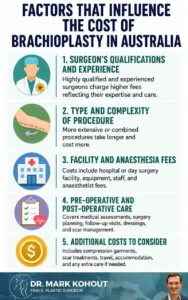
Factors That Influence The Cost Of Brachioplasty In Australia
✓ Surgeon’s Qualifications And Experience
The experience and credentials of the surgeon play a significant role in pricing. A Specialist Plastic Surgeon like Dr Mark Kohout, who is trained and accredited in both reconstructive and aesthetic procedures, typically charges higher fees reflective of their expertise and surgical standards. This higher fee reflects not just technical proficiency but a comprehensive approach to care, including risk minimisation, post-operative monitoring, and tailored surgical planning. Patients are strongly advised to confirm the surgeon’s credentials and ensure they are registered with AHPRA and hold FRACS (Plastic Surgery) recognition.
✓ Type And Complexity Of Procedure
The extent of skin removal and whether liposuction is involved can affect the duration and complexity of surgery. More involved procedures requiring extended incisions, additional contouring, or revisions of previous surgeries tend to be more costly due to the additional time and resources required. Complex cases may also require closer post-operative supervision, and additional support such as extended follow-up or scar therapy.
✓ Facility And Anaesthesia Fees
Brachioplasty is usually performed under general anaesthesia in an accredited hospital or day surgery setting. Facility costs reflect not just the use of theatre space, but the presence of qualified staff, access to emergency equipment, and post-operative recovery facilities. Anaesthesia costs are based on the anaesthetist’s level of training and the expected duration of the procedure. In larger metropolitan areas like Sydney, these fees may be slightly higher due to market demand and overheads.
✓ Pre-Operative And Post-Operative Care
Comprehensive surgical care includes medical assessment, surgical planning, and continuity of post-operative support. In many cases, patients will undergo a pre-operative review to assess suitability, review medications, and discuss any specific health conditions that could impact healing. After surgery, dressing changes, scar management protocols, and check-ups play a crucial role in achieving a smooth recovery. Ensuring that patients receive attentive care before and after surgery is a hallmark of treatment provided by Dr Mark Kohout at his Sydney clinic, and it contributes to both the surgical fee and the overall patient experience.
✓ Additional Costs To Consider
While many expenses are covered in a surgical quote, some items may incur additional costs. Patients may need to purchase secondary compression garments or invest in long-term scar treatments. Travel and accommodation should also be considered for regional patients travelling to Sydney. In the event of complications or delayed healing, additional care or interventions may also contribute to the overall cost. Understanding these variables in advance allows patients to plan financially and make confident decisions about timing and readiness.
Average Cost Of Brachioplasty In Sydney
While fees vary, patients in Sydney can expect the following ballpark figures for brachioplasty performed by a Specialist Plastic Surgeon: $9,000-$17,000 AUD depending on the scope and setting. The price reflects the complexity of the procedure, the surgeon’s experience, hospital choice, and associated aftercare. In more intricate cases involving revisions or combination treatments, the total cost can be higher.
This estimate typically includes the surgeon’s fee, anaesthesia, hospital or day surgery fees, and basic post-operative care. Not all quotes are comprehensive, so patients are advised to ask for a detailed breakdown during their consultation. At Dr Mark Kohout’s Sydney practice, transparency in pricing is part of the consultation process. This ensures that patients are aware of all inclusions and can make informed decisions without facing unexpected expenses later on.
Is Brachioplasty Covered By Medicare Or Private Health Insurance?
In certain circumstances, brachioplasty may attract a Medicare item number if specific medical criteria are met. These criteria are typically related to significant physical symptoms, including recurrent infections in the skin folds, difficulty maintaining hygiene, or pain due to excess tissue. The condition must also be linked to documented weight loss and a stable body weight maintained over a period of six months or more.
If the item number is approved, it may entitle the patient to a rebate on the surgeon’s fee and allow private health funds to cover a portion or all of the hospital-related expenses. However, insurance coverage varies, and waiting periods or exclusions may apply. Patients must consult their insurer to clarify their level of cover. Supporting documentation, including photographs and GP referrals, is essential to the claims process. At Dr Mark Kohout’s clinic in Sydney, staff assist patients with the administrative requirements to determine if they meet the eligibility criteria.
Why Patients Choose Brachioplasty
While aesthetic preferences can play a role, many patients pursue brachioplasty for functional and health-related reasons. Redundant upper arm skin can make simple activities such as exercising, dressing, or even resting arms at the side uncomfortable. In some cases, the psychological impact of living with these physical changes can also affect a person’s social interactions or activity level.
Patients often describe the inability to wear short sleeves or fitted clothing, particularly in warm climates like Sydney, as a major inconvenience. Others report skin irritation, rashes, and infections that persist despite hygiene efforts. In consultation, Dr Mark Kohout carefully evaluates these concerns to ensure that brachioplasty is appropriate and that patients understand the likely benefits, risks, and recovery requirements.
What To Expect In A Brachioplasty Consultation
A brachioplasty consultation is an opportunity for a detailed discussion between the patient and surgeon. During this appointment, Dr Mark Kohout will take a full medical history, including any previous surgeries, chronic conditions, allergies, and medications. He will then perform a clinical assessment to determine skin elasticity, fat distribution, and the extent of surgical correction needed.
Patients are encouraged to articulate their reasons for seeking surgery and their expectations for the outcome. All risks are discussed, including the potential for scarring, wound healing issues, changes in sensation, and the limits of the procedure. The consultation is also a time to review before-and-after examples, if available, and to ask questions about preparation, downtime, and follow-up care. Where indicated, patients may be invited to return for a second appointment before making a final decision, in line with ethical standards and AHPRA guidance.
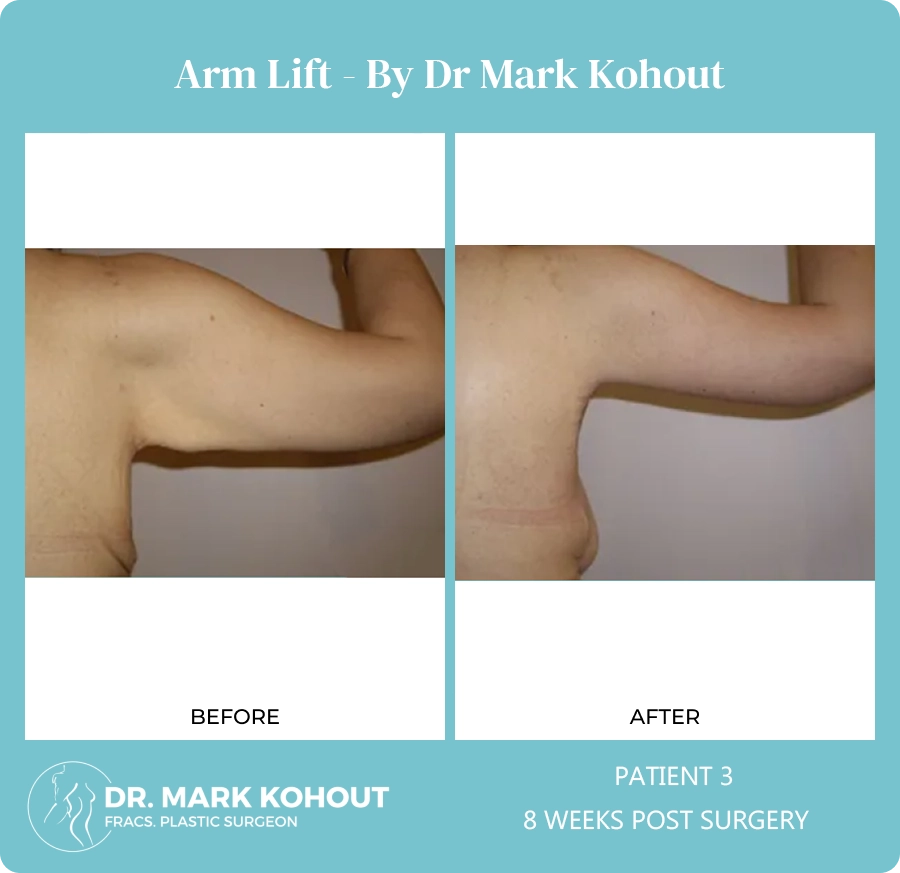
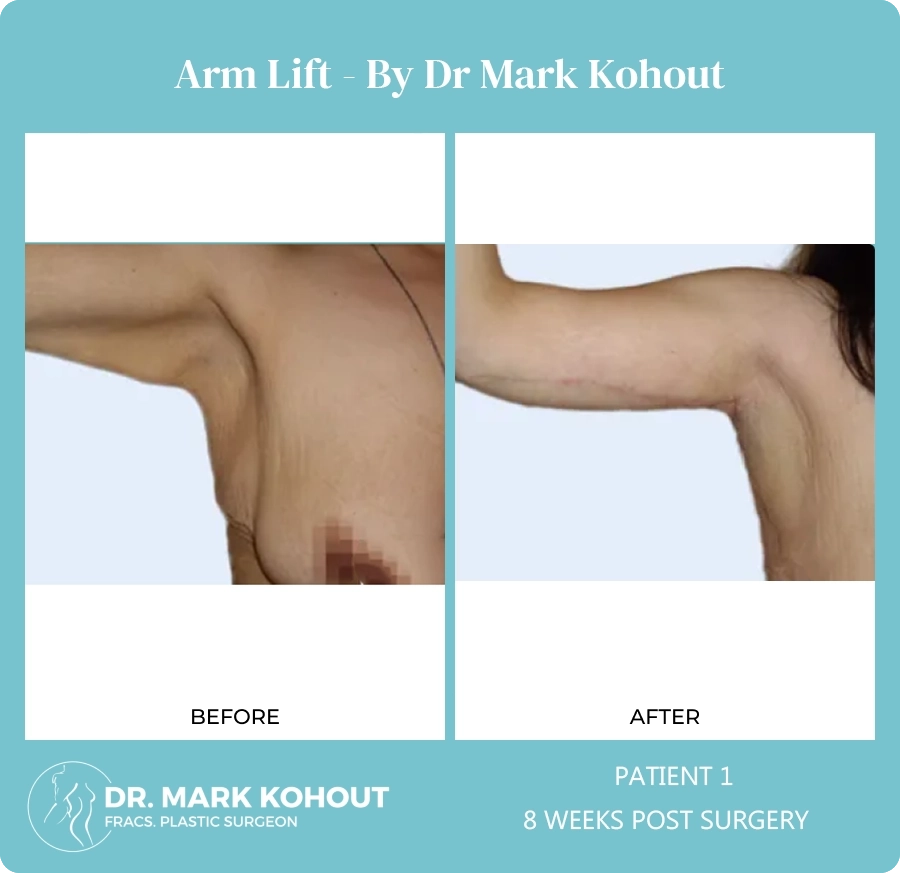
Arm Lift Surgery Before and After Images
Recovery Timeline And Associated Considerations
Brachioplasty recovery varies, but patients can generally expect a staged healing process. In the first week, swelling and bruising are prominent, and arms may feel tight or restricted. Compression garments are used to support tissue healing and minimise fluid build-up. Activity is limited, and rest is essential to reduce strain on the incision sites.
Between the second and fourth weeks, patients typically resume light duties such as desk-based work and non-strenuous movement. Scar care strategies begin, which may include silicone dressings or topical treatments to encourage healthy healing. In weeks five to eight, many patients return to a more active lifestyle, gradually increasing physical exertion. Scars continue to mature over several months, changing in appearance as they settle. Long-term protection from sun exposure is recommended to minimise pigment changes and optimise aesthetic results.
Patients under Dr Mark Kohout’s care in Sydney receive personalised follow-up schedules to monitor healing, address concerns, and ensure that the recovery process remains on track.
Choosing A Plastic Surgeon For Brachioplasty In Sydney
Choosing the right surgeon is one of the most important decisions patients will make. A fully qualified Plastic Surgeon should be registered with AHPRA and hold FRACS (Plastic Surgery) status. This indicates completion of rigorous surgical training, including training in complex reconstructions and aesthetic procedures. Patients are encouraged to review a surgeon’s background, training institutions, and professional memberships.
Dr Mark Kohout, a Plastic Surgeon in Sydney, offers a patient-centred approach that prioritises clear communication, thorough evaluation, and evidence-based treatment plans. His surgical facilities are accredited, and his practice structure ensures that patients receive continuous care – from consultation through to follow-up. This continuity allows for close monitoring of progress and long-term surgical outcomes.
FAQs About Brachioplasty
Can Brachioplasty Be Combined With Other Procedures?
Yes, brachioplasty is sometimes performed alongside other body contouring procedures, such as abdominoplasty or thigh reduction, depending on the patient’s health status and goals. This decision is made after careful assessment of the patient’s overall condition and safety considerations.What Are Some Early Signs That I May Be a Candidate for Brachioplasty?
If you notice persistent irritation under the arms, struggle with clothing fit, or avoid certain activities due to the appearance or feel of upper arm skin, these may indicate that an arm lift could be suitable. A consultation is necessary to confirm candidacy.Will I Lose Arm Strength or Function After Surgery?
Most patients regain full arm function following recovery. Temporary tightness or restricted range of motion may occur initially but typically resolves with healing and, if needed, post-operative exercises or physiotherapy.How Long Should I Wait After Weight Loss to Consider Brachioplasty?
It is generally recommended to maintain a stable weight for at least six months before undergoing brachioplasty. This ensures that the surgical results are not compromised by further significant weight changes.Are the Scars From Brachioplasty Always Visible?
While scars are an unavoidable part of the procedure, their placement is typically along the inner arm and designed to be as discreet as possible. Over time, they often fade and can be managed with scar care strategies.Can I Sleep Normally After Brachioplasty?
Patients may need to modify sleeping positions in the first few weeks to avoid pressure on the arms. Sleeping with arms slightly elevated and avoiding side sleeping can help minimise swelling and support recovery.What Are Some Common Misconceptions About Arm Lift Surgery?
A frequent misconception is that brachioplasty is a weight loss surgery. In reality, it is designed to address skin redundancy and mild fat accumulation, not to remove large volumes of fat or achieve significant weight reduction.Medical References
- Arm Lift Cost – American Society of Plastic Surgeons https://www.plasticsurgery.org/cosmetic-procedures/arm-lift/cost
- Liposuction-Assisted Brachioplasty Versus Standard Technique – National Institutes of Health (PMC) https://pmc.ncbi.nlm.nih.gov/articles/PMC6128150/
- Improving Aesthetic Outcomes in Arm Lift Procedures – Journal of Clinical Medicine (MDPI) https://www.mdpi.com/2077-0383/11/17/5038
- Brachioplasty – StatPearls – NCBI Bookshelf https://www.ncbi.nlm.nih.gov/books/NBK585115/
- Brachioplasty Costs Worldwide: What to Expect and Where to Save – iCloudHospital https://icloudhospital.com/articles/brachioplasty-costs-worldwide-what-to-expect-and-where-to-save
- Cosmetic Procedures After Massive Weight Loss Surgery – Cureus https://pmc.ncbi.nlm.nih.gov/articles/PMC11611412/
Final Considerations: Is Brachioplasty Right For You?
Brachioplasty is a procedure that addresses functional and anatomical concerns related to excess upper arm skin. It is important for patients to reflect on their readiness for surgery, both physically and emotionally. Maintaining a stable weight, being free from smoking, and understanding the impact of post-surgical scarring are all essential considerations.
Those seeking this surgery should approach it with informed expectations, understanding that while the procedure can improve physical comfort and upper arm contour, it involves permanent scarring and a recovery period that requires patience. An initial consultation with a registered Plastic Surgeon such as Dr Mark Kohout in Sydney provides a comprehensive opportunity to explore suitability. This meeting allows patients to discuss concerns, review potential outcomes, and establish a plan of care that aligns with their goals.
Further Reading
- Read more about Body Lift Sydney
- Read Dr Mark Kohout’s Blog on Weight-Loss Medications and Plastic Surgery Demand
- Read Dr Mark Kohout’s Blog on Managing Arm Lift Scars: A Guide
Experienced Plastic Surgeon
Dr. Mark Kohout
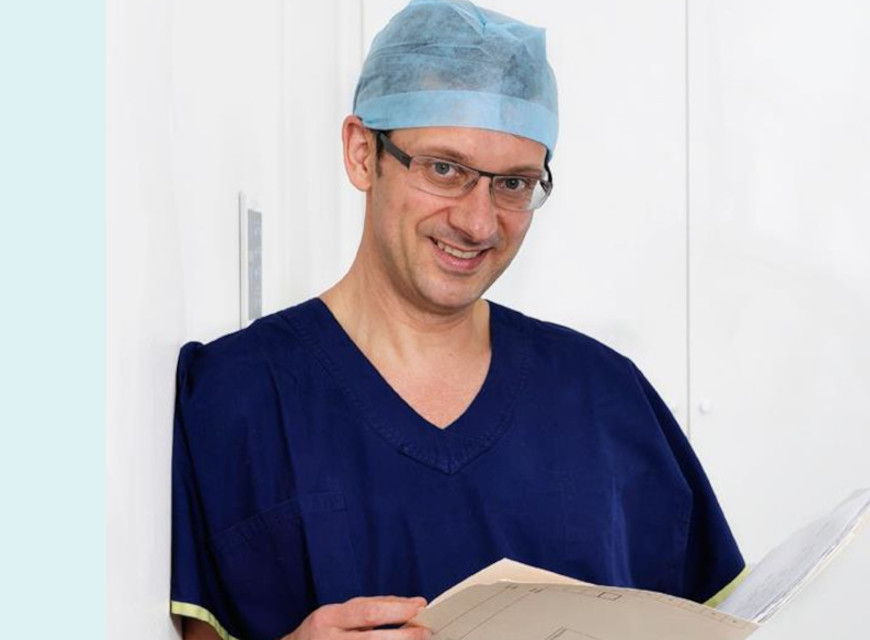
A qualified plastic surgeon who operates with care and integrity, based in central Sydney with over 20 years of experience in the cosmetic field. His extensive training and experience assures patients they are in highly trained surgical hands. Dr. Kohout is a dedicated, friendly professional who is committed to providing the high quality care, support and results, alongside his compassionate team.
Dr Mark Kohout (MED0001133000)
Specialist Plastic Surgeon
Specialist registration in Surgery – Plastic Surgery
Related Blog Posts
Healing and Recovery After Breast Reduction…
Comprehensive Guide to Healing and Recovery After Breast Reduction Surgery Download Dr Mark Kohout’s Breast Reduction Surgery Guide Healing and Recovery After Breast Reduction: Timeline and Tips Breast reduction surgery,…
Breast Reduction Medicare Cover – Will…
Will Medicare Cover My Breast Reduction? Breast reduction, medically known as reduction mammoplasty, is a surgical procedure that removes excess breast tissue and skin to achieve a breast size more…
Reducing Back Pain with Breast Reduction…
The Connection between Back Pain and Overly Large Breasts For some women, overly large breasts can be a source of discomfort and pain, particularly in the back region. The weight of…