Buttock Reshaping Surgery in Sydney

With Dr. Mark Kohout

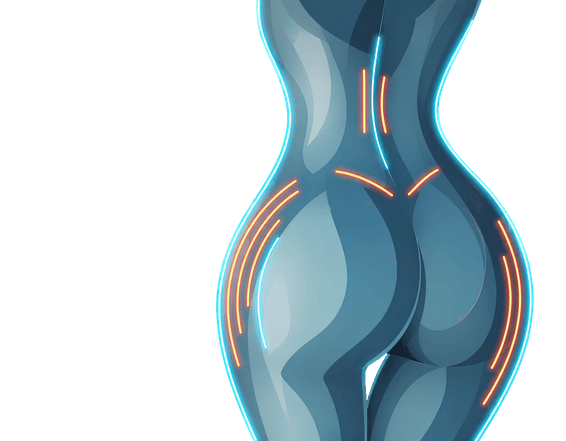
Buttocks Reshaping Header Photo - Mark Kohout

This page provides general information about buttock reshaping surgery in Sydney with Specialist Plastic Surgeon, Dr Mark Kohout. It is intended as an educational resource and does not replace a personal consultation or advice from a qualified health professional who knows your medical history.


Many people who enquire about buttock reshaping surgery feel that the shape or proportion of their buttocks does not match the rest of their body. Some describe long term concerns, while others notice changes after weight variation or ageing. Whatever the reason, it is important that anyone considering surgery understands what the procedure involves, the potential risks, and what recovery usually requires.


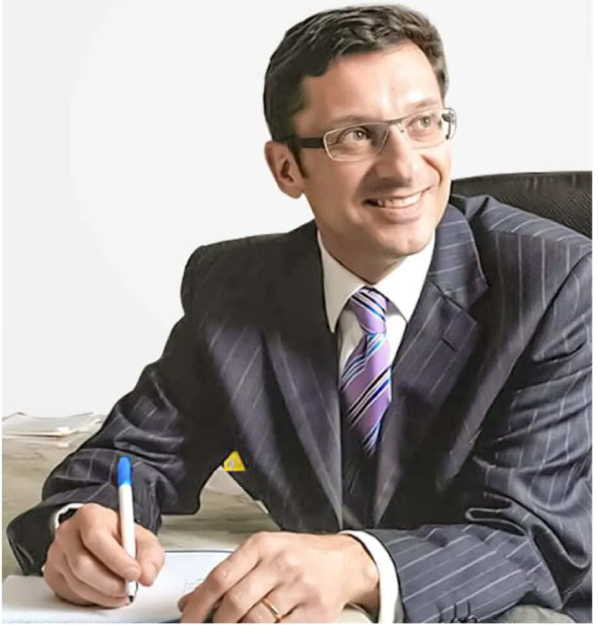
Dr Mark Kohout is a Specialist Plastic Surgeon based in Sydney with many years of practising in plastic and reconstructive surgery. His approach to body procedures, including buttock reshaping, is grounded in careful assessment, realistic goal setting and clear explanation of both the potential advantages and limitations of surgery. Every operation is planned individually. There is no single “template” solution that suits all patients.

Understanding Buttock Reshaping Surgery

Buttock reshaping surgery refers to a group of surgical techniques that adjust the contour, projection or volume of the buttocks and their surrounding areas. Rather than focusing only on one area, the procedure is often planned with the whole torso and upper thighs in mind, as these regions together influence overall body proportion.

Buttock reshaping sometimes combines two or several of the techniques described here.

In many cases, the procedure involves removing localised fat deposits from areas such as the lower back, flanks or outer thighs. This can support a smoother transition between the waist, back and buttocks. In selected patients, some of the removed fat is then prepared and transferred to the buttocks to increase volume and adjust projection. In other situations, particularly where there is limited fat available for transfer or where a larger degree of projection is requested, the use of buttock implants may be considered. For patients who have experienced significant weight loss, there can also be stretching and redundancy of skin and soft tissue, and in those cases, tightening procedures may be added to address excess tissue.

Buttock lift is a common procedure for buttock reshaping. It is designed to enhance the upper buttock projection and shape the buttocks to a continuous curve to match the waist. Buttock Reduction is also a common procedure. This addresses the stretching and descent of the lower buttock and flattening of the lower buttock that often comes with ageing of weight loss.

The aim is to help the buttock region sit in better proportion with the rest of the body frame in a way that aligns with the patient’s preferences and anatomy. Surgery can change contours and volume to a degree, but it cannot completely alter underlying bone structure or guarantee a specific appearance. Buttock reshaping surgery is usually performed in an accredited hospital under general anaesthesia, with a specialist anaesthetist monitoring the patient throughout the procedure. The length of the operation varies depending on the techniques used and whether any additional procedures are performed at the same time.

During a consultation, Dr Kohout provides information about all appropriate options, including the option not to proceed with surgery. The focus is on ensuring that each patient has a realistic understanding of what buttock reshaping surgery may offer, what it cannot achieve, and how it fits with their health and lifestyle.

Who May Consider Buttock Reshaping Surgery

People considering buttock reshaping surgery are a diverse group, but they often share similar concerns. Some have always felt that their buttocks appear smaller or less projected compared to the rest of their body. Others have noticed shifts in shape with weight changes, pregnancy or ageing. Some describe difficulty with clothing fit, particularly around the waist and buttocks.

From a medical point of view, suitable candidates are generally adults who are in good overall health and have a stable weight. Abrupt and ongoing weight fluctuations can alter the outcome of surgery over time, so it is preferable for patients to be at or close to a sustainable weight before proceeding. Individuals with uncontrolled medical conditions such as poorly managed diabetes or significant heart disease may face increased risks, and this needs careful consideration.

Smoking and nicotine use are important issues in cosmetic surgery. Nicotine can compromise blood supply to the tissues and increase the risk of wound healing problems. For this reason, patients who smoke are usually advised to stop well in advance of surgery and to remain nicotine free for a period afterwards. This guidance is based on tissue health and safety rather than preference alone.

Emotional and psychological well-being also plays a role. Cosmetic surgery cannot address underlying mental health concerns such as severe body image disturbance, depression or anxiety. If a patient has a history of such conditions, it is important that these are discussed openly and well managed, ideally in conjunction with the patient’s GP or mental health practitioner. In some situations, surgery may be deferred or not recommended if it is unlikely to support the person’s overall wellbeing.

It is also essential that the decision to pursue surgery is made by the patient themselves, without pressure from others or from social media trends. Buttock reshaping surgery is elective, and it is important that there is time to think carefully, ask questions and consider alternatives before making a commitment.

Reasons People Seek Buttock Reshaping Surgery

When patients sit down in consultation, they rarely speak in abstract terms. Instead they describe very specific concerns. Some explain that, even at a healthy weight, their buttocks appear relatively flat compared with their thighs or upper body, which can make clothing difficult to fit. Others feel that the transition between the lower back and buttocks appears too square or lacking in contour, which can give a heavier overall appearance than their actual weight would suggest.


Following significant weight loss, there may be skin and soft tissue laxity, or creases that catch on clothing and cause discomfort. Certain patients feel that, despite targeted exercise and careful attention to diet, they still cannot change the way this region appears. For some, the issue is not about size alone but about the proportions between the waist, hips and buttocks.


In discussions, Dr Kohout encourages patients to describe what they notice about their body in everyday terms. This can include how garments sit at the waistband, whether there are areas that rub or feel heavy, or particular angles in photos or mirrors that cause concern. These conversations help clarify whether buttock reshaping surgery may reasonably address some of these issues, whether another approach might be more appropriate, or whether the best decision may be not to operate.


It is important to distinguish realistic expectations from goals based on filtered images or trends. Social media and online photographs are not an accurate guide to what surgery can achieve. Bodies differ in bone structure, muscle mass, skin quality and genetic background. Well planned buttock reshaping surgery aims to adjust proportions in a measured way that respects each patient’s unique anatomy, rather than attempting to copy someone else’s appearance.

The Role of Clinical Photographs

Clinical photographs are a routine part of plastic surgery practice. They are taken in a private environment before surgery and at intervals afterwards. For the patient, they provide a record of the starting point and the changes that take place over time. For the surgeon, they form part of the medical record and assist with planning and assessment of healing.

With appropriate consent, de-identified clinical photographs from previous patients may be used during consultation to show the type of changes that specific techniques can produce. However, these images are educational, not predictive. A photograph of another patient’s outcome cannot guarantee a similar result. Differences in anatomy, skin quality, weight, healing responses and medical history all contribute to varying outcomes.

Any use of photographs in practice materials must align with AHPRA advertising requirements. If a gallery is available, it should be accompanied by clear statements that results vary between individuals, that all surgery carries risk and that past results do not guarantee future outcomes. In the consultation room, Dr Kohout reinforces this message and explains that each person’s experience is unique.

How Buttock Reshaping Surgery Is Performed

How Buttock Reshaping Surgery Is Performed by Dr Mark Kohout

Although each operation is customised, buttock reshaping surgery usually follows a structured sequence, beginning well before the day of surgery.

During pre-operative planning, Dr Kohout takes a detailed medical history and performs a physical examination of the torso, buttocks and upper thighs. Skin quality, underlying muscle tone, distribution of fatty tissue and overall body proportions are assessed. The patient’s priorities and preferred changes are discussed, along with the feasibility of those goals. Pre-operative photographs are taken for the confidential medical record.

On the day of surgery, the patient is seen again in the pre-operative area. Dr Kohout reviews the plan and answers any remaining questions. While the patient is standing, he places skin markings to guide fat removal, fat transfer and incision placement. These markings reflect natural folds and contours and are tailored to the individual.

Once in the operating theatre, the patient is placed under general anaesthesia by a specialist anaesthetist. The anaesthetist remains present throughout the operation to monitor and support the patient. Positioning on the operating table is adjusted so that the surgical team can work safely while protecting joints and pressure areas.

If liposuction is part of the plan, a fluid solution is introduced into the areas where fat will be removed. This assists with fat removal and helps reduce bleeding. Through small access incisions, slender cannulas are used to remove localised fat from areas such as the lower back, flanks or outer thighs. The aim is not simply to take volume away but to adjust the surrounding contours so the buttocks are framed more proportionately.

When fat transfer to the buttocks is appropriate, the removed fat is collected in a sterile system and then processed to separate it from excess fluid and damaged cells. The prepared fat is then reinjected into the buttocks through small incisions using blunt cannulas. The fat is placed in many small tunnels and at different depths to encourage contact with healthy tissue. This technique supports the chance that a portion of the transferred fat will establish a blood supply and remain over time. Some of the transferred fat will be reabsorbed by the body in the months after surgery, so the initial volume is planned with this in mind.

In cases where implants are chosen, the steps differ. An incision is made, commonly in the crease between the buttocks or at another agreed location that helps to conceal the scar. A pocket is created within or beneath the gluteal muscles, and the implant is positioned carefully within this space. The chosen implant type and size are based on the patient’s body frame, existing soft tissue coverage and the amount of projection being considered. Because implants have particular risks, these are discussed thoroughly before any decision is made.

After reshaping is complete, all incisions are closed in layers using sutures placed beneath the skin. Dressings are applied, and a compression garment is usually fitted to support the tissues, help control swelling and provide comfort in the early recovery period. The patient is then transferred to the recovery area, where nursing staff and the anaesthetic team monitor vital signs as the patient wakes from anaesthesia. In most cases, patients stay in hospital for at least one night, with the length of stay depending on the extent of the procedure and the patient’s general health.

Risks and Possible Complications

All operations carry risk. It is important that anyone considering buttock reshaping surgery understands these risks and has the opportunity to ask questions and reflect on the information before deciding to proceed.


General risks associated with surgery and anaesthesia include bleeding, infection, blood clots in the legs or lungs, delayed wound healing, anaesthetic reactions and problems related to other medical conditions. These are present in varying degrees for most surgical procedures performed under general anaesthesia.


Buttock reshaping surgery also has specific risks. There may be contour irregularities, such as areas that appear uneven or feel firm. The two sides of the body are naturally different, and complete symmetry is not achievable. Some patients experience changes in skin sensation, including numbness or altered sensitivity, which may be temporary or long term.


Swelling and bruising are expected after surgery. In some cases, fluid collections known as seromas can form and may require drainage. With fat transfer, not all of the grafted fat survives. Some fat cells can break down, leading to firm nodules or changes in texture. The amount of permanent volume from fat transfer varies between individuals and cannot be guaranteed.


Scars are permanent. While they usually soften and fade over time, they remain visible to some degree. In some people, scars may become raised or more prominent than expected, or there may be changes in skin colour around the incision lines.


Patients who receive implants face additional considerations. Scar tissue can form around an implant and tighten, leading to a firm, sometimes uncomfortable capsule. Buttock implants can move from their intended position, become more apparent under the skin or, over time, wear out or rupture. Infection around an implant is a serious complication that may require implant removal and further treatment.


There are psychological factors as well. Even when surgery proceeds as planned, some patients may feel disappointed if the outcome does not match an image they had in mind. This underlines the importance of thorough pre-operative discussions about what is realistic and the range of possible outcomes.


During consultation, Dr Kohout explains the risks most relevant to the patient’s circumstances, including how factors such as smoking, medical conditions and previous surgeries may influence these risks. Patients are encouraged to take their time, read written information, consider a second opinion if they wish and only proceed when they feel they have a clear understanding of both potential benefits and possible complications.

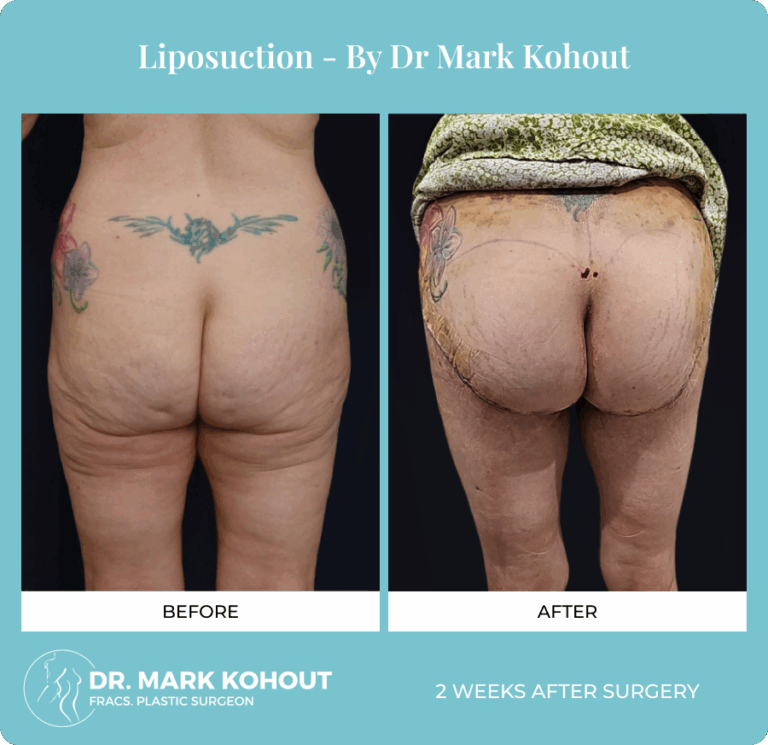
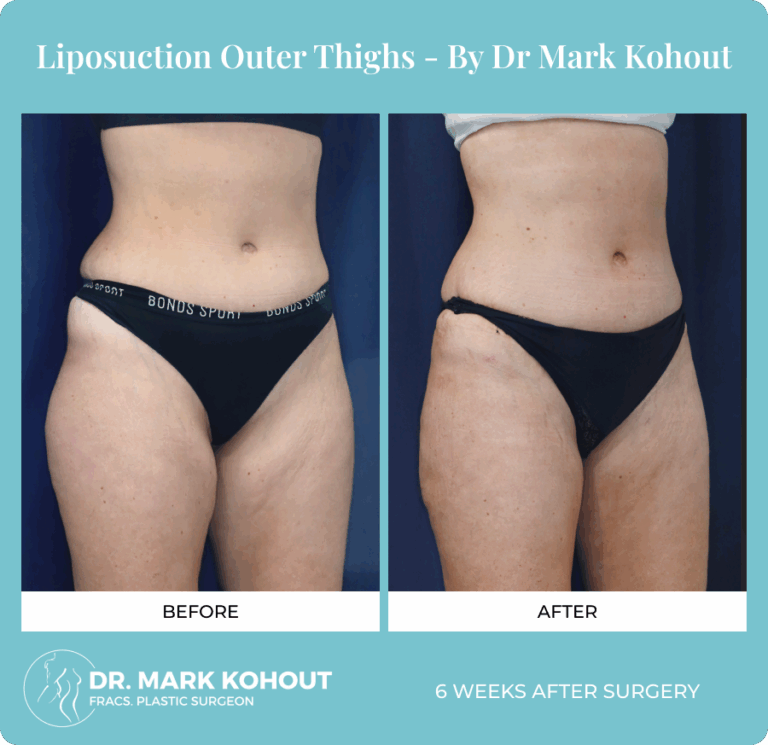
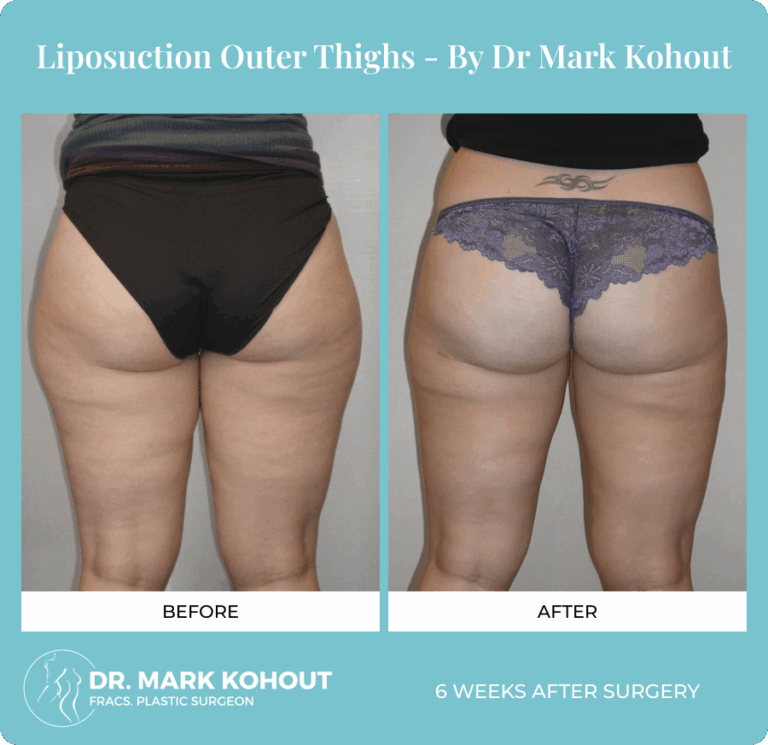
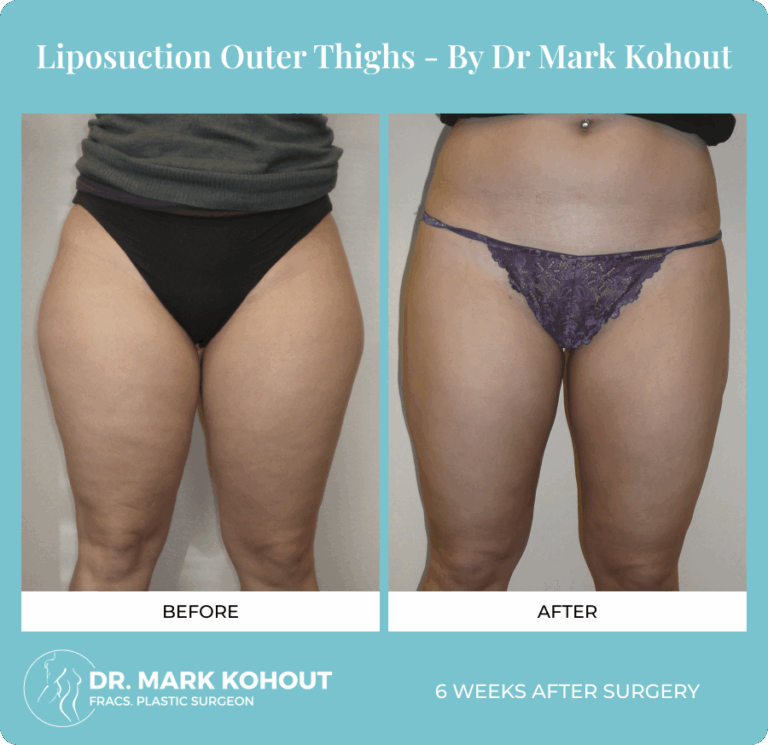
Before and After Photos of Liposuction Surgery

See the difference it has made for our clients.

Disclaimer

Individual results vary due to personal health factors and genetics, and all surgical procedures carry inherent risks that should be discussed with a qualified health professional.

Recovery After Buttock Reshaping Surgery

Recovery from buttock reshaping surgery is gradual. The first days are focused on comfort and safety, while the following weeks and months involve steady healing and adjustment to the new contours.


Immediately after the procedure, patients usually feel discomfort, tightness and a degree of stiffness around the treated areas. In hospital, pain relief is provided and adjusted according to each person’s needs. A compression garment is generally in place, and there may be small drains depending on the extent of surgery. Nursing staff support early mobilisation when it is safe, as gentle movement helps reduce the risk of blood clots.


In the first week at home, most patients spend much of their time resting, with short walks around the house. Swelling and bruising may be quite noticeable during this period, and the buttocks can feel heavy or firm. Sitting is often limited or modified, especially when significant fat transfer or implants have been used. Written instructions and follow up advice from Dr Kohout guide positioning, garment use and wound care.


As the second and third week progress, discomfort usually lessens. Bruising starts to fade, and a little more mobility is possible. Some patients feel ready to return to lighter duties or desk-based work if the job allows position changes and does not involve prolonged pressure on the buttocks. Strong pain medication is often no longer required, though milder analgesics may still be useful.


More demanding physical tasks and exercise routines are reintroduced gradually as healing continues. Heavy lifting, high impact activities and intensive lower body exercises must wait until Dr Kohout confirms that the internal repair has progressed adequately. Attempting vigorous activity too early can increase swelling and strain healing tissues.


It is important to understand that the body continues to change for many months after surgery. Early swelling, fluid shifts and the settling of transferred fat or implants all influence the appearance of the buttocks. The final shape often becomes clearer between six and twelve months after surgery. It is normal for patients to have mixed feelings during the early phases of recovery, and scheduled follow up appointments are an opportunity to discuss concerns, review progress and receive guidance.

Long-Term Care and Follow-Up After Buttock Reshaping Surgery

After the initial recovery period, attention shifts to maintaining results as well as possible and monitoring long term health of the tissues.


Maintaining a  stable weight is an important factor. Significant weight gain can increase volume in remaining fat cells in the buttocks and surrounding areas, while substantial weight loss can contribute to looser tissues and altered contours. A balanced, sustainable approach to nutrition and activity supports more consistent outcomes.


Once fully healed and cleared by Dr Kohout, patients are encouraged to return to physical activities that suit their health status. Building and maintaining general strength and fitness can support posture and muscle tone in the trunk and lower limbs. However, any new or high impact activity should be introduced gradually.


Scar care continues beyond the first few months. Dr Kohout may recommend taping, silicone products and diligent sun protection. Direct sun exposure on fresh scars can lead to long term pigmentation changes, so well fitting clothing and appropriate sunscreen are important.


For patients with implants, regular review is advisable. Implants are not considered lifetime devices. Over the years, changes in the surrounding tissues or the implants themselves may mean further surgery is needed to replace or remove them. Any new discomfort, swelling, visible changes or concerns should prompt a clinical review rather than being left unattended.


At any time after surgery, symptoms such as new redness, warmth, rapidly increasing swelling, discharge from a wound, fever, chest pain or shortness of breath warrant urgent assessment. Early review allows potential complications to be addressed promptly.
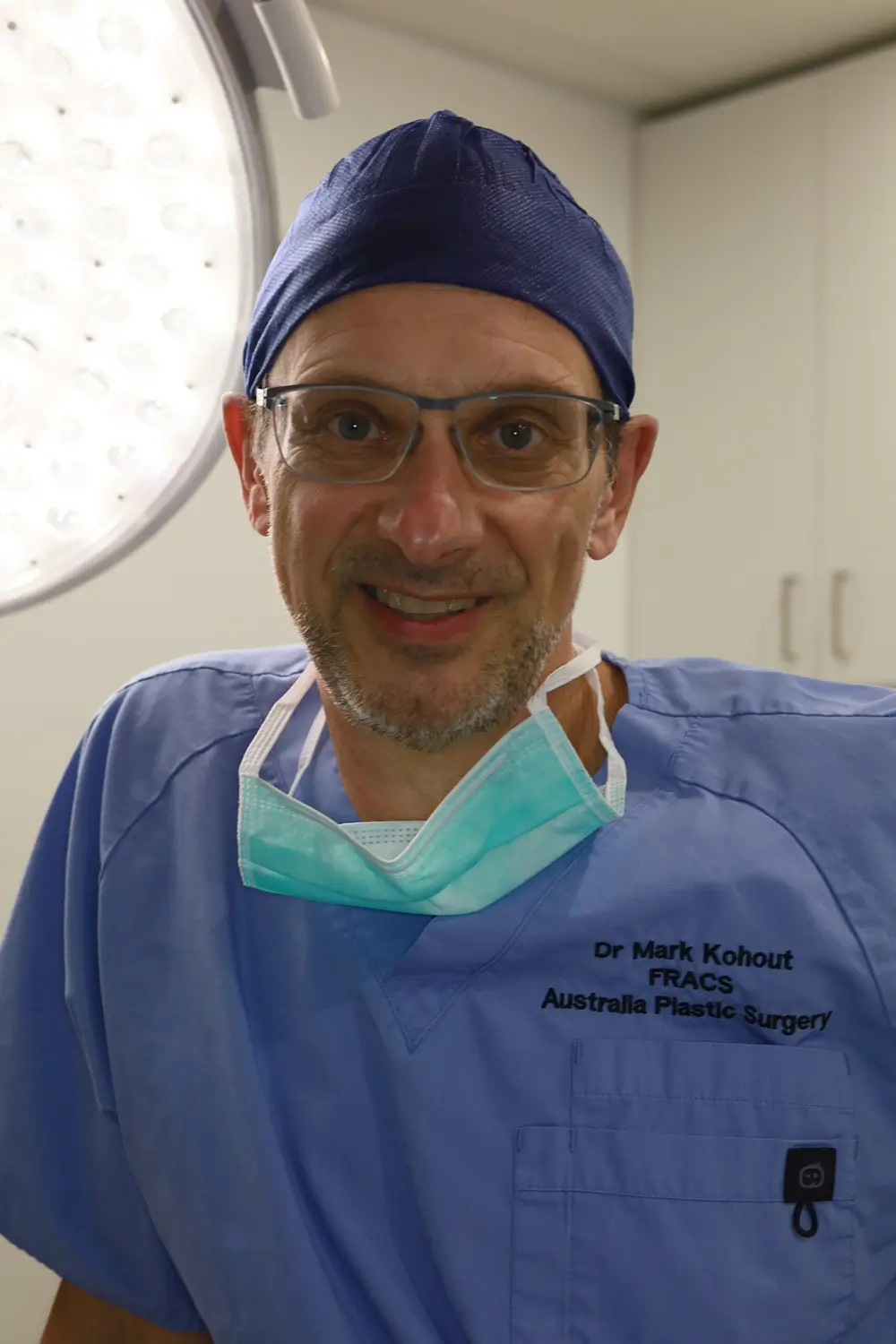
Dr Mark Kohout

Fees and Costs for Buttock Reshaping Surgery in New South Wales

The total cost of buttock reshaping surgery in Sydney varies between individuals. Factors influencing cost include the complexity and length of the operation, whether fat transfer, implants or both are used, hospital theatre and accommodation fees, the anaesthetist’s fee, garments, tests and ongoing follow up.


In many purely cosmetic cases, this procedure does not attract a Medicare item number, and health funds may not provide benefits for the surgeon’s fee or hospital charges. In specific reconstructive circumstances, there may be some rebates. These rules and item numbers are subject to change, so any potential eligibility needs to be confirmed at the time of consultation.


After personal assessment, Dr Kohout’s practice provides a written quotation. This outlines the surgeon’s fee, an estimate from the anaesthetist and an estimate from the hospital. Patients with private health insurance are advised to contact their fund with the item numbers provided (if applicable) to clarify any rebates and likely out of pocket expenses.


Cost is an important consideration, but it should be weighed alongside other factors such as the choice of qualified surgeon, the use of accredited facilities, the patient’s health and the time available for recovery. Rushing into a decision based on price alone is not recommended.

Dr Mark Kohout

Buttock Reshaping Surgery FAQs

Can buttock reshaping surgery change how a person feels when sitting for long periods?

In the early stages of recovery, many patients find sitting less comfortable and need to modify their posture or use cushions. Once tissues have healed, most people return to their usual sitting patterns, although some may continue to prefer softer seating or small adjustments in posture.

Does buttock reshaping surgery affect how clothing fits around the waist and hips?

Clothing often feels different because the contour of the lower back, hips and buttocks can change. Some patients find they gradually adjust their clothing choices and sizes as swelling settles and the new proportions become more stable.

Can buttock reshaping surgery influence sports performance, such as running or weight training?

In the first weeks, activity is limited to protect healing tissues. After clearance from Dr Kohout, most patients return to running, gym work and other sports, although they may need to rebuild strength and stamina gradually and adjust technique while getting used to their new shape.

Will people be able to tell that someone has had buttock reshaping surgery?

This varies and depends on the extent of change, the patient’s clothing style and the attention others pay to body shape. Some people notice that close friends or family comment that something seems different without being able to identify why, while others report that changes are more apparent only in fitted garments or swimwear.

Does buttock reshaping surgery change the way the lower back feels?

Some patients describe an altered sense of balance or posture in the early stages as swelling settles and they adjust to a different contour. This usually improves as the body adapts, but persistent pain or discomfort should be assessed to exclude other causes.

Can a person still sit on hard surfaces after buttock implants or fat transfer?

Most patients can eventually sit on a variety of surfaces once healing is complete, although hard chairs may feel uncomfortable for longer than cushioned ones. In the months after surgery, many people prefer softer seating or a small cushion, particularly if implants are present.

Does buttock reshaping surgery affect future medical imaging such as CT or MRI scans?

In most cases, standard imaging remains possible, although implants and changes in soft tissue can alter how images appear. Patients are advised to inform radiology staff about any implants or previous buttock surgery so that this can be taken into account when images are interpreted.

What happens if someone loses a significant amount of weight after buttock reshaping surgery?

Substantial weight loss can reduce volume in existing fat cells and may change the appearance of the buttocks and surrounding areas, sometimes making tissues looser. Patients planning major weight change are often encouraged to reach and maintain a stable weight first, then reconsider surgery if concerns remain.

Is it possible to feel transferred fat or implants when lying on the side or back?

In the early phases, the buttocks can feel firm or unfamiliar when lying in different positions. Over time, transferred fat usually softens as swelling settles, and patients often notice that the area feels more natural to them, whereas implants may remain more noticeable to touch but become less distracting as the body adapts.

Can buttock reshaping surgery be combined with other procedures without making recovery overwhelming?

Combined procedures are sometimes performed, but the overall impact on recovery, time in hospital and risk profile needs careful consideration. Dr Kohout assesses each case individually and will only suggest combining operations if it is clinically appropriate and the patient can realistically manage the extended healing process.

Medical References

Preparing for Consultation and Possible Surgery

Thoughtful preparation can help patients feel more informed and less overwhelmed by information.

Before attending a consultation, it can be useful for patients to write down their questions and note what specifically concerns them about the buttock area or surrounding regions. Describing how garments fit, whether there are areas that chafe, or particular angles in photos or mirrors that cause discomfort can be more helpful than focusing on trends or celebrity images.

A referral from a general practitioner can support communication about overall health and current medications, although in some circumstances this may not be strictly required. Patients are encouraged to bring a full list of prescription medications, over-the-counter products, supplements and herbal preparations, as some of these can influence bleeding, healing or interactions with anaesthetic drugs.

During the consultation, Dr Kohout takes a full medical history and discusses previous operations, allergies and medical conditions. With consent, an examination of the relevant areas is performed in a private setting with appropriate draping. Patients are welcome to bring a support person if they prefer.

Dr Kohout then explains which options may be suitable, what scars are likely to be present, what risks apply, and what recovery may involve in terms of time away from work, family responsibilities and activity. There is time to ask questions and to clarify any points that are unclear. Written information is provided, and a mandatory cooling off period for cosmetic surgery allows patients to consider their decision without pressure.

For those who decide to proceed, detailed pre-operative instructions are given. These may include guidance on fasting, smoking cessation, medication adjustments arranged with the GP or other specialists, and practical planning such as organising transport home and arranging support for daily tasks in the first days after surgery. Preparing a comfortable space at home, with pillows or cushions, prescribed medications and easy access to essentials, can make the early recovery period more manageable.

Take our Plastic Surgery Quiz to find out if you’d be a good candidate and if you are ready for cosmetic surgery.​

Further Reading

Welcome to the Practice of
Dr. Mark Kohout

With over 25 years of experience and Harvard training, Dr. Mark Kohout offers experienced plastic and reconstructive surgery at his Sydney and Orange clinics. His patient-first approach focuses on delivering safe, natural results tailored to your unique goals.

What's Next?

Whether you are ready for a professional evaluation or just have a quick question, we’ve made it easy to connect with our team. Choose the option that best fits your needs below.

Book your Consultation

Take the first step toward your goals by filling out the brief form below. This information helps us understand your specific needs so we can make the most of our time together during your session. Once you submit your details, a member of our team will review your request and reach out shortly to confirm your appointment.

Patient Photo Assessment

Sending photos for a patient photo assessment can help you and your plastic surgeon prepare for your consultation. By reviewing clear, accurate photos, Dr Kohout can provide preliminary patient photo assessment like insights, assess your needs, and determine the right approach for your procedure.

Tips for Uploading Photos

ASK A FRIEND

Friend takes photo

GOOD LIGHTING

Plain wall, bright light

ALL ANGLES

Front / sides/ 45°

CLEAR & SHARP

No portrait mode

SEND ORIGINALS

No edits or compression

Dr. Mark Kohout Plastic Surgery in Sydney & Orange

Experienced Plastic Surgeon

Dr. Mark Kohout

A qualified plastic surgeon who operates with care and integrity, based in central Sydney with over 20 years of experience in the cosmetic field. His extensive training and experience assures patients they are in highly trained surgical hands. Dr. Kohout is a dedicated, friendly professional who is committed to providing the high quality care, support and results, alongside his compassionate team.

Dr Mark Kohout (MED0001133000)
Specialist Plastic Surgeon
Specialist registration in Surgery – Plastic Surgery

25

Years of Experience

Years of Delivering Exceptional Cosmetic Care.

10000+

Surgical Procedures

Procedures performed by our qualified surgeons.

15+

Available Treatments

Cosmetic treatment options tailored to your needs.

Our Trusted

Accreditations

fracs

Dr Mark Kohout is a qualified plastic surgeon based in central Sydney, with over 20 years of experience in the field of cosmetic and reconstructive surgery. He draws on extensive surgical training and clinical experience to tailor care to the individual needs and goals of each patient.

Dr Kohout is known for his thoughtful, patient-centred approach, guiding individuals through each stage of their surgical journey — from initial consultation to post-operative care. Working alongside a compassionate and professional team, he is committed to providing high standards of care in a supportive and respectful environment.

Locations

Opening Hours

Monday - Friday

8:30AM - 05:00PM

Saturday - Sunday

Closed

Disclaimer: Dr Mark Kohout (MED0001133000) a Registered Medical Practitioner, Specialist Plastic Surgeon. All surgical or invasive procedures carry risks and complications. We recommend seeking a second opinion from an appropriately qualified medical practitioner before proceeding with any surgery. Results depend on individual patient circumstances and can vary significantly. Results may also be impacted by a variety of factors including your lifestyle, weight, nutritional intake and overall health. Consult your Specialist Plastic Surgeon for details. This information is general in nature and is not intended to be medical advice nor does it constitute a doctor-patient relationship. Surgery risks and complications will be covered in detail during a consultation with your Surgeon. We recommend seeking a second opinion from an appropriately qualified medical practitioner before proceeding with surgery.

©2024  All Rights Reserved

This website contains imagery which is only suitable for audiences 18+. All surgery contains risks, read more here.

X

Get Your Facial Aesthetic

Get Your Breast Implant Removal

Get Your Female Genital Surgery Guide

Get Your Excess Skin Guide

Get Your Gynaecomastia Guide

Get Your Liposuction Guide

Get Your Abdominoplasty Guide

Get Your Cost of Surgery Guide

Get Your Breast Implant Replace Guide

Get Your Breast Reduction Guide

Get Your Breast Augmentation Guide

Make an Enquiry