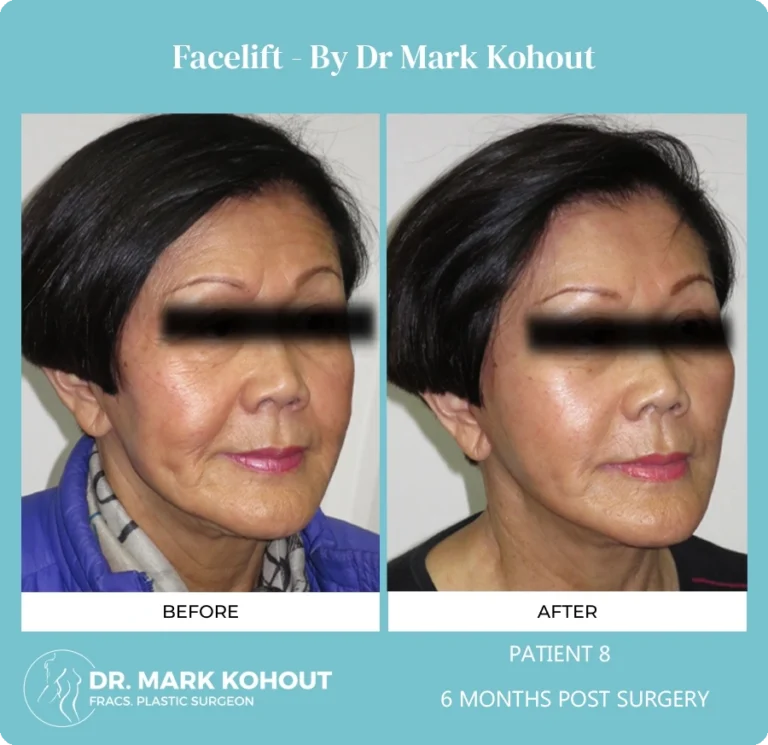
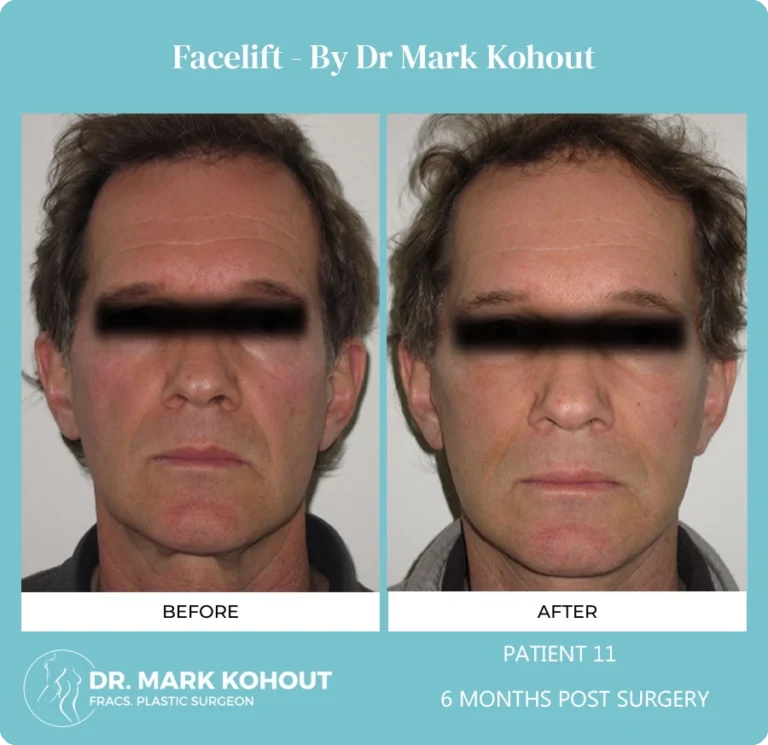
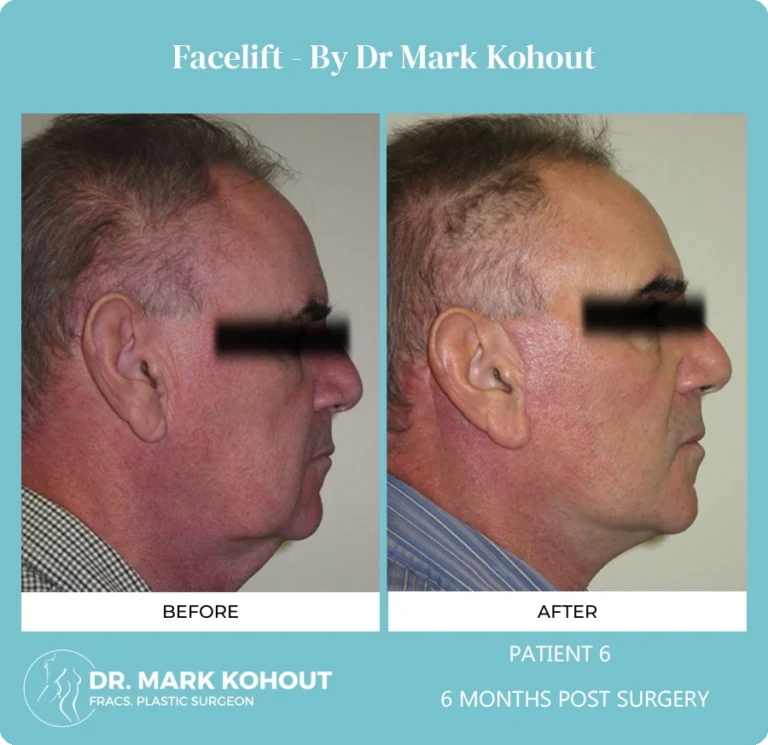
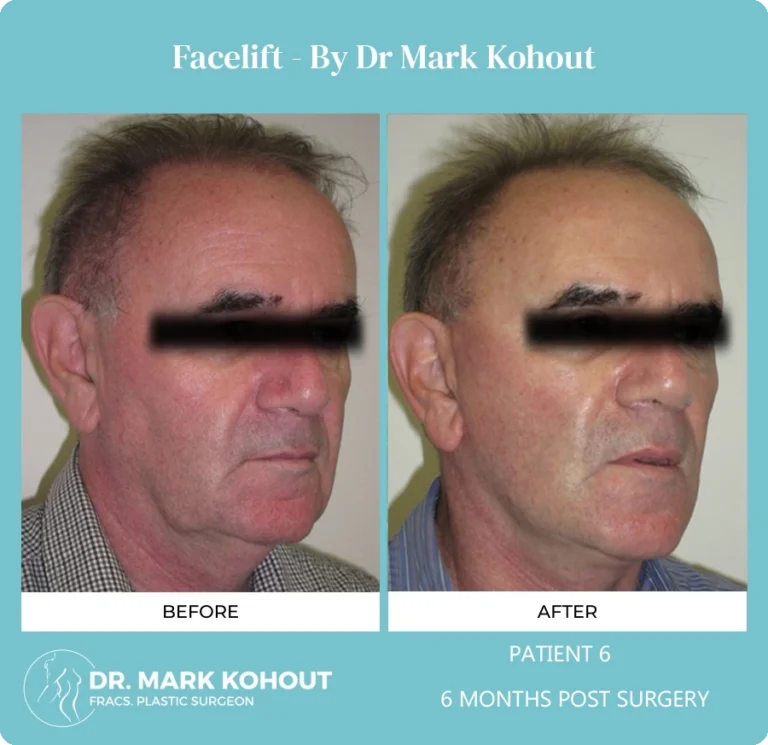
What is the difference between a neck lift and a facelift?
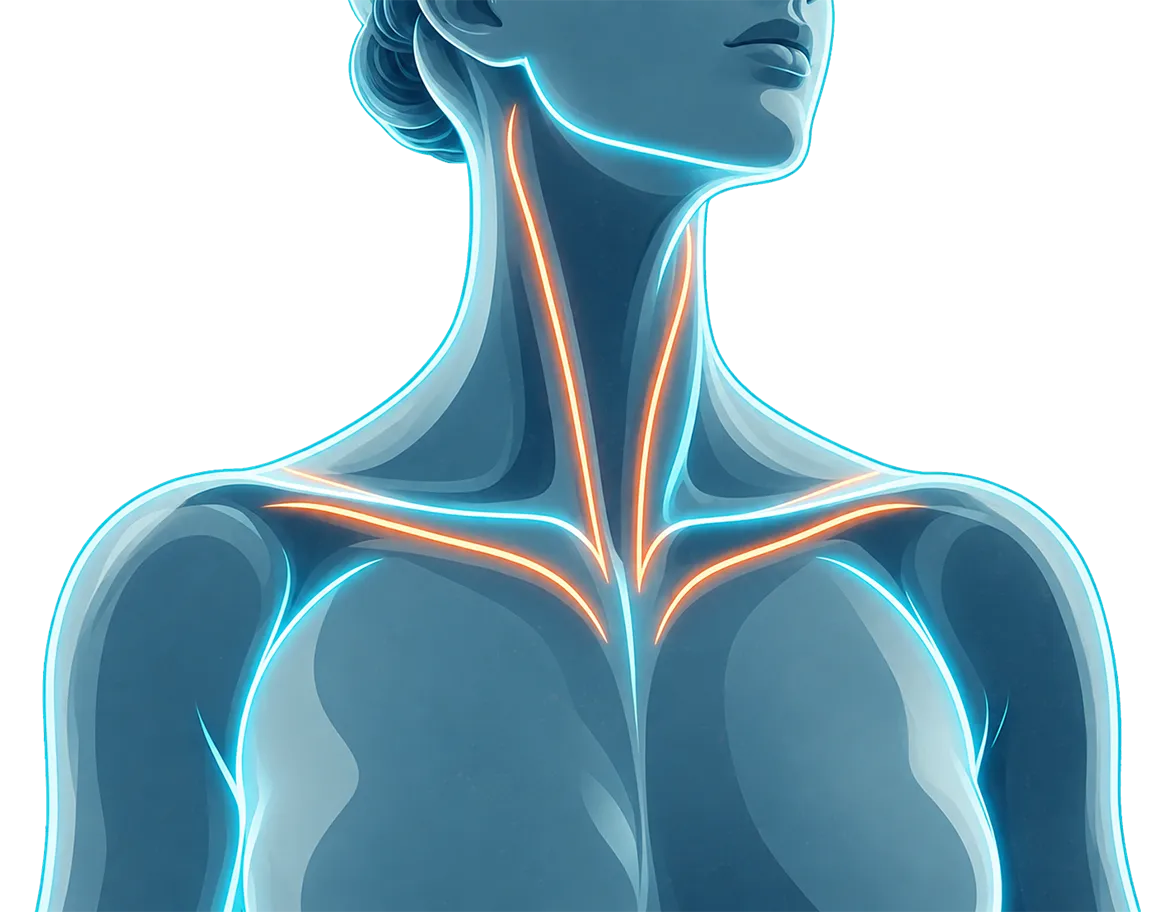
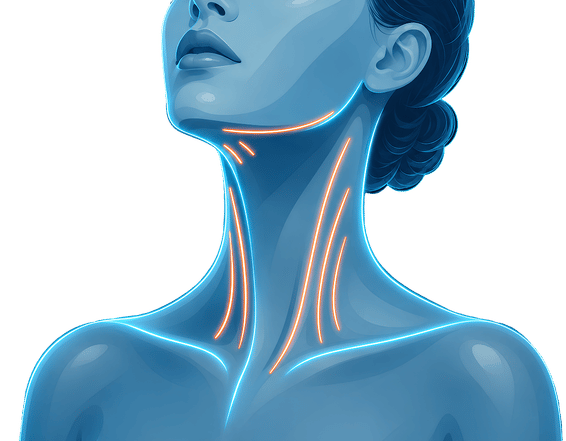
A neck lift focuses on tissues contributing to the contour of the neck and the region beneath the jaw.
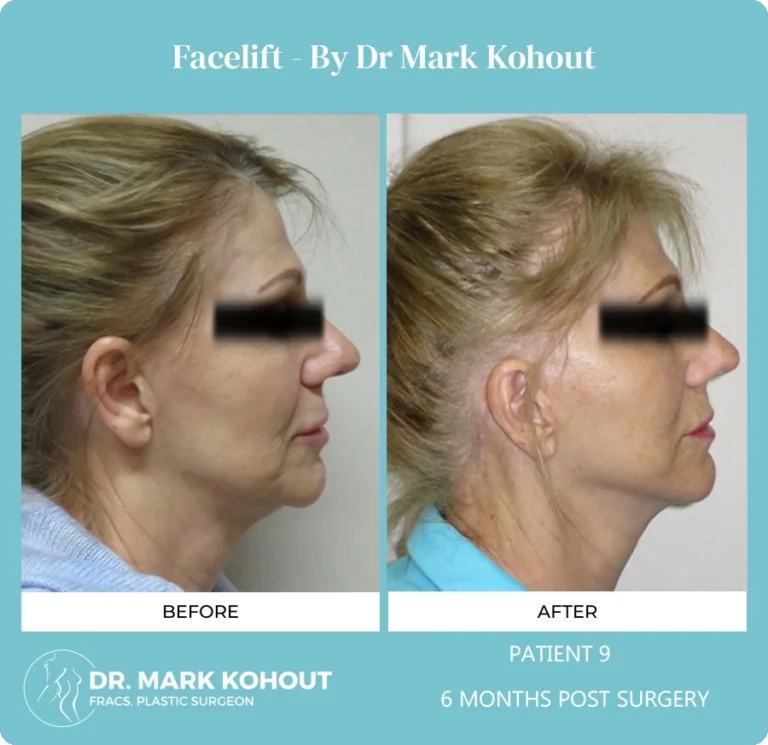
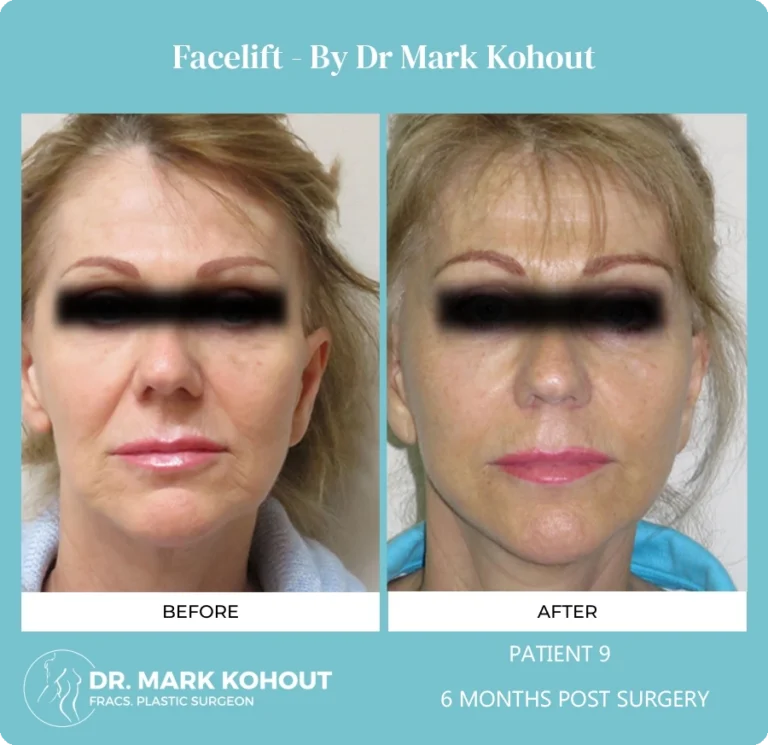
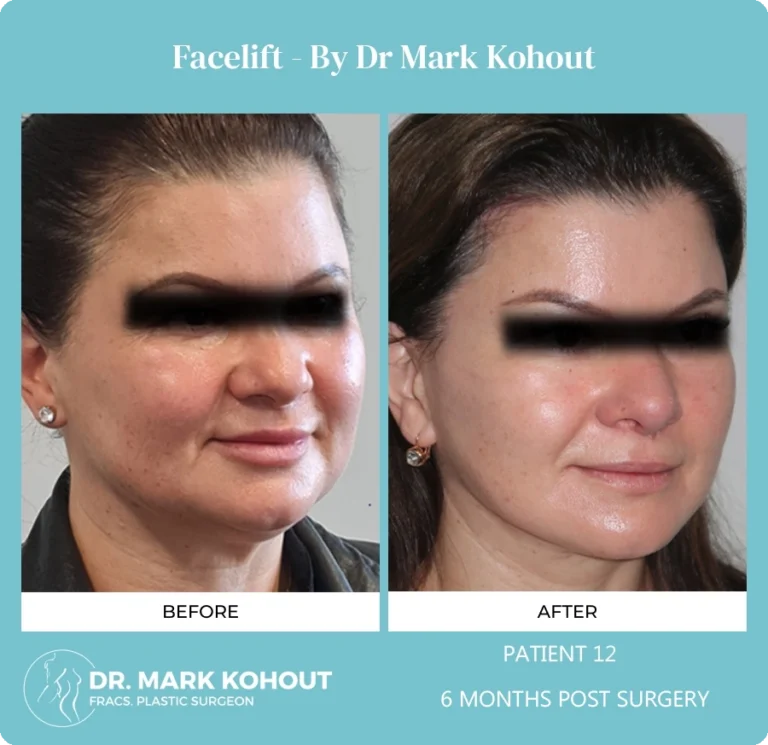
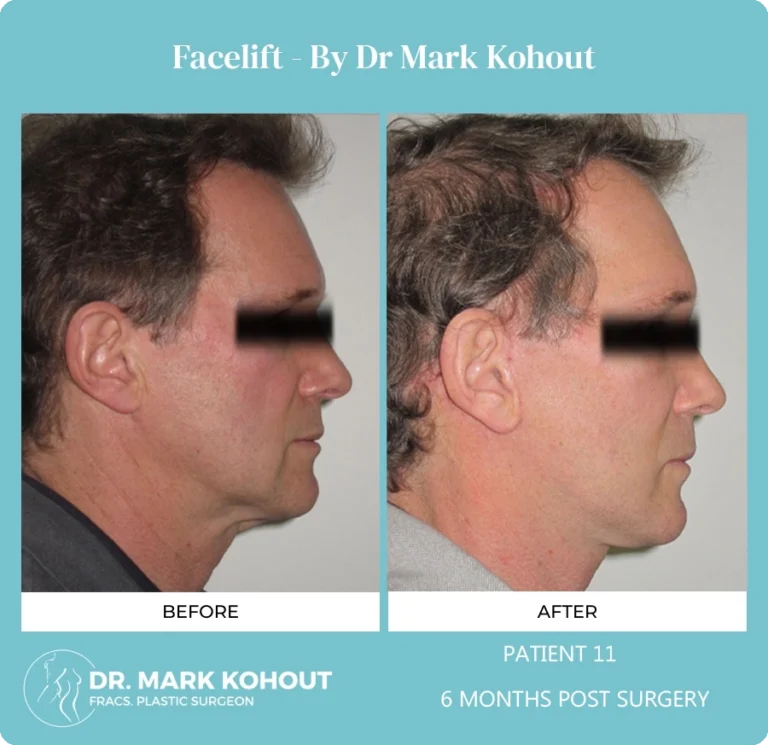
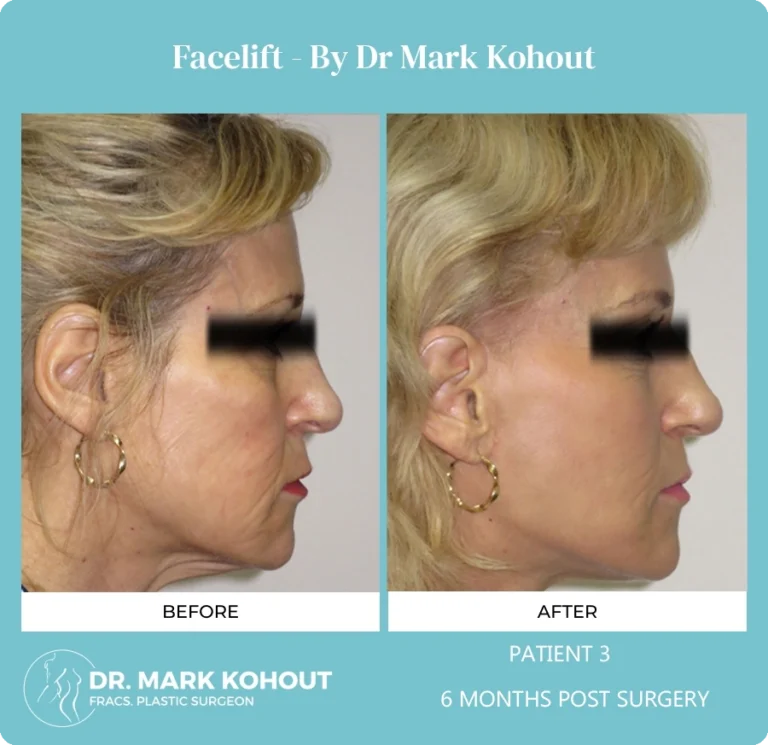
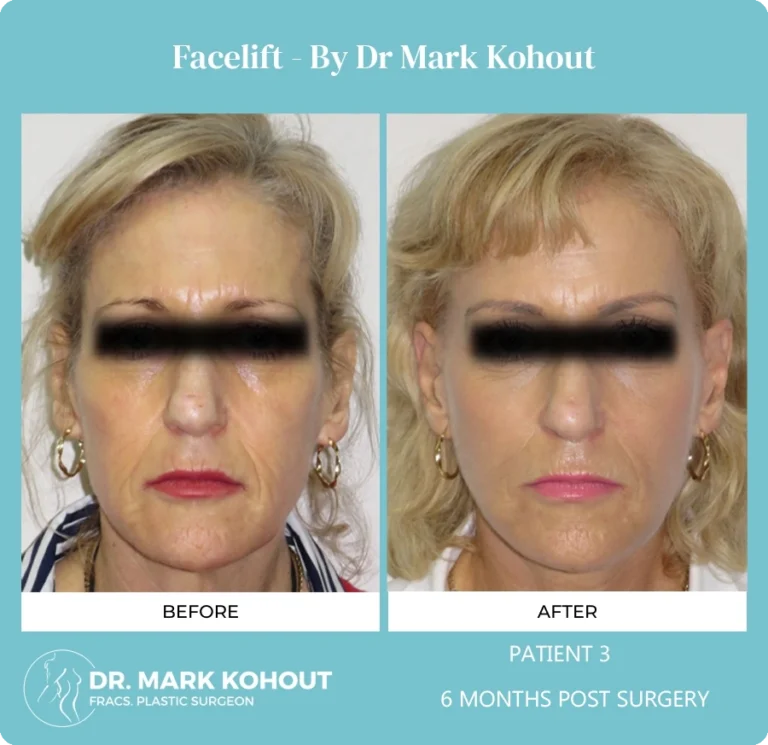
A facelift generally addresses changes in the lower face and may also involve neck tissues.
The procedures can overlap anatomically and may sometimes be performed together. The appropriate approach depends on the patient’s areas of concern and examination findings.
Can liposuction replace a neck lift?
Liposuction may reduce selected superficial fat deposits beneath the chin, but it does not remove excess skin or directly correct substantial muscle laxity.
Where skin laxity or platysma banding is a significant concern, liposuction alone may not achieve the intended change.
Is a neck lift always performed under general anaesthesia?
General anaesthesia is commonly used for more extensive neck lift procedures. Some limited operations may use other anaesthetic techniques in selected circumstances.
The decision depends on the planned operation, patient health and anaesthetic assessment.
How painful is neck lift surgery?
Discomfort, tenderness and tightness can occur after surgery. The type, intensity and duration of symptoms vary between patients.
Pain management is planned according to the operation and medical circumstances. Severe or worsening pain should be assessed.
How much time should I take off work?
Patients often need time away from work during early recovery.
Some may resume non-strenuous duties within approximately two weeks, but this is not a guaranteed timeframe. More extensive surgery, persistent swelling or physically demanding work may require a longer absence.
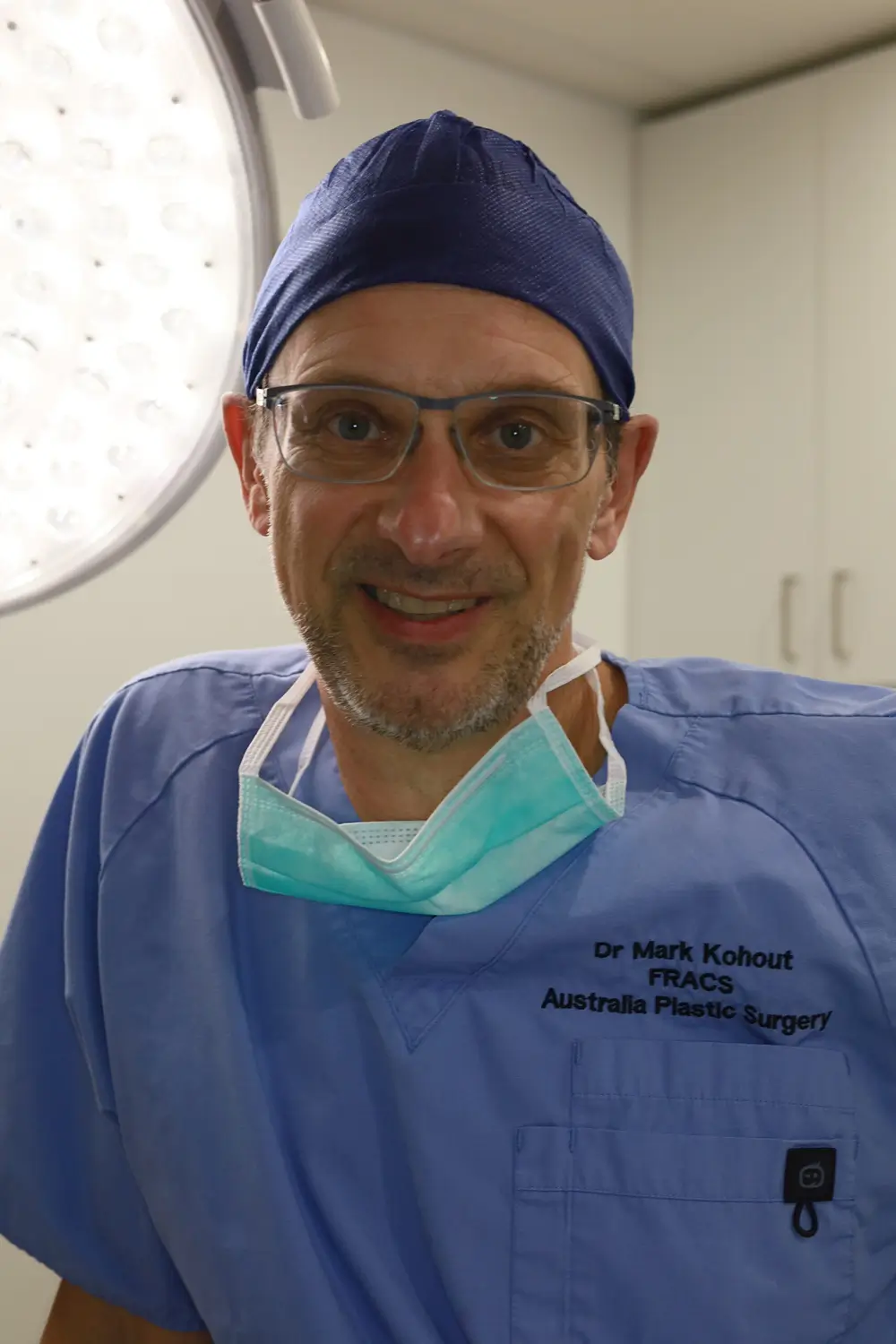
Dr Kohout can provide individual guidance based on the proposed procedure.
Where will my neck lift scars be?
Scars may be located around or behind the ears, within adjacent hair-bearing areas or beneath the chin.
The incision pattern depends on the surgical technique. All incisions produce permanent scars, and their eventual appearance varies.
Can a neck lift be performed without scars?
Surgical incisions produce scars. Although incision placement may help position scars within anatomical creases or less prominent areas, scar-free neck lift surgery should not be expected.
How long does swelling last?
Swelling is commonly most noticeable during early recovery and may reduce over the following weeks.
Residual swelling and changes in tissue firmness can continue for several months. The recovery pattern is influenced by the extent of surgery and individual healing.
Can neck lift surgery correct vertical neck bands?
Where visible bands are associated with the platysma muscle, surgical adjustment of the muscle may reduce their appearance.
The degree of change depends on muscle anatomy, skin quality and other contributing structures. Complete removal of all visible bands cannot be guaranteed.
Does a neck lift permanently remove excess neck skin?
Skin removed during surgery does not grow back in the same way. However, the remaining skin and tissues continue to change with ageing, weight variation and other factors.
Future skin laxity or contour changes may occur.
Is there an age limit for neck lift surgery?
There is no single age at which neck lift surgery becomes appropriate.
Suitability depends on anatomy, medical history, health, treatment goals and assessment of risks and expected benefits.
Age alone does not establish eligibility.
Can neck lift surgery be combined with other facial procedures?
A neck lift may sometimes be performed alongside a facelift or another facial procedure.
Combining operations requires consideration of surgical extent, anaesthesia, recovery and the cumulative risks.
Additional face procedures should only be considered when clinically appropriate following an individual assessment.