




Dr Mark Kohout

Exercise After Neck Lift Surgery Sydney: A Safe Return-To-Activity Guide

doctor working
Home » Blog » Exercise After Neck Lift Surgery Sydney: A Safe Return-To-Activity Guide
Exercise After Neck Lift Surgery Sydney A Safe Return-To-Activity Guide by Dr Mark Kohout

Table of Contents

Exercise After Neck Lift Surgery Sydney A Safe Return-To-Activity Guide banner by Dr Mark Kohout

Dr Mark Kohout FRACS is a Specialist Plastic Surgeon based in Broadway, Sydney, with experience in facial rejuvenation procedures including neck lift surgery. He understands that many active patients feel uncertain about when they can return to walking, gym training, cardio or strength work after neck lift surgery. Exercise after neck lift surgery is usually reintroduced gradually, beginning with gentle low-impact movement and progressing only when swelling, comfort and healing allow, with clearance from Dr Kohout’s surgical team.

A neck lift may involve tightening deeper tissues, altering the jawline and neck contour, addressing loose skin and placing incisions around the ears, under the chin or in natural creases. Because these areas move during daily activities, exercise needs to be resumed carefully rather than rushed. The challenge is that feeling well enough to move does not always mean the neck tissues, incisions and deeper support layers are ready for more strenuous activity. This guide provides general information for patients who want to understand how physical activity after neck lift surgery is usually approached.

Why Timing Matters After A Neck Lift

Exercise timing matters after a neck lift because the neck, jawline, incision sites and deeper support tissues need time to heal. Returning to strenuous activity too early may increase swelling, throbbing, tension or discomfort during the early recovery phase.

Important reasons to pace exercise include:

  • Exercise can raise blood pressure and increase swelling around the neck and lower face
  • Bending, lifting or straining may place tension on healing incisions
  • Neck, shoulder and upper-body movements can pull on sensitive tissues
  • Sweating may irritate healing skin or incision areas
  • Feeling more energetic does not always mean deeper tissues are ready
  • Combined procedures may require a more cautious return to activity

Dr Mark Kohout FRACS advises that exercise after neck lift surgery should be guided by healing progress, not a fixed website timeline. At his Broadway, Sydney practice, patients receive post-operative instructions based on their procedure, recovery and any additional procedures performed.

Low-Impact Activity In The Early Weeks

Low-impact movement is commonly reintroduced before cardio, gym training or strength work after neck lift surgery. For many patients, this means gentle walking rather than exercise that raises the heart rate or strains the neck and head.

Early low-impact activity may include:

  • Short, gentle walks around the home
  • Slow outdoor walks when comfortable and advised
  • Light daily movement that does not involve lifting or bending
  • Avoiding hills, heat, long distances and crowded areas early on
  • Stopping if swelling, throbbing, tightness or fatigue increases
  • Keeping movement easy rather than treating walking as a workout

Low-impact activity should still be approached carefully because symptoms can fluctuate during surgery recovery. Patients should follow Dr Kohout’s surgical team’s advice and avoid comparing their progress with another person’s timeline.

Download Dr Mark Kohout’s Facial Aesthetics Guide

Returning To Cardio And Strength Training

Cardio and strength training are usually reintroduced after low-impact movement has been tolerated and healing is progressing well. The timing should be confirmed by Dr Kohout’s surgical team, because return to exercise depends on swelling, incision healing, comfort, procedure extent and whether surgery was combined with other procedures.

A gradual return may involve:

  • Progressing from gentle walking to brisk walking before higher-intensity cardio
  • Delaying running, spin classes, HIIT and heavy resistance training until cleared
  • Avoiding breath-holding, straining or lifting loads that increase pressure in the head and neck
  • Being cautious with upper-body exercises that engage the neck, shoulders or jaw
  • Restarting with shorter, lighter sessions rather than pre-surgery intensity
  • Scaling back if swelling, throbbing, tightness or discomfort increases

Neck-focused or high-exertion exercise is usually reintroduced later than general light movement. Patients should ask about their specific routine, including gym training, running, Pilates, yoga, swimming or sport, before restarting.

Signs You’re Doing Too Much, Too Soon

Patients may be doing too much too soon if activity increases swelling, discomfort or unusual symptoms after neck lift surgery. These signs do not always mean there is a complication, but they should prompt patients to reduce activity and seek advice if symptoms persist or feel concerning.

Possible signs to watch for include:

  • Increased swelling, pressure or tightness around the neck or jawline
  • Throbbing that does not settle with rest
  • New bleeding, wound drainage or sudden bruising
  • Increasing pain or sharp discomfort during activity
  • Dizziness, faintness or feeling unusually unwell
  • Fever, spreading redness, shortness of breath or chest pain

Any concerns after exercise should be raised directly with Dr Kohout’s Broadway Sydney practice. Urgent symptoms such as chest pain, breathing difficulty, heavy bleeding or sudden severe swelling require immediate medical attention.

Signs You’re Doing Too Much Exercise after Neck Lift Surgery Infographic
Signs You’re Doing Too Much Exercise after Neck Lift Surgery

Next Step: Discuss Exercise After Neck Lift With Dr Mark Kohout ​

A safe return to exercise after neck lift surgery should be based on individual healing, not a generic timeline. Dr Mark Kohout FRACS can discuss physical activity after neck lift surgery during consultation and follow-up appointments at his Broadway, Sydney practice.

Patients can ask about:

  • When gentle walking may be appropriate
  • When gym training, cardio or strength work may resume
  • Whether yoga, Pilates, swimming or sport needs extra caution
  • How swelling or bruising may affect exercise timing
  • What warning signs should prompt scaling back
  • How combined procedures may change recovery advice

Patients who exercise regularly should mention their usual routine before surgery so recovery advice can be tailored to their needs. Personalised guidance helps support a gradual, safety-first return to activity after neck lift surgery.

FAQs About Exercise After Neck Lift​

When can I walk after a neck lift?

Many patients are encouraged to start gentle walking early in recovery, but this should be light movement rather than cardio exercise. The timing and amount of walking should follow the instructions provided by Dr Kohout’s surgical team.

When can I go back to the gym after a neck lift?

Gym training is usually reintroduced gradually after early healing is progressing well and the patient has been reviewed. Patients should avoid returning to heavy weights, high-intensity classes or strenuous upper-body training until they have been cleared.

Can I run after neck lift surgery?

Running is usually delayed until the neck tissues, incisions and swelling are more settled. Patients should ask Dr Kohout’s team before returning to running, especially if they notice throbbing, tightness or swelling after lighter activity.

Can I lift weights after a neck lift?

Weight training can increase pressure through the head, neck and upper body, so it should be approached carefully. Heavy lifting, breath-holding and shoulder-heavy exercises should wait until Dr Kohout’s surgical team confirms it is safe.

Can exercise make swelling worse after a neck lift?

Exercise can temporarily increase swelling, tightness or throbbing if it raises blood pressure or places strain on healing tissues. If this happens, patients should reduce activity and contact Dr Kohout’s Broadway, Sydney practice if symptoms persist or feel unusual.

Should I stop exercising if my neck feels tight?

Patients should stop or reduce activity if neck tightness increases during or after exercise. Mild tightness can occur during recovery, but worsening pressure, swelling, pain or sudden bruising should be checked with the clinic.

When can I do yoga or Pilates after a neck lift?

Yoga and Pilates may need extra caution because some movements involve bending, inversion, neck rotation or core strain. Patients should avoid heated classes and head-down positions until Dr Kohout’s team has confirmed these activities are appropriate.

What should I do if I feel unwell after exercising?

Patients should stop exercising and rest if they feel dizzy, faint, unusually tired or notice increased swelling or pain. Chest pain, shortness of breath, heavy bleeding or sudden severe swelling requires urgent medical attention.

Medical References

Further Reading​

Related Blog Posts

Recovery After Facelift Surgery: An In-Depth Overview and Timeline

Recovery After Facelift Surgery: An In-Depth…

Undergoing facelift surgery is a significant decision that requires careful consideration. However, the journey doesn’t end when you leave the operating theatre. While the procedure aims to create a refreshed…

Different Techniques for SMAS Facelift

Different Techniques for SMAS Facelift

SMAS in Facelift Surgery: Insights from Dr Mark Kohout A facelift is a widely performed procedure aimed at addressing the face and neck areas. In this blog, Sydney Plastic Surgeon Dr Mark Kohout will…

Cost of a Facelift in Sydney

Cost of a Facelift in Sydney

How Much Does a Facelift Cost in Sydney? This guide to facelift costs in Sydney has been written by Dr Mark Kohout, a specialist plastic surgeon based in Sydney, Fellow…
Dr. Mark Kohout

Experienced Plastic Surgeon

Dr. Mark Kohout

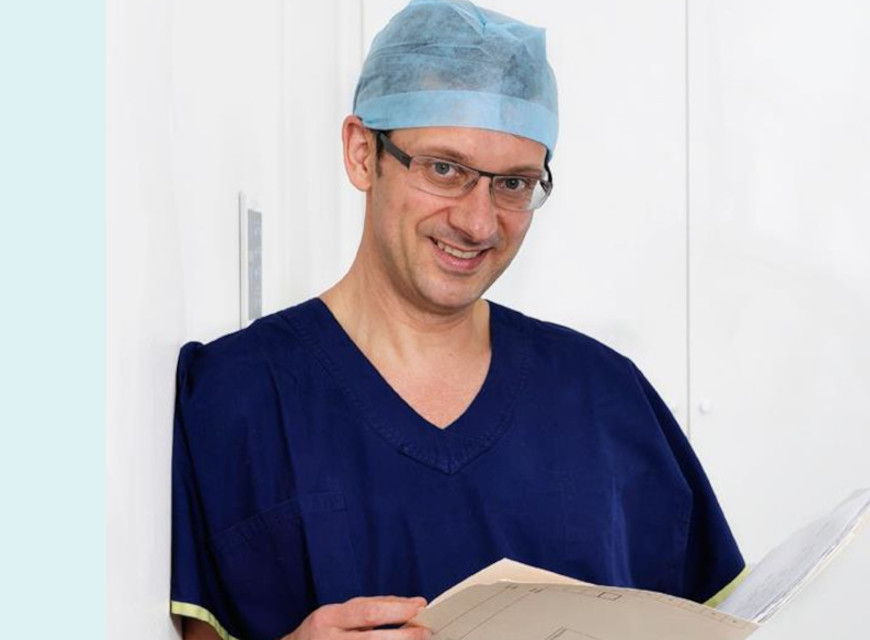
A qualified plastic surgeon who operates with care and integrity, based in central Sydney with over 20 years of experience in the cosmetic field. His extensive training and experience assures patients they are in highly trained surgical hands. Dr. Kohout is a dedicated, friendly professional who is committed to providing the high quality care, support and results, alongside his compassionate team.

Dr Mark Kohout (MED0001133000)
Specialist Plastic Surgeon
Specialist registration in Surgery – Plastic Surgery

This website contains imagery which is only suitable for audiences 18+. All surgery contains risks, read more here.

X

Get Your Facial Aesthetic

Get Your Breast Implant Removal

Get Your Female Genital Surgery Guide

Get Your Excess Skin Guide

Get Your Gynaecomastia Guide

Get Your Liposuction Guide

Get Your Abdominoplasty Guide

Get Your Cost of Surgery Guide

Get Your Breast Implant Replace Guide

Get Your Breast Reduction Guide

Get Your Breast Augmentation Guide

Make an Enquiry