

Many patients want to know what is normal after a neck lift, and Dr Mark Kohout FRACS, a Specialist Plastic Surgeon based in Sydney, offers professional advice, with his experience in facial procedures including neck lift surgery. Neck lift swelling and bruising commonly improve over the first few weeks, but individual healing varies and deeper swelling, tightness or firmness may take longer to settle.
For those interested in neck lift surgery, swelling and bruising after neck lift surgery can feel confronting because they are visible, change from day to day, and may make the neck feel tight, full, or uneven. It’s understandable to be concerned about how long these changes may last and when to contact the clinic for advice. This article provides general information for patients researching neck lift recovery or recovering after surgery. It does not replace personalised post-operative instructions from Dr Kohout or his clinical team, as recovery guidance depends on the procedure performed, the patient’s healing progress and any concerns that arise during follow-up.
What’s Normal In The First Week
Swelling and bruising commonly appear during the first week after neck lift surgery, especially around the jawline, under the chin and along the neck. These changes can look uneven or more noticeable on some days, which is why patients should follow their post-operative instructions rather than judging recovery too early.
Common early recovery patterns may include:
- Swelling around the lower face, jawline, under the chin or neck
- Bruising near incision areas, under the chin or along the neck
- Tightness, fullness or a firm feeling in the neck tissues
- Bruising that becomes more visible before it begins to fade
- Mild unevenness between the left and right sides
- Symptoms that fluctuate with activity, positioning or gravity
These early changes do not automatically mean something has gone wrong. However, patients should contact Dr Kohout’s Sydney practice if swelling or bruising feels sudden, severe, increasingly painful or different from the recovery guidance they were given.
How Long Swelling And Bruising Typically Last
Visible bruising after a neck lift often improves earlier than deeper swelling, although individual healing varies. Swelling may continue to fluctuate after bruising fades because the deeper tissues, incision areas and support layers need more time to settle.
A general recovery pattern may include:
- Bruising that changes colour as it fades, such as purple, blue, green, yellow or brown tones
- Bruising that may appear to move lower on the neck or upper chest due to gravity
- Swelling that is more noticeable after activity, heat, long periods upright or reduced elevation
- Mild firmness, tightness or numbness that may last longer than visible bruising
- Gradual softening of the neck tissues over time
- Final contour settling that takes longer than the early visible recovery stage
Patients should avoid treating any timeframe as a guarantee, because bruising tendency, skin type, surgical extent and individual healing all influence recovery. Dr Kohout’s clinical team can provide more specific guidance during follow-up based on how the neck is healing.
General Comfort Measures During Recovery
General comfort measures after a neck lift should focus on supporting healing without using unapproved products or techniques. Patients should follow Dr Kohout’s post-operative instructions carefully, especially for dressings, compression, activity limits and follow-up appointments.
Comfort measures may include:
- Keeping the head elevated as instructed during early recovery
- Resting and avoiding overexertion while swelling and bruising are active
- Taking short, gentle walks if advised by the clinical team
- Avoiding bending forward, heavy lifting or straining
- Following compression garment or dressing instructions exactly
- Checking with Dr Kohout’s team before using supplements, cold packs or bruise remedies
Patients should avoid assuming that a product or home remedy will reduce bruising faster, especially if it has not been recommended by the care team. Natural supplements and over-the-counter products can still affect bleeding, bruising, medication safety or wound healing, so they should be discussed first.
When Swelling Or Bruising Needs Medical Attention
Most swelling and bruising after a neck lift improves gradually, but some changes should be assessed by a medical professional. Patients should contact Dr Kohout’s Sydney practice if symptoms feel unusual, worsen suddenly or do not match the instructions they were given.
Concerning symptoms may include:
- Sudden increase in swelling, especially if it is one-sided
- Severe or worsening pain around the neck, jawline or incision areas
- Heavy bleeding, new wound drainage or rapidly expanding bruising
- Fever, chills, spreading redness, warmth, pus or feeling increasingly unwell
- Sudden tightness, pressure or asymmetry that feels different from usual swelling
- Shortness of breath, chest pain, fainting or other urgent symptoms
This section is not intended to help patients diagnose themselves at home. If symptoms feel concerning, it is safer to contact Dr Kohout’s team directly, and urgent symptoms such as chest pain, breathing difficulty, heavy bleeding or fainting should be treated as medical emergencies.
Contact Dr Mark Kohout’s Sydney Practice With Recovery Questions
If you are recovering from neck lift surgery and are unsure whether swelling or bruising is expected, contact Dr Mark Kohout’s Sydney practice for personalised advice. Recovery patterns vary, and the safest guidance is based on your procedure, symptoms and follow-up plan.
Patients considering neck lift surgery can also ask about swelling, bruising, recovery timelines and aftercare during consultation. Understanding what may happen during recovery can make the process feel more organised and less uncertain.
FAQs About Neck Lift Swelling And Bruising
Is it normal for bruising to look worse before it gets better?
Bruising can often become more visible before it starts to fade because blood pigments change colour as they break down. If bruising rapidly expands, becomes very painful or appears with sudden swelling, contact Dr Kohout’s Sydney practice.
Why is one side more swollen than the other after a neck lift?
Mild uneven swelling can occur because both sides of the neck may heal at different speeds. Sudden one-sided swelling, tightness, increasing pain or a marked change from your expected recovery pattern should be checked.
How long does neck tightness last after surgery?
Neck tightness can continue after visible bruising improves because deeper swelling and tissue healing take longer to settle. If tightness becomes sudden, severe or associated with pain, redness or breathing symptoms, seek medical advice promptly.
Can I use arnica or supplements for bruising?
Do not start arnica, bromelain, herbal products or other supplements without checking with Dr Kohout’s team first. Evidence for these products can be limited, and some may affect bleeding, bruising, medication safety or healing.
Does sleeping position affect swelling after a neck lift?
Sleeping position can influence swelling because gravity and fluid movement affect the lower face and neck during recovery. Patients should follow the head elevation and positioning instructions provided by Dr Kohout’s clinical team.
When should I call the clinic about swelling or bruising?
Call the clinic if swelling or bruising is sudden, worsening, one-sided, very painful or associated with bleeding, wound drainage, fever, redness or feeling unwell. Chest pain, shortness of breath, fainting, heavy bleeding or severe sudden swelling should be treated as urgent medical concerns.
Medical References
- Neck Lift Post-Operative Instructions – University of Michigan Health. https://patiented.uofmhealth.org/Portal/Default/en-US/RecordView/Index/2870
- Cosmeceuticals and Other Techniques to Reduce Bruising From Surgical and Cosmetic Procedures – Dermatological Reviews. https://onlinelibrary.wiley.com/doi/full/10.1002/der2.70013
- Optimizing Outcomes in Neck Lift Surgery – Aesthetic Surgery Journal. https://academic.oup.com/asj/article-abstract/41/8/871/6129054
Further Reading
- Read Dr Kohout’s Procedure Page on Facelift Sydney
- Read Dr Kohout’s Blogs about Managing Facelift Scars: A Comprehensive Guide
Related Blog Posts
Recovery After Facelift Surgery: An In-Depth…
Undergoing facelift surgery is a significant decision that requires careful consideration. However, the journey doesn’t end when you leave the operating theatre. While the procedure aims to create a refreshed…
Different Techniques for SMAS Facelift
SMAS in Facelift Surgery: Insights from Dr Mark Kohout A facelift is a widely performed procedure aimed at addressing the face and neck areas. In this blog, Sydney Plastic Surgeon Dr Mark Kohout will…

Cost of a Facelift in Sydney
How Much Does a Facelift Cost in Sydney? This guide to facelift costs in Sydney has been written by Dr Mark Kohout, a specialist plastic surgeon based in Sydney, Fellow…
Experienced Plastic Surgeon
Dr. Mark Kohout
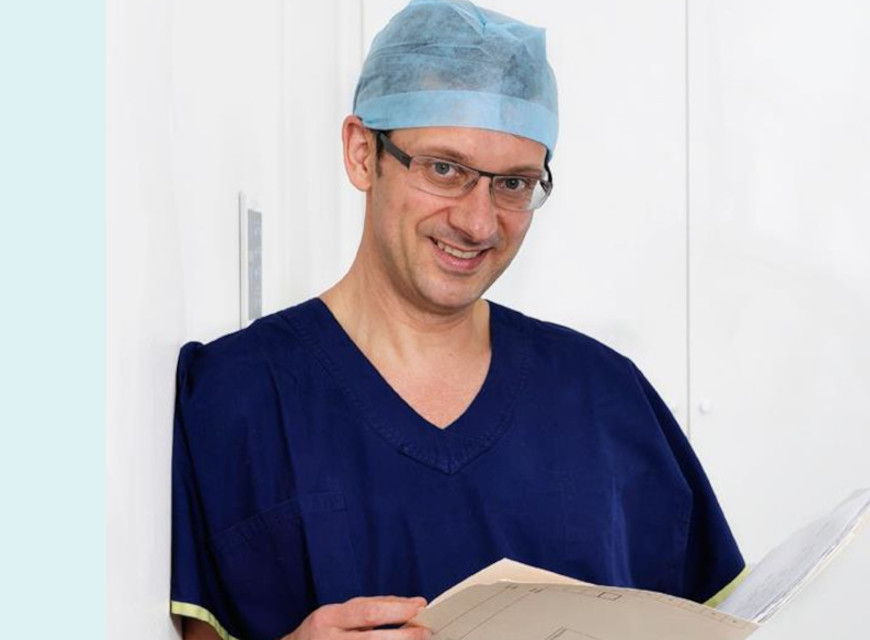
A qualified plastic surgeon who operates with care and integrity, based in central Sydney with over 20 years of experience in the cosmetic field. His extensive training and experience assures patients they are in highly trained surgical hands. Dr. Kohout is a dedicated, friendly professional who is committed to providing the high quality care, support and results, alongside his compassionate team.
Dr Mark Kohout (MED0001133000)
Specialist Plastic Surgeon
Specialist registration in Surgery – Plastic Surgery