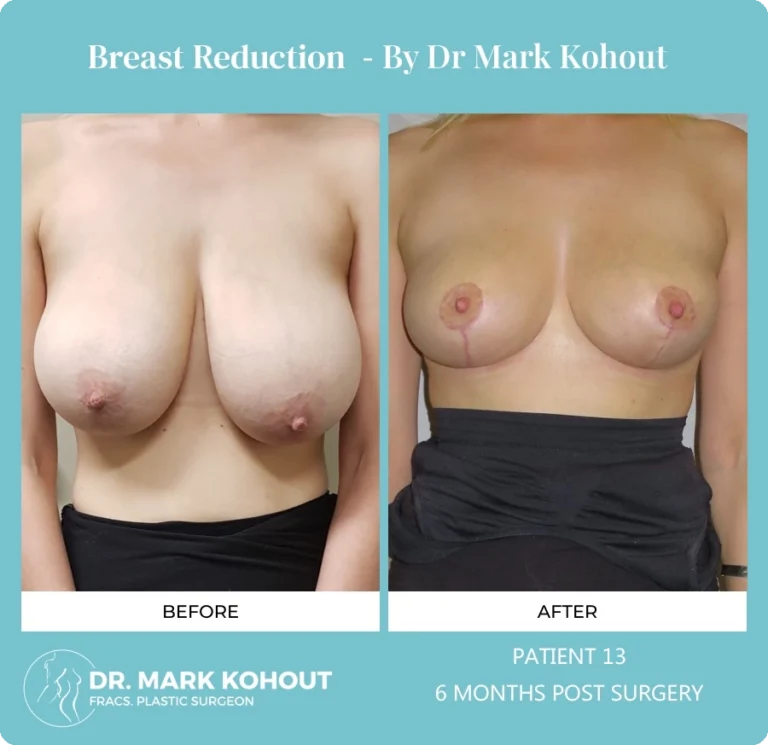
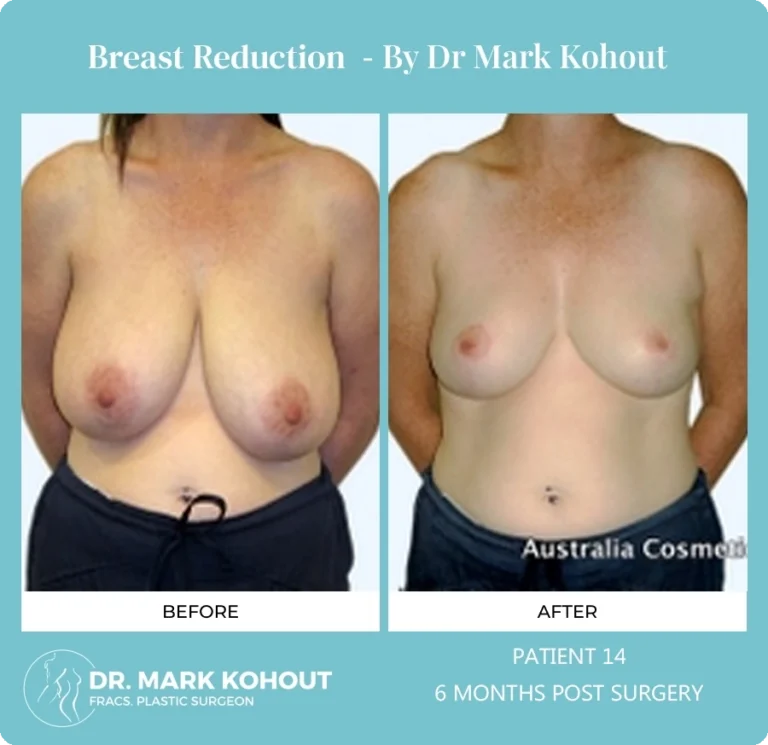
Breast Reduction Sydney

With Dr. Mark Kohout

Breast Reduction Cost Must head Image - Mark Kohout

Dr Mark Kohout, MBBS, FRACS (Plast), is a Specialist Plastic Surgeon who provides consultation and surgical assessment for breast reduction in Sydney. Breast reduction surgery, also known as reduction mammoplasty, reduces breast size and weight by removing breast tissue, fat and excess skin. It may be considered by patients experiencing physical symptoms or practical concerns associated with larger breasts, including back, neck or shoulder discomfort, bra strap pressure, skin irritation beneath the breast fold, or difficulty with some physical activities.

For suitable patients, breast reduction aims to reduce breast size and weight and may address some of these physical or functional concerns. Outcomes vary according to individual anatomy, the extent of surgery, healing and other clinical factors.

Dr Kohout has AHPRA registration number MED0001133000 and consults from his Sydney clinic in Glebe and Orange clinic in NSW. Where appropriate, surgery is performed in accredited Sydney hospital facilities. Listed facilities used by the practice include The Sydney Private Hospital in Ashfield and Hunters Hill Private Hospital.

Breast Reduction at a Glance

Breast Reduction Overview

Procedure

Breast reduction, also called reduction mammoplasty

Purpose

To reduce breast size and weight by removing breast tissue, fat and excess skin

Anaesthesia

Usually general anaesthesia

Hospital Stay

May involve day surgery or an overnight stay depending on the procedure and individual circumstances

Scars

Expected and dependent on the incision pattern and individual healing

Recovery

2-6 wks varies according to the extent of surgery, healing, work and activity requirements

Breastfeeding

Future breastfeeding ability may be affected

Sensation

Nipple or breast sensation may change

Medicare/private health

A contribution may be available in selected circumstances if relevant criteria are met

Suitability

Requires individual consultation and clinical assessment

What Is Breast Reduction Surgery?

Breast reduction surgery removes a planned amount of breast tissue, fat and excess skin to reduce breast size and weight. The remaining breast tissue is reshaped, and the nipple and areola are commonly repositioned as part of the operation.

The amount of reduction and the surgical approach depend on factors including breast size, skin quality, nipple position, breast asymmetry, body proportions, symptoms and the patient’s individual circumstances.

Breast reduction is therefore not performed in exactly the same way for every patient. The surgical plan is determined following clinical assessment.

What the Procedure May Involve

  • Removal of breast tissue, fat and excess skin
  • Reshaping of the remaining breast tissue
  • Repositioning of the nipple and areola
  • Different amounts of tissue removal from each breast where asymmetry is present
  • Incisions and scars determined by the surgical approach
Breast Reduction Surgery

Why Might I Consider Breast Reduction?

Patients may seek consultation because of physical symptoms, practical difficulties or concerns related to breast size.

Larger breasts may be associated with neck, back or shoulder discomfort, pressure from bra straps, irritation beneath the breast fold or difficulty participating comfortably in some forms of physical activity.

Some patients also experience difficulty finding supportive bras or clothing that accommodates their breast size. These concerns can be discussed during consultation to determine whether breast reduction may be an appropriate treatment option.

Reasons Patients May Seek Assessment

  • Neck, shoulder or back discomfort
  • Pressure or indentations from bra straps
  • Irritation or moisture-related skin problems beneath the breast fold
  • Breast movement or discomfort during some physical activities
  • Difficulty finding appropriately supportive bras
  • Concerns about breast size in relation to body proportions 

How Do I Know if Breast Reduction Is Right for Me?

Breast reduction may be considered for adults who are in suitable general health, have completed breast development and understand the potential scars, recovery requirements, limitations and risks of surgery.

Weight stability may be relevant because significant weight change can affect breast volume and may influence surgical planning. Future pregnancy may also alter breast size and shape after surgery.

Smoking and nicotine use are particularly important considerations because they can interfere with blood supply and wound healing and are associated with a higher risk of some postoperative complications.

Factors Considered When Assessing Suitability

Dr Kohout may consider:

  • Your medical history and general health
  • Current medications and supplements
  • Breast size, shape and asymmetry
  • Skin quality
  • Nipple and areola position
  • Physical symptoms
  • Previous breast surgery
  • Smoking or nicotine use
  • Weight stability
  • Pregnancy and breastfeeding plans
  • Your understanding of scars, risks and recovery
  • Your expectations of what surgery can and cannot change

What Happens at My First Breast Reduction Consultation?

Your consultation is an opportunity to explain your symptoms, concerns and reasons for considering breast reduction.

Dr Kohout will review relevant medical history and assess your breast anatomy. This may include breast measurements, skin quality, nipple position, asymmetry and overall body proportions.

The consultation should also cover the proposed surgical approach, expected scar pattern, anaesthesia, hospital arrangements, recovery, risks, possible complications, costs and alternatives.

What Your Consultation May Include

  • Discussion of your symptoms and treatment goals
  • Review of medical history, medications and allergies
  • Physical examination and breast measurements
  • Assessment of breast asymmetry and skin quality
  • Discussion of possible surgical approaches
  • Explanation of expected scars
  • Discussion of breastfeeding and sensation changes
  • Review of recovery requirements
  • Explanation of risks and possible complications
  • Discussion of costs and possible Medicare or private health considerations

A consultation does not obligate you to proceed with surgery.

How Should I Prepare for Breast Reduction Surgery?

Preparation depends on your medical history and planned procedure. Dr Kohout will provide individual preoperative instructions if surgery is scheduled.

Your medications, supplements and allergies should be reviewed before surgery. Some medicines or supplements may require adjustment, but changes should only be made on appropriate medical advice.

Smoking or nicotine use may need to stop before and after surgery because nicotine can interfere with blood supply and wound healing.

Patients should also plan practically for the early recovery period, including transport from hospital and appropriate assistance at home if required.

Preparing for Your Procedure

Preoperative planning may include:

  • Reviewing medications and supplements
  • Following instructions regarding fasting before anaesthesia
  • Stopping smoking or nicotine as advised
  • Arranging transport after hospital discharge
  • Organising assistance during the early recovery period where needed
  • Preparing suitable clothing and postoperative garments
  • Following any instructions regarding breast imaging or other investigations

Individual instructions may differ depending on your health and surgical plan.

What Breast Reduction Technique Might Be Used for Me?

There are different ways to perform breast reduction. The surgical approach depends on factors such as breast size, skin excess, nipple position, degree of reduction required and individual anatomy.

Common skin incision patterns include an inverted-T or anchor pattern and, in selected patients, a vertical pattern.

The incision pattern is only one component of the operation. The internal arrangement of breast tissue and the method used to maintain blood supply to the nipple and areola are also part of surgical planning.

No single technique is appropriate for every patient.

How the Surgical Approach Is Planned

Planning may take into account:

  • Breast size and volume
  • Degree of skin excess
  • Nipple and areola position
  • Breast asymmetry
  • Amount of tissue expected to be removed
  • Tissue and skin characteristics
  • Expected scar pattern
  • Preservation of blood supply to the nipple and areola
  • Individual risk factors

Dr Kohout can explain the proposed approach and expected scars after examining your anatomy.

Breast Reduction Cost Laser style Featured image - Mark Kohout

What Happens During Breast Reduction Surgery?

Breast reduction is usually performed under general anaesthesia in an accredited hospital or surgical facility.

Incisions are made according to the planned technique. Breast tissue, fat and excess skin are removed as required, and the remaining breast tissue is reshaped.

The nipple and areola may be moved to a different position as part of the procedure. The incisions are then closed and dressings applied.

A postoperative support garment may be recommended. Other aspects of postoperative care depend on the surgical plan and individual circumstances.

What Scars Can I Expect After Breast Reduction?

Scars are an unavoidable part of breast reduction surgery.

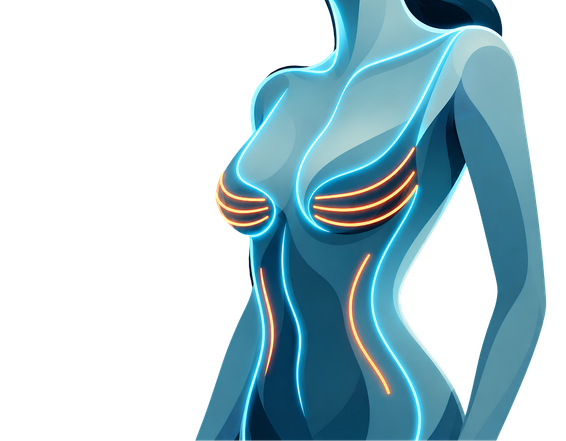
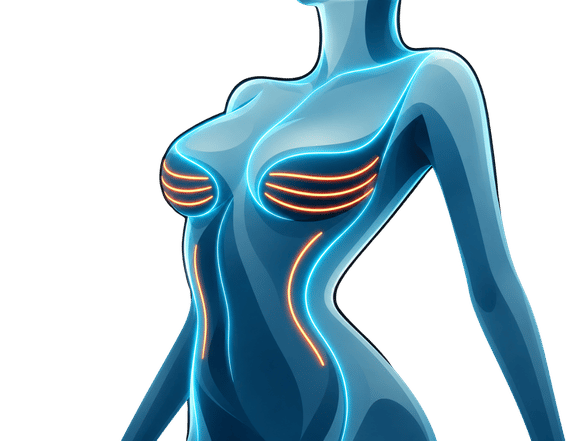
The location and length of the scars depend primarily on the incision pattern required. Depending on the surgical approach, scars may be located around the areola, extend vertically from the areola towards the breast fold, and sometimes continue horizontally along the breast fold.

Scars generally change in appearance as healing progresses. They may initially appear red, raised, firm, sensitive or darker than surrounding skin before changing over time. The final appearance varies between patients.

Some people develop widened, raised or otherwise noticeable scars despite appropriate surgical care.

Factors That Can Affect Scarring

These may include:

  • Incision pattern
  • Individual healing characteristics
  • Skin type
  • Wound healing problems
  • Infection
  • Tension on the healing incision
  • Smoking or nicotine exposure
  • Previous scarring history

Scar management can be discussed as part of postoperative care.

What Will My Recovery Be Like After Breast Reduction?

Recovery after breast reduction surgery varies between patients and should not be expected to follow an identical timeline.

During the early recovery period, swelling, bruising, tightness, tenderness, altered sensation and discomfort can occur. Dressings and a surgical or supportive bra may be used.

Activity is generally restricted during early healing. Heavy lifting, strenuous exercise and some other activities may need to be avoided until advised otherwise.

Follow-up appointments allow healing and wounds to be assessed and provide an opportunity to discuss activity, garments, work, exercise and any concerns.

Early Recovery

During the first stage of recovery, patients may experience:

  • Swelling
  • Bruising
  • Breast tightness or tenderness
  • Wound sensitivity
  • Temporary numbness or altered sensation
  • Reduced upper-body activity
  • The need for dressings or a support garment

Returning to Work and Exercise

There is no single return-to-work or exercise timeframe that applies to everyone.

Timing depends on:

  • The extent of surgery
  • Individual healing
  • The type of work performed
  • Whether the job involves lifting or physical activity
  • Wound progress
  • Postoperative symptoms
  • Dr Kohout’s postoperative assessment

Patients should follow individual postoperative advice rather than relying on a fixed recovery timeline.

When Should I Contact the Surgical Team After Surgery?

Patients receive individual postoperative instructions, including information about when to contact the practice.

Symptoms that may require prompt medical review can include increasing redness around an incision, significant bleeding, worsening or unexpected pain, fever, shortness of breath, increasing swelling or other symptoms that appear concerning or are worsening.

Seek Advice if You Are Concerned About

  • Increasing or spreading redness
  • Significant or persistent bleeding
  • Increasing pain or tenderness
  • Fever or chills
  • Unexpected wound discharge
  • Wound separation
  • Marked or rapidly increasing swelling
  • Shortness of breath
  • Any postoperative symptom that is worsening or causing concern

These examples do not replace the postoperative instructions provided by your surgical team. Urgent or severe symptoms may require emergency medical assessment.

Breast Implant Removal and Replacement Banner Image

What Changes May Occur After Breast Reduction?

The intended physical change is a reduction in breast size and weight. Breast proportions, breast position and nipple position may also change as part of the operation.

Some patients may experience less pressure from bra straps, reduced irritation beneath the breast fold or greater comfort during selected activities. The extent of these changes varies.

Surgery cannot guarantee a particular bra size, breast shape, degree of symmetry or symptom response.

Possible Physical and Practical Changes

These may include:

  • Reduced breast volume and weight
  • A change in breast proportions
  • A different nipple and areola position
  • Changes in how bras or clothing fit
  • Reduced breast movement during some activities
  • Less pressure beneath bra straps in some patients
  • Reduced irritation beneath the breast fold in some patients

Individual outcomes cannot be predicted precisely before surgery.

What Are the Risks and Possible Complications of Breast Reduction?

All surgery involves risk.

Possible complications of breast reduction include bleeding, infection, wound healing problems, wound separation, noticeable scarring, breast asymmetry, fat necrosis, fluid collections, altered nipple or breast sensation and anaesthetic complications.

Changes to nipple or breast sensation may be temporary or persistent. Breastfeeding ability may also be affected.

Problems affecting blood supply to breast tissue or the nipple and areola can occur and, although uncommon, may have significant consequences.

Further treatment or additional surgery may sometimes be required.

Early Surgical Risks

These can include:

  • Bleeding or haematoma
  • Infection
  • Fluid collection
  • Delayed wound healing
  • Wound separation
  • Anaesthetic complications
  • Blood clots
  • Problems with blood supply to breast tissue or the nipple and areola

Longer-Term Considerations

These can include:

  • Permanent scars
  • Breast asymmetry
  • Changes in nipple or breast sensation
  • Fat necrosis
  • Changes in breastfeeding ability
  • Changes in breast size or position over time
  • Persistent symptoms
  • Dissatisfaction with appearance
  • Need for further surgery

Your individual risk profile depends on your health, anatomy, surgical plan and other factors.

Risks and Possible Complications of Breast Reduction by Dr Mark Kohout

Can Breast Reduction Affect Nipple Sensation?

Yes. Changes in sensation are a recognised risk of breast reduction surgery.

Sensation in the nipple, areola or surrounding breast skin may decrease, increase or otherwise feel different after surgery. Some sensory changes improve during healing, while others may persist.

Research has found that changes in nipple–areola sensation can vary according to surgical and patient factors. However, an individual patient’s sensory outcome cannot be predicted with certainty before surgery.

Patients for whom nipple sensation is particularly important should discuss this during consultation.

Breast Lift with Implants Sydney by Dr Mark Kohout

Can Breast Reduction Affect Breastfeeding?

Breast reduction can affect the ability to breastfeed.

The extent of any effect is difficult to predict because different breast reduction techniques affect the breast ducts, glandular tissue, nerves and connections between the nipple–areola complex and underlying breast tissue in different ways.

A systematic review of observational studies found substantial variation in breastfeeding outcomes following breast reduction. Preservation of tissue connecting the nipple–areola complex with the chest wall appeared to be associated with a greater likelihood of breastfeeding success, but the available evidence has limitations.

Breastfeeding after breast reduction therefore cannot be guaranteed.

If future breastfeeding is important to you, this should be discussed with Dr Kohout before deciding on surgery.

What if I Am Planning a Future Pregnancy?

Pregnancy can change breast volume, skin and breast position whether or not a patient has previously undergone breast surgery.

Pregnancy and breastfeeding after a breast reduction may therefore alter the appearance of the breasts and the result achieved by surgery.

Some patients may choose to postpone breast reduction until after pregnancy and breastfeeding, while others may consider surgery earlier because of significant symptoms. The appropriate timing depends on individual circumstances and priorities.

Future pregnancy plans should be discussed during consultation.

Can Breast Reduction Affect Future Breast Screening?

Breast reduction changes the internal arrangement of breast tissue and creates surgical scars. These changes can be visible on future breast imaging.

Patients should tell radiologists, breast-screening providers and other relevant healthcare professionals that they have previously undergone breast reduction surgery.

Depending on age, medical history and individual circumstances, breast imaging may also be recommended before surgery.

Breast reduction does not replace routine breast-health assessment or screening recommended for your age and individual risk factors.

Can Breast Size or Shape Change Again Over Time?

Yes, breasts continue to be affected by ageing, gravity, tissue characteristics, hormonal changes, pregnancy and changes in body weight.

Breast reduction can alter breast size and position, but it cannot prevent future biological changes.

Long-term research has also found that some patients report an increase in breast size again years after reduction surgery.

For this reason, the result should not be considered permanently fixed in size, shape or position.

What Is the Difference Between Breast Reduction and a Breast Lift?

Breast reduction and breast lift surgery can involve some similar incisions and tissue repositioning, but their principal purposes differ.

Breast reduction primarily aims to reduce breast size and weight through removal of breast tissue, fat and excess skin.

A breast lift, or mastopexy, primarily addresses breast position and skin excess without necessarily removing a substantial amount of breast volume.

Breast reduction usually includes repositioning and reshaping of the breast as part of reducing its size. The most appropriate procedure depends on anatomy, symptoms and the intended physical change.

How the Procedures Differ

Breast reduction:

  • Reduces breast volume and weight
  • Removes breast tissue, fat and skin as required
  • Usually includes breast reshaping and nipple repositioning

Breast lift:

  • Primarily changes breast position
  • Addresses skin excess
  • Does not necessarily produce a significant reduction in breast volume

An examination is required to determine which approach may be appropriate.

Breast Revision Sydney

How Much Does Breast Reduction Cost in Sydney?

The cost of breast reduction varies because the surgical requirements are not identical for every patient.

The total cost may involve a surgeon’s fee, anaesthetist’s fee, hospital or theatre costs and other expenses associated with treatment. Postoperative garments, pathology, follow-up arrangements or other items may also need to be considered depending on what is included in the quotation.

A personalised cost estimate can only be provided following consultation and development of a surgical plan.

What May Affect the Cost of Surgery

  • Extent and complexity of the planned procedure
  • Surgeon’s fee
  • Anaesthetist’s fee
  • Hospital or theatre charges
  • Length of hospital stay
  • Postoperative garments
  • Pathology or other investigations where relevant
  • Whether an eligible Medicare service applies
  • Whether private health insurance contributes to eligible hospital treatment

Patients should ask what is and is not included in any quotation provided.

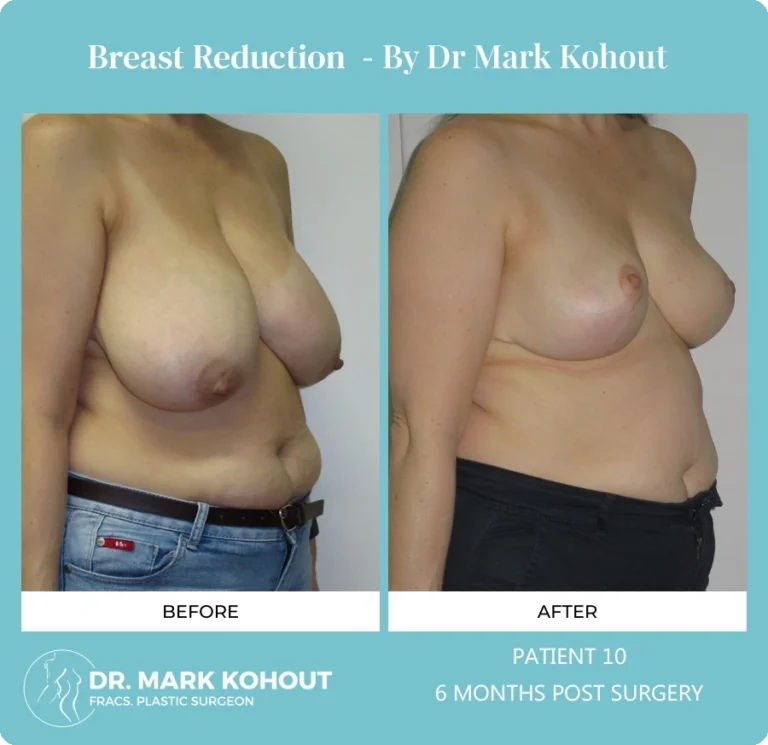
Before and After Photos of Breast Reduction Surgery

See the difference it has made for our clients.

Disclaimer

Individual results vary due to personal health factors and genetics, and all surgical procedures carry inherent risks that should be discussed with a qualified health professional.

Before and after photographs can help explain the range of changes that may occur following breast reduction surgery.

However, photographs show the outcome of an individual patient. They should not be interpreted as an indication or guarantee of what another patient will experience.

Breast size, anatomy, asymmetry, skin quality, surgical planning, healing and scar formation differ between patients.

What to Keep in Mind When Viewing Photos

  • Each photograph represents an individual outcome
  • Results vary between patients
  • Similar results cannot be guaranteed
  • Anatomy influences the surgical plan and outcome
  • Scars and healing differ between individuals

Who Is Dr Mark Kohout?

Dr Mark Kohout, MBBS, FRACS (Plast), is a Specialist Plastic Surgeon in Sydney with more than 25 years of experience in plastic and reconstructive surgery.

Patients considering breast reduction can consult Dr Kohout for individual assessment and discussion of whether surgery may be appropriate.

Assessment includes consideration of medical history, breast anatomy, symptoms, individual risk factors and treatment goals. Where breast reduction is being considered, the consultation also addresses surgical planning, scars, recovery, possible complications, costs and alternatives.
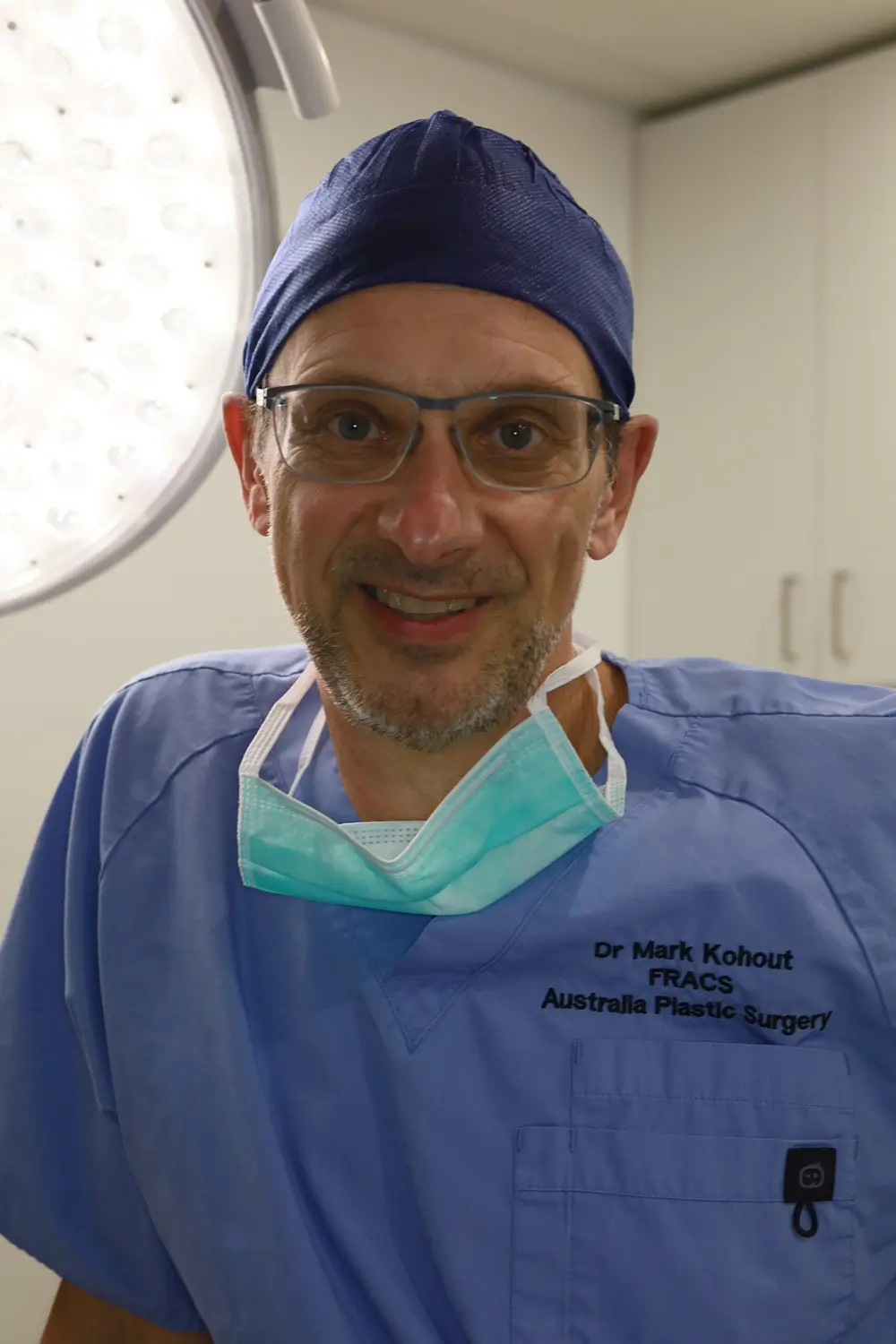
Dr Mark Kohout
Dr Mark Kohout Portrait Image

Breast Reduction FAQs

Can breast reduction change how bras fit after surgery?Yes, bra fit may change because breast size, shape and position may be different after surgery. Patients are usually advised to wait until swelling has settled before purchasing fitted bras.
Can one breast need more reduction than the other?Yes, many patients naturally have some degree of breast asymmetry. The surgical plan may involve removing different amounts of tissue from each breast, although exact symmetry cannot be guaranteed.
Can breast reduction affect how I sleep during recovery?Yes, sleeping position may need to be adjusted during early recovery. Patients are usually advised to follow postoperative instructions about positioning and support.
Can breast reduction affect posture?Some patients report changes in posture or physical comfort after breast size and weight are reduced. However, posture is influenced by many factors, so changes cannot be guaranteed.
Can breast reduction scars feel tight or sensitive?Yes, scars and surrounding tissues may feel tight, firm, itchy or sensitive during healing. These sensations often change over time, but recovery varies between patients.
Can breast reduction affect exercise clothing fit?Yes, some patients may notice changes in how sports bras and exercise clothing fit after surgery. Supportive garments should be chosen based on postoperative advice and healing stage.
Can breast reduction be planned around my work schedule?Surgery timing can often be planned with work and recovery needs in mind. The time needed away from work depends on the procedure, healing and type of job.
Can breast reduction affect future breast screening?Breast reduction can change breast tissue and scarring patterns, which may be relevant for future imaging. Patients should tell their breast screening provider about previous breast surgery.
Can breast reduction affect nipple position over time?Breast position can continue to change with ageing, weight changes, pregnancy or tissue quality. Surgery can reposition the nipple and areola, but future changes may still occur.
Can breast reduction be combined with another breast procedure?In some cases, breast reduction may be combined with another procedure, depending on anatomy, goals and safety considerations. This requires individual assessment and discussion of risks, recovery and suitability.
Medical References

How Do I Book a Breast Reduction Consultation in Sydney?

Patients considering breast reduction can arrange a consultation with Dr Mark Kohout to discuss their individual circumstances.

The consultation allows time to assess medical history and anatomy and to discuss the proposed surgical approach, expected scars, recovery, risks, costs and alternatives.

A consultation does not obligate a patient to proceed with surgery. Patients should have the opportunity to consider the information provided and make an informed decision about whether surgery is appropriate for them.

Explore Factors to Consider Before Cosmetic Surgery

Further Reading

Welcome to the Practice of
Dr. Mark Kohout

With over 25 years of experience and Harvard training, Dr. Mark Kohout offers experienced plastic and reconstructive surgery at his Sydney and Orange clinics. His patient-first approach focuses on delivering safe, natural results tailored to your unique goals.

What's Next?

Whether you are ready for a professional evaluation or just have a quick question, we’ve made it easy to connect with our team. Choose the option that best fits your needs below.

Book your Consultation

Take the first step toward your goals by filling out the brief form below. This information helps us understand your specific needs so we can make the most of our time together during your session. Once you submit your details, a member of our team will review your request and reach out shortly to confirm your appointment.

Patient Photo Assessment

Sending photos for a patient photo assessment can help you and your plastic surgeon prepare for your consultation. By reviewing clear, accurate photos, Dr Kohout can provide preliminary patient photo assessment like insights, assess your needs, and determine the right approach for your procedure.

Tips for Uploading Photos

ASK A FRIEND

Friend takes photo

GOOD LIGHTING

Plain wall, bright light

ALL ANGLES

Front / sides/ 45°

CLEAR & SHARP

No portrait mode

SEND ORIGINALS

No edits or compression

Dr. Mark Kohout Plastic Surgery in Sydney & Orange

Experienced Plastic Surgeon

Dr. Mark Kohout

A qualified plastic surgeon who operates with care and integrity, based in central Sydney with over 20 years of experience in the cosmetic field. His extensive training and experience assures patients they are in highly trained surgical hands. Dr. Kohout is a dedicated, friendly professional who is committed to providing the high quality care, support and results, alongside his compassionate team.

Dr Mark Kohout (MED0001133000)
Specialist Plastic Surgeon
Specialist registration in Surgery – Plastic Surgery

25

Years of Experience

Years of Delivering Exceptional Cosmetic Care.

10000+

Surgical Procedures

Procedures performed by our qualified surgeons.

15+

Available Treatments

Cosmetic treatment options tailored to your needs.

Our Trusted

Accreditations

fracs

Dr Mark Kohout is a qualified plastic surgeon based in central Sydney, with over 20 years of experience in the field of cosmetic and reconstructive surgery. He draws on extensive surgical training and clinical experience to tailor care to the individual needs and goals of each patient.

Dr Kohout is known for his thoughtful, patient-centred approach, guiding individuals through each stage of their surgical journey — from initial consultation to post-operative care. Working alongside a compassionate and professional team, he is committed to providing high standards of care in a supportive and respectful environment.

Locations

Opening Hours

Monday - Friday

8:30AM - 05:00PM

Saturday - Sunday

Closed

Disclaimer: Dr Mark Kohout (MED0001133000) a Registered Medical Practitioner, Specialist Plastic Surgeon. All surgical or invasive procedures carry risks and complications. We recommend seeking a second opinion from an appropriately qualified medical practitioner before proceeding with any surgery. Results depend on individual patient circumstances and can vary significantly. Results may also be impacted by a variety of factors including your lifestyle, weight, nutritional intake and overall health. Consult your Specialist Plastic Surgeon for details. This information is general in nature and is not intended to be medical advice nor does it constitute a doctor-patient relationship. Surgery risks and complications will be covered in detail during a consultation with your Surgeon. We recommend seeking a second opinion from an appropriately qualified medical practitioner before proceeding with surgery.

©2024  All Rights Reserved

This website contains imagery which is only suitable for audiences 18+. All surgery contains risks, read more here.

Close Welcome Bar

Get Your Skin Tightening with Renuvion and Bodytite Guide

Get Your Buttock Lift & Implants Guide

Get Your Facial Aesthetic

Get Your Breast Implant Removal

Get Your Female Genital Surgery Guide

Get Your Excess Skin Guide

Get Your Gynaecomastia Guide

Get Your Liposuction Guide

Get Your Abdominoplasty Guide

Get Your Cost of Surgery Guide

Get Your Breast Implant Replace Guide

Get Your Breast Reduction Guide

Get Your Breast Augmentation Guide

Make an Enquiry