

Breast Reduction Cost in Sydney

With Dr. Mark Kohout

Breast Reduction Cost Must head Image - Mark Kohout

This guide to breast reduction costs in Sydney has been written by Dr Mark Kohout, a specialist plastic surgeon based in Sydney, Fellow of the Royal Australasian College of Surgeons (FRACS), and trained at Harvard Medical School.

Breast Reduction costs in Sydney typically starts from $25,000 and may range to $30,000 depending on variables that will be explained during your consultation. Medicare and Private Health Insurance may also play a role in the out of pocket costs.

This guide explains how breast reduction pricing is structured and what patients should consider when comparing options in Sydney

Why Does the Cost of Breast Reduction Vary?

There is no single fixed breast reduction price because the procedure is planned around the individual patient. Two patients considering breast reduction in Sydney may have different anatomy, symptoms, medical histories, breast size, skin quality, and surgical requirements.

Factors that may affect breast reduction cost include the degree of breast reduction required, the amount of skin and tissue to be removed, breast position, nipple and areola position, natural asymmetry, and the estimated operating time. Some patients may require a more complex surgical plan due to previous breast surgery, medical conditions, medication use, or specific anatomical considerations.

Hospital and anaesthetic fees can also vary. These may depend on the hospital or accredited facility used, whether the procedure is performed as day surgery or with an overnight stay, and the anaesthetist’s assessment of the patient’s health and expected operating time.

Costs may also differ depending on whether the procedure is considered cosmetic, medically indicated, reconstructive, or combined. If Medicare item number criteria are met, a Medicare rebate and private health insurance contribution may apply. If the procedure is cosmetic, it is generally self-funded.

What Is Usually Included in the Cost?

A written breast reduction fee estimate may include several separate components. Patients should review each part of the estimate carefully, as some costs may be billed by different providers.

The surgeon’s fee relates to the surgical planning, operation, and relevant post-operative review arrangements provided by the surgeon. The fee may vary depending on the complexity of the procedure and the surgical plan developed after consultation.

The anaesthetist’s fee is separate from the surgeon’s fee. Breast reduction surgery is commonly performed under general anaesthesia. Anaesthetic fees may vary depending on the expected operating time, patient health factors, and anaesthetic requirements.

The hospital or accredited facility fee may include theatre time, nursing care, equipment, recovery room care, and accommodation if an overnight stay is required. These fees can vary between facilities and may also be affected by private health insurance arrangements.

Other possible costs include dressings, post-operative garments, pathology, medications, and follow-up appointments. Some of these may be included in the written estimate, while others may be separate. Patients should ask what is included before making a decision about surgery.

Consultation Fees and Pre-Surgery Assessment

A consultation is required before a personalised quote for breast reduction surgery can be provided. Online estimates cannot account for individual anatomy, health factors, symptoms, surgical complexity, or Medicare eligibility.

During consultation, Dr Kohout will take a medical history and discuss current medications, allergies, previous surgery, smoking or vaping status, general health, and reasons for considering breast reduction. A physical examination is usually required to assess breast size, breast position, nipple and areola position, skin quality, asymmetry, and any relevant clinical concerns.

The consultation may also include discussion of symptoms such as neck, back, or shoulder discomfort, skin irritation, bra strap pressure, posture-related concerns, or difficulty with physical activity. These details may be relevant when assessing whether Medicare item number criteria should be considered.

Risks, recovery, possible limitations, alternatives, and expected post-operative care should also be discussed. Depending on the patient’s health and age, additional tests may be required before surgery. These may include breast imaging, blood tests, pathology, or medical clearance from a general practitioner or specialist.

Consultation fees are usually separate from surgical fees. Patients should contact the practice for current consultation fee information.

Medicare Rebates for Breast Reduction

A Medicare rebate may apply to breast reduction surgery only in selected medically indicated cases where relevant Medicare item number criteria are met. Medicare does not generally contribute to procedures performed only for cosmetic reasons.

Patients researching breast reduction cost in Sydney often ask whether Medicare can reduce their out-of-pocket cost. The answer depends on the individual assessment, documented symptoms, clinical findings, and whether the procedure meets Medicare criteria. Eligibility cannot be confirmed until after consultation.

Where a Medicare item number is relevant, it may contribute to part of the surgeon’s fee, anaesthetist’s fee, or other eligible medical fees. However, a Medicare rebate does not usually cover the full cost of surgery. Patients may still have out-of-pocket costs.

A Medicare item number may also be important for private health insurance. Many health funds require a valid Medicare item number before they will consider contributing to hospital fees. If no Medicare item number applies, private health insurance is unlikely to contribute to hospital costs.

Patients should not assume that Medicare or private health insurance will apply. Written fee information and item number details can be provided after assessment where relevant.

Private Health Insurance and Out-of-Pocket Costs

Private health insurance may contribute to breast reduction costs only in selected circumstances. Cover depends on the patient’s policy, level of hospital cover, waiting periods, exclusions, excess, co-payments, fund rules, and whether a Medicare item number applies.

Out-of-pocket cost refers to the amount the patient pays after any Medicare rebate or private health insurance contribution has been applied. This amount varies between patients and may include surgeon gap fees, anaesthetist gap fees, hospital excess, co-payments, garments, medications, tests, or other related costs.

Patients should contact their health fund before surgery and ask specific questions about their policy. Useful questions include:

  • Does my policy include hospital cover for breast reduction if a Medicare item number applies?
  • Are there waiting periods?
  • Are any exclusions listed on my policy?
  • What excess or co-payment applies?
  • Does my policy cover the proposed hospital or facility?
  • Will the fund contribute to hospital, surgeon, or anaesthetist fees?
  • What documentation is required before surgery?
  • What costs will remain my responsibility?

Health fund advice should be obtained directly from the insurer, as policies differ and can change. The practice may provide item number information where applicable after consultation, but the health fund determines what it will cover under the patient’s policy.

Cost Factors Specific to Breast Reduction

Several procedure-specific factors may affect breast reduction fees.

  • The degree of reduction required can influence the surgical plan. A larger reduction may require more extensive tissue removal, additional planning, and longer operating time. Breast size, breast weight, skin quality, and nipple position all contribute to surgical complexity.
  • The amount of skin to be removed may also affect the approach. Breast reduction commonly involves removing excess skin and repositioning the nipple and areola while maintaining blood supply where possible. The most appropriate incision pattern depends on the patient’s anatomy and clinical suitability.
  • Breast asymmetry is another consideration. Most patients have some natural difference between the breasts. Surgical planning may include steps intended to address asymmetry, although exact symmetry cannot be guaranteed.
  • The surgical technique selected may affect operating time, dressings, review requirements, and hospital arrangements. Different incision patterns and tissue rearrangement methods may be considered depending on breast size, breast shape, and the amount of reduction required.
  • Whether the procedure is performed as day surgery or with an overnight stay may also affect cost. Some patients may be suitable for day surgery, while others may require hospital observation based on the surgical plan, anaesthetic assessment, medical history, or hospital protocol.
  • Anaesthetic requirements are another factor. General anaesthesia is commonly used for breast reduction surgery. The anaesthetist’s fee may vary depending on operating time and patient health factors.
  • Post-operative garments, dressings, medications, and follow-up review arrangements may also contribute to the total cost. If Medicare and private health insurance criteria are met, some costs may be partly offset. If the procedure is cosmetic, costs are generally self-funded.

Cosmetic Surgery Versus Reconstructive Surgery Costs

Breast reduction may be considered cosmetic, medically indicated, reconstructive, or combined, depending on the patient’s circumstances and the reason for surgery.

A cosmetic breast reduction is performed for appearance-related reasons where Medicare criteria are not met. Cosmetic surgery is generally self-funded, meaning Medicare and private health insurance usually do not contribute.

A medically indicated breast reduction may be considered when physical symptoms, clinical findings, and Medicare item number criteria are met. In these cases, a Medicare rebate may apply, and private health insurance may contribute if the patient’s policy includes relevant hospital cover.

Reconstructive breast surgery may relate to congenital, developmental, trauma-related, cancer-related, or other medically recognised indications. The cost structure may differ depending on the diagnosis, Medicare criteria, and health fund policy.

Some procedures may include both medically indicated and cosmetic components. In these cases, only the medically indicated component may attract Medicare or health fund support if criteria are met. Cosmetic components are generally self-funded. This distinction can only be clarified after consultation and assessment.

What Is Informed Financial Consent?

Informed financial consent means that patients receive clear information about expected fees before deciding whether to proceed with surgery. This allows patients to consider the financial aspects of care alongside medical advice, risks, recovery, alternatives, and personal circumstances.

For breast reduction surgery, informed financial consent may include information about the surgeon’s fee, anaesthetist’s fee, hospital or facility fee, Medicare rebate, private health insurance contribution, garments, medications, tests, and out-of-pocket costs.

Patients should review written estimates carefully and ask questions about any unclear items. It is also important to understand that cost information may change if the surgical plan changes, if additional treatment is required, or if hospital or health fund requirements differ from the original estimate.

A website can provide general information about breast reduction cost, but it cannot provide a personalised quote. Individual assessment is required before accurate fee information can be prepared.

Are There Additional Costs to Consider?

Patients should be aware that additional costs may apply before and after breast reduction surgery. These can vary depending on medical history, test results, hospital requirements, recovery progress, and whether further treatment is required.

Before surgery, possible costs may include the initial consultation, follow-up consultations, breast imaging such as ultrasound or mammogram if required, blood tests, pathology, and medical clearance. Some patients may need additional review by their GP or another specialist before surgery.

After surgery, possible costs may include medications, dressings, post-operative support garments, travel, parking, and time away from work or caring responsibilities. Patients should also consider practical support during the early recovery period.

Further treatment may involve additional costs if wound healing concerns, complications, or revision surgery occur. No surgical result can be guaranteed, and recovery varies between patients. These possibilities should be discussed during the consent process.

Patients comparing breast reduction fees should ask whether the estimate includes garments, review appointments, and other related items, or whether these are charged separately.

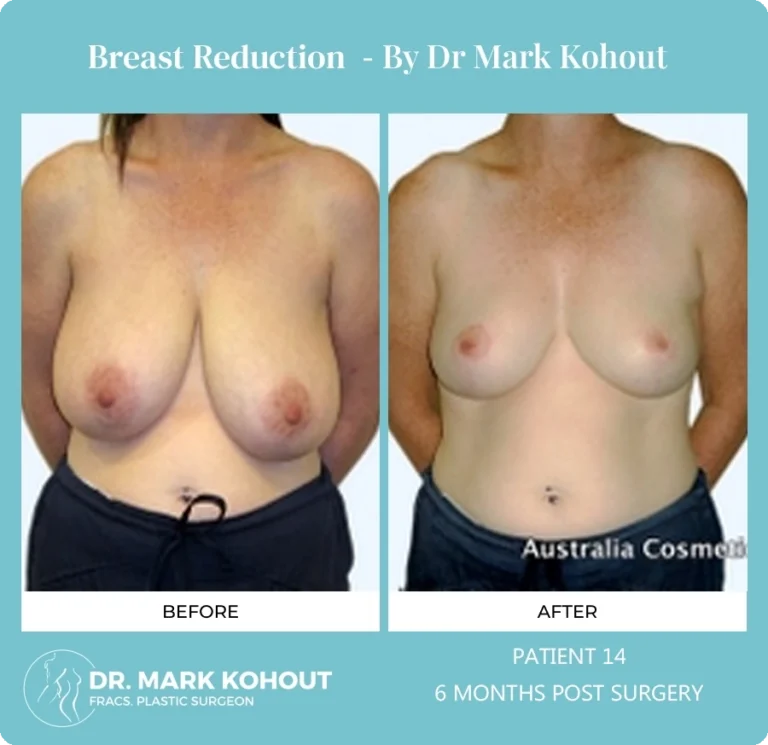
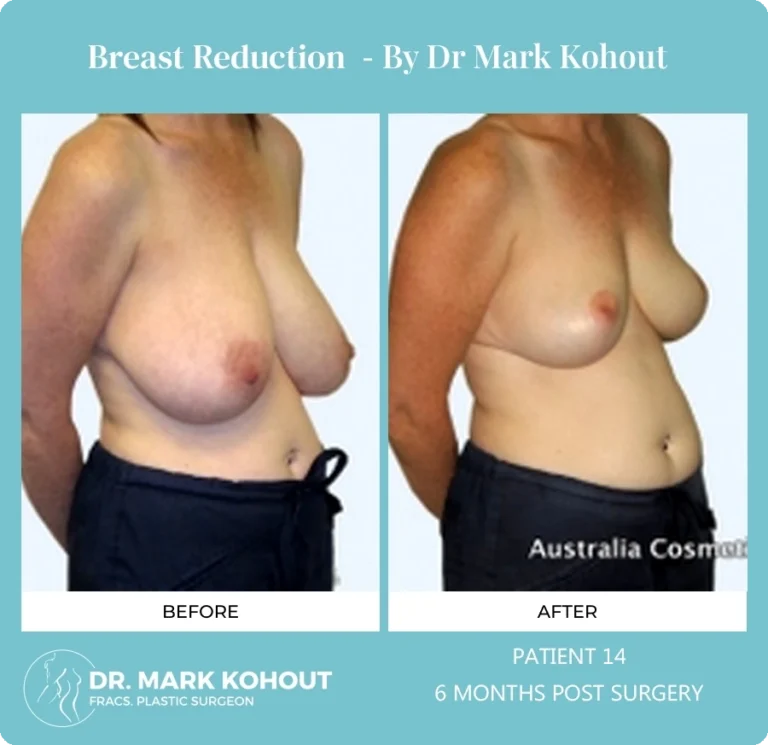
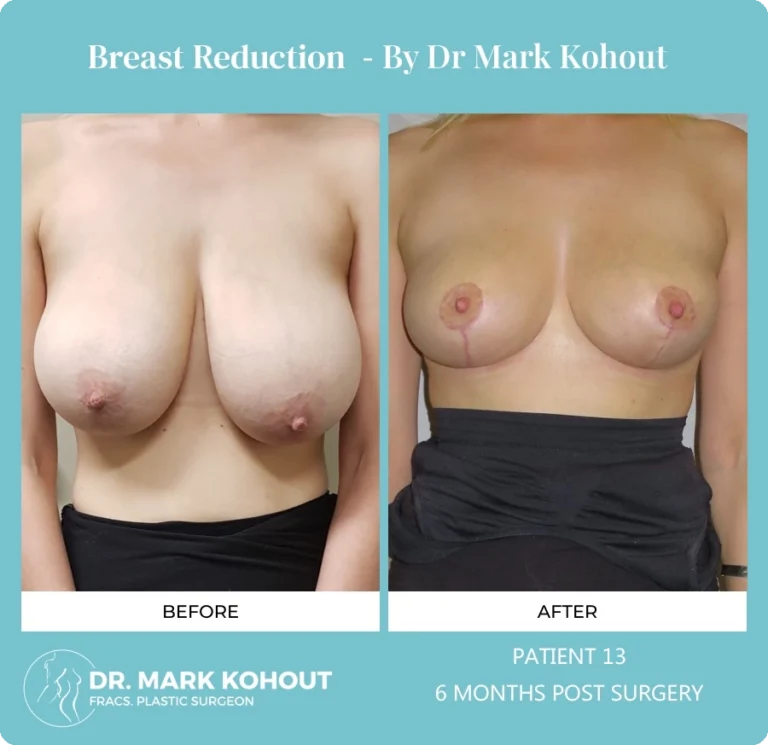
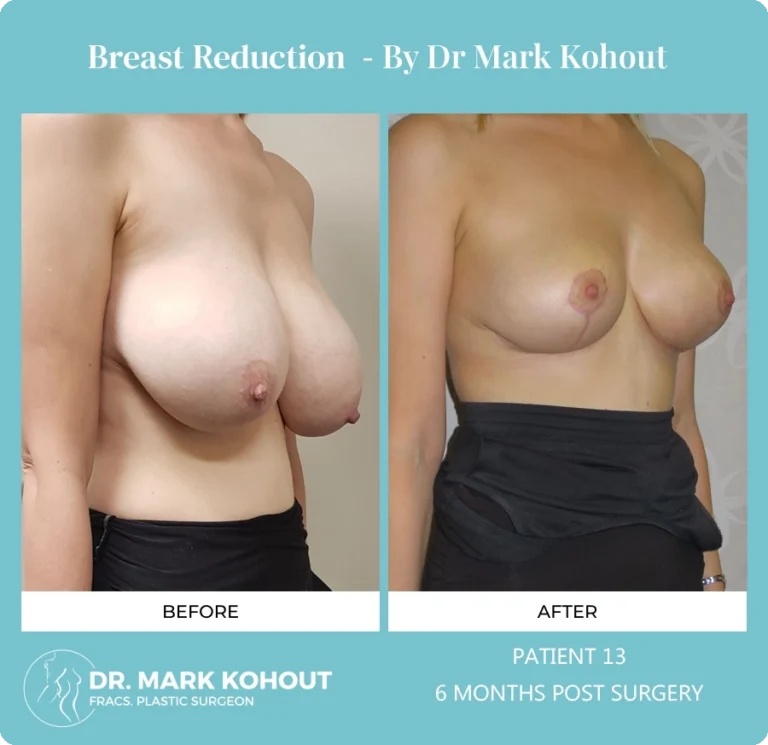
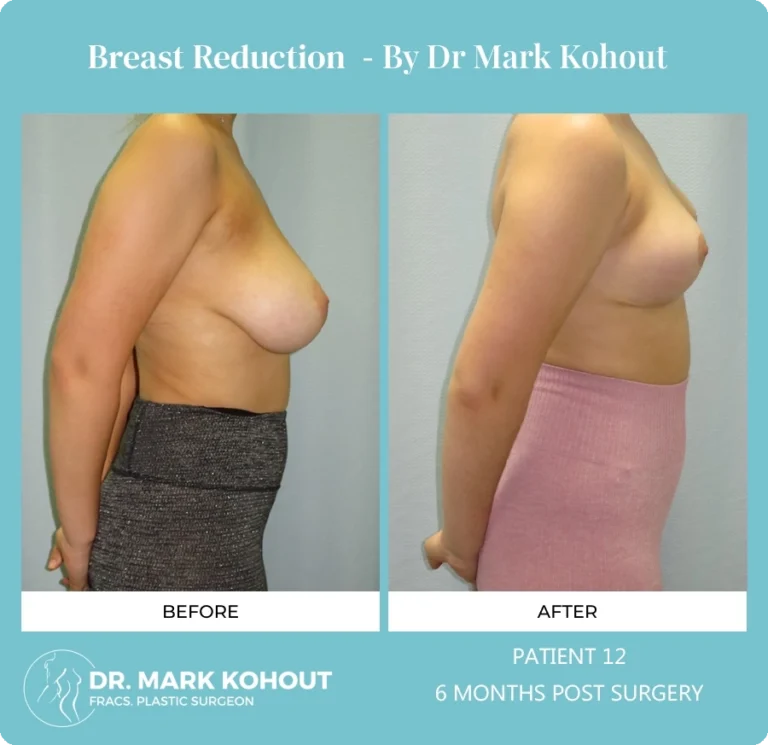
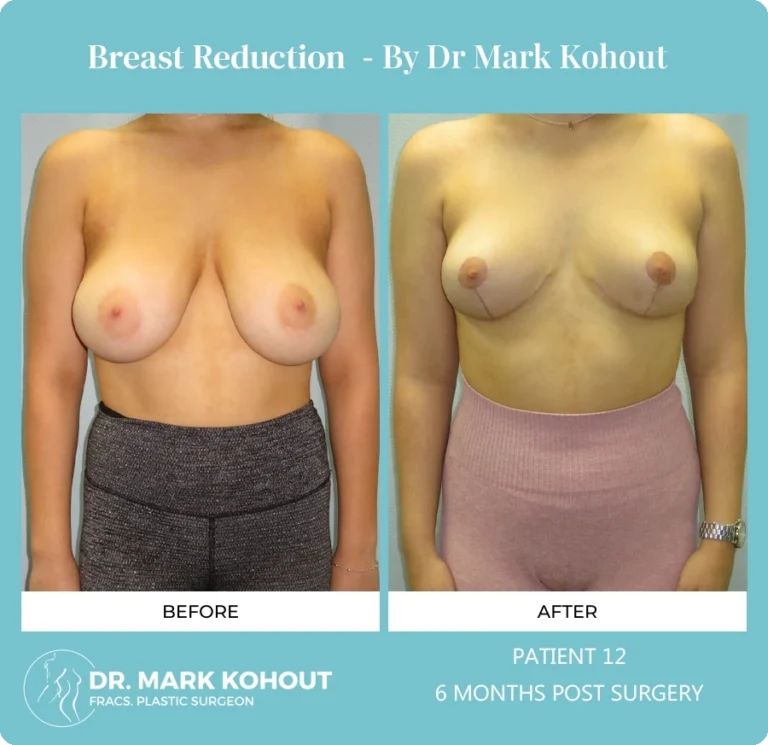
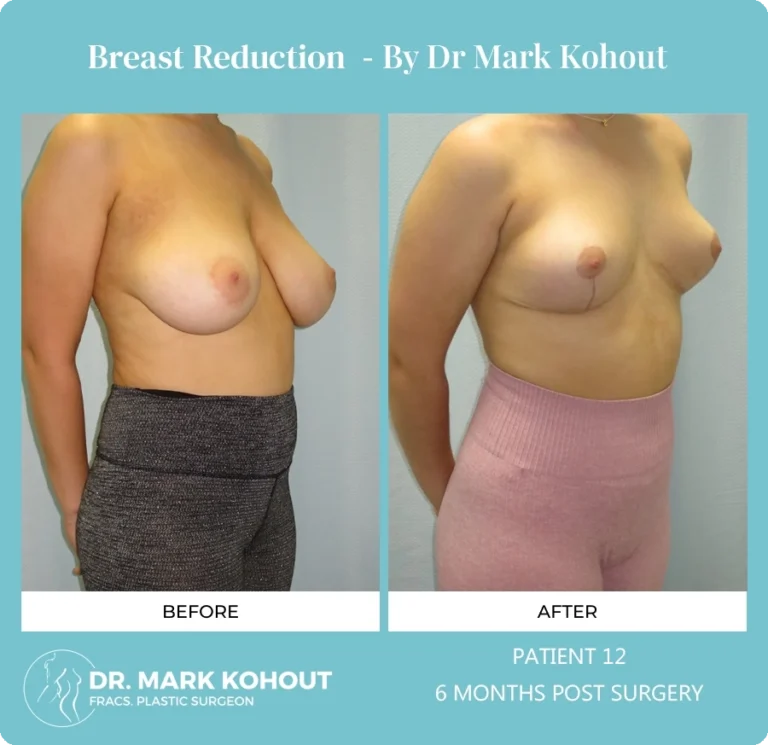
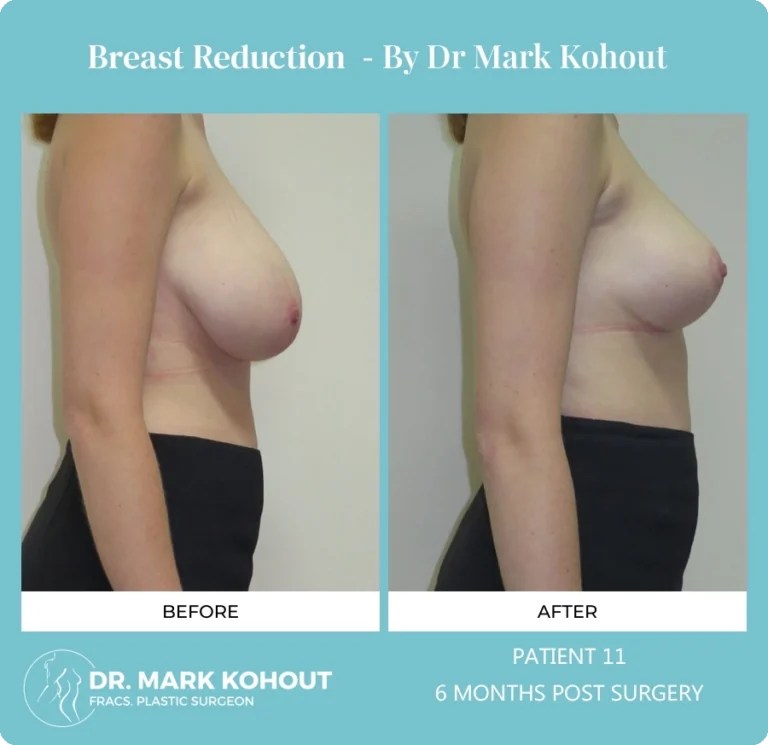
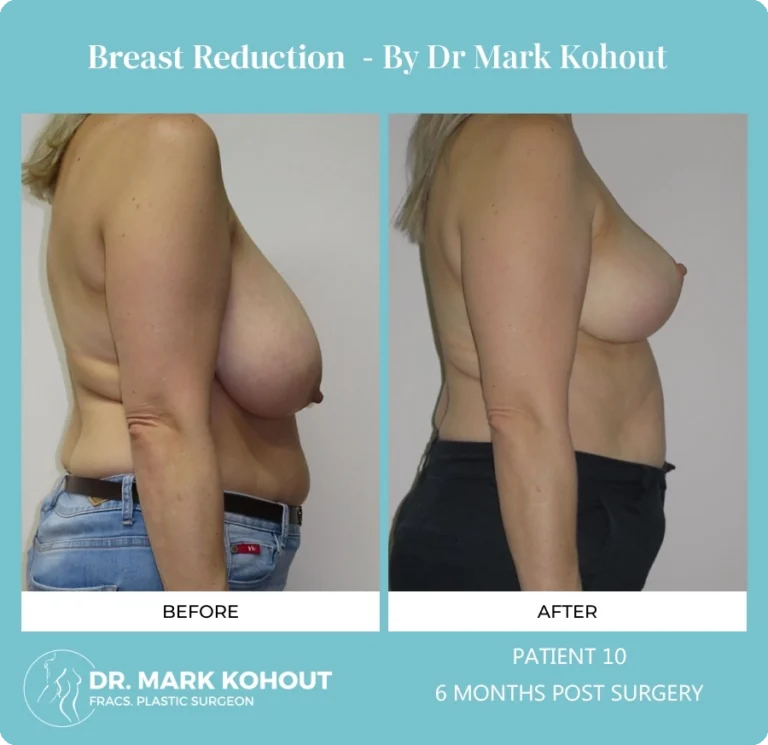
Before and After Photos of Breast Reduction Surgery

See the difference it has made for our clients.

Disclaimer

Individual results vary due to personal health factors and genetics, and all surgical procedures carry inherent risks that should be discussed with a qualified health professional.

Why Online Cost Estimates Can Be Misleading

Online breast reduction price ranges are often general and may not reflect the full cost of surgery. Some estimates may exclude anaesthetist fees, hospital fees, garments, dressings, medications, follow-up appointments, pathology, imaging, or costs related to further treatment.

Online estimates also cannot determine whether Medicare item number criteria are met or whether private health insurance will contribute. These matters require individual assessment and, where relevant, confirmation from Medicare and the patient’s health fund.

A low advertised figure may not include all parts of care. A higher estimate may include more components. For this reason, patients should ask what each estimate includes and whether it was prepared after consultation.

Patients researching breast reduction cost in Sydney should be cautious when comparing online figures. A personalised written estimate after consultation is more informative than a general price range because it is based on the patient’s anatomy, clinical needs, surgical plan, anaesthesia, hospital arrangements, and post-operative care requirements.

Cost Should Not Be the Only Factor

Cost is an important consideration, but breast reduction surgery is a medical decision and should not be assessed by price alone. Patients should consider clinical suitability, risks, recovery, alternatives, surgeon qualifications, anaesthetic care, hospital arrangements, and follow-up review.

Breast reduction involves incisions, tissue removal, wound healing, and changes to breast shape and nipple position. Possible risks and complications should be discussed during consultation. These may include bleeding, infection, altered nipple sensation, scarring, delayed wound healing, asymmetry, breastfeeding changes, further surgery, and anaesthetic risks.

Patients should also consider whether non-operative options have been explored where relevant, and whether surgery aligns with their medical circumstances and expectations. No surgical result can be guaranteed.

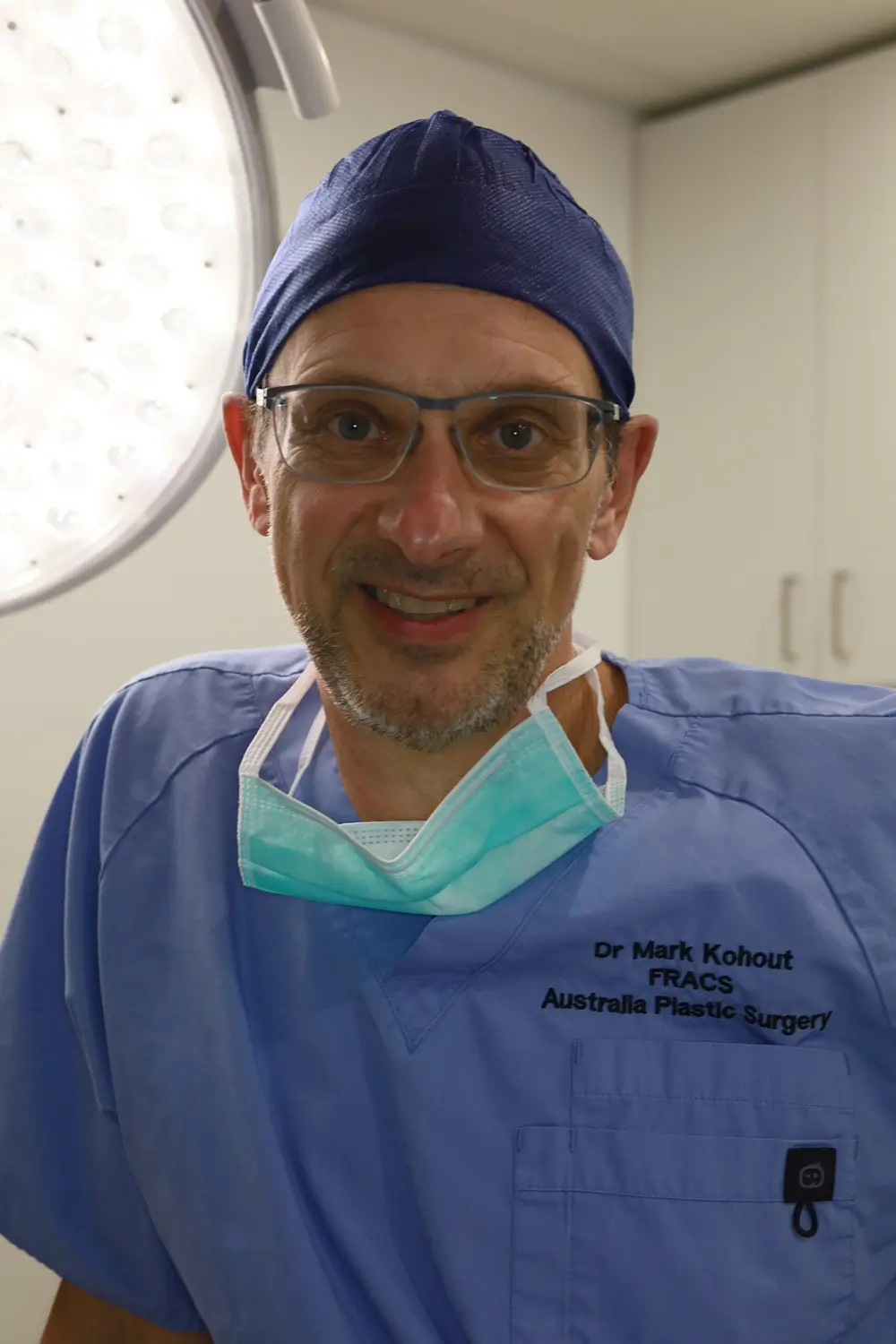
Dr Mark Kohout MBBS, FRACS Plast is a Specialist Plastic Surgeon. During consultation, patients can discuss their concerns, medical history, possible surgical options, risks, recovery considerations, alternatives, and fee information.
Dr Mark Kohout

How Dr Mark Kohout Provides Cost Information

Dr Kohout provides cost information after consultation and individual assessment. This process allows the surgical plan to be developed based on the patient’s anatomy, symptoms, medical history, and clinical suitability.

Consultations are available at Australia Plastic Surgery in Glebe, Sydney. During the consultation, Dr Kohout can assess the patient’s concerns, examine relevant anatomy, discuss possible breast reduction options, explain risks and alternatives, and consider whether Medicare item number criteria may be relevant.

Once a surgical plan has been developed, patients may receive written fee information. This may include the surgeon’s fee, estimated anaesthetist and hospital fees, garment or dressing costs where relevant, and Medicare item numbers if applicable.

If a Medicare item number is provided, patients can contact Medicare and their private health insurer to ask what rebates or contributions may apply. Medicare and health fund contributions are not guaranteed and depend on eligibility, policy details, and fund requirements.

Dr Mark Kohout

Questions to Ask About Breast Reduction Cost

Patients may find it helpful to ask the following questions during consultation or when reviewing written fee information:

  • What fees apply to my breast reduction procedure?
  • Is my procedure cosmetic, medically indicated, reconstructive, or combined?
  • Are any Medicare item numbers relevant to my situation?
  • What criteria must be met for a Medicare rebate to apply?
  • Will private health insurance contribute to hospital fees?
  • What hospital or accredited facility fees may apply?
  • What anaesthetist fees may apply?
  • Are post-operative garments included?
  • Are dressings, medications, or review appointments included?
  • Will I need imaging, pathology, or medical clearance before surgery?
  • What costs might apply if further treatment is required?
  • What amount may remain as my out-of-pocket cost?

Asking these questions can help patients understand the financial aspects of care before making an informed decision.

Why Choose Dr Mark Kohout for Breast Reduction?

Dr Mark Kohout MBBS, FRACS Plast is a Specialist Plastic Surgeon consulting in Sydney. At Australia Plastic Surgery in Glebe, patients considering breast reduction can undergo individual assessment and discuss their symptoms, medical history, surgical options, risks, recovery considerations, and possible costs.

The consultation process includes assessment of clinical concerns, discussion of patient goals, examination of relevant anatomy, and consideration of whether breast reduction may be suitable. Patients can also discuss alternatives, limitations, possible complications, recovery requirements, and the financial aspects of surgery.

Where appropriate, written fee information may be provided after assessment and surgical planning. If Medicare item numbers may be relevant, these can be included for the patient to discuss with Medicare and their private health insurer.

This approach allows patients to consider breast reduction cost alongside medical advice, risks, recovery, and expected responsibilities before deciding whether to proceed.

What Should You Remember About Breast Reduction Cost?

Breast reduction cost in Sydney varies between patients. Fees depend on individual anatomy, medical history, breast size, surgical complexity, anaesthetic requirements, hospital arrangements, Medicare eligibility, private health insurance, and post-operative care needs.

A personalised quote cannot be provided without consultation. Online price ranges are general only and may not include all relevant fees.

Cosmetic breast reduction is generally self-funded. Medicare and private health insurance may apply only in selected medically indicated cases where relevant criteria are met. Out-of-pocket costs vary depending on rebates, fund contributions, excesses, co-payments, and gap fees.

Patients should make an informed decision based on medical advice, risks, recovery, alternatives, likely costs, and written fee information.

Dr Mark Kohout

FAQs About Breast Reduction Surgery

Can breast reduction affect nipple sensation?Changes in nipple or breast sensation can occur after breast reduction surgery. Sensation may decrease, increase, or feel different during recovery. In some patients, altered sensation may be temporary, while in others it may persist. The likelihood depends on factors such as the amount of tissue removed, the surgical technique used, individual anatomy, and healing response.
How is the nipple kept supplied with blood during surgery?During breast reduction, the nipple and areola are generally repositioned while remaining attached to a section of breast tissue called a pedicle. This tissue carries the blood vessels and nerves that support the nipple–areola complex. The pedicle selected depends on breast size, nipple position, the planned degree of reduction, and the surgeon’s assessment of the patient’s anatomy.
Why can the two breasts still look different after surgery?Most people have some degree of breast asymmetry before surgery. Differences may involve breast volume, chest wall shape, nipple position, breast footprint, or skin quality. Surgical planning can aim to reduce visible asymmetry, but exact symmetry cannot be guaranteed. Differences may also become more or less noticeable as swelling settles and the breasts heal.
What happens to the removed breast tissue?Breast tissue removed during surgery may be sent for examination by a pathology laboratory. This allows the tissue to be assessed for unexpected abnormalities. Whether pathology is required, and how the tissue is handled, will depend on the surgical setting, the patient’s medical history, and relevant clinical protocols.
Can breast reduction change future breast imaging?Breast reduction alters the internal arrangement of breast tissue and may produce scar tissue or other changes that can appear on future mammograms or ultrasound examinations. Patients should inform their breast imaging provider about previous surgery. Baseline or follow-up imaging may be recommended depending on age, personal risk factors, symptoms, and medical history.
Why do some areas of the incision take longer to heal?Healing can vary along different parts of the incision. Areas where incisions meet, particularly beneath the breast, may be under greater tension or have a more limited blood supply. Smoking, vaping, diabetes, certain medications, larger reductions, skin quality, and individual healing response may also affect wound healing. Additional dressings or clinical review may be required if healing is delayed.
Can breast size change again after reduction surgery?Breast size and shape may change over time due to weight fluctuations, pregnancy, breastfeeding, hormonal changes, ageing, and changes in skin elasticity. Breast reduction removes skin and tissue, but it does not prevent future biological changes. Maintaining a relatively stable weight may help limit weight-related changes, although long-term appearance cannot be predicted precisely.
Medical References

Take our Plastic Surgery Quiz to find out if you’d be a good candidate and if you are ready for cosmetic surgery.​

Schedule a Consultation with Dr Mark Kohout

To discuss whether breast reduction may be suitable for your circumstances, you can arrange a consultation with Dr Mark Kohout MBBS, FRACS Plast, Specialist Plastic Surgeon.

Australia Plastic Surgery
 Suite 2, 37 Bay St
 Glebe, Sydney NSW 2037

A consultation allows Dr Kohout to assess your medical history, concerns, and anatomy, discuss risks and alternatives, and provide information about the costs that may apply to your individual surgical plan. Current consultation fees and appointment availability can be confirmed directly with the practice.

Further Reading

Welcome to the Practice of
Dr. Mark Kohout

With over 25 years of experience and Harvard training, Dr. Mark Kohout offers experienced plastic and reconstructive surgery at his Sydney and Orange clinics. His patient-first approach focuses on delivering safe, natural results tailored to your unique goals.

What's Next?

Whether you are ready for a professional evaluation or just have a quick question, we’ve made it easy to connect with our team. Choose the option that best fits your needs below.

Book your Consultation

Take the first step toward your goals by filling out the brief form below. This information helps us understand your specific needs so we can make the most of our time together during your session. Once you submit your details, a member of our team will review your request and reach out shortly to confirm your appointment.

Patient Photo Assessment

Sending photos for a patient photo assessment can help you and your plastic surgeon prepare for your consultation. By reviewing clear, accurate photos, Dr Kohout can provide preliminary patient photo assessment like insights, assess your needs, and determine the right approach for your procedure.

Tips for Uploading Photos

ASK A FRIEND

Friend takes photo

GOOD LIGHTING

Plain wall, bright light

ALL ANGLES

Front / sides/ 45°

CLEAR & SHARP

No portrait mode

SEND ORIGINALS

No edits or compression

Dr. Mark Kohout Plastic Surgery in Sydney & Orange

Experienced Plastic Surgeon

Dr. Mark Kohout

A qualified plastic surgeon who operates with care and integrity, based in central Sydney with over 20 years of experience in the cosmetic field. His extensive training and experience assures patients they are in highly trained surgical hands. Dr. Kohout is a dedicated, friendly professional who is committed to providing the high quality care, support and results, alongside his compassionate team.

Dr Mark Kohout (MED0001133000)
Specialist Plastic Surgeon
Specialist registration in Surgery – Plastic Surgery

25

Years of Experience

Years of Delivering Exceptional Cosmetic Care.

10000+

Surgical Procedures

Procedures performed by our qualified surgeons.

15+

Available Treatments

Cosmetic treatment options tailored to your needs.

Our Trusted

Accreditations

fracs

Dr Mark Kohout is a qualified plastic surgeon based in central Sydney, with over 20 years of experience in the field of cosmetic and reconstructive surgery. He draws on extensive surgical training and clinical experience to tailor care to the individual needs and goals of each patient.

Dr Kohout is known for his thoughtful, patient-centred approach, guiding individuals through each stage of their surgical journey — from initial consultation to post-operative care. Working alongside a compassionate and professional team, he is committed to providing high standards of care in a supportive and respectful environment.

Locations

Opening Hours

Monday - Friday

8:30AM - 05:00PM

Saturday - Sunday

Closed

Disclaimer: Dr Mark Kohout (MED0001133000) a Registered Medical Practitioner, Specialist Plastic Surgeon. All surgical or invasive procedures carry risks and complications. We recommend seeking a second opinion from an appropriately qualified medical practitioner before proceeding with any surgery. Results depend on individual patient circumstances and can vary significantly. Results may also be impacted by a variety of factors including your lifestyle, weight, nutritional intake and overall health. Consult your Specialist Plastic Surgeon for details. This information is general in nature and is not intended to be medical advice nor does it constitute a doctor-patient relationship. Surgery risks and complications will be covered in detail during a consultation with your Surgeon. We recommend seeking a second opinion from an appropriately qualified medical practitioner before proceeding with surgery.

©2024  All Rights Reserved

This website contains imagery which is only suitable for audiences 18+. All surgery contains risks, read more here.

X

Get Your Facial Aesthetic

Get Your Breast Implant Removal

Get Your Female Genital Surgery Guide

Get Your Excess Skin Guide

Get Your Gynaecomastia Guide

Get Your Liposuction Guide

Get Your Abdominoplasty Guide

Get Your Cost of Surgery Guide

Get Your Breast Implant Replace Guide

Get Your Breast Reduction Guide

Get Your Breast Augmentation Guide

Make an Enquiry