Recovery After Neck Lift in Sydney

With Dr. Mark Kohout

Neck Lift Recovery Featured image - Mark Kohout

Recovery after neck lift surgery is different for every patient. The type and extent of surgery, the tissues treated, general health, medicines, smoking or nicotine use, previous surgery and the body’s individual healing response can all influence the recovery process.

For this reason, a general neck lift recovery timeline should not be interpreted as a prediction of what will occur for a particular patient. Personalised advice can only be provided after consultation, medical assessment and development of an individual surgical plan.

Some patients may experience swelling, bruising, tightness, temporary changes in sensation or restrictions on movement and activity after surgery. These effects may change progressively, but the timing and degree of change cannot be guaranteed. Follow-up appointments are used to assess healing and determine when particular activities may be resumed.

Patients should follow the recovery instructions provided by their surgeon rather than relying on another person’s experience or a general online schedule. Further review, wound care or treatment may be required in some cases.

What Does Neck Lift Recovery Involve?

Neck lift recovery involves more than the reduction of visible bruising or swelling. Healing occurs at the skin surface and within the deeper tissues, and these processes do not necessarily progress at the same rate.

Depending on the surgical plan, a neck lift may involve treatment of skin, fat, the platysma muscles or other tissues beneath the chin and along the neck. Incisions may be placed around the ears, within the hair-bearing scalp, beneath the chin or in a combination of these locations.

The recovery process may involve:

  • Healing of the surgical incisions
  • Management of dressings or a supportive garment
  • Monitoring swelling and bruising
  • Temporary restrictions on movement and physical activity
  • Changes in skin sensation
  • Gradual resumption of work, driving and exercise
  • Follow-up appointments
  • Longer-term scar development and tissue settling

The details of post-operative care depend on what was performed during surgery. Two patients undergoing procedures described by the same general name may receive different instructions because their anatomy, health and surgical plans are not identical.

No recovery timeline, level of discomfort or surgical result can be guaranteed.

What Can Affect Neck Lift Recovery Time?

Patients researching neck lift recovery time will often find suggested timeframes online. These may provide broad educational information, but they cannot account for every surgical or patient-related variable.

✓ The procedure performed

Recovery may be influenced by whether the operation includes:

  • Removal or repositioning of neck skin
  • Treatment of fat beneath the chin or along the neck
  • Adjustment of the platysma muscles
  • Liposuction where clinically appropriate
  • Incisions beneath the chin
  • Incisions around the ears or extending into the scalp
  • Treatment of deeper neck structures
  • Another facial procedure performed during the same operation

A more extensive surgical plan may involve different after surgery care, activity restrictions and follow-up requirements from a more limited operation. The name of the procedure alone does not provide enough information to determine an individual recovery period.

✓ Personal health factors

Individual factors that may affect healing include:

  • General physical health
  • Existing medical conditions
  • Prescription medicines
  • Non-prescription medicines and supplements
  • Smoking, vaping or other nicotine exposure
  • Previous neck or facial surgery
  • Skin and tissue characteristics
  • A history of wound-healing concerns
  • The body’s response to surgery and anaesthesia
  • The ability to follow post-operative instructions

Patients should provide complete and accurate health information during consultation. This allows the surgical team to consider factors that may affect the procedure, anaesthesia, recovery and follow-up care.

Preparing for Recovery Before Neck Lift Surgery

Recovery planning should begin before the day of surgery. Patients may need to arrange practical support, make temporary changes to their usual responsibilities and prepare for possible limitations during the early recovery period.

✓ Arrange transport and support

Patients will generally need suitable transport after surgery. Depending on the anaesthetic, operation and discharge arrangements, they may also be advised to have a responsible adult available during the early post-operative period.

It may be helpful to organise assistance with:

  • Meals and shopping
  • Household tasks
  • Care of children or other dependants
  • Pet care
  • Transport to follow-up appointments
  • Work or business responsibilities

The amount of assistance required varies. Individual recommendations are provided according to the procedure and the patient’s circumstances.

✓ Plan time away from work

Return to work after neck lift surgery cannot be determined by appearance alone. A patient may still have activity restrictions after visible bruising has reduced.

When planning leave, patients should consider:

  • Whether their role involves lifting or physical effort
  • The amount of neck movement required
  • Whether they need to drive
  • Exposure to heat, sunlight, dust or workplace contaminants
  • Whether protective clothing or equipment contacts the surgical area
  • Access to breaks and suitable facilities
  • Whether they work from home or in a public-facing role

It may be sensible to allow flexibility rather than committing to a fixed return date before surgery.

✓ Review medicines and supplements

Patients should give the surgical team an up-to-date list of prescription medicines, over-the-counter products and supplements.

Some products may affect bleeding, anaesthesia or healing. However, patients should not stop or change medicines without specific medical advice. Instructions will depend on the medicine, the reason it is taken and the patient’s health.

Any illness, infection, skin change or change in health before surgery should be reported to the practice.

✓ Smoking, vaping and nicotine

Nicotine may affect blood supply and wound healing. Patients who smoke, vape or use nicotine products should disclose this during consultation and follow the instructions provided by their surgeon.

The advice given may include stopping nicotine for a specified period before and after surgery. The appropriate plan must be discussed individually.

Planning for recovery also involves understanding the likely fees; read more about neck lift costs in Sydney and what may be included in an individual estimate.

The First Days After Neck Lift Surgery

During early neck lift recovery, patients may have dressings, tapes or a supportive garment. The exact arrangement depends on the procedure performed and the surgeon’s post-operative plan.

Possible early experiences include:

  • Swelling of the neck, jawline or lower face
  • Bruising around or below the treated area
  • Tightness or pressure
  • Tenderness near the incisions
  • Temporary numbness or altered sensation
  • A feeling of firmness beneath the skin
  • Limited or cautious neck movement
  • Tiredness following surgery or anaesthesia

Not every patient experiences these effects in the same way. Their degree and duration may also differ from one side of the neck to the other.

Patients should follow their written recovery instructions regarding medicines, rest, walking, sleeping position, hydration, meals, showering, dressings and contact with the practice.

Prescribed medicines should be taken only as directed. Patients should ask for advice before adding non-prescription medicines, supplements, creams or other products during recovery.

Neck Lift Recovery During the First Week

The first week commonly involves close attention to the incisions, swelling, bruising and activity restrictions. This does not mean that all patients follow the same course or reach the same stage of recovery within seven days.

Swelling may fluctuate and may temporarily become more noticeable before reducing. Bruising can change in colour and may extend beyond the immediate surgical area. The neck may feel tight, firm or uneven while tissues are healing.

Patients may be instructed to keep their head elevated while resting or sleeping. They may also be advised to avoid bending, lifting, straining and sudden neck movements. These instructions depend on the operation and should be followed for the period specified by the treating team.

Driving may not be appropriate if the patient:

  • Is taking medicines that affect alertness
  • Cannot turn the head sufficiently
  • Has discomfort that affects concentration
  • Is unable to perform an emergency manoeuvre
  • Has not received medical clearance

Dressings, tapes, sutures or a garment should not be removed or adjusted unless instructions have been provided.

Patients should contact the practice if they are uncertain about a symptom or believe their recovery is changing unexpectedly. A symptom that may be anticipated in one situation can require assessment in another.

Recovery Over the Following Weeks

During the following weeks, swelling and bruising may continue to change. The incisions and deeper tissues remain in a period of healing even when the patient feels able to perform more of their usual activities.

Patients may notice:

  • Areas of firmness or tightness
  • Temporary asymmetry associated with swelling
  • Numbness, tingling or altered skin sensation
  • Pulling sensations during movement
  • Changes in the appearance of the incisions
  • Fluctuation in swelling after activity
  • Differences in healing between the two sides

These changes should be discussed at follow-up appointments. Patients should not massage the area or begin scar products, compression, heat or cold treatments unless advised to do so.

Activity may be increased in stages. Decisions about lifting, exercise, swimming, work and other activities are based on the operation performed, incision healing, symptoms and clinical findings.

A general online timeline should not be treated as permission to resume unrestricted activity.

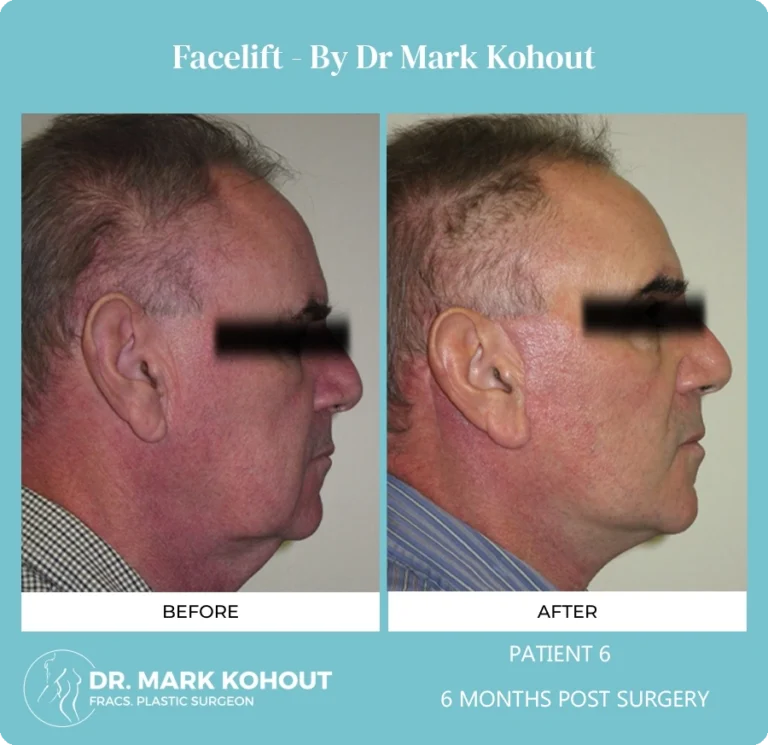
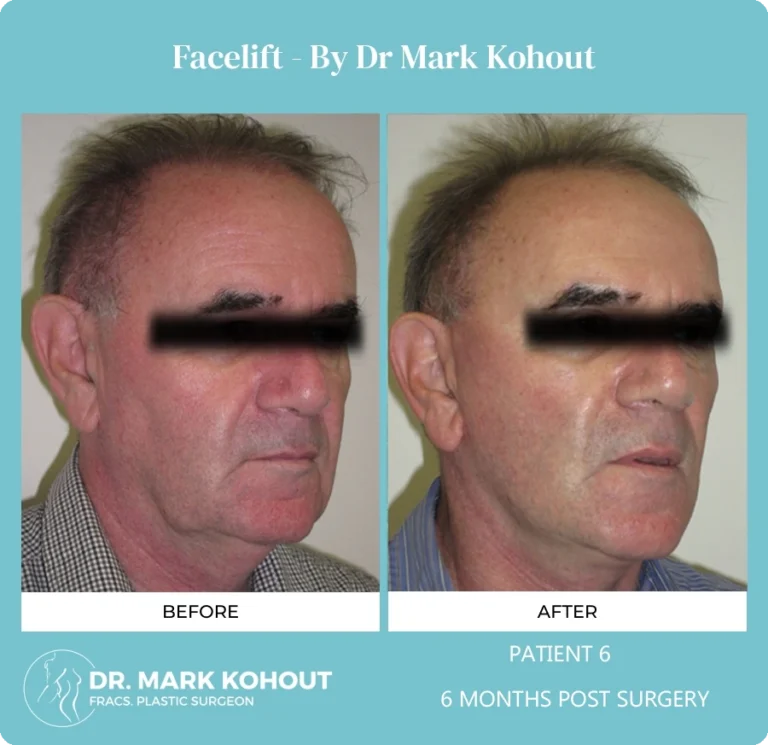
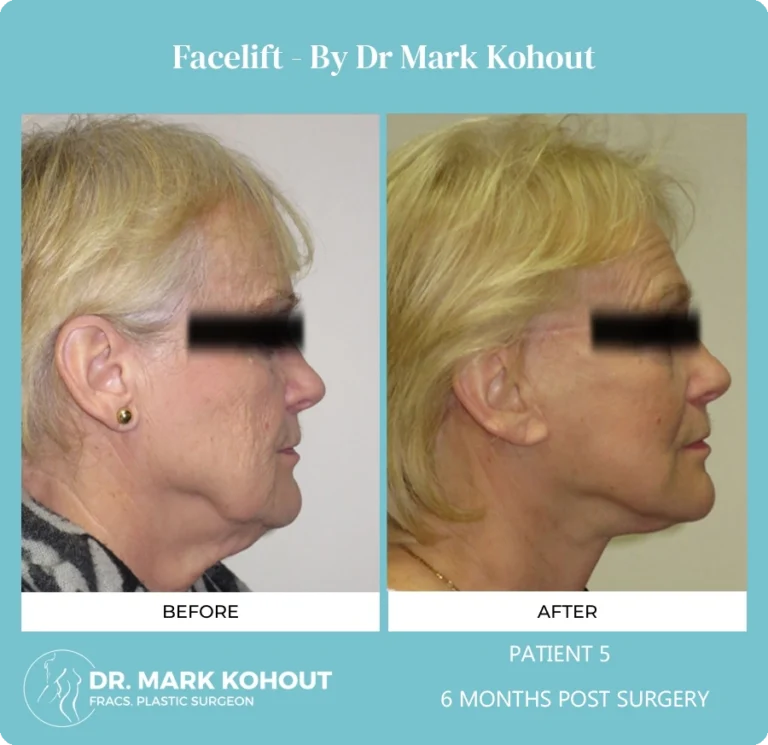
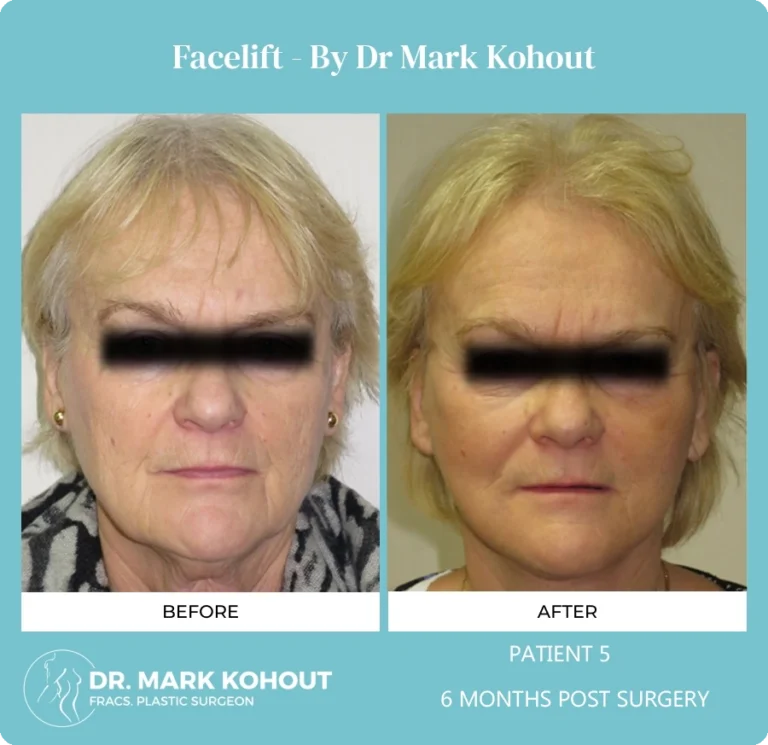
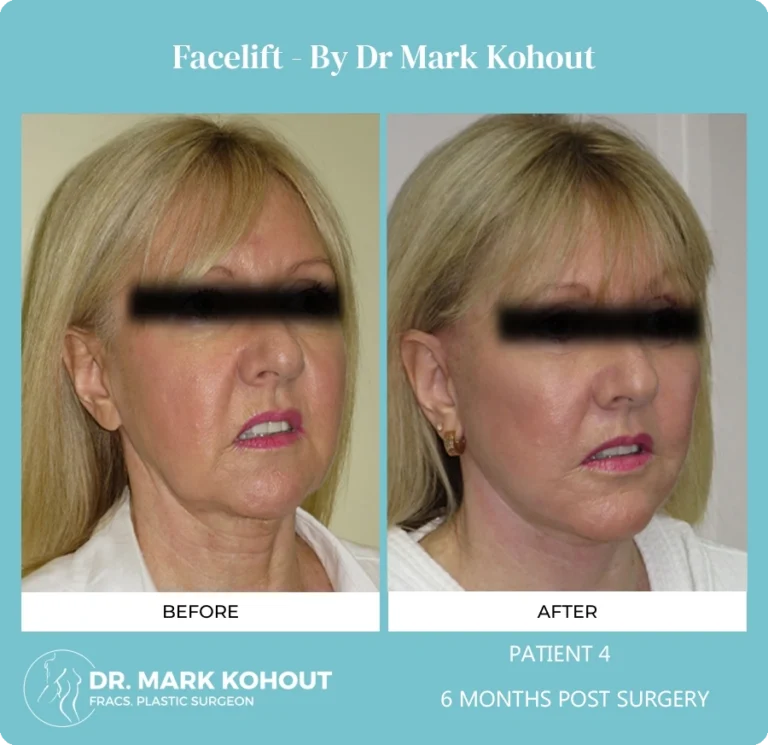
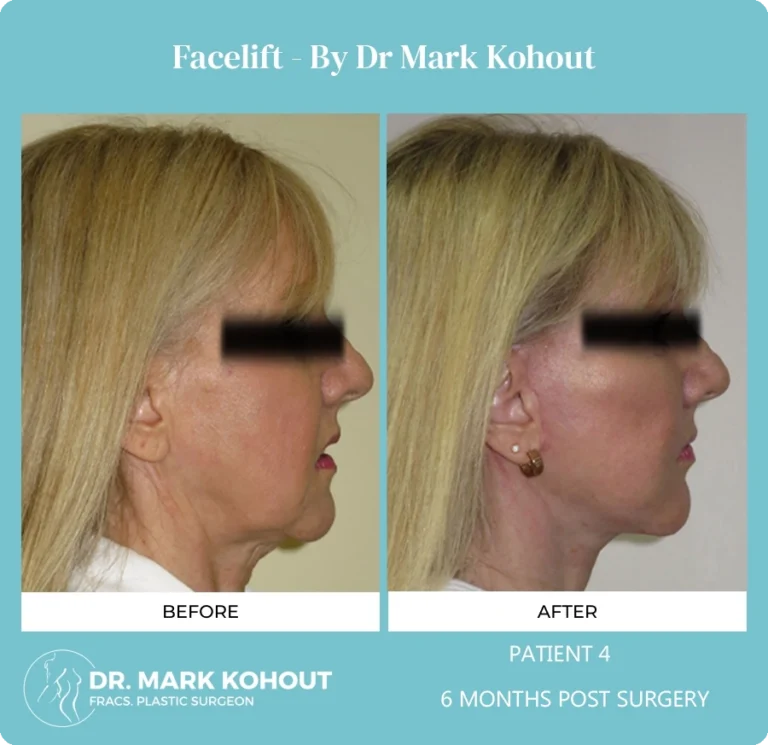
Before and After Photos of Face Lift Surgery

See the difference it has made for our clients.

Disclaimer

Individual results vary due to personal health factors and genetics, and all surgical procedures carry inherent risks that should be discussed with a qualified health professional.

Swelling and Bruising After Neck Lift Surgery

Swelling and bruising are common considerations during neck lift recovery, but their severity and duration vary.

Swelling may not be symmetrical. One side can appear or feel different from the other, particularly during the early stages of healing. It may also fluctuate during the day or become more noticeable after activity.

Bruising can extend below the neck because blood beneath the skin may move with gravity. Its colour may change as it resolves.

Patients may also notice temporary firmness, lumpiness or changes in sensation. These changes may relate to swelling and tissue healing, but they should be assessed if they are unexpected, worsening or accompanied by other symptoms.

Patients should seek advice if swelling:

  • Increases suddenly
  • Becomes substantially greater on one side
  • Is associated with increasing pressure or bleeding
  • Affects breathing or swallowing
  • Occurs with skin colour changes
  • Causes concern for any other reason

Patients should not begin massage, compression or other measures based solely on online advice. These interventions may not be appropriate at every stage of healing.

Neck Lift Incision Care

Incision care is an important part of post-operative care. The location and length of the incisions depend on the surgical approach.

Patients may have incisions:

  • Around the front or back of the ears
  • Extending into the hair-bearing scalp
  • Beneath the chin
  • In more than one of these locations

Instructions may address dressings, showering, hair washing, tapes, sutures and the use of topical products.

Patients should avoid removing tapes or dressings unless directed. Creams, cosmetics, hair products and scar products should not be placed on or near healing incisions without approval.

The practice should be contacted if there is:

  • Increasing redness or warmth
  • Discharge or an unexpected odour
  • Separation of an incision
  • Persistent bleeding
  • A change in surrounding skin colour
  • Increasing swelling or tenderness
  • Any other concerning change

Scars usually change in colour, texture and visibility over time. Their eventual appearance varies between patients and cannot be predicted or guaranteed. Some patients may require additional scar care or review.

Sleeping and Head Position During Recovery

Patients may be advised to sleep with the head elevated and to avoid direct pressure on the treated area during early recovery. This advice can vary according to the procedure and the surgeon’s assessment.

Extra pillows or an appropriate support may help maintain the recommended position. However, the neck should not be forced into an uncomfortable angle.

Patients who normally sleep on their side or stomach may need to alter their position temporarily. The period for doing so should be confirmed with the treating team.

A patient should seek advice if a recommended sleeping position causes breathing difficulty, significant discomfort, dizziness or another concern.

Showering, Hair Care and Personal Care

Instructions about showering and hair washing depend on the dressings, incision locations and stage of healing.

Patients should ask when they may:

  • Shower normally
  • Wash their hair
  • Use a hairdryer
  • Apply skincare products
  • Wear makeup near the incisions
  • Visit a hairdresser
  • Colour or chemically treat their hair
  • Shave around the surgical area

Water temperature, direct water pressure and product contact may need to be limited for a period. Patients should not assume that an incision is ready for cosmetics or hair products because it appears closed at the surface.

Return to Work After Neck Lift Surgery

There is no single return-to-work date that applies to all patients.

A person performing computer-based work from home may have different requirements from someone working in healthcare, construction, hospitality, childcare or another physically active setting.

Return-to-work planning should consider:

  • The physical demands of the role
  • Lifting, pushing or pulling requirements
  • Repetitive neck movement
  • Driving or operating equipment
  • The effect of medicines on alertness
  • Workplace hygiene and environmental exposure
  • Required uniforms or protective equipment
  • The ability to attend follow-up appointments
  • The patient’s progress during recovery

Some patients may prefer to wait until swelling or bruising is less visible, but appearance is only one consideration. Medical restrictions may remain even when a patient feels comfortable being seen in public.

Clearance should be based on individual review rather than a predetermined date.

Exercise and Activity Restrictions

Light movement may be encouraged during recovery to reduce prolonged inactivity, but the type and amount of movement should follow medical advice.

Patients may be instructed to temporarily avoid:

  • Heavy lifting
  • Strenuous exercise
  • Running
  • High-intensity training
  • Contact sport
  • Swimming
  • Repeated bending
  • Movements that increase pressure in the surgical area
  • Activities that require extensive neck rotation
  • Situations where the neck could be struck or compressed

The time at which an activity can be resumed depends on healing, symptoms, the procedure performed and findings at follow-up appointments.

Patients should ask before increasing exercise intensity. Feeling well during an activity does not necessarily mean that deeper tissues have completed healing.

Follow-Up Appointments

Follow-up appointments allow the surgical team to assess recovery and provide advice based on current clinical findings.

These appointments may be used to:

  • Examine the incisions
  • Assess swelling and bruising
  • Review symptoms
  • Change or remove dressings
  • Manage sutures where applicable
  • Discuss movement and activity
  • Review scar care
  • Answer recovery questions
  • Identify whether further care is required

The timing and number of appointments vary. Additional appointments may be recommended if healing requires closer monitoring.

Patients should attend scheduled reviews even when they believe recovery is progressing as expected. They should also contact the practice rather than waiting for the next appointment if a concerning change occurs.

When to Contact the Practice

Patients receive individual instructions about symptoms that require medical advice.

Depending on the circumstances, the practice should be contacted about:

  • Unexpected or rapidly increasing swelling
  • Marked swelling affecting one side
  • Persistent or increasing bleeding
  • Increasing redness, warmth or discharge
  • Fever or feeling generally unwell
  • Worsening discomfort that is not managed by the prescribed plan
  • Separation of an incision
  • Sudden skin colour changes
  • New or worsening shortness of breath
  • Difficulty breathing or swallowing
  • Chest discomfort
  • Calf pain or swelling
  • A reaction to a medicine
  • Any symptom causing concern

This list is not exhaustive. Urgent or severe symptoms may require assessment through emergency services or an emergency department.

Patients should not rely on internet information to determine whether an unexpected symptom requires treatment.
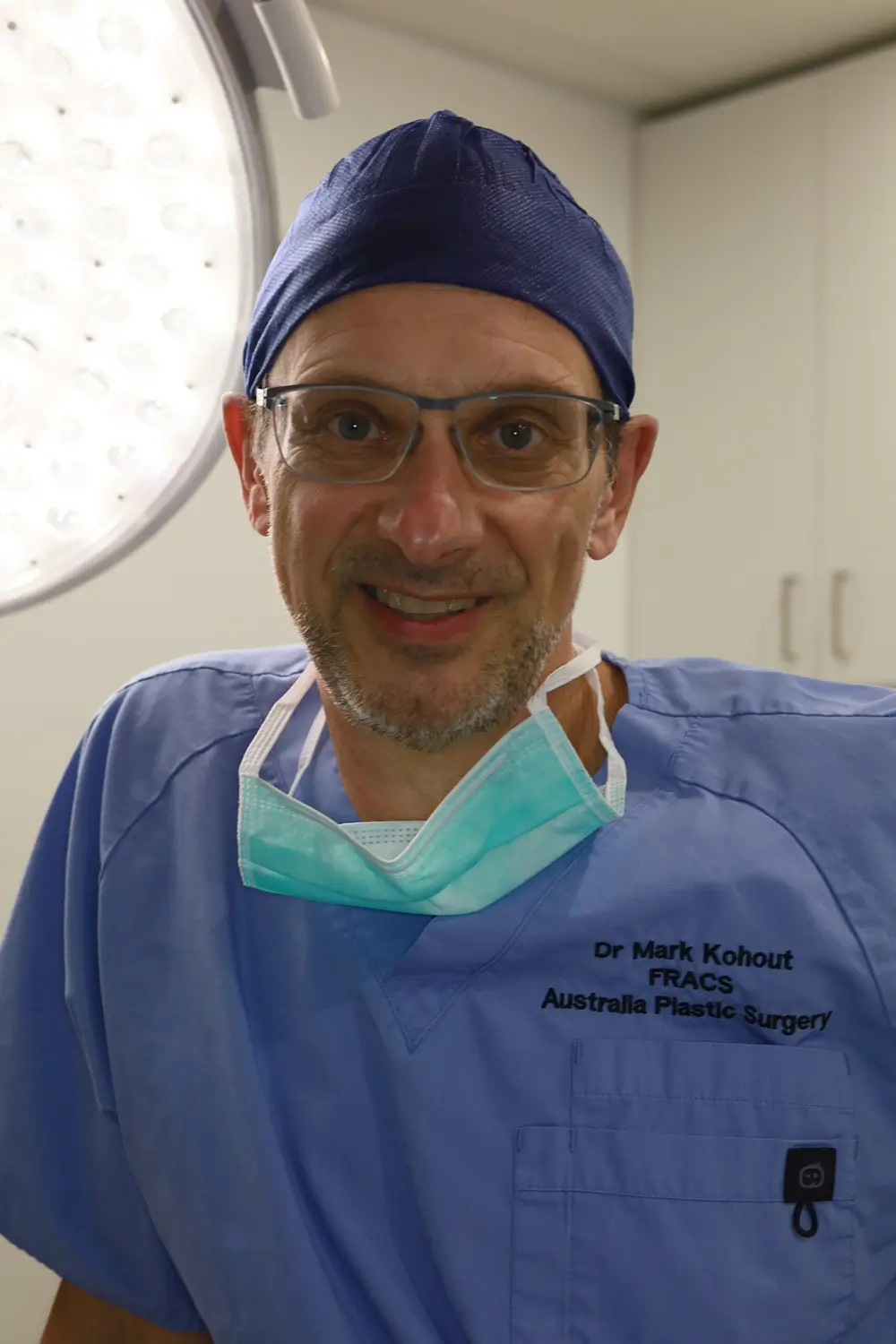
Dr Mark Kohout

Longer-Term Healing

Healing continues after many usual activities have resumed. Swelling, firmness, sensation and scar appearance may continue to change over an extended period.

The tissues on each side may settle at different rates. Temporary differences do not necessarily indicate the eventual surgical outcome, but they should still be discussed during follow-up.

Longer-term changes can also be influenced by ageing, health, weight variation, sun exposure and other individual factors.

Some patients may require further wound care, scar management, medical review or another form of treatment. No surgical result or recovery course can be guaranteed.

Dr Mark Kohout

FAQs About Neck Lift Recovery

How long does neck lift recovery take?Neck lift recovery time varies between patients. It may be influenced by the surgical techniques used, the extent of treatment, general health, medicines, nicotine exposure and the body’s healing response. A personalised estimate can only be discussed after consultation and assessment.
When can I return to work after neck lift surgery?Return to work depends on the physical demands of the role, required neck movement, driving responsibilities, workplace conditions and progress during recovery. Patients should not rely on a fixed online timeframe when arranging leave from work.
How long can swelling and bruising last after a neck lift?The degree and duration of swelling and bruising vary. These effects may change gradually, fluctuate after activity and differ between the two sides. Unexpected, increasing or predominantly one-sided swelling should be reported to the treating team.
When can I drive after neck lift surgery?Driving should not resume until the patient can turn their head adequately, respond appropriately in an emergency and is no longer affected by medicines that may impair alertness. Individual medical advice should be followed before returning to driving.
When can I exercise after a neck lift?Exercise should be resumed gradually and according to the instructions provided by the treating team. The timing depends on incision healing, swelling, symptoms and the extent of surgery. Strenuous activity and heavy lifting may remain restricted after light movement has resumed.
How should I sleep during neck lift recovery?Patients may be advised to sleep with their head elevated and avoid direct pressure on the treated area during early recovery. The recommended sleeping position and duration depend on the surgical plan and should be confirmed with the treating team.
When should I contact the practice during recovery?Patients should contact the practice about unexpected or rapidly increasing swelling, persistent bleeding, wound separation, increasing redness, discharge, fever, breathing or swallowing difficulty, worsening discomfort or any other concerning change. Urgent symptoms may require emergency medical assessment.
Medical References

Personalised Neck Lift Recovery Advice in Sydney

General online information cannot predict an individual neck lift recovery experience. During a consultation, Dr Mark Kohout MBBS (Syd), FRACS (Plast), Specialist Plastic Surgeon, can assess relevant health factors and discuss the proposed surgery, possible risks, post-operative care, follow-up requirements and activity restrictions. Dr Kohout consults at Australia Plastic Surgery, Suite 2, 37 Bay Street, Glebe, Sydney NSW 2037. Consultation does not guarantee suitability for surgery, a particular recovery timeline or a particular surgical result.

Take our Plastic Surgery Quiz to find out if you’d be a good candidate and if you are ready for cosmetic surgery.​

Further Reading

Welcome to the Practice of
Dr. Mark Kohout

With over 25 years of experience and Harvard training, Dr. Mark Kohout offers experienced plastic and reconstructive surgery at his Sydney and Orange clinics. His patient-first approach focuses on delivering safe, natural results tailored to your unique goals.

What's Next?

Whether you are ready for a professional evaluation or just have a quick question, we’ve made it easy to connect with our team. Choose the option that best fits your needs below.

Book your Consultation

Take the first step toward your goals by filling out the brief form below. This information helps us understand your specific needs so we can make the most of our time together during your session. Once you submit your details, a member of our team will review your request and reach out shortly to confirm your appointment.

Patient Photo Assessment

Sending photos for a patient photo assessment can help you and your plastic surgeon prepare for your consultation. By reviewing clear, accurate photos, Dr Kohout can provide preliminary patient photo assessment like insights, assess your needs, and determine the right approach for your procedure.

Tips for Uploading Photos

ASK A FRIEND

Friend takes photo

GOOD LIGHTING

Plain wall, bright light

ALL ANGLES

Front / sides/ 45°

CLEAR & SHARP

No portrait mode

SEND ORIGINALS

No edits or compression

Dr. Mark Kohout Plastic Surgery in Sydney & Orange

Experienced Plastic Surgeon

Dr. Mark Kohout

A qualified plastic surgeon who operates with care and integrity, based in central Sydney with over 20 years of experience in the cosmetic field. His extensive training and experience assures patients they are in highly trained surgical hands. Dr. Kohout is a dedicated, friendly professional who is committed to providing the high quality care, support and results, alongside his compassionate team.

Dr Mark Kohout (MED0001133000)
Specialist Plastic Surgeon
Specialist registration in Surgery – Plastic Surgery

25

Years of Experience

Years of Delivering Exceptional Cosmetic Care.

10000+

Surgical Procedures

Procedures performed by our qualified surgeons.

15+

Available Treatments

Cosmetic treatment options tailored to your needs.

Our Trusted

Accreditations

fracs

Dr Mark Kohout is a qualified plastic surgeon based in central Sydney, with over 20 years of experience in the field of cosmetic and reconstructive surgery. He draws on extensive surgical training and clinical experience to tailor care to the individual needs and goals of each patient.

Dr Kohout is known for his thoughtful, patient-centred approach, guiding individuals through each stage of their surgical journey — from initial consultation to post-operative care. Working alongside a compassionate and professional team, he is committed to providing high standards of care in a supportive and respectful environment.

Locations

Opening Hours

Monday - Friday

8:30AM - 05:00PM

Saturday - Sunday

Closed

Disclaimer: Dr Mark Kohout (MED0001133000) a Registered Medical Practitioner, Specialist Plastic Surgeon. All surgical or invasive procedures carry risks and complications. We recommend seeking a second opinion from an appropriately qualified medical practitioner before proceeding with any surgery. Results depend on individual patient circumstances and can vary significantly. Results may also be impacted by a variety of factors including your lifestyle, weight, nutritional intake and overall health. Consult your Specialist Plastic Surgeon for details. This information is general in nature and is not intended to be medical advice nor does it constitute a doctor-patient relationship. Surgery risks and complications will be covered in detail during a consultation with your Surgeon. We recommend seeking a second opinion from an appropriately qualified medical practitioner before proceeding with surgery.

©2024  All Rights Reserved

This website contains imagery which is only suitable for audiences 18+. All surgery contains risks, read more here.

X

Get Your Facial Aesthetic

Get Your Breast Implant Removal

Get Your Female Genital Surgery Guide

Get Your Excess Skin Guide

Get Your Gynaecomastia Guide

Get Your Liposuction Guide

Get Your Abdominoplasty Guide

Get Your Cost of Surgery Guide

Get Your Breast Implant Replace Guide

Get Your Breast Reduction Guide

Get Your Breast Augmentation Guide

Make an Enquiry