Neck Lift Sydney: Procedure, Recovery, Scars and Risks

With Dr. Mark Kohout

Neck-Lift Surgery

Neck lift surgery is a facial surgery procedure intended to address changes in the contour of the neck and lower jaw associated with skin laxity, underlying muscle changes and, in some cases, localised fat deposits.

The operation may involve removing excess skin, adjusting the platysma muscle, repositioning underlying tissues or addressing fat beneath the chin. The appropriate surgical approach depends on the structures contributing to an individual’s concerns.

Dr Mark Kohout, MBBS, FRACS (Plast), is a Specialist Plastic Surgeon in Sydney with more than 25 years of experience in plastic and reconstructive surgery. He provides consultation and surgical assessment for patients considering neck lift surgery.

This page explains the procedure, neck anatomy, surgical options, incision placement, recovery, potential complications and costs. An individual consultation is necessary to determine whether surgery is appropriate and what changes may reasonably be expected.

What Is Neck Lift Surgery?

A neck lift is a surgical procedure intended to alter the contour of the neck by addressing excess skin and changes in the underlying soft tissues.

The terms cervicoplasty and platysmaplasty are sometimes used when describing neck lift techniques. Cervicoplasty generally refers to the removal of excess neck skin, while platysmaplasty refers to surgical adjustment of the platysma muscle.

These techniques may be performed individually or in combination, depending on the patient’s anatomy and the extent of treatment required.

A neck lift may be performed as a separate operation or alongside a facelift when changes involve both the neck and lower face.

The procedure does not stop the ageing process, and it cannot address every factor affecting the contour of the neck and jawline.

What Concerns May Neck Lift Surgery Address?

Patients may consider neck lift surgery because of changes involving neck skin, underlying muscles or fat distribution.

Common concerns include:

Excess neck skin

Ageing, genetics and changes in body weight can contribute to reduced skin elasticity and excess skin beneath the chin or along the neck. Surgery may involve removing and repositioning this tissue.

Visible platysma bands

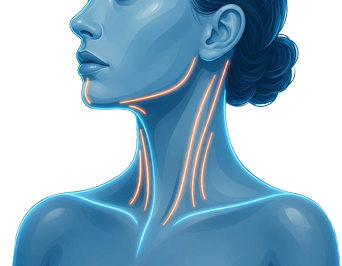
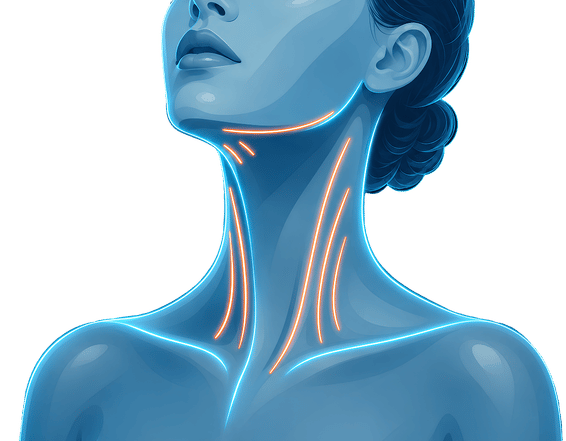
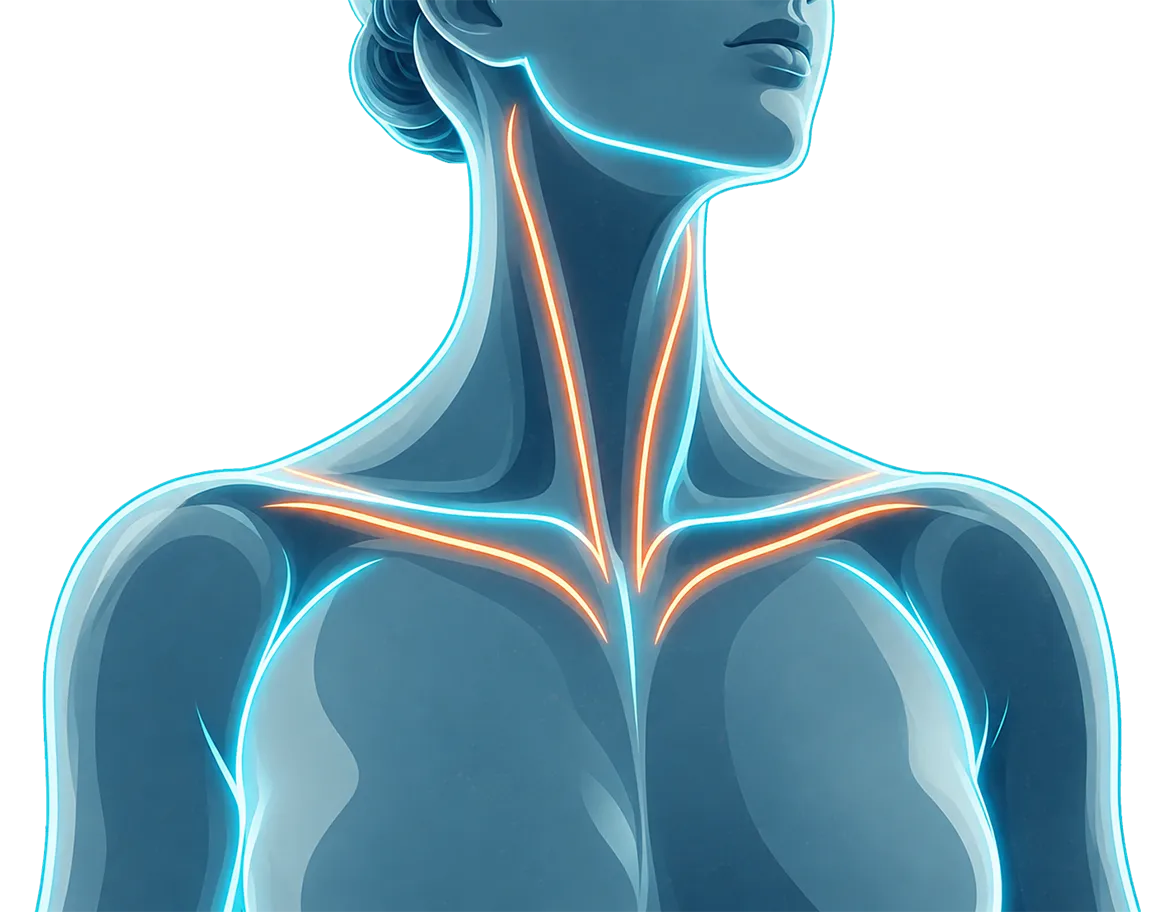
The platysma is a thin muscle extending across the front and sides of the neck. Changes in its position and tension may contribute to visible vertical bands, particularly during certain facial movements.

Localised fat beneath the chin

Fat deposits beneath the chin may contribute to fullness in the upper neck. In selected patients, liposuction or direct surgical treatment of fat may form part of the surgical plan.

Changes in the neck and jawline contour

A combination of skin laxity, muscle position and underlying facial anatomy may alter the transition between the lower jaw and neck.

Not all concerns can be addressed by neck lift surgery alone. The position of the chin, lower jaw, deeper neck structures and skin quality can influence what may be achieved.

Neck Lift Concerns Illustrated by Dr Mark Kohout

Understanding Neck Anatomy

The neck contains several layers of tissue that influence its external contour.

Understanding these structures helps explain why patients with apparently similar concerns may require different surgical approaches.

✓ Skin and Subcutaneous Tissue

The skin provides the outer covering of the neck. Its elasticity depends on factors including age, genetics, sun exposure and previous changes in body weight.

Beneath the skin is subcutaneous tissue, which contains varying amounts of fat.

Where substantial skin laxity is present, removing fat alone may not address the excess skin.

✓ Platysma Muscle

The platysma is a broad, thin superficial muscle extending from the upper chest and neck towards the lower face.

Changes in this muscle may contribute to vertical banding and alterations in the contour beneath the chin.

Some neck lift procedures involve repositioning or tightening the platysma to address these changes.

✓ Fat Distribution

Fat may be present both above and beneath the platysma muscle.

Superficial fat beneath the chin can sometimes be treated with liposuction. Deeper fullness may involve other anatomical structures and may not be suitable for liposuction.

✓ Chin, Jaw and Deeper Neck Structures

The skeletal position of the chin and jaw, the salivary glands and other deeper tissues also influence neck contour.

A neck lift does not change the underlying jawbone structure. These anatomical limitations are relevant when discussing the extent of change that surgery may achieve.

Understanding Neck Anatomy_ Layered Infographic by Dr Mark Kohout

Assessment Before Neck Lift Surgery

An individual assessment is required before deciding whether neck lift surgery is appropriate.

During consultation, Dr Kohout evaluates the patient’s concerns, medical history and relevant neck and facial anatomy.

The assessment may include:

  • The amount and distribution of excess neck skin
  • Skin elasticity and tissue quality
  • The position and appearance of platysma bands
  • Fat distribution beneath the chin
  • The relationship between the neck, chin and lower jaw
  • Previous facial or neck surgery
  • Existing scars and skin conditions
  • Medical conditions, medications and factors affecting healing

Smoking and nicotine exposure are particularly relevant because they impair circulation and wound healing.

The consultation also considers the patient’s reasons for seeking surgery, expectations, general health and ability to accommodate postoperative recovery.

Not every patient who seeks assessment will be suitable for an operation. In some circumstances, the anticipated benefits may be limited or the risks may outweigh the likely changes.

Neck Lift Surgical Techniques and Options

Neck lift surgery is not a single standardised operation. Different techniques may be considered according to the patient’s anatomy and the tissues requiring treatment.

✓ Skin Removal and Repositioning

Where excess skin is a significant concern, the surgeon may reposition the skin and remove selected excess tissue.

This generally requires incisions around or behind the ears, depending on the extent of surgery.

Skin repositioning is planned in conjunction with the underlying tissue adjustments, rather than relying solely on tension in the skin.

✓ Platysmaplasty

Platysmaplasty involves adjustment of the platysma muscle.

In some patients, the muscle edges may be brought together or repositioned to address visible bands or changes in the central neck.

Access may involve an incision beneath the chin, around the ears or a combination of locations.

✓ Neck Liposuction

Neck liposuction may be considered when localised superficial fat contributes to fullness beneath the chin.

It is generally more suitable when the overlying skin has sufficient elasticity to accommodate the reduction in fat.

Liposuction does not directly remove excess skin or correct significant platysma laxity. It may therefore be unsuitable as a stand-alone treatment for some patients.

✓ Combined Facelift and Neck Lift

When changes affect both the lower face and neck, a facelift and neck lift may be considered together.

The procedures address related anatomical regions, but they are not interchangeable. A combined operation may involve a more extensive surgical plan and recovery than an isolated neck procedure.

The decision to combine procedures depends on clinical findings, patient preferences and an assessment of the additional risks.

✓ Are Limited-Incision Neck Lifts an Option?

Some neck procedures use a more limited incision pattern when the required tissue adjustments are restricted.

However, a shorter incision does not necessarily mean that the operation is appropriate for every patient or that recovery will be shorter.

The extent and placement of incisions must provide adequate access to the tissues being treated. Dr Kohout can explain which surgical approaches may be appropriate after examining the neck.

Neck Lift Incisions and Scars

All surgical neck lifts that require skin incisions leave permanent scars.

The position and length of the scars depend on the techniques used and the amount of tissue requiring treatment.

✓ Where Are Neck Lift Incisions Usually Located?

Potential incision sites include:

  • Within a natural crease in front of the ear
  • Around the lower ear
  • Behind the ear
  • Along or within the hairline behind the ear
  • Beneath the chin

Not every patient requires all of these incisions.

An incision beneath the chin may be used to access the central neck or platysma muscle. Incisions around the ears may allow access for repositioning and removal of excess skin.

✓ Will Neck Lift Scars Be Visible?

Scars are permanent, although their appearance usually changes as healing progresses.

Initially, incision lines may appear red, pink, raised or firm. Over subsequent months, scars may become softer, flatter and less strongly coloured.

Some patients develop wider, raised, thickened or more noticeable scars.

Factors influencing scar formation include genetics, skin characteristics, wound tension, infection, previous scarring and individual healing responses.

No surgeon can guarantee that scars will become difficult to see.

✓ How Long Do Neck Lift Scars Take to Mature?

Scar maturation commonly continues for 12 months or longer.

During this period, colour, firmness and texture can change. Scar development may not occur at the same rate on both sides of the neck.

Patients should follow their postoperative wound care instructions and seek advice before using scar products, massage or other treatments.

Face side view teel green with orange laser art for Medicare and Neck Lift Whats Covered in Sydney by Dr Mark Kohout

Anaesthesia and Hospital Arrangements

Neck lift surgery may be performed under general anaesthesia. The appropriate anaesthetic plan depends on the extent of surgery, the patient’s health and the procedures being undertaken.

General anaesthesia involves medication that produces unconsciousness during the operation, with monitoring by an anaesthetist.

Some limited neck procedures may be performed using different anaesthetic arrangements in suitable clinical circumstances. This does not mean that every technique can be performed under local anaesthesia.

The proposed anaesthesia, surgical facility and expected postoperative monitoring should be explained before surgery.

Depending on the operation and individual health considerations, patients may be discharged following an appropriate observation period or require an overnight hospital stay.

Anaesthesia carries risks, including medication reactions, nausea, breathing complications and other potentially serious adverse events.

Recovery After Neck Lift Surgery

Recovery after neck lift surgery varies according to the extent of the operation, the tissues treated and individual healing.

Patients should anticipate a period of swelling, bruising and activity restrictions. Some symptoms may improve over the first few weeks, while deeper tissue healing and scar maturation continue for considerably longer.

✓ First Few Days

During the early recovery period, patients may experience:

  • Swelling around the neck and jaw
  • Bruising
  • Discomfort or a feeling of tightness
  • Temporary altered sensation
  • Limited neck movement
  • Tenderness around incision sites

Dressings, tapes, drains or supportive garments may be used depending on the procedure.

Medication and postoperative instructions are provided according to the individual surgical plan.

Patients may be advised to keep their head elevated, limit certain neck movements and avoid activities that increase strain on the healing tissues.

✓ First One to Two Weeks

Swelling and bruising may begin to reduce during this period, although their extent and duration differ considerably.

Some patients may be able to resume selected non-strenuous activities during the first couple of weeks. Others may need more time.

The ability to return to work depends on the type of work, postoperative symptoms and the extent of surgery.

Patients with physically demanding occupations may require a longer period away from their usual duties.

✓ Following Weeks

As healing progresses, swelling and tissue firmness may continue to change.

Patients may notice:

  • Residual swelling
  • Tightness beneath the chin or around the ears
  • Numbness or tingling
  • Temporary differences between the two sides of the neck
  • Firm areas beneath the skin
  • Changes in scar appearance

Strenuous exercise, heavy lifting and activities that place pressure on the healing tissues generally require restrictions during early recovery.

Clearance to resume exercise, driving and other activities should be based on postoperative assessment rather than a fixed timeline.

✓ Longer-Term Recovery

Changes in swelling, scar appearance, sensation and tissue position may continue for several months.

It may take a prolonged period before the tissues have settled sufficiently to assess the surgical outcome.

Some numbness, firmness or visible scarring may persist. Further treatment may occasionally be required for wound healing concerns, scars or other complications.

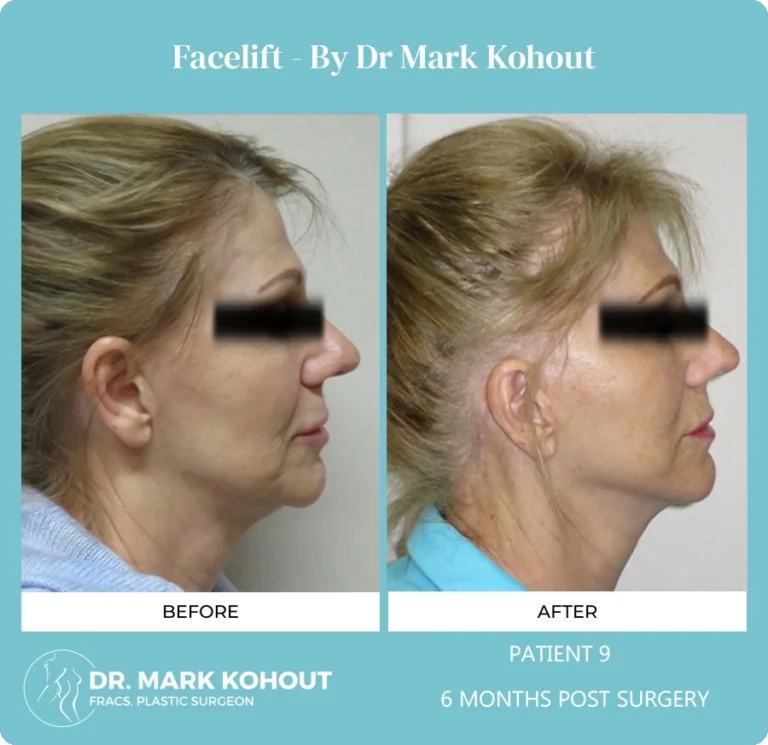
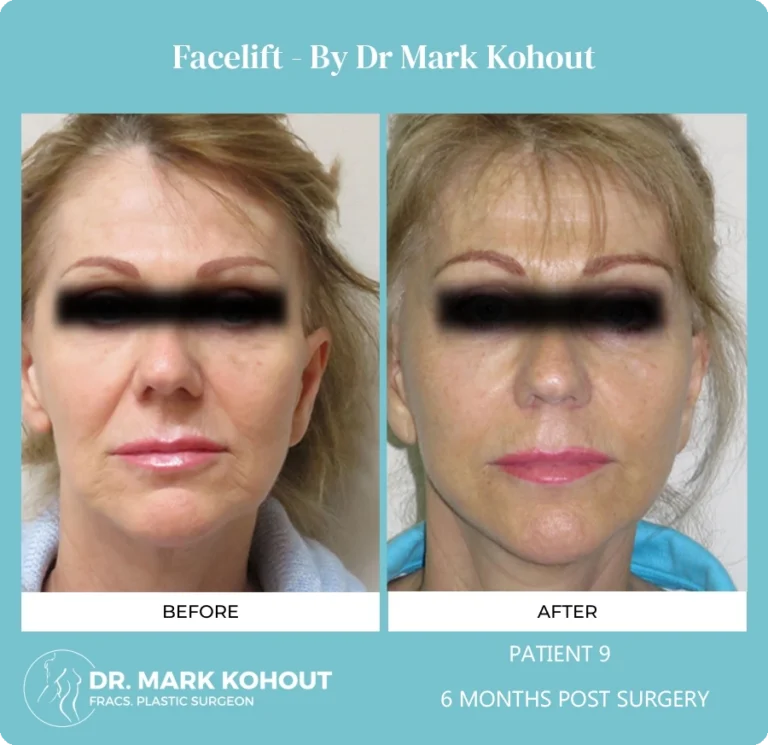
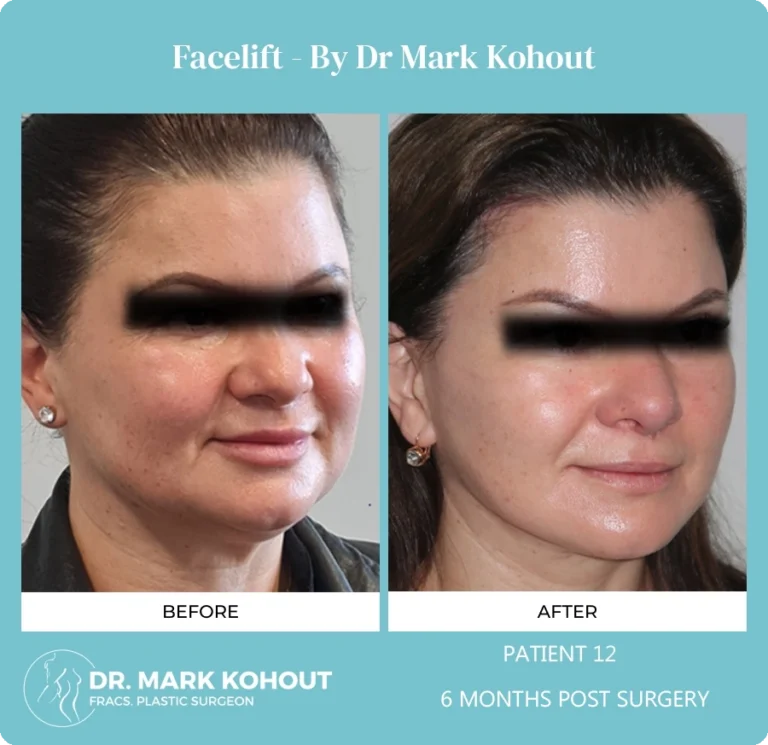
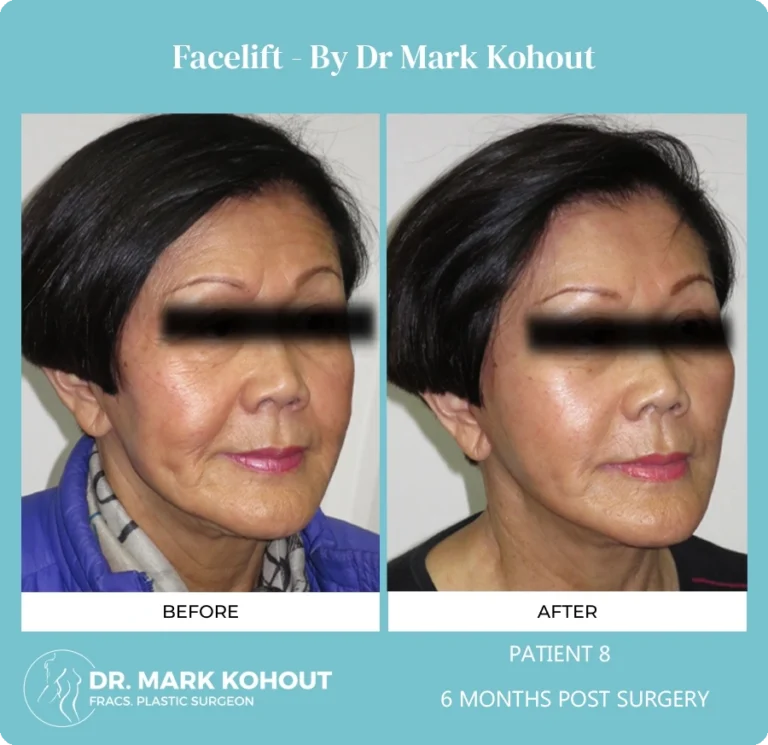
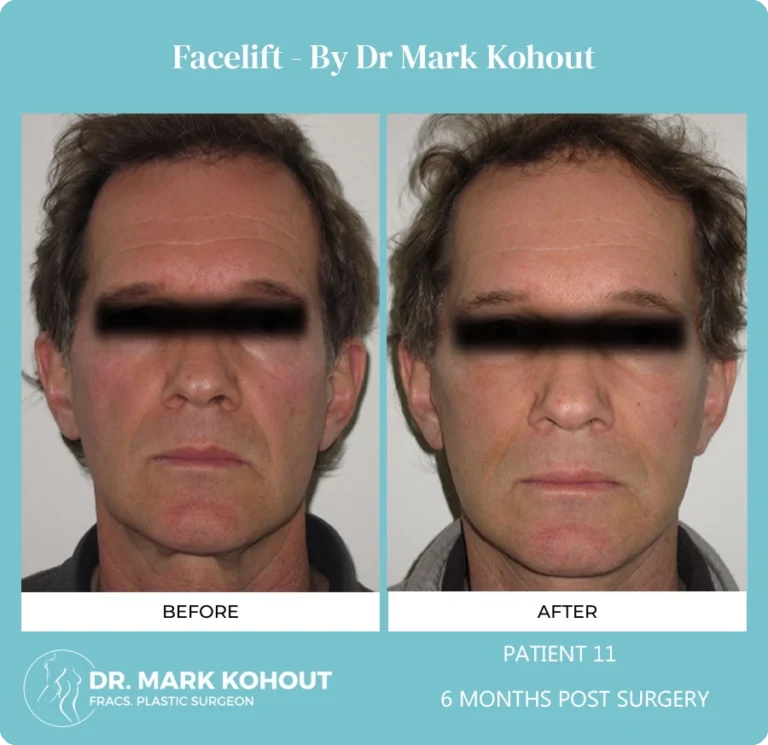
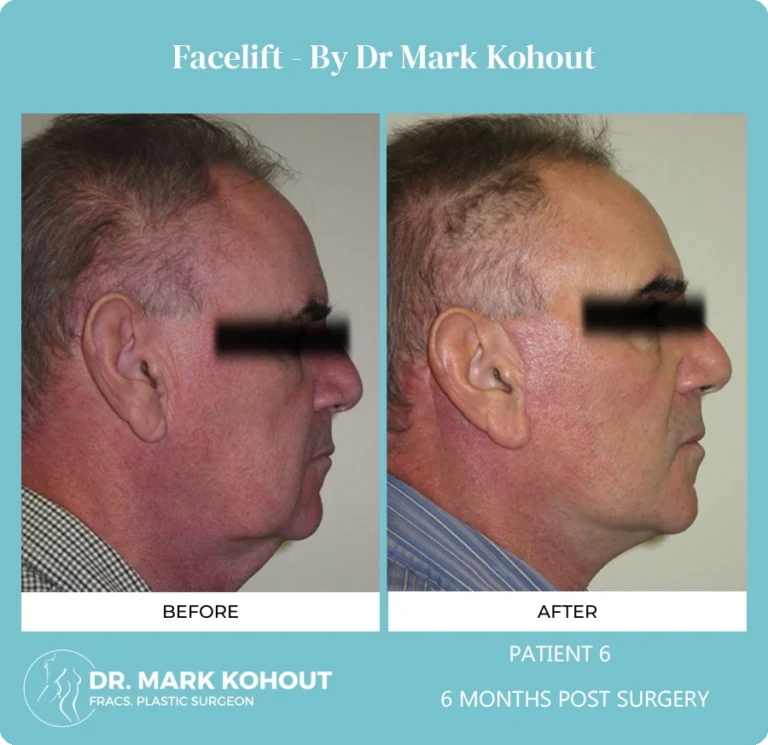
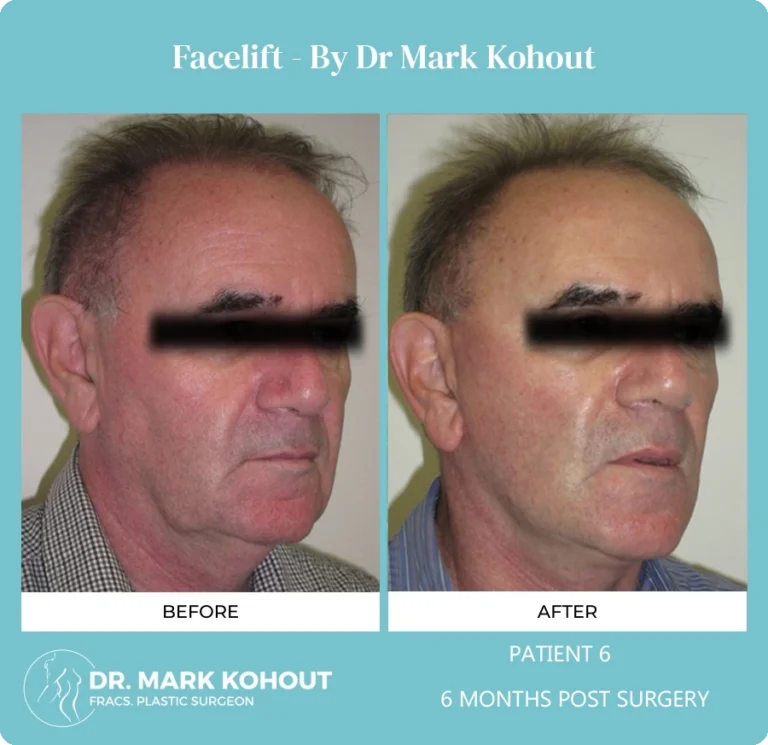
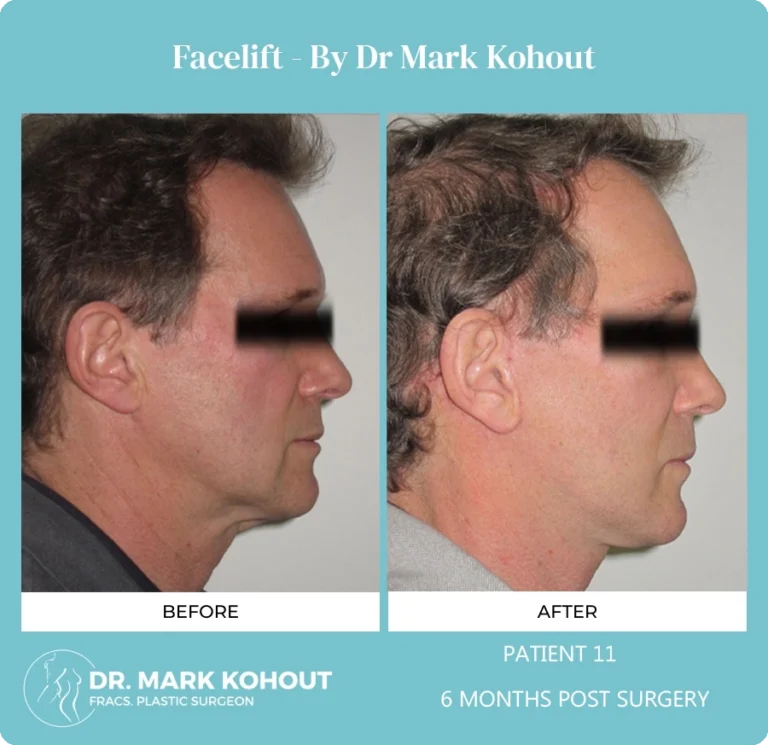
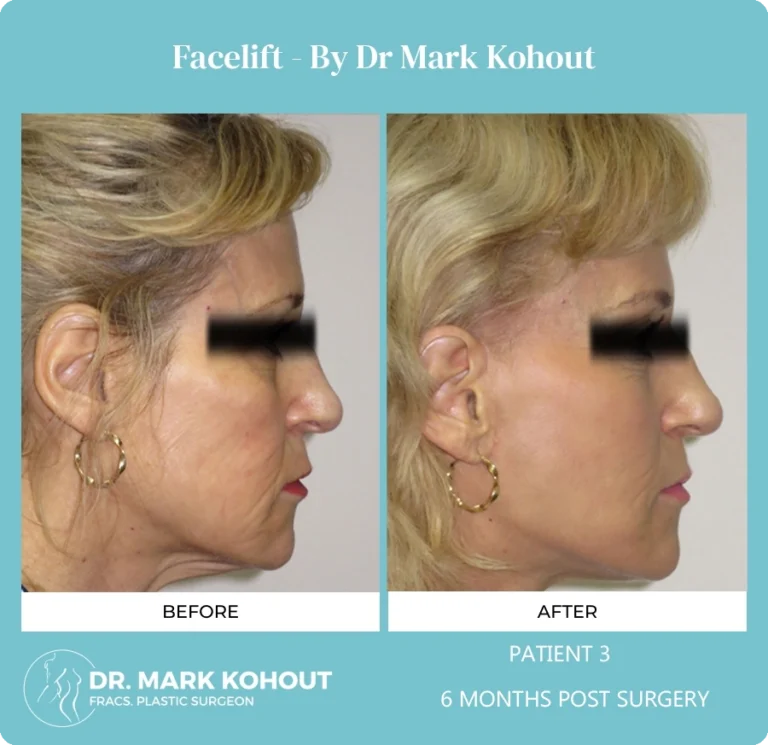
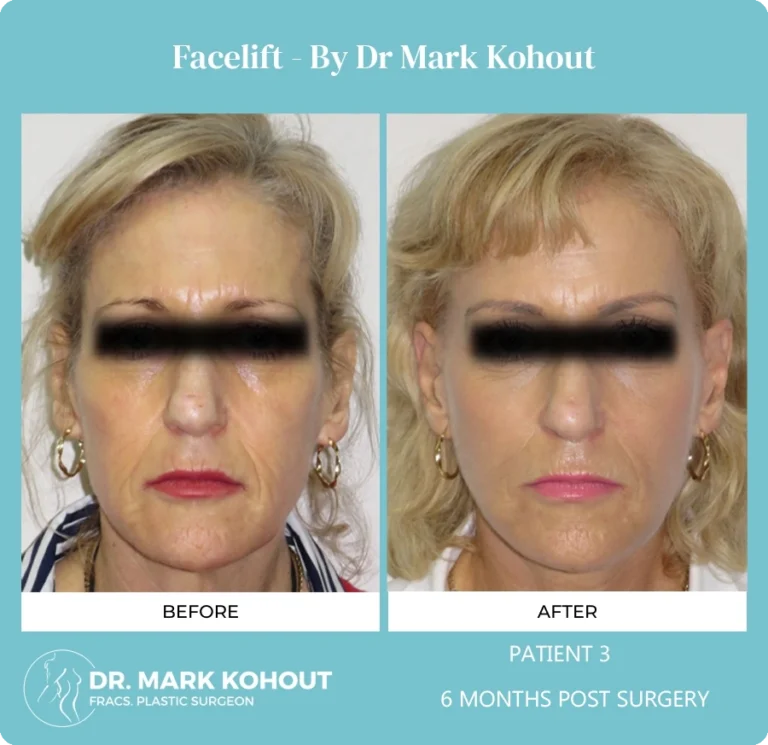
Before and After Photos of Facelift Surgery

These photographs show facelift surgery outcomes. They do not demonstrate outcomes from an isolated neck lift. Individual results vary.

Disclaimer

Individual results vary due to personal health factors and genetics, and all surgical procedures carry inherent risks that should be discussed with a qualified health professional.

Risks and Possible Complications of Neck Lift Surgery

Neck lift surgery carries risks associated with surgery, anaesthesia and healing.

Potential complications include:

  • Bleeding or haematoma: Blood may collect beneath the skin and, in some cases, require urgent surgical treatment.
  • Infection: Infection may require antibiotics, wound treatment or further surgery.
  • Poor wound healing: Incisions may heal slowly, separate or develop areas of tissue breakdown.
  • Skin circulation problems: Reduced blood supply can lead to skin injury or tissue loss, particularly in patients with relevant risk factors.
  • Scarring: Scars may be widened, raised, thickened, asymmetrical or more visible than anticipated.
  • Altered sensation: Numbness, tingling, sensitivity or discomfort may persist.
  • Nerve injury: Injury to nerves supplying the lower face or neck may cause weakness or changes in movement. Some nerve injuries may be prolonged or permanent.
  • Fluid collections: Seroma or other fluid accumulation may require assessment or drainage.
  • Asymmetry or contour irregularities: Differences between the two sides, residual skin laxity or uneven contours may remain.
  • Anaesthetic complications: These may include breathing, cardiovascular or medication-related complications.
  • Blood clots: Deep vein thrombosis and pulmonary embolism are uncommon but potentially serious complications associated with surgery.
  • Need for further treatment: Revision surgery or additional care may be required.

A patient may also be dissatisfied with the appearance despite appropriate surgical planning and healing.

Smoking, certain medical conditions, previous surgery and individual tissue characteristics may influence complication risks.

Dr Kohout discusses risks relevant to the proposed operation during consultation.

✓ When Should Medical Advice Be Sought After Surgery?

Patients should contact their surgical team promptly if they develop increasing pain, unusual swelling, persistent bleeding, spreading redness, fever, wound discharge or wound separation.

Sudden or rapidly expanding neck swelling, difficulty breathing, chest pain or other severe symptoms require immediate emergency assessment.

Patients should not wait for a scheduled follow-up appointment when unexpected or worsening symptoms occur.

Neck Lift Recovery Featured image - Mark Kohout

What Changes Can Be Expected After a Neck Lift?

Neck lift surgery is intended to alter the position and contour of selected neck tissues.

Depending on the structures treated, surgery may reduce the appearance of excess neck skin, change visible platysma banding or address selected fatty deposits.

However, several factors influence the outcome, including:

  • Skin elasticity and thickness
  • Muscle and fat distribution
  • Chin and jaw anatomy
  • Age and general health
  • Individual wound healing
  • Scar formation
  • The extent of the operation

A neck lift cannot prevent further ageing or guarantee a particular neck or jawline contour.

It also may not address skin texture, fine lines, pigmentation changes or deeper anatomical features.

Weight variation, sun exposure, skin changes and the natural ageing process can affect the appearance of the neck over time.

There is no reliable fixed duration for which an individual neck lift result can be guaranteed.

Neck Lift Surgery Cost in Sydney

The cost of neck lift surgery in Sydney varies according to the extent of treatment, the surgical plan, anaesthesia and hospital arrangements.

A more limited procedure may involve different resources and fees from an operation requiring extensive tissue adjustment or a combined facelift and neck lift.

✓ What Is Included in the Cost?

Potential components of the total cost include:

  • Surgeon’s fee
  • Anaesthetist’s fee
  • Hospital or operating theatre charges
  • Surgical assistant fees, where applicable
  • Postoperative garments or dressings
  • Medications and other postoperative expenses
  • Follow-up care
  • Any additional treatment required for complications or revision surgery

Patients should request a written quotation explaining which expenses are included and which may be charged separately.

An individual cost estimate can only be provided following consultation and surgical planning.

✓ Does Medicare Cover Neck Lift Surgery?

Neck lift surgery performed solely for cosmetic reasons is generally not eligible for Medicare benefits.

In selected medically indicated circumstances, particular surgical services may qualify for Medicare benefits if all requirements of the relevant Medicare Benefits Schedule item are met.

Eligibility cannot be determined by the general procedure name alone.

A referral, symptoms or a recommendation for surgery do not automatically establish Medicare eligibility.

✓ Will Private Health Insurance Contribute?

Private health insurance contributions depend on the patient’s policy, exclusions, waiting periods, hospital cover and whether the proposed service is eligible.

Cosmetic surgery is generally self-funded.

Even where an eligible medically indicated service attracts a Medicare or insurance contribution, out-of-pocket expenses may remain.

The clinic can discuss the proposed procedure and relevant financial information after assessment.

Dr Mark Kohout Portrait Image

Frequently Asked Questions About Neck Lift Surgery

What is the difference between a neck lift and a facelift?

A neck lift focuses on tissues contributing to the contour of the neck and the region beneath the jaw.

A facelift generally addresses changes in the lower face and may also involve neck tissues.

The procedures can overlap anatomically and may sometimes be performed together. The appropriate approach depends on the patient’s areas of concern and examination findings.

Can liposuction replace a neck lift?

Liposuction may reduce selected superficial fat deposits beneath the chin, but it does not remove excess skin or directly correct substantial muscle laxity.

Where skin laxity or platysma banding is a significant concern, liposuction alone may not achieve the intended change.

Is a neck lift always performed under general anaesthesia?

General anaesthesia is commonly used for more extensive neck lift procedures. Some limited operations may use other anaesthetic techniques in selected circumstances.

The decision depends on the planned operation, patient health and anaesthetic assessment.

How painful is neck lift surgery?

Discomfort, tenderness and tightness can occur after surgery. The type, intensity and duration of symptoms vary between patients.

Pain management is planned according to the operation and medical circumstances. Severe or worsening pain should be assessed.

How much time should I take off work?

Patients often need time away from work during early recovery.

Some may resume non-strenuous duties within approximately two weeks, but this is not a guaranteed timeframe. More extensive surgery, persistent swelling or physically demanding work may require a longer absence.

Dr Kohout can provide individual guidance based on the proposed procedure.

Where will my neck lift scars be?

Scars may be located around or behind the ears, within adjacent hair-bearing areas or beneath the chin.

The incision pattern depends on the surgical technique. All incisions produce permanent scars, and their eventual appearance varies.

Can a neck lift be performed without scars?

Surgical incisions produce scars. Although incision placement may help position scars within anatomical creases or less prominent areas, scar-free neck lift surgery should not be expected.

How long does swelling last?

Swelling is commonly most noticeable during early recovery and may reduce over the following weeks.

Residual swelling and changes in tissue firmness can continue for several months. The recovery pattern is influenced by the extent of surgery and individual healing.

Can neck lift surgery correct vertical neck bands?

Where visible bands are associated with the platysma muscle, surgical adjustment of the muscle may reduce their appearance.

The degree of change depends on muscle anatomy, skin quality and other contributing structures. Complete removal of all visible bands cannot be guaranteed.

Does a neck lift permanently remove excess neck skin?

Skin removed during surgery does not grow back in the same way. However, the remaining skin and tissues continue to change with ageing, weight variation and other factors.

Future skin laxity or contour changes may occur.

Is there an age limit for neck lift surgery?

There is no single age at which neck lift surgery becomes appropriate.

Suitability depends on anatomy, medical history, health, treatment goals and assessment of risks and expected benefits.

Age alone does not establish eligibility.

Can neck lift surgery be combined with other facial procedures?

A neck lift may sometimes be performed alongside a facelift or another facial procedure.

Combining operations requires consideration of surgical extent, anaesthesia, recovery and the cumulative risks.

Additional face procedures should only be considered when clinically appropriate following an individual assessment.

Consultation for Neck Lift Surgery in Sydney

Dr Mark Kohout provides consultation and assessment for patients considering neck lift surgery in Sydney.

An initial enquiry allows patients to obtain information about the consultation process and referral requirements.

Under the Medical Board of Australia’s cosmetic surgery guidelines, patients seeking cosmetic surgery require a referral from an independent general practitioner or another appropriate medical specialist.

Patients must undergo at least two preoperative consultations, including an in-person consultation with the practitioner who will perform the operation.

The assessment includes discussion of the patient’s medical history, reasons for seeking surgery, relevant anatomy, available treatment options, limitations and potential complications.

Patients are also provided with information about recovery, postoperative care and the expected costs of the proposed treatment.

For adults undergoing cosmetic surgery, a cooling-off period of at least seven days is required after the specified consultations and informed consent, before surgery can be booked or a deposit paid.

A consultation does not create an obligation to proceed with surgery.

✓ Arranging a Consultation

Patients considering neck lift surgery can contact Dr Kohout’s Sydney practice to enquire about consultation arrangements, referral requirements and the assessment process.

The purpose of consultation is to determine whether surgery is appropriate and to provide sufficient information for an informed decision.

Contact Dr Mark Kohout’s practice to enquire about a neck lift consultation in Sydney.

Dr Mark Kohout

Explore questions to consider before a cosmetic surgery consultation

Further Reading

Welcome to the Practice of
Dr. Mark Kohout

With over 25 years of experience and Harvard training, Dr. Mark Kohout offers experienced plastic and reconstructive surgery at his Sydney and Orange clinics. His patient-first approach focuses on delivering safe, natural results tailored to your unique goals.

What's Next?

Whether you are ready for a professional evaluation or just have a quick question, we’ve made it easy to connect with our team. Choose the option that best fits your needs below.

Book your Consultation

Take the first step toward your goals by filling out the brief form below. This information helps us understand your specific needs so we can make the most of our time together during your session. Once you submit your details, a member of our team will review your request and reach out shortly to confirm your appointment.

Patient Photo Assessment

Sending photos for a patient photo assessment can help you and your plastic surgeon prepare for your consultation. By reviewing clear, accurate photos, Dr Kohout can provide preliminary patient photo assessment like insights, assess your needs, and determine the right approach for your procedure.

Tips for Uploading Photos

ASK A FRIEND

Friend takes photo

GOOD LIGHTING

Plain wall, bright light

ALL ANGLES

Front / sides/ 45°

CLEAR & SHARP

No portrait mode

SEND ORIGINALS

No edits or compression

Dr. Mark Kohout Plastic Surgery in Sydney & Orange

Experienced Plastic Surgeon

Dr. Mark Kohout

A qualified plastic surgeon who operates with care and integrity, based in central Sydney with over 20 years of experience in the cosmetic field. His extensive training and experience assures patients they are in highly trained surgical hands. Dr. Kohout is a dedicated, friendly professional who is committed to providing the high quality care, support and results, alongside his compassionate team.

Dr Mark Kohout (MED0001133000)
Specialist Plastic Surgeon
Specialist registration in Surgery – Plastic Surgery

25

Years of Experience

Years of Delivering Exceptional Cosmetic Care.

10000+

Surgical Procedures

Procedures performed by our qualified surgeons.

15+

Available Treatments

Cosmetic treatment options tailored to your needs.

Our Trusted

Accreditations

fracs

Dr Mark Kohout is a qualified plastic surgeon based in central Sydney, with over 20 years of experience in the field of cosmetic and reconstructive surgery. He draws on extensive surgical training and clinical experience to tailor care to the individual needs and goals of each patient.

Dr Kohout is known for his thoughtful, patient-centred approach, guiding individuals through each stage of their surgical journey — from initial consultation to post-operative care. Working alongside a compassionate and professional team, he is committed to providing high standards of care in a supportive and respectful environment.

Locations

Opening Hours

Monday - Friday

8:30AM - 05:00PM

Saturday - Sunday

Closed

Disclaimer: Dr Mark Kohout (MED0001133000) a Registered Medical Practitioner, Specialist Plastic Surgeon. All surgical or invasive procedures carry risks and complications. We recommend seeking a second opinion from an appropriately qualified medical practitioner before proceeding with any surgery. Results depend on individual patient circumstances and can vary significantly. Results may also be impacted by a variety of factors including your lifestyle, weight, nutritional intake and overall health. Consult your Specialist Plastic Surgeon for details. This information is general in nature and is not intended to be medical advice nor does it constitute a doctor-patient relationship. Surgery risks and complications will be covered in detail during a consultation with your Surgeon. We recommend seeking a second opinion from an appropriately qualified medical practitioner before proceeding with surgery.

©2024  All Rights Reserved

[leadconnector_script]

This website contains imagery which is only suitable for audiences 18+. All surgery contains risks, read more here.

Close Welcome Bar

Get Your Skin Tightening with Renuvion and Bodytite Guide

Get Your Buttock Lift & Implants Guide

Get Your Facial Aesthetic

Get Your Breast Implant Removal

Get Your Female Genital Surgery Guide

Get Your Excess Skin Guide

Get Your Gynaecomastia Guide

Get Your Liposuction Guide

Get Your Abdominoplasty Guide

Get Your Cost of Surgery Guide

Get Your Breast Implant Replace Guide

Get Your Breast Reduction Guide

Get Your Breast Augmentation Guide

Make an Enquiry