


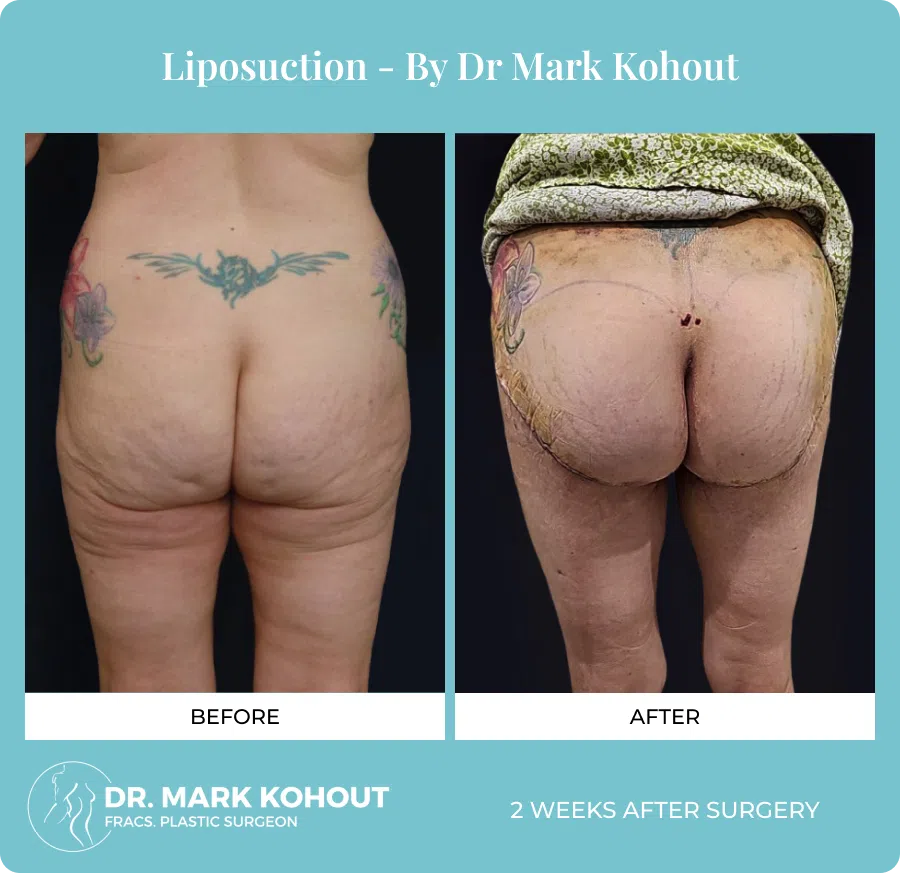
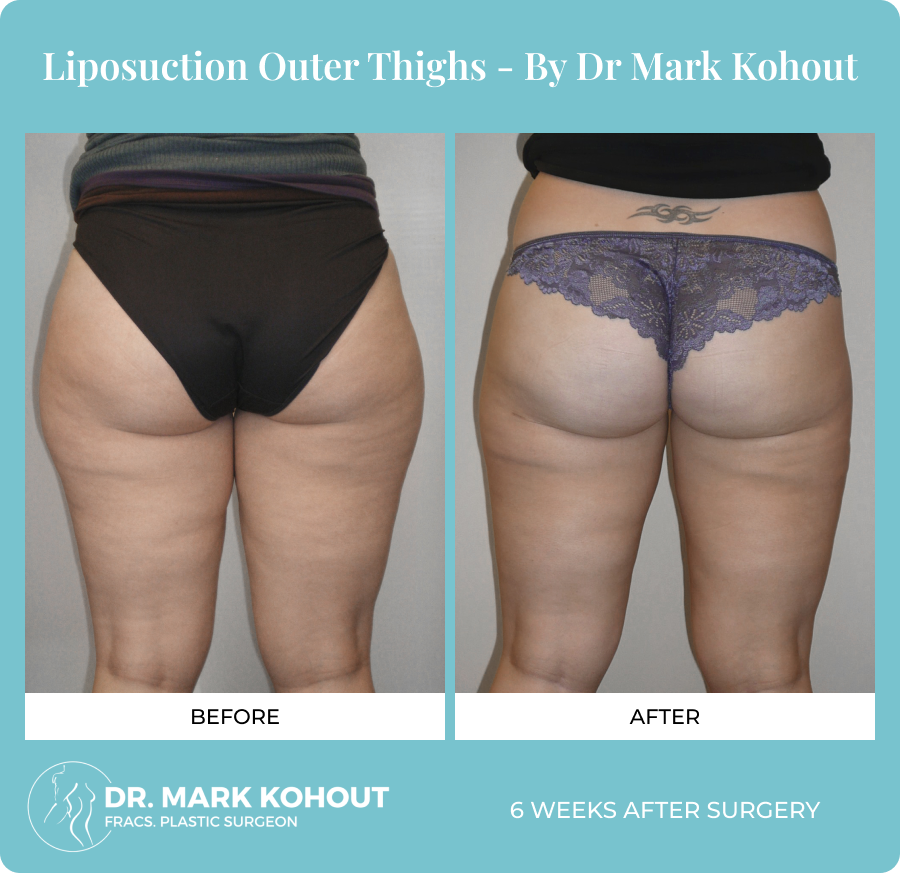
Volume changes in the buttocks are sometimes described as “Empty Buttock Syndrome,” a non-medical term used to explain a noticeable reduction in shape or projection following certain procedures or significant weight fluctuations. While not a medical diagnosis, this description is used by patients and clinicians alike to refer to altered volume and balance in the lower body.
At Dr. Mark Kohout Plastic Surgery in Sydney & Orange, Specialist Plastic Surgeon Dr Mark Kohout regularly sees individuals seeking advice on these types of changes. With over 25 years of focused surgical experience, Dr Kohout offers patients clear, measured information about their options, backed by thorough clinical assessment.
This article explores why volume loss can occur, how patients often describe the changes, what buttock reshaping options are available – including procedures such as buttock implant surgery and how Dr Kohout supports decision-making at every stage.
What Does the Term 'Empty Buttock Syndrome' Refer To?
Some patients notice a flatter shape or reduced projection in their buttocks after a prior procedure or significant weight loss. In these cases, the area may feel less balanced in relation to the rest of the body. This appearance has come to be informally known as Empty Buttock Syndrome.
It is not a diagnosis or medical condition. Rather, it is a way to describe volume loss that patients may experience due to:
- Fat removal (such as liposuction)
- Natural ageing
- Weight fluctuations
- Previous procedures with limited long-term volume retention
Patients often say they feel their shape has changed or that clothing fits differently than it once did. At Dr. Mark Kohout Plastic Surgery in Sydney & Orange, this concern is approached with sensitivity and clinical care, without judgement or assumptions.
Why Volume Changes Occur in the Buttock Region
- Previous Fat Removal Procedures
In some cases, prior liposuction or contouring procedures may have removed more volume than anticipated. If this occurs in the buttock or surrounding areas, the result may be a flatter appearance. When the tissue structure is disrupted or insufficient volume remains, the body’s natural shape may change in a way that does not match the individual’s overall proportions.
- Weight Changes
Significant weight loss can result in reduced fat volume across the body, including the buttocks. This may alter shape or affect the way the skin supports the underlying tissue. When weight is lost quickly or over a short period, soft tissue may not adjust evenly, and some areas may appear reduced in volume or less defined than before.
- Ageing and Fat Distribution
As the body changes with age, fat pads can shift or reduce in volume. This is a natural process, but for some people, it may lead to a less projected or altered shape. Changes in skin quality, elasticity, and muscle tone may also contribute to changes in how the lower body appears over time. This process is gradual but can become more noticeable in combination with other factors such as weight change or previous surgery.
- Outcomes from Previous Procedures
In some situations, previous procedures such as fat grafting or implant placement may not have resulted in long-term volume retention or balance. This can vary depending on how the procedure was performed, the techniques used, and how the body responded. Inconsistent fat retention, tissue settling, or changes in surrounding areas can all contribute to the appearance described as Empty Buttock Syndrome.
How Patients Commonly Describe These Changes
Patients who come to Australia Cosmetic Clinics for assessment often describe:
- A flatter appearance to the buttocks
- Less projection when viewed from the side
- A sense that clothing fits differently in the hip area
- A preference for more shape or balance in the lower body
- Discomfort with certain clothing styles or swimwear
These descriptions are based on each person’s perception of their body and how it has changed over time. Some individuals mention that they noticed the changes months or even years after a procedure. Others may have felt initially satisfied but gradually observed differences in symmetry, proportion, or support. Dr Kohout listens closely to each patient’s concerns and takes time to understand what changes have occurred, when they began, and how they affect the individual day-to-day.
An Increasing Area of Enquiry in Sydney
More people are seeking information and assessment following procedures performed locally or overseas. In particular, patients may seek input after:
- Previous fat transfer that did not maintain volume
- Liposuction that affected nearby areas
- General body changes due to ageing or weight loss
- Procedures done overseas where follow-up care may not have been available
Dr Mark Kohout is based in central Sydney and has seen an increase in individuals requesting consultation for this concern. His role is to provide informed advice, based on his clinical experience and a careful review of each patient’s situation. With patients now increasingly aware of the need for medically qualified care, many seek assessment from surgeons with a strong background in both aesthetic and reconstructive planning.
Treatment Options for Buttock Volume Loss
Where appropriate, surgical options may be considered to modify volume or shape. These are only recommended after full consultation and assessment. Depending on anatomy and medical history, options may include:
✓ Fat Transfer (Autologous Fat Grafting)
This process involves collecting fat from one area of the body and transferring it to another, in this case the buttocks. Fat transfer to the buttocks uses the patient’s own tissue, which may integrate more naturally. However, not all transferred fat remains in place long term, and results can vary between individuals.
The amount of fat that survives is influenced by factors such as how the fat is handled, the area it is placed into, and the body’s response during healing. In some cases, more than one fat transfer session may be recommended to build a gradual and consistent result. Dr Kohout discusses this with patients ahead of time so they understand what to expect.
✓ Buttock Implants
For individuals without adequate donor fat, silicone implants may be used to support volume and shape. These are placed with careful consideration of the body’s structure. Implant type, size, and placement are selected based on body proportions and the support of surrounding tissue.
Dr Kohout takes time to explain the procedure, its risks, and potential outcomes. He also discusses how implants may feel, what support garments may be needed during recovery, and how to manage expectations as the body adapts post-surgery.
✓ Supportive Soft Tissue Techniques
In situations where skin and tissue support has changed, internal suturing or support structures may be discussed. These are specialised techniques used in select cases to improve structural integrity. They may be combined with other procedures or used to stabilise volume achieved by fat transfer.
✓ Combined Approaches
Sometimes, the most appropriate option involves using more than one technique, such as fat transfer combined with a support method. Every approach is tailored and discussed thoroughly with the patient. Dr Kohout ensures that each individual understands how the procedures interact and what recovery might involve.
Planning Surgery with Dr Mark Kohout
If a patient is considering surgery to address volume changes, the first step is an in-person consultation. This includes:
- A confidential discussion of concerns and goals
- Review of medical and surgical history
- Physical examination of the buttocks and surrounding areas
- A careful explanation of possible approaches
Dr Kohout places a strong emphasis on informed consent and realistic planning. He avoids making promises and encourages patients to fully understand the process, including risks and recovery. Every question is welcomed, and patients are encouraged to take the time they need to decide whether surgery is right for them.
Understanding the Recovery Process
Recovery varies between patients. Dr Kohout provides tailored instructions and follow-up to support healing. Patients receive clear guidance on:
- Activity restrictions
- Signs to monitor
- When to attend follow-up visits
- How to care for incision areas or graft sites
The recovery process is individual and depends on the procedure chosen. For fat transfer, swelling is expected and results may not be immediately visible. For implants or combined procedures, garments may need to be worn and movement modified in the early healing phase. Dr Kohout and his team are available throughout the healing period to provide support and monitor progress.
Can These Changes Be Prevented?
Not all changes to body shape can be prevented. However, steps that may support long-term results include:
- Selecting a surgeon with formal Specialist Plastic Surgery qualifications
- Avoiding excessive volume removal or unbalanced reshaping
- Discussing proportion and long-term outcomes rather than trends
- Considering tissue quality, age, and lifestyle factors during planning
At Australia Cosmetic Clinics, planning is collaborative. Dr Kohout helps patients explore realistic outcomes and understand the decisions involved. He works to deliver care that respects each person’s anatomy and preferences while maintaining a clear clinical perspective.
Empty Buttock Syndrome FAQs
Can this condition happen even without surgery?
Yes, some individuals may notice changes in buttock volume over time due to natural fat redistribution, ageing, or significant weight loss, even if they haven’t had previous procedures.
Why does fat transfer not always last long term?
Fat transfer outcomes depend on how well the grafted fat cells establish a blood supply. Some volume is typically reabsorbed by the body, which is why results can vary.
Is it possible to be affected after a procedure done many years ago?
Yes, changes can become more noticeable several years after surgery, especially if ageing, weight changes, or hormonal shifts affect tissue quality and volume.
Does muscle tone play a role in buttock shape after volume loss?
Muscle tone can influence overall body shape but won’t replace lost fat volume. However, maintaining muscle strength may support general tissue firmness.
Can fat be transferred from any area of the body?
Not all areas are suitable as donor sites. The abdomen, thighs, and flanks are commonly assessed to determine where fat can be safely collected.
Are implants the only option if I don’t have enough fat for transfer?
Implants may be considered when fat volume is limited, but a thorough discussion is needed to determine if they’re suitable based on your anatomy and goals.
Can this condition be addressed in stages?
Yes, some individuals benefit from a staged approach, especially when building volume gradually or combining fat transfer with other techniques.
How soon can I sit down after a procedure?
After gluteal procedures, patients are often advised to modify sitting positions temporarily. Dr Kohout provides specific guidance based on the procedure performed.
Will others be able to tell I’ve had this type of procedure?
Changes are usually subtle and tailored to suit each person’s proportions. Most patients say others notice a difference in overall shape without knowing why.
Is it possible to support long-term results with lifestyle choices?
Maintaining a stable weight and following aftercare instructions can help preserve outcomes. Dr Kohout will advise on supportive measures that suit your individual needs.
Medical References
- Rebecca C O’Neill, Summer E Hanson, Edward Reece, Sebastian Winocour, Safety Considerations of Fat Grafting in Buttock Augmentation, Aesthetic Surgery Journal, Volume 41, Issue Supplement_1, June 2021, Pages S25–S30, https://doi.org/10.1093/asj/sjab092
- Helio Ricardo Nogueira Alves, Gregory Nicolas, Gluteoplasty With Lumbar Gluteal Flap Associated With Liposuction and Fat Grafting: A Safe Technique for Massive Weight Loss Patients, Aesthetic Surgery Journal, Volume 44, Issue 4, April 2024, Pages 404–411, https://doi.org/10.1093/asj/sjad339
Why Choose Dr Mark Kohout in Sydney?
Dr Mark Kohout is a Specialist Plastic Surgeon with over 25 years of clinical experience. Based in Sydney, he is recognised for his measured, professional approach and focus on patient care.
His experience includes:
- Specialist training in Australia, the UK, and the USA
- A clinical focus on body procedures, including complex cases
- A patient-centred process that prioritises clear information and realistic planning
He is supported by a team of experienced nursing and administrative staff who guide patients from consultation through to recovery. The clinic is equipped with modern facilities and follows safety standards consistent with hospital-level care.
Booking a Consultation with Dr Mark Kohout
If you are considering buttock reshaping surgery or want to understand changes in your body following previous procedures or weight changes, you can book a consultation with Dr Mark Kohout in Sydney. Every assessment is handled with discretion, care, and a focus on well-informed planning.
During your appointment, you will have time to discuss your concerns, learn about your options, and consider your next steps at your own pace. There is no pressure to proceed, and every patient is encouraged to make decisions that feel right for them.
To arrange your appointment or to learn more, contact Dr Mark Kohout.
Further Reading
- Read more about Body Lift Sydney
- Read more about Buttocks Reshaping
- Read Dr. Mark Kohout’s Blog on Gluteal Augmentation With Implants in Sydney: Understanding a Surgical Option
Related Blog Posts
Gluteal Augmentation With Implants in Sydney:…
Interest in fuller, more projected buttock shapes has grown steadily, encouraged in part by social media and online imagery. Many people in Sydney arrive at a consultation with screenshots, mixed…
Managing Body Lift Scars
Healing in Plain Sight: A Comprehensive Approach to Body Lift Scar Care A body lift is a surgical procedure designed to remove excess skin and address body contouring, often following significant weight…
Managing Thigh Lift Scars: A Guide
Managing Thigh Lift Scars: A Guide A thigh lift, also referred to as thighplasty, is a surgical procedure designed to remove excess skin and fat from the thighs, often following significant…
Experienced Plastic Surgeon
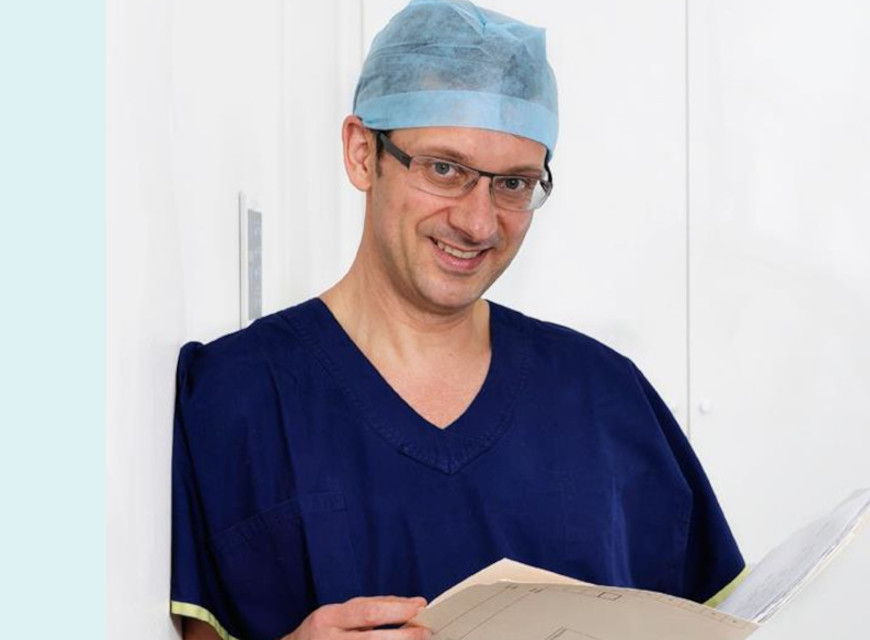
Dr. Mark Kohout
A qualified plastic surgeon who operates with care and integrity, based in central Sydney with over 20 years of experience in the cosmetic field. His extensive training and experience assures patients they are in highly trained surgical hands. Dr. Kohout is a dedicated, friendly professional who is committed to providing the high quality care, support and results, alongside his compassionate team.
Dr Mark Kohout (MED0001133000)
Specialist Plastic Surgeon
Specialist registration in Surgery – Plastic Surgery