


Dr Mark Kohout

FAQs about Breast Augmentation and Breast Lift / Mastopexy

doctor working
Home » Blog » FAQs about Breast Augmentation and Breast Lift / Mastopexy
FAQs about Breast Augmentation and Breast Lift Mastopexy - Dr Mark Kohout

Table of Contents

Breast augmentation and breast lift (mastopexy) are two distinct yet often complementary surgical procedures aimed at altering breast appearance. Dr Mark Kohout – Plastic Surgeon based in Sydney, Australia – frequently performs these surgeries for individuals seeking to address concerns about breast volume, shape, or position.


This article presents answers to common questions to support informed decision-making for those exploring surgical options. These procedures focus on addressing specific aesthetic concerns in a medically appropriate way, guided by each patient’s individual goals and circumstances.

Download Dr Mark Kohout’s Breast Augmentation Surgery Guide

What Is Breast Augmentation?​

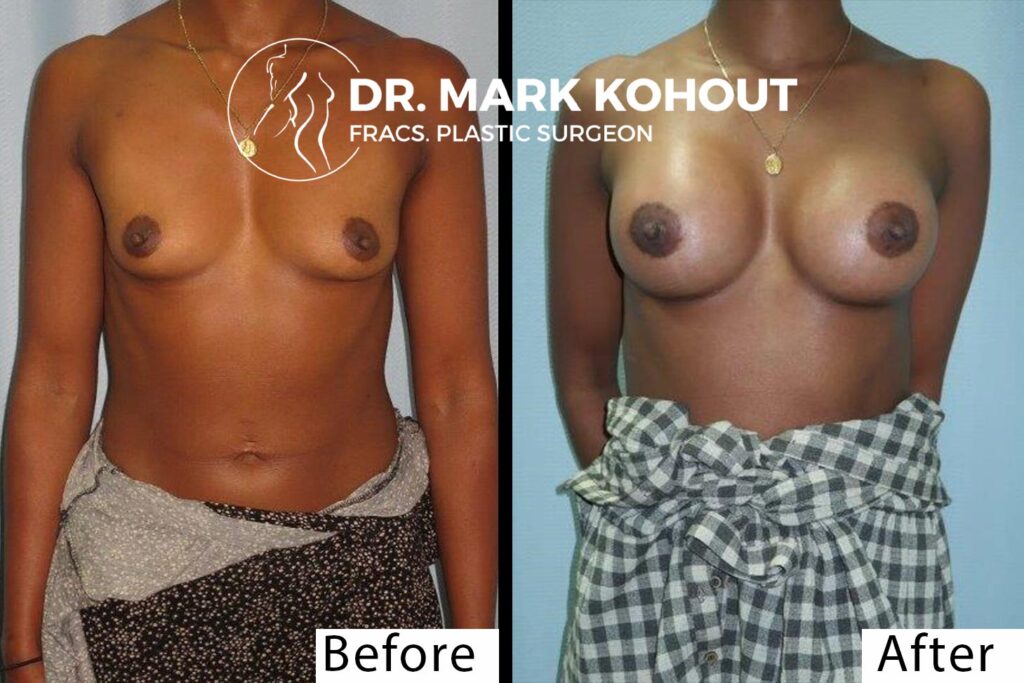
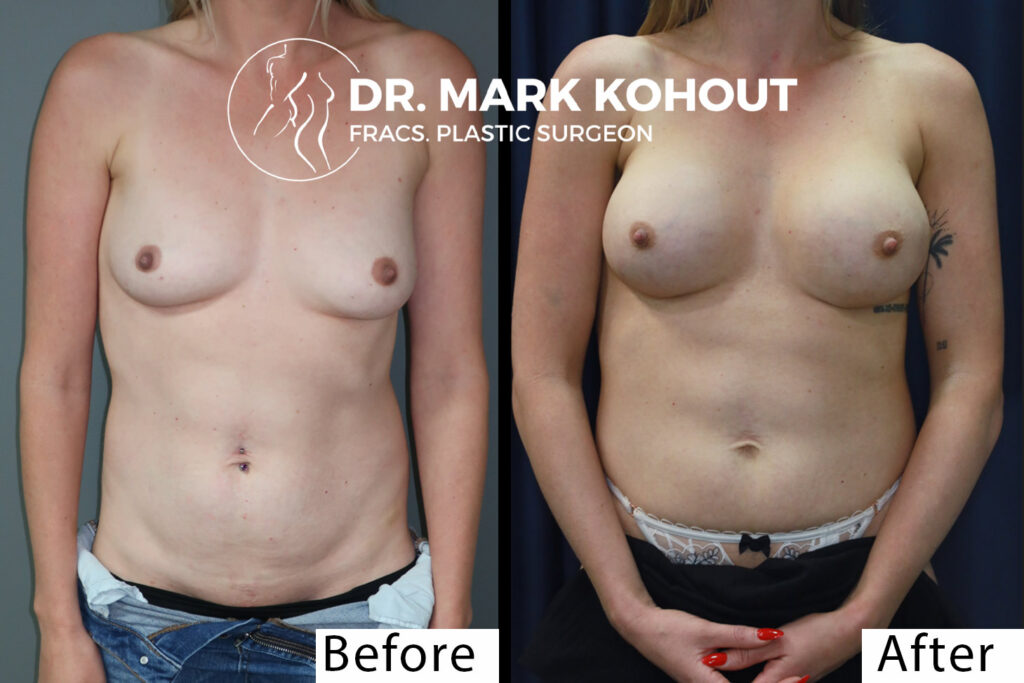
Breast augmentation involves the insertion of implants to increase breast size and adjust shape. Common reasons patients in Sydney pursue augmentation include naturally small breasts, volume loss due to ageing or pregnancy, or asymmetry. This procedure is typically carried out using silicone or saline implants, which vary in firmness, feel, and appearance.

Implants may be placed either above (subglandular) or below (submuscular) the pectoral muscle, with each technique offering distinct benefits. The choice depends on the patient’s anatomy, lifestyle, and desired result. Dr Mark Kohout, Plastic Surgeon, works closely with patients to select an implant type, size, and placement that is well-suited to their goals. Considerations also include incision location – such as inframammary fold (beneath the breast), periareolar (around the nipple), or transaxillary (through the armpit) – to support a discreet scar profile.


Additional considerations include:


  • Implant surface texture (smooth or textured)
  • Implant profile (low, moderate, high, or ultra-high)
  • Implant shape (round or anatomical/teardrop)


These factors are carefully evaluated during the consultation to support an appropriate match for the patient’s frame and preferences.

What Is a Breast Lift (Mastopexy)?​

A breast lift, or mastopexy, reshapes and raises the breasts by removing excess skin and tightening surrounding tissue. This is often sought by individuals experiencing drooping or downward displacement (ptosis) due to weight fluctuations, breastfeeding, or natural ageing. Unlike augmentation, mastopexy does not increase breast volume but addresses contour and projection.

There are several mastopexy techniques available:

  • Crescent Lift – Suitable for mild sagging; minimal skin is removed and the incision follows the upper half of the areola.
  • Vertical (Lollipop) Lift – For moderate sagging; involves incisions around the areola and vertically down to the breast crease, offering a good balance between lift and scarring.
  • Anchor (Inverted T) Lift – Used for more significant sagging; adds a horizontal incision along the breast crease and allows for maximum reshaping and skin removal.

In each case, the nipple may be repositioned higher on the breast mound. Dr Mark Kohout assesses breast skin quality, tissue volume, and the desired final position when determining the appropriate technique.

Why Combine Breast Augmentation with a Breast Lift?​

Combining augmentation with a lift can address both volume and sagging in a single operation. This combined approach can be beneficial for patients who want fuller, firmer breasts without undergoing separate surgeries.


Possible advantages of combining the procedures include:

  • Improved breast shape, contour, and symmetry
  • A single recovery period instead of two separate healing phases
  • Lower cumulative cost and anaesthetic exposure


Dr Mark Kohout explains that careful planning is essential, as these goals involve opposite surgical actions – tightening the skin and adding volume. This complexity requires an in-depth evaluation of skin elasticity, nipple position, and existing breast tissue. By tailoring each step, Dr Kohout supports outcomes that align with the patient’s anatomical needs and realistic expectations. The combined procedure also means a single recovery period and reduced overall downtime, which may be suitable for selected patients in Sydney.

Am I a Suitable Candidate for These Procedures?​

Suitable candidates are in good physical health, have a stable weight, are non-smokers or willing to stop smoking, and have realistic expectations. Individuals who are not planning further pregnancies are typically better suited for long-lasting results.


Candidates often include:


  • Women with significant breast droop or loss of volume due to breastfeeding, ageing, or weight changes
  • Those who previously had implants removed and wish to restore volume
  • Individuals with naturally low nipple position or breast asymmetry
  • Patients seeking to address post-pregnancy or post-weight loss changes


A thorough consultation with a qualified plastic surgeon in Sydney, such as Dr Mark Kohout, will involve detailed discussions, physical examination, and diagnostic imaging if required to determine suitability.

What Should I Expect During the Consultation?​

The initial consultation with Dr Mark Kohout includes:


  • Review of medical history and current health status – including past surgeries, medications, allergies, and overall wellness
  • Breast examination to assess tissue quality, nipple placement, symmetry, and skin tone
  • Discussion of expectations, lifestyle, and preferences – including aesthetic goals, physical activity levels, and desired implant look/feel
  • Education on procedural options, risks, and recovery – patients receive detailed explanations of each step of the surgery, potential outcomes, and complications


Visual aids and surgical examples may be used to explain techniques. Dr Kohout provides a balanced perspective to help patients make decisions that align with their aesthetic preferences and medical safety.

How Long Is the Recovery Period?​

Recovery varies depending on the patient and the complexity of the procedure:


  • Most patients return to light activities after 7–10 days – walking and light duties are encouraged to support circulation
  • Exercise and heavy lifting should be avoided for at least 4–6 weeks – this helps protect the surgical area and maintain results
  • A surgical bra may be recommended for support – designed to reduce swelling and help implants settle into position
  • Mild bruising, swelling, and discomfort are common and managed with prescribed pain relief
  • Incision care and hygiene are crucial to minimise scarring and reduce infection risk


Swelling, tightness, and sensitivity are expected and usually diminish within the first few weeks. Follow-up appointments at Dr Kohout’s Sydney clinic ensure proper healing and timely identification of any concerns.

Are There Risks Involved?​

All surgeries carry some risk. For combined breast augmentation and lift procedures, these may include:


  • Infection – treated with antibiotics; signs include redness, fever, or discharge
  • Bleeding or hematoma – may require surgical drainage if severe
  • Capsular contracture (implant hardening) – scar tissue around the implant may tighten and distort appearance
  • Nipple sensation changes – may be temporary or, less commonly, permanent
  • Implant rupture or deflation – rare but possible, often requiring revision surgery
  • Scarring or asymmetry – influenced by individual healing and surgical technique


Dr Mark Kohout discusses these risks in detail and provides individualised risk profiles. Consent is only obtained after a full explanation, and patients are encouraged to take the time they need before deciding.

How Long Will the Results Last?​

Implants are durable but not considered lifetime devices. Most may last 10 – 15 years, depending on factors such as implant type and patient anatomy. Breast lift results may be influenced over time by gravity, ageing, and hormonal changes.

To help maintain outcomes:

  • Maintain a stable weight – avoid major fluctuations that stretch skin
  • Wear supportive bras regularly – especially during physical activities or sleep
  • Attend periodic check-ups with a plastic surgeon – to monitor implant integrity and breast tissue health
  • Follow a healthy lifestyle – including skin hydration, sun protection, and balanced nutrition

Dr Kohout may recommend future monitoring or imaging to evaluate implant condition.

What Makes Surgical Planning Important?​

Surgical planning is a cornerstone of successful outcomes. It begins with a deep understanding of patient anatomy, aesthetic goals, and lifestyle considerations.


At his Sydney practice, Dr Mark Kohout uses:


  • Detailed pre-operative measurements to assess breast volume, nipple placement, and chest wall dimensions
  • Implant sizers and simulations when appropriate to help patients visualise proportions and feel confident in their choices
  • Multidisciplinary evaluations (where applicable) for patients with complex health histories or prior surgeries
  • Contingency planning – including alternative implant sizes or incision types if needed intraoperatively


Each plan is developed to address unique needs while maintaining surgical safety and procedural integrity. This thoughtful approach enhances predictability and patient satisfaction.

How to Prepare for Your Surgery​

Preparation for surgery is vital for a smooth experience. Patients are advised to:


  • Undergo pre-operative lab work or imaging as required – including blood tests, ECG, or breast ultrasound
  • Adjust medications and cease certain supplements – such as aspirin, anti-inflammatories, or herbal remedies that may increase bleeding
  • Avoid smoking and alcohol – to promote optimal healing and reduce complication risks
  • Arrange transport and post-operative support – a trusted person should accompany the patient home and assist for the first 24–48 hours
  • Prepare a recovery area with essentials – including pillows for elevation, ice packs, loose clothing, hydration, and prescribed medications


Dr Mark Kohout’s team provides comprehensive pre-operative instructions and checklists to help patients in Sydney prepare both physically and emotionally.

What to Expect Post-Operatively​

Immediately after surgery, patients may experience:


  • Swelling and bruising – most noticeable in the first 3–5 days, improving steadily over 2–3 weeks
  • Temporary tightness or limited arm movement – particularly with submuscular implants
  • Light drainage from incision sites – managed with sterile dressings and monitored during follow-ups
  • Fatigue and discomfort – generally managed with oral medications
  • Wearing compression garments – supports tissue healing and implant positioning


Supportive garments should be worn as directed. Activity restrictions are explained in detail, and pain management is adjusted according to patient response.


Dr Kohout conducts regular follow-ups at his Sydney clinic to assess incision healing, implant positioning, and tissue response. These visits are a critical part of the aftercare process.

FAQs About Breast Augmentation and Breast Lift / Mastopexy​

Are results from combined breast augmentation and lift always symmetrical?While surgical planning is designed to support symmetry, natural anatomical differences between the left and right breasts mean that perfect symmetry cannot be promised. Factors such as chest wall structure, muscle development, and breast tissue distribution can all influence the final result. During your consultation, Dr Mark Kohout will evaluate these aspects and develop a plan aimed at achieving a balanced, proportionate appearance that aligns with your natural contours.
Will I lose nipple sensation after surgery?Some patients may experience changes in nipple sensation following surgery, which can range from temporary numbness or tingling to, in rare cases, prolonged altered sensation. This is due to the necessary repositioning of the nipple during a breast lift and the potential stretching of nerve pathways. Most patients notice gradual improvement over several months. Dr Mark Kohout carefully considers nerve preservation when planning incisions and provides post-operative advice tailored to your recovery.
Can I breastfeed after undergoing augmentation with a lift?Breastfeeding may still be possible after a combined procedure, particularly if milk ducts and glandular tissue are preserved. However, this cannot be guaranteed, as some surgical techniques involve repositioning or removal of tissue that can impact lactation. If future breastfeeding is a concern, it’s important to raise this during your consultation so that surgical planning can consider techniques that minimise disruption to key structures.
How does skin quality affect surgical planning?The elasticity and integrity of your breast skin significantly influence both the surgical approach and the potential outcome. Skin that retains good elasticity is better able to support the weight of an implant and accommodate reshaping. In contrast, skin that is thin, heavily stretched, or has undergone multiple pregnancies or weight fluctuations may require additional consideration. Dr Mark Kohout evaluates skin characteristics during your examination and may recommend specific lift techniques or implant styles accordingly.
Will my implants interfere with breast cancer screening?Breast implants do not prevent cancer detection, but they can alter how mammograms are conducted. Special imaging techniques, such as implant-displacement mammography, are used to visualise more of the natural breast tissue. It’s essential to inform your radiology team about the presence and type of implants so they can tailor the screening process. Dr Mark Kohout can provide documentation to assist your imaging provider and may recommend regular check-ups to monitor breast health in conjunction with routine screenings.
What happens if I decide to remove my implants later?If you choose to have your implants removed, known as explant surgery, your breast appearance may change depending on factors like how long the implants were in place, the condition of your skin, and natural breast volume. Many patients opt for a breast lift following removal to address sagging or skin laxity. Dr Mark Kohout will discuss potential future scenarios during your initial consultation so you can make a well-informed decision with both short- and long-term perspectives in mind.
How do I know if revision surgery might be needed in the future?Revision surgery is occasionally required due to changes in implant condition, such as rupture, capsular contracture, or a shift in personal preferences regarding shape or size. Other times, natural ageing or lifestyle changes can prompt a reassessment of your surgical results. Dr Mark Kohout recommends regular follow-ups to monitor breast appearance and implant status. These visits can help identify early signs of changes that may benefit from proactive surgical review or refinement. Ideal candidates are in good physical health, have a stable weight, are non-smokers or willing to stop smoking, and have realistic expectations. Individuals who are not planning further pregnancies are typically better suited for long-lasting results.
Medical References

Making an Informed Decision​

Choosing to undergo breast augmentation and mastopexy is a personal and significant decision. It’s not solely about physical changes but about aligning one’s external appearance with internal preferences and lifestyle.


Dr Mark Kohout – Plastic Surgeon in Sydney – supports patients through a process rooted in education, safety, and medical integrity. By understanding every step and evaluating all factors, patients can make decisions with clarity.


If you are considering breast surgery, attending a consultation with Dr Kohout is a vital first step toward understanding what’s possible for your unique situation.

Further Reading

Related Blog Posts

Return To Exercise After Fat Transfer To Breasts

Return To Exercise After Fat Transfer…

Fat transfer to breasts, also known as autologous fat grafting, involves the use of your own fat – most often taken from the abdomen, thighs, or hips – to adjust…
Returning To Exercise After A Breast Lift (Mastopexy)

Returning To Exercise After A Breast…

Many people considering a breast lift (mastopexy) want to know when they can resume exercise. Dr Mark Kohout, Specialist Plastic Surgeon in Sydney, explains that recovery after mastopexy is a…
Recovery After Breast Augmentation: Guidelines for Healing after Implants

Recovery After Breast Augmentation: Guidelines for…

Recovery after breast augmentation is a critical phase that can significantly affect the overall success of the procedure. A well-managed recovery process can support healing, reduce the risk of complications,…
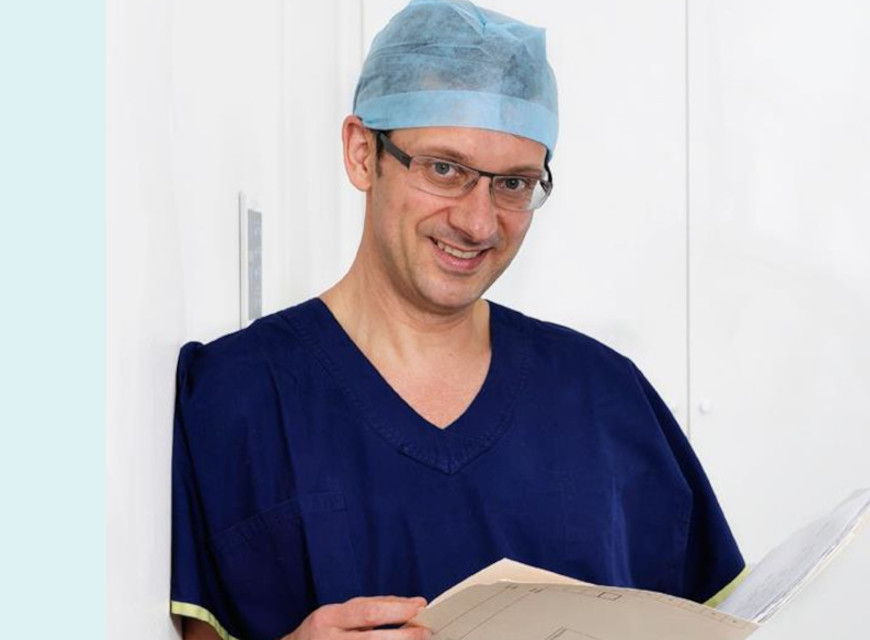
Experienced Plastic Surgeon

Dr. Mark Kohout

A qualified plastic surgeon who operates with care and integrity, based in central Sydney with over 20 years of experience in the cosmetic field. His extensive training and experience assures patients they are in highly trained surgical hands. Dr. Kohout is a dedicated, friendly professional who is committed to providing the high quality care, support and results, alongside his compassionate team.

Dr Mark Kohout (MED0001133000)
Specialist Plastic Surgeon
Specialist registration in Surgery – Plastic Surgery

This website contains imagery which is only suitable for audiences 18+. All surgery contains risks, read more here.

X

Get Your Breast Augmentation Guide

Get Your Facial Aesthetic

Get Your Breast Implant Removal

Get Your Female Genital Surgery Guide

Get Your Excess Skin Guide

Get Your Gynaecomastia Guide

Get Your Liposuction Guide

Get Your Abdominoplasty Guide

Get Your Cost of Surgery Guide

Get Your Breast Implant Replace Guide

Get Your Breast Reduction Guide

Make an Enquiry