


Blepharoplasty, also known as eyelid surgery, is a surgical procedure that addresses changes to the upper or lower eyelids. Dr Mark Kohout, Plastic Surgeon in Sydney, provides patients with personalised post-operative care designed to support healing and reduce the likelihood of complications. One of the most common questions patients have following blepharoplasty is when and how it is safe to return to exercise. This guide offers comprehensive, evidence-based information to assist patients in understanding the stages of recovery, the reasoning behind activity restrictions, and the gradual reintroduction of physical activity after surgery. It is important to remember that recovery timelines vary from person to person, and your surgeon’s individual recommendations should always be followed.
Understanding Blepharoplasty And Recovery
Blepharoplasty involves the precise removal or repositioning of excess skin, muscle, and occasionally fat from the eyelid region. This can be performed on the upper eyelids, lower eyelids, or both, depending on the patient’s needs. While some individuals undergo the procedure to address functional issues such as vision obstruction caused by drooping lids, others seek it for aesthetic reasons. Regardless of the motivation, the recovery period focuses on protecting the surgical area from strain, allowing incisions to heal, and reducing swelling and bruising to support the best possible outcome for each individual.
Why Exercise Timing Matters After Eyelid Surgery
Exercise plays a significant role in overall health, but its timing after surgery requires careful consideration. Physical activity increases heart rate and blood pressure, which can put added pressure on delicate healing tissues. If undertaken too soon, this can lead to prolonged swelling, bruising, or even more serious complications such as bleeding under the skin or around the eye. In a city like Sydney, where outdoor fitness, coastal walks, and active sports are part of daily life, patients may be especially keen to resume exercise. A carefully planned return-to-activity approach helps protect surgical results and supports a smoother recovery.
General Post-Blepharoplasty Exercise Timeline
Days 1-7: Rest And Gentle Movement
The initial days following surgery are focused on rest and allowing the body to initiate healing. Short, slow walks within the home help maintain circulation without placing stress on the eyelids. It is important to avoid any actions that involve bending forward, lifting heavy objects, or straining, as these can increase blood flow to the head and eyes, potentially worsening swelling or risking wound complications. Keeping the head elevated while resting or sleeping can further support the reduction of swelling. Following the detailed aftercare instructions from Dr Mark Kohout’s Sydney clinic is essential during this stage.
Weeks 2-3: Light, Low-Impact Activity
If the healing process is progressing well and your surgeon has provided clearance, gentle walking outdoors or light stationary cycling can be reintroduced. At this stage, it is vital to avoid any exercises that require significant exertion, heavy lifting, or movements that put strain on the facial muscles or eyelids. Given Sydney’s often bright and sunny conditions, wearing UV-protective sunglasses outdoors is an important precaution to shield the delicate surgical area from excessive sun exposure.
Weeks 4-6: Gradual Return To Moderate Exercise
Over these weeks, and only with surgeon approval, moderate activities such as swimming, gentle resistance training, and certain yoga poses may be considered. Any positions that involve being inverted, such as headstands, should still be avoided as they can increase pressure in the eye area. Even as energy levels improve, high-impact activities and contact sports should remain on hold to prevent accidental trauma to the healing eyelids.
After 6 Weeks: Full Activity Resumption
For many patients, the six-week mark represents the point at which most forms of exercise can be resumed, provided the surgical site has healed fully and your surgeon has given the go-ahead. This includes higher-intensity cardiovascular workouts, running, and contact sports. In situations where facial impact is possible, such as in team or racquet sports, protective eyewear may help reduce the risk of injury.
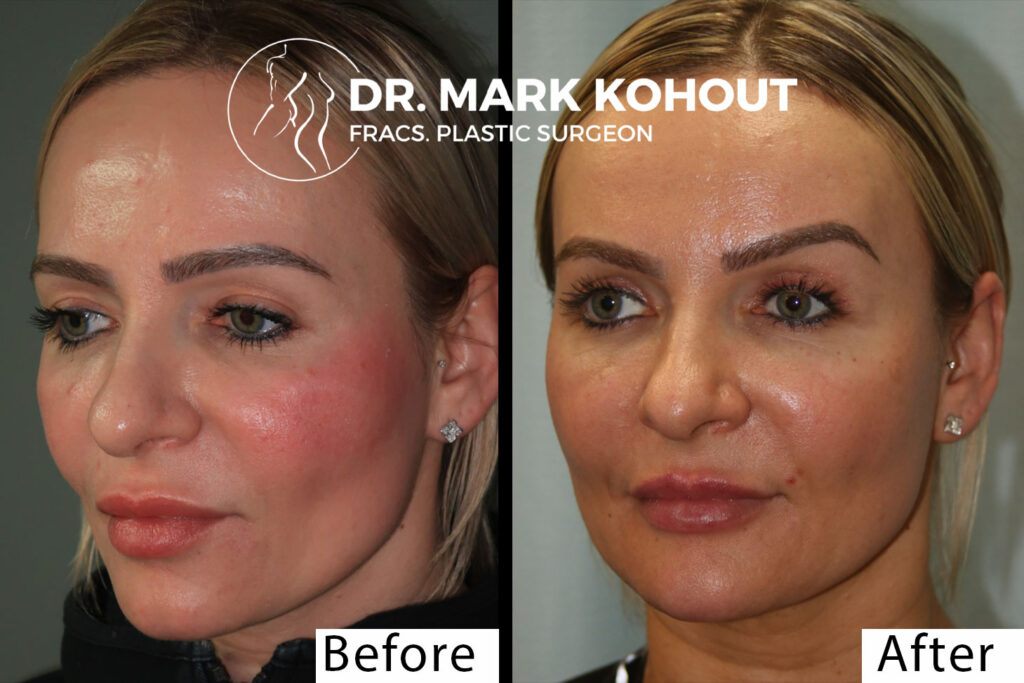
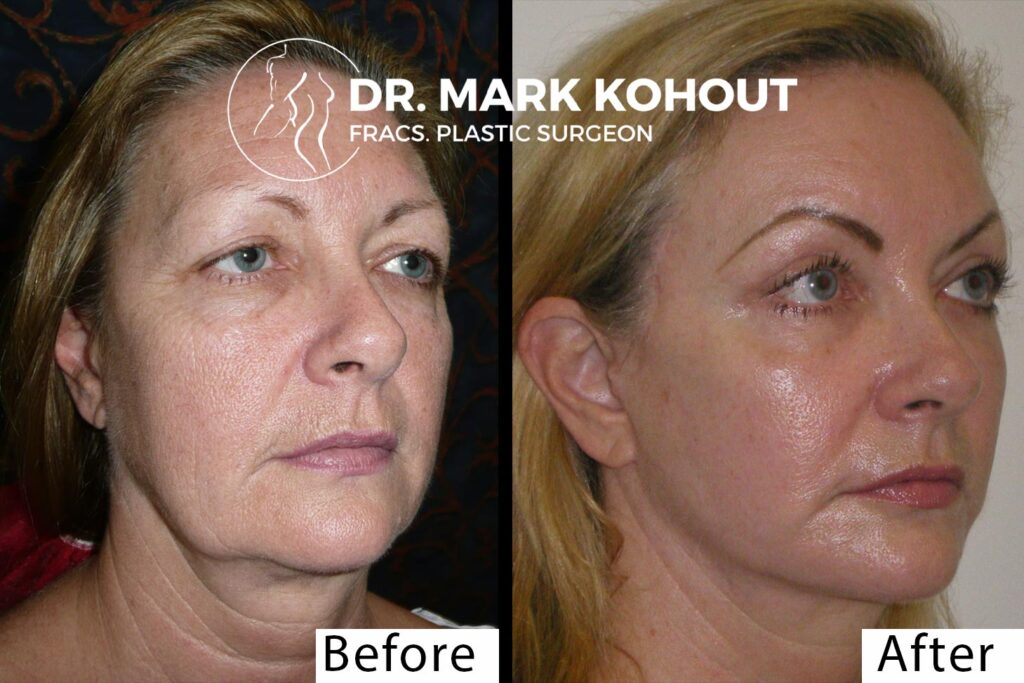
Blepharopasty Surgery Before and After Images
Activity-Specific Considerations
When returning to the gym, starting with lighter weights and higher repetitions can help prevent excessive strain. Holding your breath while lifting heavy weights should be avoided, as it can increase pressure in the head and eyes. For cardiovascular training, building up intensity gradually allows the body to adjust without jeopardising recovery. Water-based activities, whether in a swimming pool or the ocean, should be delayed until wounds have closed fully to minimise infection risk. Contact sports should be the last activities to resume, as they carry the highest risk of injury to the eye area.
Red Flags During Recovery
During the recovery process, it is important to remain alert to signs that activity may be too strenuous. This includes a sudden increase in swelling, a noticeable change in bruising, sharp or persistent pain, any form of bleeding, or changes in vision. Should any of these occur, exercise should be stopped immediately and medical advice sought without delay.
Supporting Recovery Through Lifestyle Choices
Recovery is supported not only by activity management but also by everyday lifestyle choices. A nutrient-rich diet with adequate protein assists in tissue repair, while vitamins and minerals support immune function and healing. Staying hydrated is important, particularly in Sydney’s warmer months, as dehydration can slow recovery. Prioritising rest gives the body the resources it needs to heal, and gentle stress-management practices, such as meditation or slow breathing exercises, can help maintain a sense of wellbeing throughout the process. Sun protection remains critical, as UV exposure can affect scar healing and skin quality around the eyelids.
The Role Of Follow-Up Appointments
Follow-up appointments with Dr Mark Kohout are an integral part of the recovery journey. These visits enable the surgeon to assess how the eyelids are healing, provide reassurance or adjustments to the care plan, and give tailored advice on when and how to resume specific forms of exercise. Regular monitoring also means any potential complications can be identified and managed early.
FAQs About Returning To Exercise After Blepharoplasty
How can Sydney’s warm and sunny climate affect my eyelid recovery when resuming outdoor exercise?
Sydney’s strong UV exposure can affect scar healing and increase swelling if the area is unprotected. Wearing UV-protective sunglasses and a wide-brimmed hat is recommended when outdoors.
Are there specific signs during exercise that mean I should stop immediately after blepharoplasty?
Yes, signs such as sudden swelling, pain, vision changes, or bleeding should prompt you to stop and contact your surgeon for advice.
How might my eyelids feel differently when I start light activity compared to before surgery?
It is common to notice mild tightness, slight swelling, or sensitivity during early activity. These sensations typically improve as healing progresses.
Can certain breathing techniques during exercise help reduce strain on my eyelids while healing?
Yes, steady, controlled breathing during activity can help avoid sudden increases in pressure that may strain the healing eyelid tissues.
How does swimming in saltwater compare to chlorinated pools in terms of recovery safety?
Both saltwater and chlorinated water can irritate healing tissue. Swimming should only be resumed when the surgeon confirms the incisions are fully closed.
Are there posture or movement adjustments I can make to reduce swelling when exercising post-surgery?
Keeping the head above heart level during activity and avoiding inverted positions can help limit swelling.
How soon after surgery can I safely participate in low-impact activities unique to Sydney, such as coastal walking tracks?
Gentle walking outdoors may be possible after the initial rest phase, but always check with your surgeon before increasing distance or intensity.
Medical References
- Clinical Outcomes of Upper Eyelid Blepharoplasty – https://www.pjms.org.pk/index.php/pjms/article/view/10950
- Gender and Patient Preferences: Unraveling the Decision-Making Process for Blepharoplasty Among Males and Females – https://pmc.ncbi.nlm.nih.gov/articles/PMC12063619/
- Blepharoplasty – StatPearls – NCBI Bookshelf – https://www.ncbi.nlm.nih.gov/books/NBK482381/
- Upper Blepharoplasty for Dermatochalasis With or Without Ptosis Repair: A Retrospective Study – https://link.springer.com/article/10.1007/s00266-025-04657-7
- Eye-Opening Effect Achieved by Modified Transconjunctival Lower Blepharoplasty – https://academic.oup.com/asj/article/45/2/126/7824546
- An analysis of patient-reported outcomes in Asian blepharoplasty – https://www.sciencedirect.com/science/article/abs/pii/S1748681525000890
Next Steps
Resuming exercise after blepharoplasty is a gradual and carefully managed process. Dr Mark Kohout, Plastic Surgeon in Sydney, works closely with each patient to develop a recovery plan that reflects their individual needs, goals, and lifestyle. If you are considering blepharoplasty or want to better understand the steps to safely return to physical activity after eyelid surgery, arranging a consultation at Dr Mark Kohout’s Sydney clinic is the best way to receive personalised, professional guidance.
Further Reading
- Read Dr Kohout’s Blog on Recovery After Blepharoplasty (Eyelid Surgery): Guide & Timeline
- Read Dr Kohout’s Blog on Managing Upper Eyelid Scars after Blepharoplasty
- Read Dr Kohout’s Blog on Medicare for Blepharoplasty – Will Medicare cover Eyelid Surgery?
Related Blog Posts
Medicare for Blepharoplasty – Will Medicare…
Will Medicare Cover My Blepharoplasty? Blepharoplasty, commonly referred to as eyelid surgery, is a popular procedure in Australia for both cosmetic and medical reasons. While many people undergo blepharoplasty to change…
Recovery After Blepharoplasty (Eyelid Surgery): Guide…
Blepharoplasty, commonly referred to as eyelid surgery, is a cosmetic procedure aimed at modifying the appearance of the eyelids. This surgery can involve removing excess skin, fat, and muscle from the…

Managing Upper Eyelid Scars after Blepharoplasty
Transform Your Recovery: A Complete Guide to Managing Upper Eyelid Blepharoplasty Scars Blepharoplasty, commonly referred to as eyelid surgery, is a sought-after procedure that addresses excess skin and tissue around the…
Experienced Plastic Surgeon
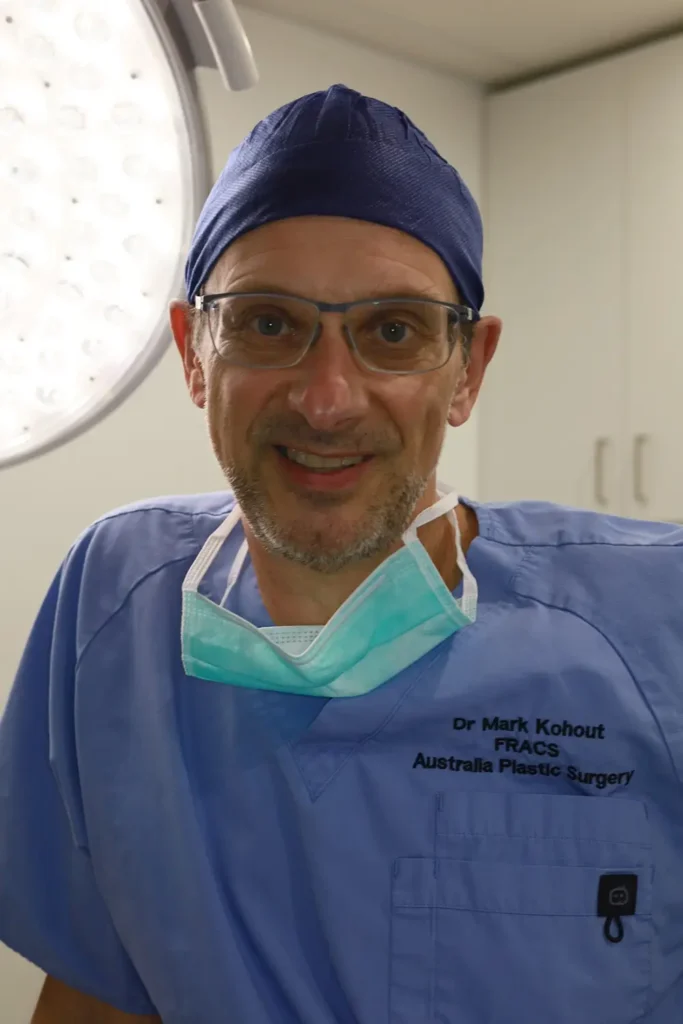
Dr. Mark Kohout
A qualified plastic surgeon who operates with care and integrity, based in central Sydney with over 20 years of experience in the cosmetic field. His extensive training and experience assures patients they are in highly trained surgical hands. Dr. Kohout is a dedicated, friendly professional who is committed to providing the high quality care, support and results, alongside his compassionate team.
Dr Mark Kohout (MED0001133000)
Specialist Plastic Surgeon
Specialist registration in Surgery – Plastic Surgery