

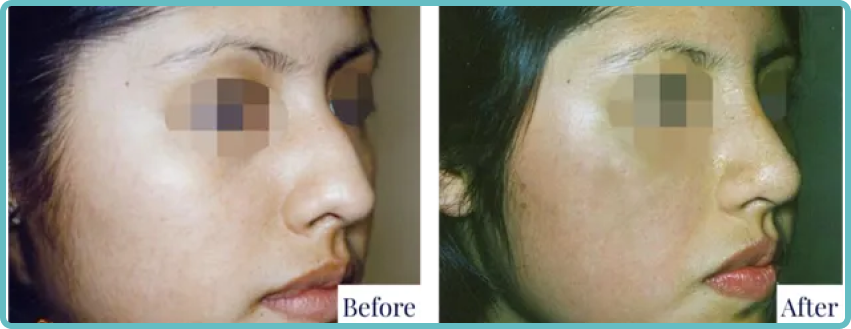
Rhinoplasty, often referred to as nose surgery, is a commonly sought-after facial procedure among men and women in Sydney. Whether for aesthetic adjustment or functional correction, it is a procedure that requires both surgical precision and individualised planning. Dr Mark Kohout, Specialist Plastic Surgeon based in Sydney, offers a comprehensive approach to rhinoplasty, supporting each patient’s anatomical needs and considering their goals with professional care.
This article explores the key factors that influence the cost of rhinoplasty in Sydney, helping prospective patients make informed decisions about their treatment. From surgical complexity to health fund eligibility, understanding the components of pricing is essential when considering this type of procedure with a qualified Plastic Surgeon. The financial aspect of surgery is a significant concern for many, and it is important to evaluate not only the expenses but also the standards of safety, continuity of care, and postoperative outcomes.
What Is Rhinoplasty? An Overview
Rhinoplasty is a surgical procedure that modifies the shape, size, or structure of the nose. It can be performed for aesthetic reasons, such as altering the nasal bridge, tip, or overall profile. In addition, it is often performed for functional purposes, including correction of a deviated septum or other structural issues that impair breathing. While some patients seek subtle changes to harmonise facial features, others may require reconstructive intervention following trauma or previous surgery.
Because every nose is different, and the motivations for surgery vary from patient to patient, rhinoplasty is a highly individualised operation. Many patients seek rhinoplasty to address long-standing concerns or to resolve breathing difficulties that affect quality of life. A thorough assessment of both appearance and nasal airflow is essential during the planning stage.
Rhinoplasty procedures are typically classified as open, closed, or revision. Open rhinoplasty provides the surgeon with full visibility and is preferred in complex cases, while closed rhinoplasty offers internal access and a reduced recovery time. Revision rhinoplasty is performed when additional refinement or correction is needed after a previous surgery, and often presents additional challenges.
Typical Rhinoplasty Costs In Sydney
In Sydney, the cost of rhinoplasty generally falls within the range of $10,000 to $25,000 AUD. This cost reflects a range of variables including surgical technique, surgeon qualifications, anaesthetic and hospital fees, and post-operative care. Patients should be aware that prices can fluctuate depending on whether the surgery is primarily cosmetic, functional, or a combination of both.
Dr Mark Kohout, a Specialist Plastic Surgeon practising in Sydney, provides transparent cost breakdowns during patient consultations. While cost is an important consideration, patients are encouraged to assess overall value, safety, and quality of care when choosing a provider. It is important to ensure that all aspects of the procedure, including anaesthesia, hospital stay, and follow-up visits, are accounted for in the total fee.
It’s important to note that lower-cost options may not include essential components such as hospital fees or aftercare, so patients should confirm what each quote entails. A fully itemised quote helps avoid unexpected expenses and supports better planning.
What Influences Rhinoplasty Pricing?
✓ Surgeon’s Qualifications And Experience
One of the most significant factors influencing the cost of rhinoplasty is the surgeon’s level of training and experience. Specialist Plastic Surgeons, such as Dr Mark Kohout, who hold FRACS qualifications and have extensive experience in facial surgery, may have higher fees that reflect their advanced skill and training. Their ability to manage complex nasal anatomy and tailor surgical plans to the patient’s unique facial structure contributes to surgical predictability and patient satisfaction.
A well-qualified surgeon will take the time to conduct a comprehensive consultation, evaluate facial proportions, and discuss realistic expectations. Experience is especially crucial in more complex or reconstructive cases. Choosing a surgeon with deep knowledge of nasal aesthetics and airway function is important when considering the dual goals of appearance and breathing.
✓ Procedure Complexity
Primary rhinoplasty (first-time surgery) typically costs less than revision rhinoplasty, which can be more complex due to existing scar tissue and anatomical changes. Structural modifications, such as cartilage grafting or septal corrections, can also increase the duration and complexity of the surgery. When the nasal structure has been compromised or altered from previous procedures or trauma, a more intricate and technically demanding approach is required.
Each rhinoplasty is customised, and the extent of the changes required will influence the overall operative time and associated fees. Extended procedures that involve adjustments to the nasal bridge, septum, and tip in a single session may fall at the higher end of the pricing spectrum.
✓ Anaesthesia And Hospital Costs
Rhinoplasty is most often performed under general anaesthesia in a licensed surgical facility. The anaesthetist’s fee, along with hospital or day surgery centre fees, contribute to the total cost. Accredited hospitals in Sydney often have higher fees but are equipped to maintain high standards of patient safety. The availability of experienced surgical teams and postoperative care resources are key components of this pricing.
Patients should ensure their surgery is performed in a fully accredited hospital or licensed day surgery, which provides added assurance regarding infection control and surgical standards. These facilities are subject to regular inspections and quality control protocols, which benefit the patient experience.
✓ Pre-Operative And Post-Operative Care
Comprehensive care includes the initial consultation, pre-operative planning, surgery, and follow-up appointments. Splints, dressings, and required medications may also be included. Patients under the care of Dr Mark Kohout receive ongoing support through each phase of the surgical journey.
Post-operative care is a critical component of achieving the best possible outcome. This includes monitoring for complications, suture removal, and tailored advice on managing swelling and nasal taping techniques. The period following rhinoplasty often involves temporary bruising and congestion, and having dedicated medical guidance during this stage contributes to recovery confidence.
Functional Vs. Cosmetic Rhinoplasty: How This Affects Cost
The reason for undergoing rhinoplasty – cosmetic, functional, or a combination of both – can impact the overall cost and potential rebates. Functional rhinoplasty, such as for correcting a deviated septum or breathing obstruction, may qualify for a Medicare rebate, provided the condition meets strict eligibility criteria. Cosmetic rhinoplasty, aimed solely at enhancing appearance, is generally not covered under Medicare or private health insurance.
Whether a patient qualifies for a rebate depends on clinical criteria that are assessed during consultation. Dr Mark Kohout can provide guidance on this during the initial assessment. This evaluation may include breathing assessments, nasal endoscopy, or imaging studies to establish a functional impairment.
In cases where both cosmetic and functional concerns exist, a combined procedure may be indicated. This can be a cost-effective approach if the functional component meets eligibility for rebate, potentially reducing out-of-pocket expenses. In these scenarios, careful documentation and itemisation of each aspect of the surgery is essential to support the health insurance claim.
Rhinoplasty And Health Insurance In Australia
In cases where rhinoplasty has a medical indication, such as correcting congenital abnormalities or trauma-related deformities, private health insurance may partially cover hospital or anaesthetic fees. It is important for patients to confirm in advance what level of cover their policy includes for surgical procedures under a Medicare item number.
To access these rebates, the procedure must be assigned a Medicare item number, and health fund policies may require pre-approval. Dr Mark Kohout, as a Specialist Plastic Surgeon in Sydney, helps patients determine eligibility for both Medicare and private health contributions. Navigating these rebate pathways can be complex, so early preparation is advisable.
Patients are encouraged to contact their health insurer in advance to determine whether their policy includes cover for medically necessary rhinoplasty. Understanding your insurance policy, excess, exclusions, and any waiting periods can help manage expectations and budget planning.
Sydney-Specific Factors That May Influence Price
Costs for rhinoplasty can vary within Australia, and patients in Sydney may experience higher fees due to factors unique to the metropolitan area. These include the higher overheads associated with urban surgical facilities, greater demand for specialist services, and access to advanced technologies. The presence of multiple accredited private hospitals across Sydney also influences market rates.
Sydney is home to several highly trained and internationally qualified surgeons, and patients often have access to a broader range of surgical expertise. While this level of specialisation can contribute to cost, it also allows for greater choice in finding a provider whose skills align with the patient’s needs.
While these factors can increase the cost, they also contribute to a high standard of care, particularly when performed by a surgeon like Dr Mark Kohout, whose practice is built around safety, precision, and patient education.
Why Costs Vary Between Plastic Surgeons
Not all rhinoplasty quotes are structured the same. Pricing differences may reflect differences in consultation time, surgical planning, and follow-up protocols. Some clinics include pre-operative imaging and post-operative support in their pricing, while others charge separately for these services.
The level of surgical training and experience is another contributor. Surgeons with a dedicated focus on rhinoplasty and many years in specialist practice may set higher fees to reflect the depth of their expertise. Whether the quote includes or excludes anaesthetic and facility fees can also affect total outlay.
Other considerations that may affect cost variation include in-house versus external anaesthetist billing, the availability of digital simulation, and the surgeon’s involvement in every stage of care. Dr Mark Kohout personally oversees each phase of the rhinoplasty process, ensuring continuity from consultation to post-surgical review.
Patients are encouraged to compare not only cost but also qualifications and the level of continuity in care. A higher initial investment with a board-certified Plastic Surgeon can provide added reassurance, especially for complex or functional procedures.
Choosing A Plastic Surgeon For Rhinoplasty In Sydney
When selecting a surgeon, prospective patients should look for formal recognition as a Specialist Plastic Surgeon through the Royal Australasian College of Surgeons. This ensures a minimum standard of training, ethical practice, and surgical competency. Experience with a range of nasal anatomy and functional challenges is particularly important for patients seeking both aesthetic and breathing-related improvements.
A collaborative consultation process that addresses both aesthetic goals and medical concerns helps align expectations with achievable outcomes. Surgeons who provide computer-assisted planning or morphing software can also aid in visualising potential results.
Dr Mark Kohout, a qualified Plastic Surgeon in Sydney, offers a structured consultation process and individualised surgical plans. He performs all surgeries in accredited facilities, adhering to current surgical standards and patient safety protocols. His approach emphasises patient education, realistic planning, and consistent follow-up, which supports better outcomes over the long term.
Transparency And Informed Decision-Making
Choosing to undergo rhinoplasty involves multiple considerations beyond cost. Patients are advised to request fully itemised quotes, discuss risks and realistic outcomes in depth, and ask about hospital accreditation and anaesthetic safety. Understanding the financial, medical, and recovery-related implications of surgery is central to an informed decision-making process.
Patients should also familiarise themselves with the typical recovery process, including timelines for swelling reduction, nasal breathing adjustments, and return to normal activities. Asking about potential revision policies, long-term follow-up, and when to seek medical attention are equally important. Thorough communication throughout the journey promotes peace of mind.
The recovery process, potential revisions, and the final appearance can vary depending on healing and individual anatomy. Working with a surgeon like Dr Mark Kohout ensures that patients receive comprehensive support before, during, and after surgery.
FAQs About Rhinoplasty
Is nasal cartilage always reshaped during rhinoplasty?
Not always. Some procedures focus on soft tissue adjustments or refining the tip without altering the underlying cartilage. The extent of reshaping depends on the patient’s goals and nasal structure.
Can rhinoplasty improve breathing even if I don’t have a visible deformity?
Yes. Functional rhinoplasty may address internal structural issues like nasal valve collapse or septal deviation, even if the external nose appears straight.
How is the final nasal shape determined during planning?
The final shape is based on a combination of anatomical assessment, patient input, and feasibility. Surgeons use measurements, imaging, and discussions to align expectations with achievable results.
Will I need internal splints or packing after surgery?
In some cases, yes. Internal supports may be used temporarily to stabilise nasal structures during the early healing phase. This is assessed on a case-by-case basis.
How long should I wait before considering revision rhinoplasty?
Most surgeons recommend waiting at least 12 months before evaluating the results for revision. This allows swelling to fully resolve and tissues to stabilise.
Is rhinoplasty performed the same way for all genders?
No. While the fundamental technique may be similar, aesthetic goals often differ. Masculine and feminine nasal profiles are approached differently to respect facial harmony.
What role does skin thickness play in rhinoplasty outcomes?
Skin thickness can significantly affect definition. Thicker skin may limit visible refinement, while thinner skin reveals structural changes more readily. This is factored into the surgical plan.
Medical References
- Rhinoplasty – Mayo Clinic https://www.mayoclinic.org/tests-procedures/rhinoplasty/about/pac-20384532
- Rhinoplasty – StatPearls – NCBI Bookshelf https://www.ncbi.nlm.nih.gov/books/NBK558970/
- Assessment of Casual Observers’ Willingness to Pay for Increased … https://pmc.ncbi.nlm.nih.gov/articles/PMC6439737/
- Insights from an international survey of facial plastic surgeons https://www.sciencedirect.com/science/article/abs/pii/S1010518225000472
- How Much Does a Nose Job Cost? 2025 Global Comparison https://medicaltravelmarket.com/news/how-much-does-a-nose-job-cost-2025-global-comparison
- Understanding Rhinoplasty Costs 2025: What’s Included and What’s … https://zoom-clinic.com/en/rhinoplasty-costs-2025/
- Volume 155 – Issue 1 : Plastic and Reconstructive Surgery – LWW.com https://journals.lww.com/plasreconsurg/toc/2025/01000
Next Steps For Patients Considering Rhinoplasty
For patients in Sydney exploring rhinoplasty, the next step is to schedule a consultation with a qualified Plastic Surgeon. During this consultation, topics such as procedural goals, cost breakdowns, eligibility for rebates, and the expected surgical approach will be discussed. The initial visit is an opportunity to ask questions, express concerns, and develop a personalised treatment plan.
Dr Mark Kohout, Specialist Plastic Surgeon based in Sydney, provides detailed assessments and customised surgical plans tailored to the patient’s specific needs. By taking a careful and individualised approach, patients are supported to make well-informed decisions regarding their care. A clear understanding of the surgical journey, pricing, and expectations can greatly enhance patient confidence and satisfaction.
For more information or to schedule a consultation, please visit the contact us page.
Further Reading
- Read Dr Kohout’s Blog on Recovery After Rhinoplasty: Guide for Healing after a Nose Job
- Read Dr Kohout’s Face Surgery Pricing Page
Related Blog Posts
Cost of a Facelift in Sydney…
Considering a facelift in Sydney? Dr Mark Kohout, Specialist Plastic Surgeon based in Sydney, offers valuable insights into the typical costs involved, what factors influence pricing, and how prospective patients…
Recovery After Rhinoplasty: Guide for Healing…
Rhinoplasty, often referred to as nose reshaping surgery, is one of the most common cosmetic procedures performed worldwide. Whether undertaken for aesthetic reasons, such as refining the appearance of the nose,…

Cost of Blepharoplasty in Sydney
A Detailed Overview of the Cost of Blepharoplasty in Sydney Blepharoplasty, also known as eyelid surgery, is a popular procedure for addressing concerns related to the upper or lower eyelids. It can…
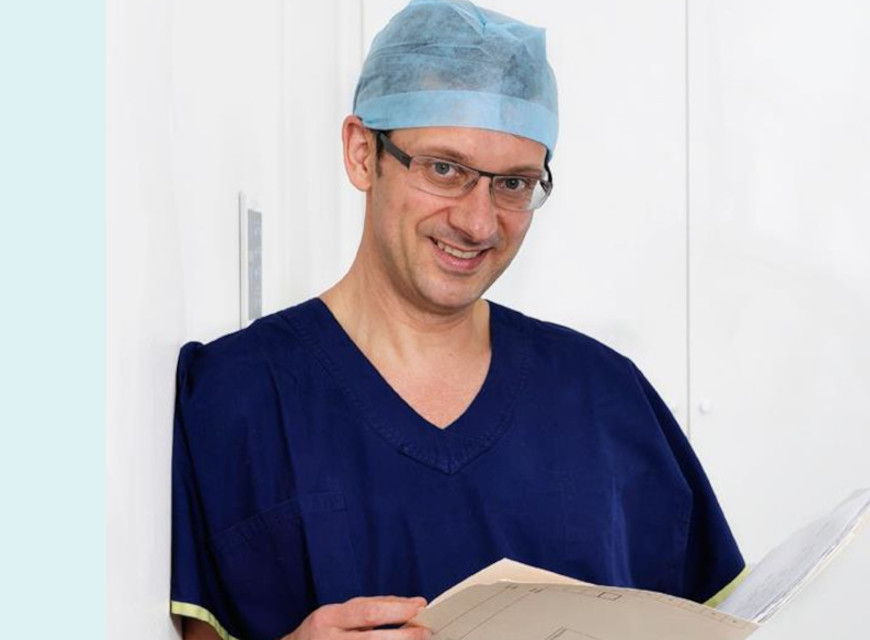
Experienced Plastic Surgeon
Dr. Mark Kohout
A qualified plastic surgeon who operates with care and integrity, based in central Sydney with over 20 years of experience in the cosmetic field. His extensive training and experience assures patients they are in highly trained surgical hands. Dr. Kohout is a dedicated, friendly professional who is committed to providing the high quality care, support and results, alongside his compassionate team.
Dr Mark Kohout (MED0001133000)
Specialist Plastic Surgeon
Specialist registration in Surgery – Plastic Surgery