


Excess skin removal is a surgical option that some patients consider after losing a significant amount of weight. Whether the weight loss was achieved through lifestyle changes, bariatric surgery, or a combination of both, the skin does not always contract in line with the body’s new shape. For many, this leads to folds of excess skin that can be difficult to manage. These changes can create both physical and functional challenges that affect comfort, hygiene, and mobility.
For people in Sydney and throughout Australia, a common question arises: Will Medicare cover excess skin removal after weight loss? The answer depends on strict medical criteria. Dr Mark Kohout, Specialist Plastic Surgeon in Sydney, outlines how Medicare rebates apply, when they may be available, and what patients need to know before considering surgery.
Understanding Excess Skin Removal After Weight Loss
When an individual loses a substantial amount of body weight, the skin often does not tighten back to fit the new contours. This happens because skin is elastic to a point, but once it has been stretched beyond its natural limits, the fibres lose resilience. The longer the skin has been stretched, the less likely it is to retract fully. Age, genetics, and the amount of weight lost all influence how the skin responds.
Excess skin can appear in many different parts of the body. Around the abdomen, it may form folds that hang over the lower body. In the arms, it can create areas of looseness that move uncomfortably with daily activity. In the thighs, the excess skin may rub together during walking or exercise, which can cause irritation and soreness. Breasts or chest tissue may lose firmness and take on a deflated appearance after weight loss. Even the back can develop folds that make hygiene more difficult.
For some people, excess skin is primarily a concern about appearance. For others, the issue is functional. Large folds can trap moisture and sweat, leading to recurrent rashes, fungal infections, or skin breakdown. Hygiene becomes harder to maintain, especially in warmer climates such as Sydney’s. Skin folds can also limit clothing choices, create discomfort in movement, and restrict physical activity. When these issues are significant, surgery may be considered reconstructive rather than cosmetic. This distinction is vital when looking at whether Medicare support may apply.
Medicare In Australia - How Rebates Work
Medicare is the national public health insurance system that provides rebates for a range of medical services and procedures. To qualify for Medicare assistance, a procedure must be considered medically necessary. If a surgery is performed solely to change appearance, it is classified as cosmetic and is not covered.
Excess skin removal after weight loss may fall into either category, depending on the circumstances. For patients whose excess skin causes significant medical issues such as chronic infections, functional restrictions, or ulceration, surgery may be regarded as reconstructive. In such cases, Medicare may provide a rebate for part of the procedure.
The Medicare Benefits Schedule, known as the MBS, is the official list of medical procedures and item numbers that attract rebates. Each item number has precise wording and criteria that a patient must meet. For plastic and reconstructive surgery, these criteria are particularly strict. Patients in Sydney should understand that simply having loose skin after weight loss does not guarantee that Medicare will contribute. Eligibility depends entirely on whether the case meets the definitions set out in the MBS.
Criteria For Medicare Coverage Of Excess Skin Removal
Eligibility for Medicare rebates in excess skin removal is determined on a case-by-case basis. Each patient must meet specific requirements before any rebate is considered.
One of the key requirements is weight stability. Medicare requires that weight has been stable for at least six months before surgery is undertaken. This ensures that the body has completed its major changes and that surgery is not performed prematurely. In addition, there must be a significant degree of weight loss, defined as at least five BMI units. This figure excludes changes related to pregnancy and reflects a level of weight loss that has clear health impacts.
The presence of functional problems is another central factor. Medicare only supports excess skin removal when medical complications exist, such as recurrent rashes, infections, ulceration, or skin irritation that has not improved with non-surgical measures. Patients must also demonstrate that the excess skin interferes with daily life, whether by limiting mobility, restricting exercise, or causing difficulty with personal care.
Importantly, Medicare requires evidence that conservative treatments have been attempted and failed. These might include topical creams, antifungal agents, dressings, or hygiene adjustments. If these methods do not resolve the problem, and the issues continue to affect daily activities, surgery may be considered medically necessary.
Supporting evidence is crucial. Surgeons are required to provide medical documentation, including photographs and records of previous treatments, to confirm that the patient meets the criteria. Without this evidence, claims cannot proceed under the MBS.
Among the item numbers relevant to excess skin removal, item 30177 is particularly important. This relates to lipectomy with radical abdominoplasty following massive weight loss. To qualify for this rebate, patients must have ongoing skin conditions that have not responded to at least three months of non-surgical care. They must also show that the skin condition interferes with daily function, and their weight loss must meet the threshold and be stable for at least six months. Other item numbers apply to different procedures, but each has similarly strict definitions.
Which Procedures May Attract Medicare Support
Different types of excess skin removal are recognised within the Medicare Benefits Schedule, but coverage depends on the medical circumstances of each case.
Abdominoplasty is one of the most commonly performed procedures in patients after weight loss. This operation removes redundant skin from the abdomen and, in some cases, also addresses the abdominal muscles. When skin folds cause rashes, infections, or physical restriction, abdominoplasty may meet MBS criteria.
Panniculectomy is another procedure that may be relevant. This surgery targets the pannus, the large overhanging fold of skin that hangs below the pubic area. Such a fold can cause chronic hygiene problems, chafing, and mobility issues. If documented complications are present, panniculectomy may qualify for a rebate.
Excess skin in the arms or thighs may also be addressed surgically, but Medicare support in these cases is less common. To be considered, there must be clear medical evidence that the skin excess is causing functional difficulties or medical conditions that cannot be controlled through conservative care.
Changes to the breasts after weight loss can involve redundant skin and tissue that lead to discomfort, postural changes, or persistent irritation. Breast reduction or lifting procedures may be supported by Medicare when these problems are documented and meet the criteria for medical necessity.
What Patients In Sydney Should Expect During Assessment
For patients seeking surgery in Sydney, the process of determining Medicare eligibility follows a structured pathway. The journey begins with a referral from a general practitioner. A GP referral is required for patients to see a Specialist Plastic Surgeon under Medicare.
During the specialist consultation, Dr Mark Kohout, Plastic Surgeon in Sydney, will take a thorough medical history and examine the areas of concern. He will assess the extent of excess skin, the stability of the patient’s weight, and the nature of any medical complications such as rashes or infections. The discussion will also cover the patient’s previous attempts at conservative management, including treatments tried and their outcomes.
Documentation is a key part of this process. Medicare requires photographic evidence and detailed clinical notes. Records of failed conservative treatments, as well as confirmation of weight loss and stability, are submitted as part of the application. Without this evidence, it is not possible to justify a claim for a rebate.
Once all information is gathered, a surgical plan can be developed. If the patient meets the criteria, the procedure may be submitted under the relevant MBS item number. If the patient does not meet the criteria, then Medicare will not provide a rebate, and the surgery would be considered cosmetic. This careful assessment ensures that only patients who meet the strict medical requirements can access support.
Understanding The Costs Involved
Even when Medicare applies, it is important for patients to understand that rebates usually cover only part of the cost. Excess skin removal is a complex procedure, and several separate fees are involved.
The surgeon’s fee is the primary cost, and the Medicare rebate will offset a portion of this amount. However, the rebate does not typically cover the entire surgeon’s fee, leaving patients with a gap to pay. Anaesthetist fees are another consideration. These are billed separately and may or may not be partially covered by Medicare or private health insurance. Hospital charges, including the use of the operating theatre, overnight stays, and surgical supplies, also contribute to the overall cost.
For patients in Sydney with private health insurance, some hospital and theatre costs may be covered, depending on the level of cover. Policies vary, and it is important to confirm coverage directly with the insurer before surgery. Patients should also be aware of the Medicare Safety Net, which may provide additional rebates once a certain threshold of out-of-pocket expenses has been reached within a calendar year. This can be particularly relevant for patients who require more than one procedure in a short timeframe.
Ultimately, even when Medicare support is available, patients should prepare for some personal financial contribution. The exact amount depends on the procedure, the hospital chosen, and the level of private health insurance cover.
Risks And Considerations For Excess Skin Removal
All surgery carries risks, and excess skin removal is no exception. It is important to weigh the potential benefits against possible complications.
Risks can include bleeding and infection, which are common considerations in any surgical procedure. Wound healing problems are also a possibility, particularly given the size of the incisions often required for body contouring after weight loss. Some patients may experience fluid collections under the skin, known as seromas, which may require drainage. Rare but serious risks such as blood clots can also occur. Changes in sensation, including numbness or altered feeling in the skin, are possible. Scarring is inevitable, though the extent and appearance of scars vary between individuals.
Patients who have undergone bariatric surgery or who still have a higher body mass index are more likely to experience complications such as wound breakdown. Research indicates that nutrition also plays a role in recovery. Maintaining stable weight and good general health before surgery can help reduce risks, but there are no guarantees.
Recovery from excess skin removal takes time and patience. Depending on the extent of surgery, patients may need several weeks off work and may be limited in physical activity during the healing period. Follow-up appointments are necessary to monitor healing. Outcomes differ for every individual, and it is important to have realistic expectations about what surgery can achieve.
Taking The Next Step
For patients in Sydney who are considering excess skin removal after significant weight loss, the process begins with a conversation with their GP. A referral allows access to a consultation with a Specialist Plastic Surgeon, which is essential for exploring Medicare eligibility.
Dr Mark Kohout, Plastic Surgeon in Sydney, provides detailed consultations and assessments. During this appointment, patients can expect a careful review of their history, discussion of symptoms, and an explanation of whether Medicare criteria are likely to be met. The consultation also covers risks, costs, and what surgery involves.
This process is not simply about determining eligibility for rebates. It is also an opportunity for patients to ask questions, consider the implications of surgery, and make informed decisions about their care. Having a clear understanding of what is involved, both medically and financially, is an important step before proceeding.
Key Takeaway For Patients Considering Excess Skin Removal
Medicare rebates for excess skin removal are possible, but they apply only in specific circumstances where medical necessity can be clearly demonstrated. Each case is judged individually against the criteria set out in the Medicare Benefits Schedule. Even when a rebate is available, it generally covers only part of the overall cost, and patients should be prepared for additional expenses.
For individuals in Sydney who are exploring excess skin removal, the first step is to consult with their GP and obtain a referral. A consultation with Dr Mark Kohout, Plastic Surgeon in Sydney, will provide a full assessment of eligibility and a clear explanation of the process. This ensures that patients can make informed choices and understand both the opportunities and limitations of Medicare support.
Next Steps
If you are considering excess skin removal after weight loss and would like to explore whether Medicare coverage may apply, begin by discussing your concerns with your GP. With a referral, you can arrange a consultation with Dr Mark Kohout, Specialist Plastic Surgeon in Sydney, to receive a detailed assessment tailored to your circumstances. This step provides the information needed to decide whether surgery is right for you and whether Medicare may assist with the costs.
Further Reading
- Read more about Body Lift Sydney
- Read more about Thigh Lift Surgery Sydney
- Read Dr Kohout’s Blog on Abdominoplasty Medicare Cover – Will Medicare cover my Tummy Tuck?
- Read Dr Kohout’s Blog on Recovery After Excess Skin Removal Surgery
- Read Dr Kohout’s Blog on Managing Body Lift Scars
- Read Dr Kohout’s Blog on Skin Tightening After Weight Loss Medications
Medical References
- Skin Removal Surgery Post Weight Loss – https://www.americanboardcosmeticsurgery.org/procedure-learning-center/body-procedures/skin-removal-after-weight-loss/
- After Weight Loss, Many Face a New Issue: Excess Skin – https://www.uhhospitals.org/blog/articles/2025/04/after-weight-loss-many-face-a-new-issue-excess-skin
- Liposuction – https://www.mayoclinic.org/tests-procedures/liposuction/about/pac-20384586
- Tummy tuck – https://www.mayoclinic.org/tests-procedures/tummy-tuck/about/pac-20384892
- Excess Skin Removal: What It Is Surgery – https://my.clevelandclinic.org/health/treatments/22017-excess-skin-removal
- Plastic Surgery after Massive Weight Loss – https://pmc.ncbi.nlm.nih.gov/articles/PMC6140063/
- Bariatric Surgery – https://www.mayoclinic.org/tests-procedures/bariatric-surgery/about/pac-20394258
Related Blog Posts
Techniques in Tummy Tuck – Abdominoplasty:…
Popular Abdominoplasty Techniques in 2025 The field of tummy tuck – abdominoplasty surgery continues to advance, offering patients diverse options. In this blog, Sydney Plastic Surgeon Dr Mark Kohout will discuss some of the…
FAQs about Abdominoplasty (Tummy Tuck Surgery)…
Abdominoplasty, commonly referred to as a tummy tuck, is a surgical procedure to remove excess skin and fat from the abdomen and tighten the underlying muscles. When combined with BodyTite and Morpheus8, you can…

Managing Body Lift Scars
Healing in Plain Sight: A Comprehensive Approach to Body Lift Scar Care A body lift is a surgical procedure designed to remove excess skin and address body contouring, often following significant weight…
Experienced Plastic Surgeon
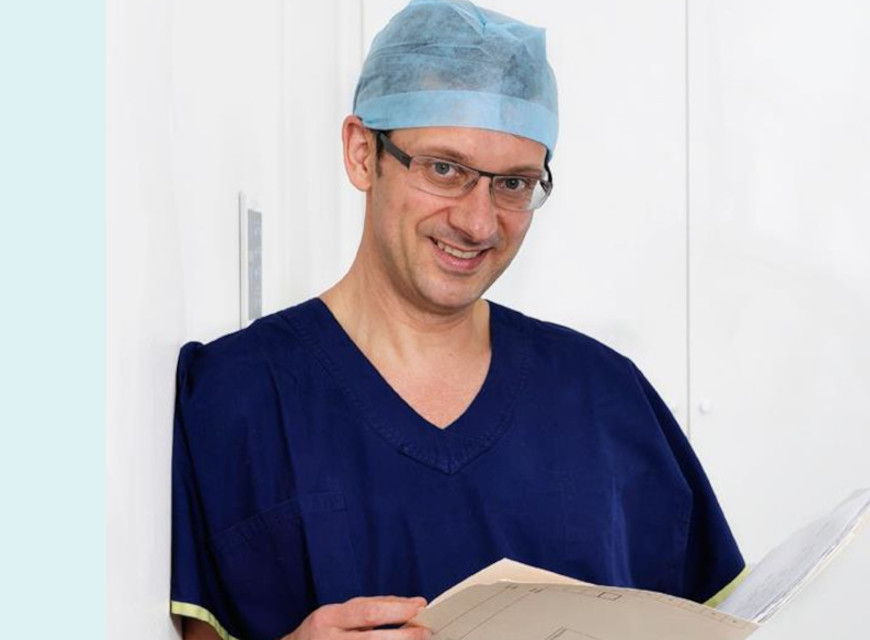
Dr. Mark Kohout
A qualified plastic surgeon who operates with care and integrity, based in central Sydney with over 20 years of experience in the cosmetic field. His extensive training and experience assures patients they are in highly trained surgical hands. Dr. Kohout is a dedicated, friendly professional who is committed to providing the high quality care, support and results, alongside his compassionate team.
Dr Mark Kohout (MED0001133000)
Specialist Plastic Surgeon
Specialist registration in Surgery – Plastic Surgery