BodyTite Skin Tightening Sydney

With Dr. Mark Kohout

Body Tite Skin Tightening Sydney

Skin does not always contract in proportion to the changes taking place beneath it. Weight loss, pregnancy, ageing and genetic factors can alter the relationship between skin, fat and underlying connective tissue, sometimes leaving areas of persistent skin laxity. While liposuction can reduce localised fat deposits, it cannot reliably address loose skin. BodyTite skin tightening offers a different approach, using radiofrequency energy beneath the skin to encourage tissue contraction without surgically removing large sections of skin. Understanding how this technology works, and where its limitations lie, is essential for anyone considering treatment.

Dr Mark Kohout, MBBS, FRACS (Plast), is a Specialist Plastic Surgeon in Sydney with more than 25 years of experience in plastic and reconstructive surgery. His practice provides information about BodyTite and its potential role in managing selected forms of skin laxity, including circumstances where liposuction or changes following weight loss are involved. Whether BodyTite is appropriate depends on the extent of skin laxity, tissue characteristics, general health and individual treatment objectives. A clinical consultation provides an opportunity to assess these factors and consider the available surgical alternatives.

What Is BodyTite Skin Tightening?

BodyTite is a radiofrequency-assisted treatment designed to address localised fatty tissue and skin laxity. It uses radiofrequency-assisted lipolysis (RFAL), a technology that delivers controlled thermal energy beneath the skin. Unlike external skin tightening devices, BodyTite involves introducing a narrow probe into the subcutaneous tissue through a small incision, making it an invasive procedure rather than a non-surgical surface treatment.

The energy delivered during treatment is intended to produce contraction within collagen-rich tissues and encourage subsequent tissue remodelling. These processes may contribute to changes in skin firmness and the contour of the treated area. However, BodyTite does not physically remove substantial excess skin, and the amount of contraction achieved varies according to anatomy, skin quality and individual healing.

Key characteristics of BodyTite include:

  • Uses radiofrequency energy delivered beneath the skin.
  • Aims to encourage contraction of collagen-rich tissue.
  • May be combined with liposuction when fat reduction is also indicated.
  • Requires small access incisions and appropriate anaesthesia.
  • Does not replace surgical skin removal when substantial excess skin is present.
BodyTite Skin Tightening Explained by Dr Mark Kohout

How Does BodyTite Skin Tightening Work?

BodyTite operates through a system of two electrodes positioned on opposite sides of the tissue being treated. An internal probe is introduced into the subcutaneous fat layer, while an external electrode moves across the overlying skin. Radiofrequency energy passes between these electrodes, generating heat within the intervening tissues. The system incorporates temperature monitoring and energy controls intended to regulate treatment, although these features do not eliminate procedural risks.

Thermal energy can influence collagen structure and surrounding connective tissue, potentially producing immediate tissue contraction followed by longer-term remodelling. During healing, changes in collagen organisation may contribute to gradual alterations in skin firmness. The response is influenced by the amount of pre-existing laxity, tissue thickness, treatment parameters and healing characteristics, which means outcomes cannot be predicted precisely.

The treatment involves several biological processes:

  • Collagen contraction: Controlled heating may cause existing collagen-rich tissues to contract.
  • Tissue remodelling: Changes in collagen organisation can develop over subsequent months.
  • Fat treatment: Radiofrequency energy may affect localised adipose tissue.
  • Contour alteration: Combined tissue changes may influence the surface contour of the treated area.
  • Variable response: The extent of visible tightening depends on individual tissue characteristics.

Which Areas Can Be Considered for BodyTite Treatment?

BodyTite technology has been used in anatomical regions where reduced skin elasticity and localised fat deposits may occur together. These changes can develop following weight fluctuations, pregnancy or ageing, although their distribution varies considerably between individuals. The presence of skin laxity alone does not establish that an area is appropriate for radiofrequency-assisted treatment.

Different body regions have distinct skin thicknesses, underlying anatomical structures and healing characteristics. These differences influence treatment planning, energy delivery and procedural risks. An assessment is therefore necessary to determine whether BodyTite is suitable for a particular region or whether another surgical approach is more appropriate.

Anatomical areas in which BodyTite technology may be considered include:

  • Abdomen: Localised skin laxity with or without residual fat deposits.
  • Upper arms: Changes in skin elasticity and underlying tissue support.
  • Thighs: Skin laxity affecting the inner or outer thigh regions.
  • Flanks and waist: Localised fat deposits accompanied by reduced skin contraction.
  • Back: Selected areas of subcutaneous fat and tissue laxity.
  • Areas around the knees: Localised changes in skin support and contour.

The availability and suitability of treatment for each area should be confirmed during consultation.

Who May Be Suitable for BodyTite Skin Tightening?

BodyTite may be considered by adults who have localised skin laxity but do not necessarily require extensive surgical skin removal. Some patients investigate the procedure following weight loss, while others are concerned about changes associated with pregnancy or ageing. Suitability depends on more than the visible appearance of the skin, particularly because the underlying fat distribution and connective tissue structure can influence the treatment response.

A patient with relatively limited skin laxity may have different treatment options from someone with substantial folds of excess skin. General health, weight stability, smoking status, previous surgery and medication use must also be considered. Importantly, patients should understand that treatment may produce only limited contraction and that the degree of improvement cannot be guaranteed.

Factors considered during assessment include:

  • The extent and distribution of skin laxity
  • Skin thickness, elasticity and tissue quality
  • The presence of localised fat deposits
  • Weight stability and anticipated weight changes
  • Medical conditions that may affect healing
  • Previous procedures and existing scars
  • Whether the expected limitations of treatment are acceptable
Who May Be Suitable for BodyTite Skin Tightening

Can BodyTite Help with Skin Laxity After Weight Loss?

Significant weight loss changes the amount of fatty tissue supporting the overlying skin. Although skin can contract to some extent, this ability is influenced by age, genetics, the duration of previous weight gain and the magnitude of weight reduction. In some individuals, reduced elasticity means that areas of excess skin remain despite weight stabilisation. These changes may occur following dietary weight loss, bariatric surgery or treatment with weight-management medication.

BodyTite may be considered where residual skin laxity is relatively limited and sufficient tissue elasticity remains. However, substantial skin redundancy is unlikely to respond adequately to radiofrequency-assisted contraction alone. Patients with pronounced excess skin may need to consider excisional procedures, which physically remove selected tissue through planned incisions. The distinction is important because BodyTite and skin-removal surgery address different anatomical circumstances.

Assessment after weight loss may include:

  • Determining whether weight has stabilised
  • Examining the amount of residual fat beneath the skin
  • Evaluating skin elasticity and tissue redundancy
  • Identifying areas where surgical skin removal may be more appropriate
  • Considering previous bariatric or body-contouring procedures
  • Discussing realistic limitations of radiofrequency treatment

Read more about BodyTite versus excisional surgery after weight loss.

How Is BodyTite Different from Liposuction?

Liposuction primarily addresses localised fat deposits by removing subcutaneous adipose tissue through a suction cannula. Although the skin may contract after fat removal, the extent of that contraction depends on its existing elasticity. Where skin support is reduced, liposuction alone may leave residual laxity or make pre-existing loose skin more apparent. This is particularly relevant when the amount of fat removed is substantial relative to the skin’s ability to adapt.

BodyTite differs because its principal mechanism involves controlled thermal energy delivered into the subcutaneous tissues. The resulting heat is intended to encourage contraction of collagen-rich structures. When both fat reduction and skin laxity require consideration, radiofrequency treatment may be combined with liposuction. However, combining procedures introduces additional considerations regarding treatment extent, recovery and complications.

Important differences include:

  • Liposuction: Primarily removes selected fat deposits.
  • BodyTite: Uses radiofrequency energy to encourage tissue contraction.
  • Skin response: Liposuction relies partly on the skin’s existing ability to contract.
  • Combined procedures: May be considered when both fat volume and skin laxity are relevant.
  • Limitations: Neither approach reliably removes substantial excess skin without an excisional procedure.

How Does BodyTite Compare with Surgical Skin Removal?

The main difference between BodyTite and excisional body-contouring surgery is whether tissue is contracted or physically removed. BodyTite aims to produce contraction within existing skin and connective tissue using thermal energy. Procedures such as abdominoplasty, brachioplasty and thigh lift surgery remove selected areas of excess skin through surgical incisions. They are generally considered when tissue redundancy is too extensive for contraction-based treatment to address adequately.

Skin-removal surgery involves different considerations, including incision length, scar placement, wound healing and recovery. In some cases, it may also address anatomical changes that BodyTite cannot correct, such as certain abdominal wall abnormalities. Neither treatment should be viewed as universally preferable. The appropriate approach depends on the patient’s examination findings, medical circumstances and acceptance of the risks and limitations of each procedure.

Key distinctions include:

  • BodyTite does not directly excise substantial excess skin.
  • Excisional surgery removes selected areas of redundant tissue.
  • BodyTite typically requires smaller access incisions.
  • Skin-removal procedures may involve longer scars.
  • Recovery requirements depend on the extent of each procedure.
  • Both approaches carry risks and may produce variable outcomes.

What Happens During a BodyTite Consultation?

A consultation begins with an assessment of the patient’s concerns, medical history and physical characteristics. The examination considers the relationship between skin laxity, underlying fat distribution and tissue support. Factors such as previous surgery, weight changes, smoking, medication use and medical conditions may influence whether treatment is appropriate. An assessment may also identify concerns that are unlikely to respond meaningfully to radiofrequency-assisted treatment.

Dr Kohout’s specialist plastic surgery assessment provides an opportunity to consider BodyTite in the context of other available treatment options. These may include liposuction, skin-removal surgery or no surgical intervention. Patients should receive information about the proposed approach, alternatives, possible complications, recovery requirements and expected costs. They should also have sufficient time to consider the information before making a treatment decision.

The consultation may involve:

  • Reviewing medical history and relevant health conditions
  • Assessing skin laxity, elasticity and fat distribution
  • Discussing previous surgery and weight changes
  • Considering suitable procedural alternatives
  • Explaining possible risks and treatment limitations
  • Reviewing anaesthesia and postoperative requirements
  • Providing information about anticipated costs

How Is the BodyTite Procedure Performed?

BodyTite treatment generally begins with marking the anatomical areas to be addressed. The anaesthesia plan depends on the procedure’s extent, the region being treated and whether additional surgery is proposed. Local anaesthesia with sedation or general anaesthesia may be considered in appropriate circumstances. Small incisions allow the internal radiofrequency probe to be positioned within the subcutaneous tissue while the external electrode remains against the skin.

During treatment, radiofrequency energy passes between the two electrodes, creating controlled heating within the intervening tissues. The treating clinician adjusts the probe position and treatment parameters according to the anatomical plan. When liposuction is also indicated, selected fat deposits may be removed using a separate suction cannula. Following the procedure, dressings and compression garments may be used according to the postoperative plan.

The procedure may involve:

  • Preoperative assessment and treatment-area marking
  • Administration of appropriate anaesthesia
  • Creation of small access incisions
  • Placement of the internal radiofrequency probe
  • Controlled delivery of thermal energy
  • Liposuction if included in the surgical plan
  • Dressings, compression garments and postoperative monitoring

What Can Patients Expect During BodyTite Recovery?

Recovery after BodyTite depends on the treated area, the amount of tissue involved and whether liposuction or another procedure has been performed. Swelling, bruising, tenderness and temporary alterations in skin sensation may occur during early healing. Some patients also experience firmness or tightness in the treated tissues, which may change as postoperative swelling resolves. The extent and duration of these symptoms cannot be predicted precisely.

Activity restrictions are determined by the individual surgical plan. Patients may require time away from work, exercise and physically demanding activities, particularly after more extensive or combined treatment. Compression garments may be recommended, and follow-up appointments are important for monitoring healing. Increasing redness, fever, worsening pain, significant swelling or unexpected wound drainage should prompt medical assessment.

Recovery considerations may include:

  • Swelling and bruising around the treatment area.
  • Temporary tenderness or altered skin sensation.
  • Use of prescribed dressings or compression garments.
  • Restrictions on strenuous exercise and heavy lifting.
  • Time away from work depending on physical demands.
  • Scheduled postoperative reviews.
  • Monitoring for infection, fluid accumulation or delayed healing.

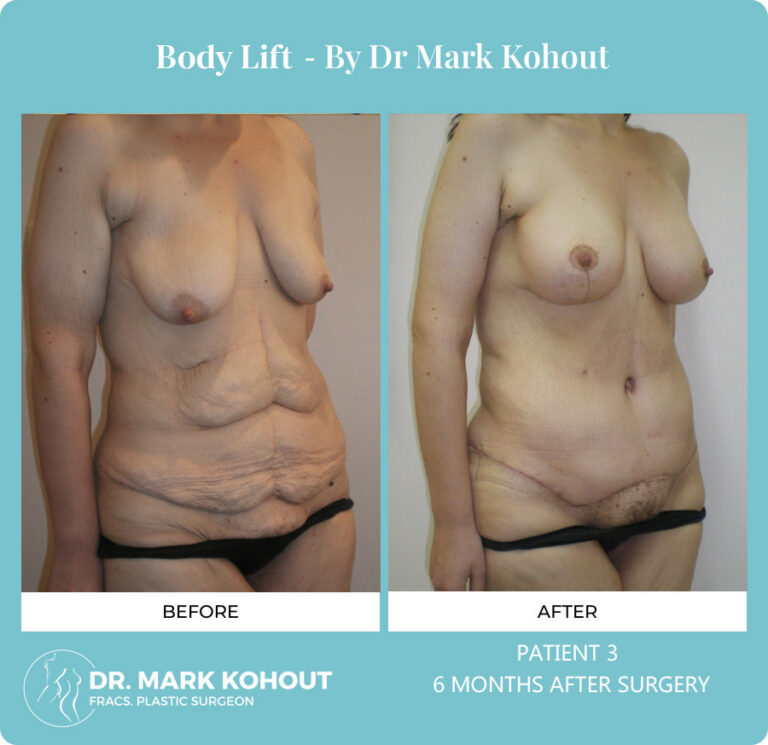
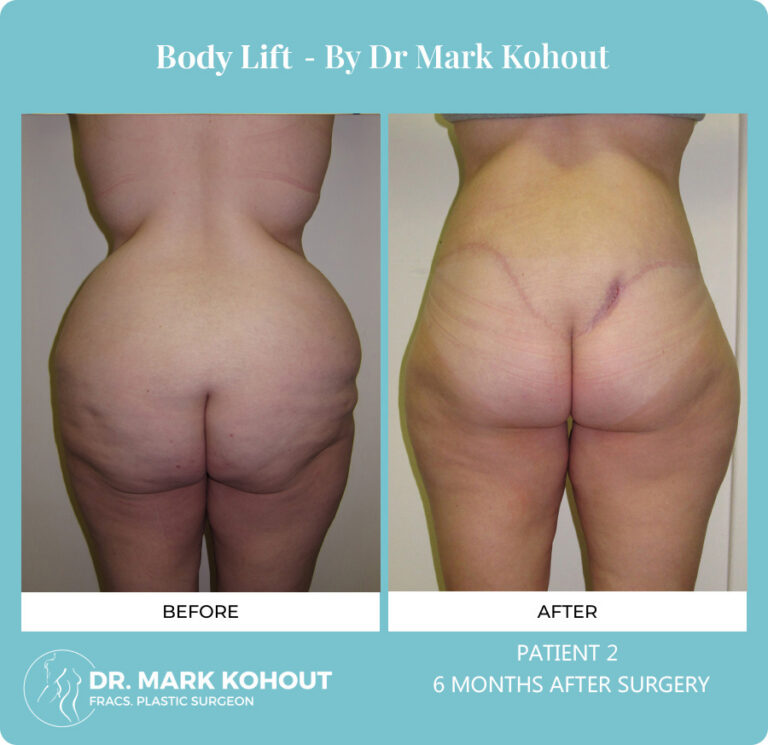
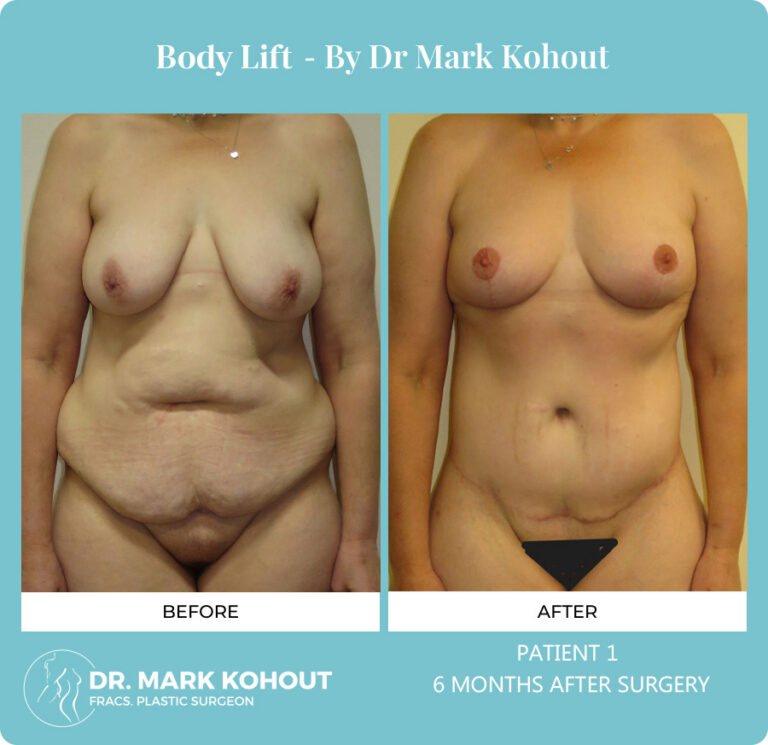
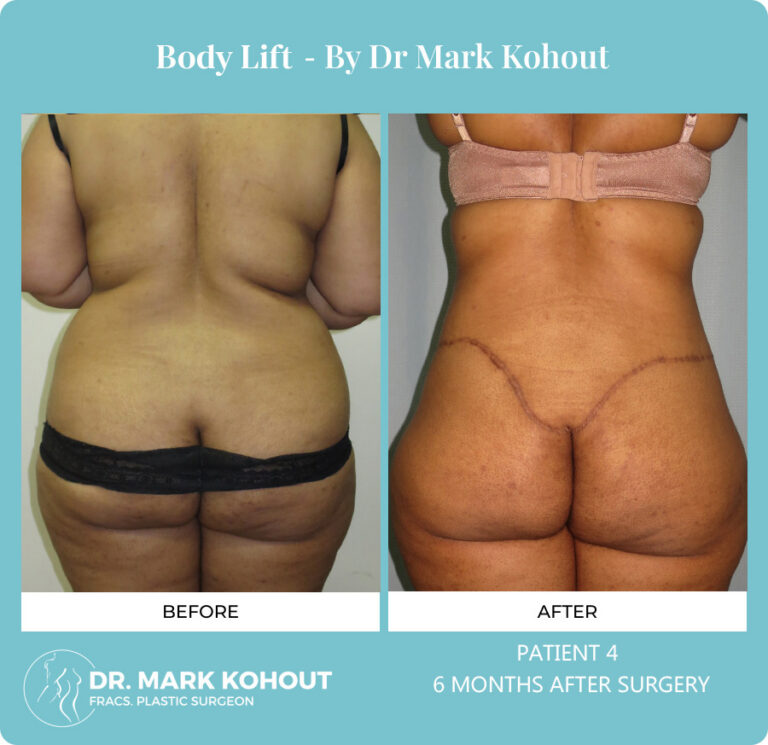
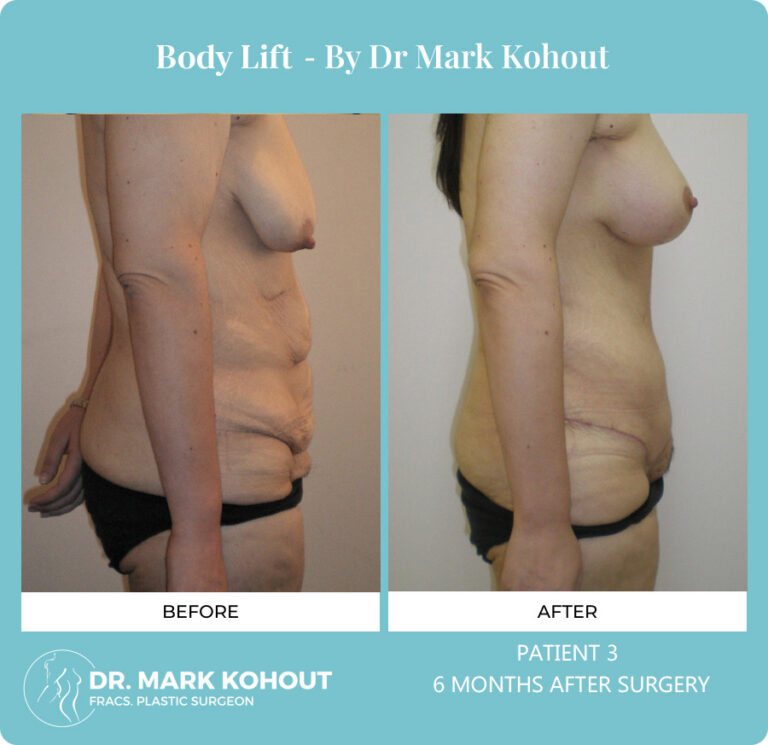
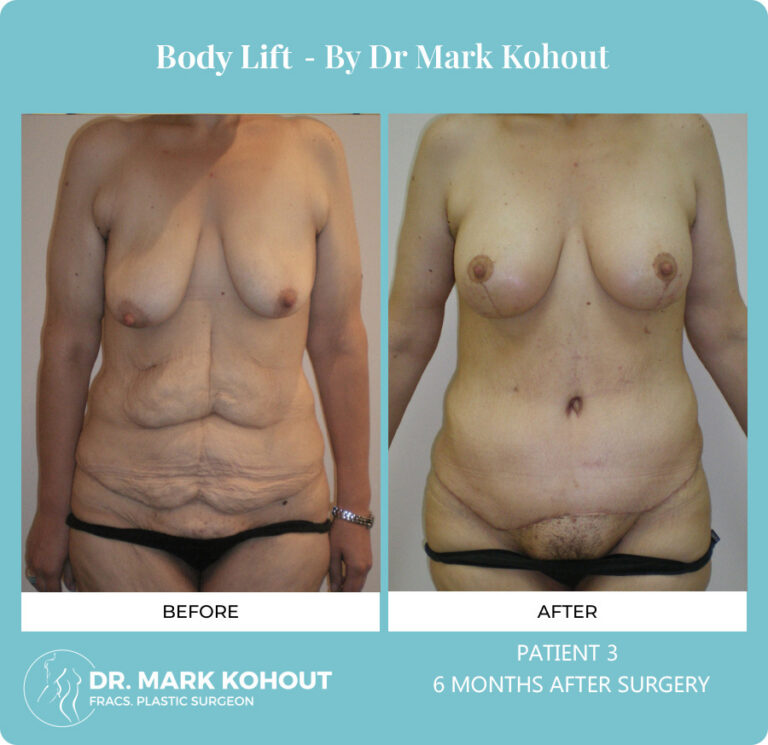
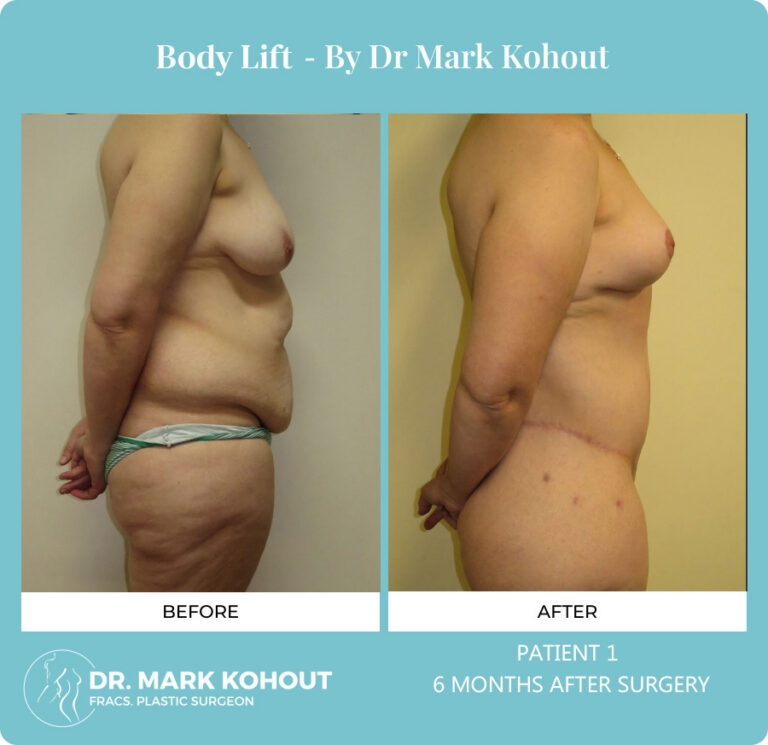
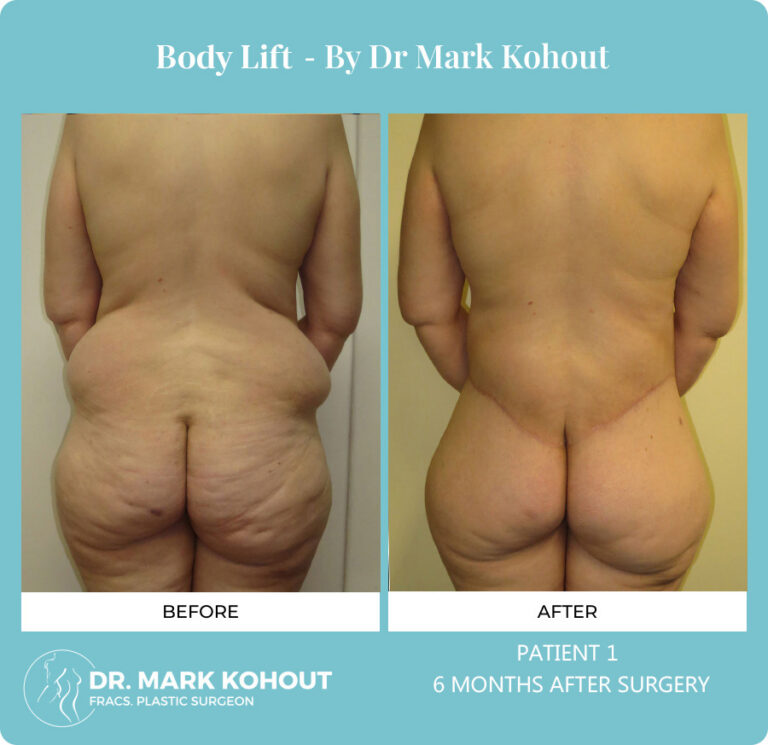
Before and After Photos of Body Lift Surgery

These photographs show patients who underwent body lift surgery, which removes excess skin through surgical incisions. They do not demonstrate BodyTite treatment results. Individual results vary.

Disclaimer

Individual results vary due to personal health factors and genetics, and all surgical procedures carry inherent risks that should be discussed with a qualified health professional.

When Do BodyTite Results Become Visible?

Changes following BodyTite may develop gradually rather than appearing at a single predictable point. Tissue contraction can occur during treatment, but early swelling may obscure the treated area’s eventual appearance. As swelling decreases, changes in contour may become more noticeable. Collagen remodelling and other healing processes can continue over several months, although the timing and extent of these changes differ between patients.

The final appearance depends on skin quality, pre-existing laxity, anatomical characteristics, treatment extent and individual healing. Weight fluctuations and ongoing ageing may also influence the area over time. Current evidence does not allow a precise prediction of how much tightening an individual patient will experience or how long the visible change will persist. Some patients may have limited improvement despite technically appropriate treatment.

Factors influencing results include:

  • The amount of skin laxity before treatment.
  • Skin thickness and remaining elasticity.
  • Age and underlying connective tissue characteristics.
  • The presence and distribution of subcutaneous fat.
  • Postoperative swelling and scar formation.
  • Weight stability following treatment.
  • Individual differences in collagen remodelling.

What Are the Risks and Complications of BodyTite?

BodyTite involves introducing an instrument beneath the skin and delivering radiofrequency energy into living tissue. Although access incisions are relatively small, the procedure carries risks associated with invasive treatment, thermal energy and anaesthesia. Potential complications include bleeding, infection, burns, fluid accumulation, altered sensation and changes in skin contour. Some complications may require additional treatment or surgery.

When BodyTite is combined with liposuction, the risks associated with fat removal must also be considered. These can include fluid-related complications, tissue injury and, rarely, serious events such as thromboembolism or fat embolism. The likelihood and consequences of complications depend on individual health, treatment extent and procedural circumstances. A detailed discussion of relevant risks is an essential part of informed consent.

Potential complications include:

  • Bleeding, bruising or haematoma
  • Infection or delayed wound healing
  • Burns and unintended thermal injury
  • Seroma or fluid accumulation
  • Persistent firmness, irregular contours or asymmetry
  • Changes in skin sensation or pigmentation
  • Scarring at the access incisions
  • Inadequate contraction or an unsatisfactory result
  • Anaesthesia-related complications
  • Additional procedures or revision surgery
BodyTite Risks and Complications by Dr Mark Kohout

What Does Medical Research Say About BodyTite?

Published research suggests that radiofrequency-assisted procedures can produce measurable changes in tissue laxity in selected patients. Studies have investigated the effects of thermal energy on collagen-rich structures, skin contraction and body contour. A 2022 systematic review published in Plastic and Reconstructive Surgery examined studies involving monopolar and bipolar radiofrequency devices and reported evidence of improvement in skin laxity alongside treatment-related complications.

However, the evidence has limitations that are important when interpreting these findings. Studies vary in their devices, treatment techniques, anatomical regions, patient populations and methods of measuring outcomes. Some involve relatively small groups or limited follow-up periods. Findings about radiofrequency treatment generally may not apply directly to every BodyTite protocol. The available research supports cautious consideration of treatment in selected circumstances rather than claims of predictable or permanent results.

Important considerations from the literature include:

  • Radiofrequency energy can influence collagen-rich tissues.
  • Measurable skin contraction has been reported in selected studies.
  • Treatment responses vary between patients.
  • Published studies use different techniques and outcome measures.
  • Thermal injury and other complications remain possible.
  • Longer-term comparative evidence is still limited.
  • Individual clinical assessment remains essential.

How Much Does BodyTite Skin Tightening Cost in Sydney?

The cost of BodyTite skin tightening in Sydney depends on the treatment area, the extent of tissue involvement and whether additional procedures are planned. A limited treatment area may involve different procedural requirements from treatment of several anatomical regions. Anaesthesia, operating facilities, postoperative garments and follow-up arrangements may also influence the total expense. The cost cannot be accurately determined from the name of the procedure alone.

A personalised quotation requires an individual assessment and confirmation of the intended treatment plan. Patients should be informed about what is included in the estimated fee and whether separate charges may apply. Where BodyTite is combined with liposuction or another operation, the overall cost may differ substantially from treatment involving radiofrequency energy alone. Financial information should be considered alongside the clinical risks, limitations and available alternatives.

Factors that may influence treatment costs include:

  • Number and size of treatment areas
  • Complexity and duration of the planned procedure
  • Whether liposuction is also performed
  • Anaesthesia requirements and related professional fees
  • Hospital or procedural facility charges
  • Compression garments and postoperative care
  • Additional services not included in the initial quotation

For general information, see Dr Kohout’s body surgery pricing. A personalised BodyTite quotation requires consultation.

Is BodyTite Covered by Medicare or Private Health Insurance?

BodyTite performed for cosmetic skin tightening is generally a self-funded procedure. Medicare does not ordinarily provide benefits solely because an individual has skin laxity or wishes to change the contour of a body region. The presence of excess skin, previous weight loss or a medical referral does not automatically establish eligibility for a Medicare rebate. Any claim must meet the complete requirements of an applicable Medicare Benefits Schedule item.

In selected medically indicated circumstances, a separate surgical procedure associated with body-contouring treatment may qualify for Medicare benefits if all relevant criteria are satisfied. This does not establish that the BodyTite component itself is eligible. Private health insurance contributions depend on the patient’s policy, exclusions, waiting periods and the specific services provided. Even where an eligible procedure attracts a contribution, out-of-pocket costs may remain.

Important financial considerations include:

  • Cosmetic BodyTite treatment is generally self-funded
  • Medicare eligibility requires satisfaction of specific MBS criteria
  • Associated surgery does not automatically make BodyTite rebate-eligible
  • Private health insurance benefits depend on individual policy conditions
  • Hospital cover does not guarantee payment of all procedural expenses
  • Individual assessment is necessary before potential rebates can be discussed
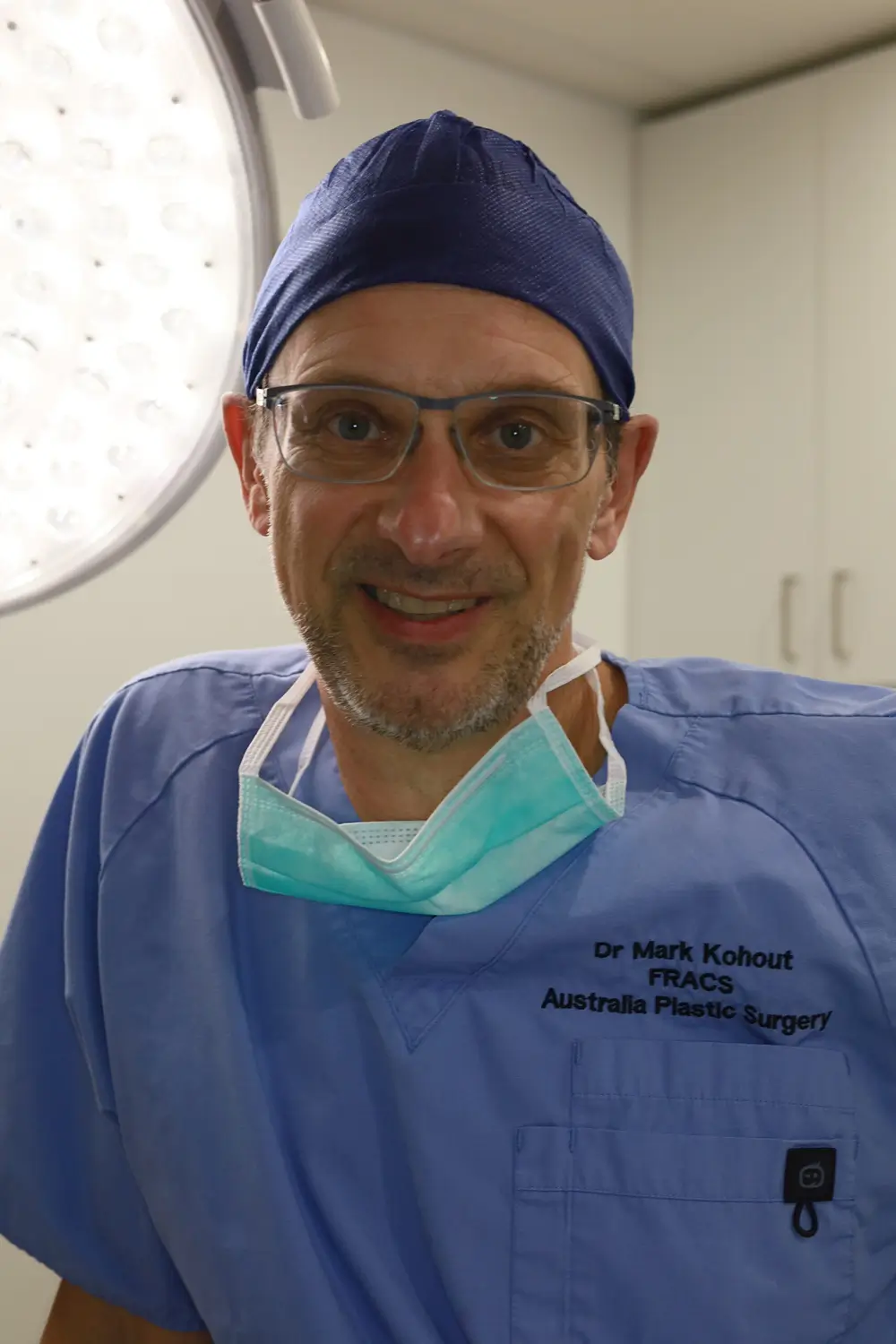
Dr Mark Kohout
Dr Mark Kohout Portrait Image

FAQs About BodyTite Skin Tightening

Is BodyTite a surgical or non-surgical treatment?

BodyTite is an invasive procedure because it requires an internal probe to be introduced beneath the skin through an incision. Although it typically uses smaller access incisions than excisional body-contouring surgery, it still involves procedural risks, anaesthesia considerations and postoperative recovery.

Can BodyTite tighten skin without liposuction?

BodyTite may be performed without conventional liposuction in selected circumstances. Whether this approach is appropriate depends on the amount of underlying fat, the degree of skin laxity and the intended treatment outcome. Some patients may require combined treatment, while others may be better suited to a different procedure.

Does BodyTite leave visible scars?

BodyTite requires small access incisions that may leave permanent scars. Their appearance depends on incision placement, individual healing and scar characteristics. Although these incisions are generally smaller than those used for surgical skin removal, their visibility cannot be predicted or guaranteed.

Is BodyTite suitable after pregnancy?

BodyTite may be considered for selected patients with skin laxity following pregnancy. However, pregnancy-related changes can also involve substantial excess skin or separation of the abdominal muscles, which BodyTite does not correct. A clinical examination after appropriate postpartum recovery is necessary to determine suitable options.

Can BodyTite remove stretch marks?

BodyTite is not specifically designed to remove stretch marks. Stretch marks involve structural changes within the skin, and their response to radiofrequency-assisted treatment is uncertain. Patients should not assume that treating nearby skin laxity will remove or substantially reduce stretch marks.

How long do BodyTite results last?

There is no universally predictable duration for BodyTite results. Any visible changes may be influenced by ongoing ageing, weight fluctuations and changes in tissue elasticity. Long-term outcomes also depend on the degree of tissue contraction achieved and individual healing characteristics.

Is BodyTite effective for significant loose skin after major weight loss?

BodyTite is unlikely to provide sufficient contraction where substantial excess skin is present. In these circumstances, excisional procedures such as abdominoplasty, brachioplasty or body lift surgery may be considered. The appropriate option depends on anatomy, medical suitability and the patient’s understanding of the differences in scars, recovery and risks.

Medical References

Could BodyTite Skin Tightening Be Right for You?

Understanding your skin, its elasticity and the changes beneath it is the first step towards choosing an appropriate treatment. Dr Mark Kohout, MBBS, FRACS (Plast), is a Specialist Plastic Surgeon in Sydney with more than 25 years of experience in plastic and reconstructive surgery. If you are considering BodyTite skin tightening, a consultation provides an opportunity to explore whether radiofrequency-assisted treatment may be suitable for your individual concerns, how it compares with other surgical options, and what to expect regarding results, recovery, risks and costs. Arrange a consultation with Dr Kohout to discuss your options and make an informed decision about your care.

Take our Plastic Surgery Quiz to find out if you’d be a good candidate and if you are ready for cosmetic surgery.​

Further Reading

Welcome to the Practice of
Dr. Mark Kohout

With over 25 years of experience and Harvard training, Dr. Mark Kohout offers experienced plastic and reconstructive surgery at his Sydney and Orange clinics. His patient-first approach focuses on delivering safe, natural results tailored to your unique goals.

What's Next?

Whether you are ready for a professional evaluation or just have a quick question, we’ve made it easy to connect with our team. Choose the option that best fits your needs below.

Book your Consultation

Take the first step toward your goals by filling out the brief form below. This information helps us understand your specific needs so we can make the most of our time together during your session. Once you submit your details, a member of our team will review your request and reach out shortly to confirm your appointment.

Patient Photo Assessment

Sending photos for a patient photo assessment can help you and your plastic surgeon prepare for your consultation. By reviewing clear, accurate photos, Dr Kohout can provide preliminary patient photo assessment like insights, assess your needs, and determine the right approach for your procedure.

Tips for Uploading Photos

ASK A FRIEND

Friend takes photo

GOOD LIGHTING

Plain wall, bright light

ALL ANGLES

Front / sides/ 45°

CLEAR & SHARP

No portrait mode

SEND ORIGINALS

No edits or compression

Dr. Mark Kohout Plastic Surgery in Sydney & Orange

Experienced Plastic Surgeon

Dr. Mark Kohout

A qualified plastic surgeon who operates with care and integrity, based in central Sydney with over 20 years of experience in the cosmetic field. His extensive training and experience assures patients they are in highly trained surgical hands. Dr. Kohout is a dedicated, friendly professional who is committed to providing the high quality care, support and results, alongside his compassionate team.

Dr Mark Kohout (MED0001133000)
Specialist Plastic Surgeon
Specialist registration in Surgery – Plastic Surgery

25

Years of Experience

Years of Delivering Exceptional Cosmetic Care.

10000+

Surgical Procedures

Procedures performed by our qualified surgeons.

15+

Available Treatments

Cosmetic treatment options tailored to your needs.

Our Trusted

Accreditations

fracs

Dr Mark Kohout is a qualified plastic surgeon based in central Sydney, with over 20 years of experience in the field of cosmetic and reconstructive surgery. He draws on extensive surgical training and clinical experience to tailor care to the individual needs and goals of each patient.

Dr Kohout is known for his thoughtful, patient-centred approach, guiding individuals through each stage of their surgical journey — from initial consultation to post-operative care. Working alongside a compassionate and professional team, he is committed to providing high standards of care in a supportive and respectful environment.

Locations

Opening Hours

Monday - Friday

8:30AM - 05:00PM

Saturday - Sunday

Closed

Disclaimer: Dr Mark Kohout (MED0001133000) a Registered Medical Practitioner, Specialist Plastic Surgeon. All surgical or invasive procedures carry risks and complications. We recommend seeking a second opinion from an appropriately qualified medical practitioner before proceeding with any surgery. Results depend on individual patient circumstances and can vary significantly. Results may also be impacted by a variety of factors including your lifestyle, weight, nutritional intake and overall health. Consult your Specialist Plastic Surgeon for details. This information is general in nature and is not intended to be medical advice nor does it constitute a doctor-patient relationship. Surgery risks and complications will be covered in detail during a consultation with your Surgeon. We recommend seeking a second opinion from an appropriately qualified medical practitioner before proceeding with surgery.

©2024  All Rights Reserved

This website contains imagery which is only suitable for audiences 18+. All surgery contains risks, read more here.

Close Welcome Bar

Get Your Skin Tightening with Renuvion and Bodytite Guide

Get Your Buttock Lift & Implants Guide

Get Your Facial Aesthetic

Get Your Breast Implant Removal

Get Your Female Genital Surgery Guide

Get Your Excess Skin Guide

Get Your Gynaecomastia Guide

Get Your Liposuction Guide

Get Your Abdominoplasty Guide

Get Your Cost of Surgery Guide

Get Your Breast Implant Replace Guide

Get Your Breast Reduction Guide

Get Your Breast Augmentation Guide

Make an Enquiry