
Facelift Orange NSW
Facelift surgery, medically referred to as rhytidectomy, is a procedure used to address age-related changes in the face and neck. These may include skin laxity, deep creases, and shifting of facial volume. While such changes are part of the natural ageing process, some individuals seek surgical options to support a more defined facial contour that aligns with their personal preferences. A facelift involves lifting and repositioning deeper facial structures, along with the removal of excess skin where appropriate, with the aim of supporting facial balance and structural harmony.
Dr Mark Kohout is a Specialist Plastic and Reconstructive Surgeon with over two decades of experience in facial and body procedures. After graduating from the University of Sydney, Dr Kohout completed specialist training in the United Kingdom before returning to Australia, where he became a Fellow of the Royal Australasian College of Surgeons (FRACS). His clinical practice is based on anatomical experience, careful planning, and evidence-informed surgical techniques.
Dr Kohout consults with patients at his main clinic in Sydney and also sees patients in Orange, New South Wales, where he provides access to specialist plastic surgery for individuals living in the Central West. This regional location allows patients to receive personalised care without the need to travel to metropolitan centres.
Facelift surgery is not a single approach applied uniformly. It is a complex procedure that is tailored to each person’s facial structure, tissue characteristics, and surgical needs. During consultation, Dr Kohout conducts a full assessment and discusses surgical options, recovery considerations, and realistic expectations.
Considerations and Possible Outcomes of Facelift Surgery
Facelift surgery is often considered by individuals who notice gradual changes in their facial appearance, particularly in the lower face and neck. These changes can result from ageing, gravity, sun exposure, and individual differences in skin and tissue structure. While these developments are expected with time, some people choose to explore surgical options as a way to address them in a clinically supported manner.
When planned according to individual anatomy and surgical goals, facelift surgery may offer the following potential benefits:
- Repositioning of deeper tissues in areas such as the cheeks, jawline, and lower face
- Reduction in visible skin laxity that contributes to jowling or softening of the jawline
- Smoother facial contours and improved definition along facial borders
- A more refined transition between the face and neck, depending on the approach used
- Addressing of deep creases by lifting and supporting underlying structures
- A surgical plan that is based on the patient’s specific facial structure and tissue characteristics
It is important to understand that these potential benefits are not guaranteed and will vary between individuals. Outcomes are influenced by factors such as skin quality, underlying bone structure, and how the body responds to surgery. During consultation, Dr Mark Kohout provides a full clinical assessment and discusses which techniques may be appropriate.
Facelift surgery is not intended to change one’s identity or expression. Instead, it is focused on addressing structural changes in the face in a measured and medically informed way. Many patients appreciate having the option to discuss this procedure in detail and to understand what is involved before making any decisions.
Assessing Suitability for Facelift Surgery
Facelift surgery may be appropriate for individuals who have developed visible signs of facial ageing, particularly in the lower face and neck. There is no fixed age for this procedure, but it is generally considered when non-surgical options are no longer effective.
Suitability is assessed during consultation and often includes:
- Noticeable skin laxity or sagging (ptosis) in the lower face or neck
- Loss of definition along the jawline or the development of jowls
- Deep creases around the mouth or chin
- Good general health and the ability to undergo surgery
- Realistic expectations about what the procedure can and cannot achieve
Dr Mark Kohout reviews each patient’s medical history, facial anatomy, and goals before recommending any surgical plan. Patients seen at his Orange clinic receive a full clinical assessment and have the opportunity to discuss whether facelift surgery may be appropriate for their situation.
How Facelift Surgery Is Performed
Facelift surgery is done in an accredited hospital under general anaesthesia. The procedure is planned in advance during consultation, where the steps and surgical options are explained.
On the day of surgery, you are admitted to hospital and prepared for the procedure. After anaesthesia is given, Dr Kohout begins by making small, well-placed incisions. These are usually around the ears and may extend into the hairline. If the neck is also being treated, an incision may be made under the chin.
The deeper layers of the face, such as the SMAS (Superficial Musculoaponeurotic System), are lifted and repositioned. This provides support from underneath and reduces the need to stretch the skin. If needed, the neck muscles may also be tightened, and excess fat or skin may be removed.
Once the deeper tissues are adjusted, the skin is gently laid back into place. Any excess is trimmed, and the incisions are closed with sutures. Dressings are applied, and sometimes a small drain is used to reduce fluid build-up.
The surgery usually takes several hours. Some patients go home the same day, while others stay overnight. This depends on the extent of the procedure and the recovery plan.
In Orange, Dr Kohout performs all planning and reviews in his clinic, while the surgery takes place in an accredited hospital in Sydney. Clear instructions for aftercare and follow-up are provided before discharge.
Your Recovery After a Facelift
Recovery after facelift surgery happens in stages, and each person heals at their own pace.
Immediately After Surgery
Most patients spend a few hours in recovery before going home or staying overnight. Dressings are in place, and in some cases, a small drain is used. Care instructions are given before discharge.
First Week
- Swelling and bruising are common
- Rest with the head elevated
- Pain is managed with prescribed medication
- A review appointment is scheduled to monitor healing
One to Two Weeks
- Sutures are usually removed within 7 to 10 days
- Light daily activities are possible by the end of week two
- Bruising begins to fade
Three to Six Weeks
- Swelling continues to reduce
- Light exercise may be resumed with clearance
- Temporary numbness or tightness can occur
Long-Term Healing
- Final results may take months to appear
- Scars fade gradually over 6 to 12 months
- Ongoing follow-up ensures healing is monitored
Considerations for Orange Patients
Local patients benefit from easier access to follow-up at Dr Kohout’s Orange clinic. Those travelling from Bathurst, Blayney, Parkes, or other nearby areas may wish to plan overnight accommodation for early post-operative care.
Facelift Recovery: What to Know in the Months Ahead
Healing continues for several months after a facelift. Swelling, firmness, and temporary numbness are common and typically settle gradually. Scars are usually positioned around the ears and hairline, and may become less prominent over time.
Skin Care and Protection
Avoid direct sun exposure in the early stages and use sunscreen regularly. Good skin care supports long-term results.
Lifestyle Factors
Healthy habits, such as not smoking, staying hydrated, and maintaining good nutrition, all contribute to recovery and tissue health.
Follow-Up
Regular reviews with Dr Kohout are scheduled in both Orange and Sydney, ensuring progress is monitored. While facelift surgery does not stop ageing, it can address changes at a point in time. Some patients may seek further procedures in the future, though this is not always necessary.
Before and After Surgery
Facelift surgery with Dr Mark Kohout involves preparation before the procedure and structured follow-up after.
At your consultation in Orange or Sydney, Dr Kohout reviews your history, examines your facial structure, and explains suitable surgical options. Pre-operative instructions are also provided, including medication guidelines and lifestyle adjustments.
On the day of surgery, the procedure is performed in a hospital under general anaesthesia. Some patients return home the same day, while others stay overnight.
In the early days, swelling and bruising are normal. Dr Kohout provides care instructions, including how to manage dressings and when to return for follow-up. Sutures are generally removed within two weeks. Orange patients often attend follow-up locally, making recovery more convenient.
Healing continues over several weeks, and patients are given advice on sun protection, skin care, and resuming normal activities.
Planning and Costs for Your Facelift
The cost of facelift surgery depends on the extent of the procedure, hospital charges, anaesthesia, and whether other treatments are combined. A personalised quote is provided after consultation.
In most cases, facelift surgery is considered cosmetic and is not covered by Medicare or private health insurance. If any component qualifies for a Medicare item number, Dr Kohout’s team will advise you.
Patients in Orange can attend a local consultation and receive a full breakdown of fees and surgical planning. For current information, visit the Fees & Pricing page.
FAQs About Face Lift
If I get my facelift on a Friday, can I still make it to the Farmers Market on Saturday?
Not quite. As tempting as it may be to pick up fresh apples and sourdough the next day, you will likely experience swelling, discomfort, and bandaging. It’s best to allow a couple of weeks before returning to busy public settings.Can I tell my neighbours I just went for a long weekend at Lake Canobolas?
Yes. Many people choose to keep their surgery private. A quiet getaway story involving limited phone reception and rest is a common explanation. If you return looking more rested, most people won’t question it.Will magpies still recognise me after surgery?
Birds are surprisingly good at facial recognition, but your local magpies are unlikely to take offence. Still, it’s a good idea to avoid direct eye contact during swooping season.Can I mow the paddock three days after my facelift?
Please don’t. Mowing, especially with vibration or on uneven ground, involves movement, sun exposure, and physical strain. These are not recommended during the early stages of recovery. Consider asking someone else to help during this period.Can I take a selfie in front of the Orange sign the day after surgery?
You can, but it may not be your most flattering moment. Bruising and swelling are expected in the initial stages. Waiting two to three weeks before taking photos in public settings is generally advisable.I’m a schoolteacher. Can I blame my new look on school holidays and better lighting in the staffroom?
Yes. Many people attribute a refreshed appearance to time off, rest, or a change in routine. These are common explanations and often all that’s needed.Can I sneak in a wine tasting if it’s just a ‘sip and spit’?
It’s best to avoid alcohol in any form during recovery, even in small amounts. You can plan your visit to cellar doors once you’ve healed and received clearance from your surgeon.What happens if I bump into someone I know at my post-op appointment?
That’s always a possibility in a close-knit place like Orange. Dr Kohout’s clinic staff are discreet, and you are under no obligation to explain your visit. A hat, sunglasses, and a casual “just here for a check-up” is usually enough.Will my dog still recognise me after surgery?
Yes. Your dog will recognise your scent, voice, and routine. Temporary changes in appearance won’t affect how they respond to you, especially when it comes to mealtime.Can I say the facelift was part of a ‘regional arts residency’?
That’s up to you. Orange has a vibrant creative community. If you choose to frame your experience creatively, that’s your choice. Just keep in mind that healing is a gradual process that varies for each individual.Further Reading
- Read Dr Mark Kohout’s Facelift (Rhytidectomy) Procedure Overview
- Read more about Different Techniques for SMAS Facelift: Comprehensive Guide
- Read more about Recovery After Facelift Surgery: A Comprehensive Timeline & Tips
Meet Your Surgeon: Dr Mark Kohout
Dr Mark Kohout is a Specialist Plastic and Reconstructive Surgeon with over 20 years of experience. He holds medical and surgical qualifications from the University of Sydney and completed further specialist training in the United Kingdom, where he became a Fellow of the Royal College of Surgeons. He is also a Fellow of the Royal Australasian College of Surgeons (FRACS), the recognised qualification for plastic surgery in Australia.
His approach to facelift surgery is based on careful assessment, personalised planning, and clear communication. Each procedure is tailored to the patient’s anatomy and goals, with a focus on safety and realistic outcomes.
For patients in Orange and the Central West, Dr Kohout offers local consultations and follow-up care, reducing the need to travel to Sydney. This makes ongoing care more accessible and convenient for regional patients.
Visiting Orange for Facelift Care
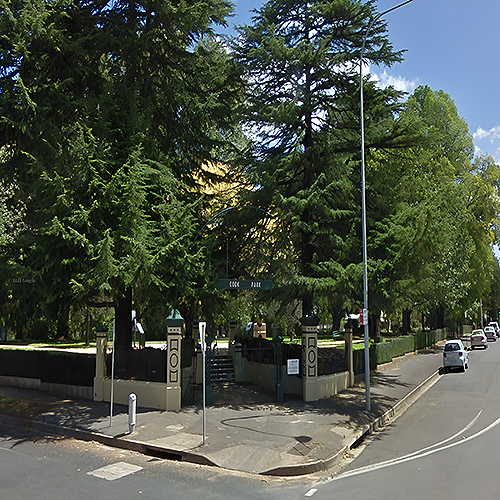
Patients from across the Central West and beyond often travel to Orange for consultations or follow-up with Dr Mark Kohout.
- By car: About 3.5 hours from Sydney, 45 minutes from Bathurst, and just over an hour from Parkes
- By train or bus: NSW TrainLink runs services from Sydney and nearby towns, with the train taking about 4.5 hours
- By air: Orange Regional Airport has direct flights to Sydney in under an hour and is 15 minutes from town
- Accommodation: A range of hotels, motels, and boutique stays are available. Many patients stay overnight for convenience after surgery or before follow-up
Orange is known for its cool climate, so if travelling in winter, plan accordingly and prioritise rest during recovery.
Getting Started
To explore whether facelift surgery may be appropriate for your individual circumstances, the first step is to schedule a consultation with Dr Mark Kohout. Appointments are available in both Orange and Sydney.
During the consultation, Dr Kohout will assess your facial structure, review your medical history, and discuss whether facelift surgery may be suitable. You will also receive information about the procedure, expected recovery timeline, and a personalised quote if surgery is considered appropriate.
To make an enquiry or book an appointment:
 Orange Clinic: Level 5, 1521 Forest Rd, Orange NSW 2800
Sydney Clinic: Suite 2, 37 Bay Street, Sydney NSW 2037
 Phone: 1300 55 11 51
 Email: info@drmarkkohout.com.au
Dr Kohout’s team can provide further information and assist you with the next steps based on your location and clinical needs.
Orange Top Sights


Experienced Plastic Surgeon
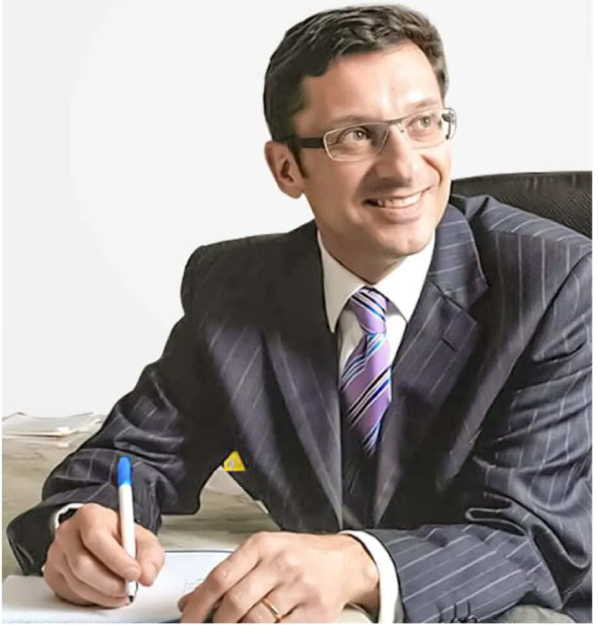
Dr. Mark Kohout
A qualified plastic surgeon who operates with care and integrity, based in central Sydney with over 20 years of experience in the cosmetic field. His extensive training and experience assures patients they are in highly trained surgical hands. Dr. Kohout is a dedicated, friendly professional who is committed to providing the high quality care, support and results, alongside his compassionate team.
Dr Mark Kohout (MED0001133000)
Specialist Plastic Surgeon
Specialist registration in Surgery – Plastic Surgery

25
Years of Experience
Years of Delivering Exceptional Cosmetic Care.

10000+
Surgical Procedures
Procedures performed by our qualified surgeons.

15+
Available Treatments
Cosmetic treatment options tailored to your needs.
Our Trusted
Accreditations




Book your Consultation
Take the first step toward your goals by filling out the brief form below. This information helps us understand your specific needs so we can make the most of our time together during your session. Once you submit your details, a member of our team will review your request and reach out shortly to confirm your appointment.
Patient Photo Assessment
Sending photos for a patient photo assessment can help you and your plastic surgeon prepare for your consultation. By reviewing clear, accurate photos, Dr Kohout can provide preliminary patient photo assessment like insights, assess your needs, and determine the right approach for your procedure.
Tips for Uploading Photos
ASK A FRIEND
Friend takes photo
GOOD LIGHTING
Plain wall, bright light
ALL ANGLES
Front / sides/ 45°
CLEAR & SHARP
No portrait mode
SEND ORIGINALS
No edits or compression
What to do next
- All Surgery has risks and potential complications. Please read risks and complications.
- Please read our website pages and Blogs to learn more about your intended procedure.
- Download our Procedure Guides to find out more about your surgery.
Questions?
Get in touch or book your consultation

Dr. Mark Kohout is a dedicated qualified plastic surgeon based in central Sydney with over 25 years of experience in the cosmetic field. With his extensive training and experience, patients can be assured they are in the hands of a highly accomplished surgeon. Dr. Kohout is a fully committed, friendly professional who is devoted in providing the optimal care, support and results, alongside his compassionate team.
Explore
Locations
- Suite 2, 37 Bay St, Glebe, Sydney, NSW 2037
- Level 5, 1521 Forest Rd, Orange NSW 2800
Opening Hours
Monday - Friday
8:30AM - 05:00PM
Saturday - Sunday
Closed
- 1300 55 11 51

©2024 All Rights Reserved
- 1300 55 11 51
©2024 All Rights Reserved