Gynaecomastia Sydney

With Dr. Mark Kohout

man chest

Gynaecomastia surgery is an option some men consider when enlarged breast tissue has persisted despite medical assessment, lifestyle changes or observation, and is causing ongoing concern about chest appearance or comfort. It focuses on reducing excess glandular tissue and/or fat to change the contour of the chest, usually with day-surgery techniques. The sections below provide information for men considering this procedure.

What is Gynaecomastia?

Gynaecomastia is a benign enlargement of male breast tissue caused by an imbalance between oestrogen and testosterone, leading to a relative increase in glandular breast tissue. It can affect one or both sides and may occur during puberty, with ageing, in association with certain medications or substances, or as a feature of underlying medical conditions such as liver disease, hormonal disorders or some tumours.

Gynaecomastia is not usually associated with serious illness, but concerns about chest appearance often prompt men to seek assessment. In adolescents, breast tissue often settles over one to two years as hormones stabilise; in adults, persistent gynaecomastia may be less likely to resolve on its own.

It is also important to distinguish true gynaecomastia (increased glandular tissue) from pseudogynaecomastia, where the chest appears fuller mainly due to excess fat rather than glandular tissue. In many men, there is a mix of both. A careful examination and sometimes imaging (such as ultrasound) help clarify what is contributing in your case.

Gynaecomastia treatment options depend on cause and duration and can include:

  • Monitoring only, particularly in teenagers or recent-onset cases
  • Addressing underlying medical or medication-related causes
  • Weight management and exercise where increased fat is a major factor
  • Surgery to remove persistent glandular tissue and/or fat when conservative measures are insufficient

Gynaecomastia surgery (male breast reduction) removes excess glandular tissue and may combine this with liposuction of surrounding fat and, in more significant cases, removal of redundant skin. Individual outcomes vary depending on tissue quality, skin elasticity, body weight, health status and healing characteristics.

Who May Benefit

Gynaecomastia surgery may be considered by people with hormonal enlargement, conditions that increase male breast tissue, men who have not seen change with lifestyle or medication, and individuals seeking to remove excess fat and tissue. In practice, common situations include:

✓ Men with persistent glandular enlargement

Some men develop breast tissue during puberty that does not regress over time, or enlargement that arises later and remains stable after medical causes have been assessed and addressed, where possible. If gynaecomastia has been present for a long period (for example, more than 12–18 months) and the tissue feels firm or rubbery rather than just soft fat, it may be less likely to resolve spontaneously and more likely to need surgical removal if treatment is needed.

✓ Men with conditions or medications associated with gynaecomastia

Hormone-related conditions, certain heart or prostate medications, anabolic steroids, some anti-epileptic drugs, alcohol misuse and cannabis use have all been associated with gynaecomastia in the broader medical literature. In many cases, optimising medical care or adjusting medication (under supervision) is the first step. When breast tissue remains despite these measures and has been stable for some time, surgery may be discussed as one option.

✓ Men who do not see change with lifestyle measures

Weight management, exercise and addressing alcohol intake can reduce fat in many parts of the body, including the chest, but glandular tissue does not respond in the same way. Some men find that even when their overall weight is stable or lower than in the past, a localised fullness across the nipple–areola area persists. In these circumstances, surgery may be considered if symptoms remain significant.

✓ Men with chest contour or skin issues after major weight loss

After significant weight loss, some men are left with a combination of residual breast tissue and loose chest skin. In such cases, gynaecomastia surgery may involve not only removal of glandular tissue and fat, but also tightening or excision of stretched skin and adjustment of the nipple-areola position.

Not everyone with gynaecomastia will choose surgery. Some men are reassured once serious causes are excluded; others prefer to focus on clothing choices and exercise. Surgery is usually considered when the condition is stable, underlying causes have been explored, and chest appearance or symptoms remain a significant concern despite non-surgical measures.

back man chest

Take our Plastic Surgery Quiz to find out if you’d be a good candidate and if you are ready for cosmetic surgery.​

Consider our online plastic surgery quiz as a tool to help you reflect on your goals, expectations and reasons for considering surgery, but it cannot diagnose gynaecomastia, determine whether surgery is appropriate, or replace a medical consultation.

Any treatment decision should be based on a full assessment of your medical history, examination of the chest, and, where necessary, investigations and specialist input (for example, from your GP or an endocrinologist). The quiz can be useful preparation for a consultation, but it is not a standalone decision-making guide.

Am I a Candidate?

Four benchmarks are used to consider candidate suitability: Gynaecomastia, Health, Non-Surgical and Chest Shape. These can be unpacked into practical points usually covered in consultation.

✓ Gynaecomastia characteristics

You may be considered for surgery if:

  • There is confirmed gynaecomastia (glandular tissue, with or without extra fat), rather than purely fatty chest fullness
  • The condition has been present for a significant time and is no longer changing rapidly
  • Underlying medical causes have been investigated and, where possible, optimised

In adolescents, many surgeons recommend waiting until hormonal changes stabilise, unless there are exceptional circumstances, because early surgery may be followed by further growth or changes.

✓ General health

Gynaecomastia surgery usually requires either general anaesthesia or local anaesthesia with sedation, so general fitness for anaesthesia is important. Your surgeon and, if needed, your GP or other specialists will consider:

  • Heart and lung health
  • Blood pressure and diabetes control
  • Any history of bleeding or clotting disorders
  • Medications that affect bleeding or healing (such as blood thinners, some supplements or steroids)
  • Smoking or nicotine use, which can increase the risk of wound-healing issues and complications

Addressing modifiable risk factors (such as smoking cessation or better control of medical conditions) before surgery can help reduce complication rates.

✓ Non-surgical assessment

Before surgery is considered, non-surgical options are usually explored as appropriate, such as:

  • Observation in younger patients where spontaneous resolution is likely
  • Reviewing medications that could be contributing and, under medical advice, changing or stopping them if suitable
  • Investigating and managing underlying conditions such as liver disease, thyroid problems or hormone-secreting tumours when suspected

In some cases, medical therapies (such as hormone-modulating drugs) may be suggested by an endocrinologist, although their role is more limited once breast tissue has been present for a longer period. Surgery is generally considered when gynaecomastia is stable and non-surgical measures have had a limited effect or are not suitable.

✓ Chest shape and skin quality

Skin elasticity, distribution of tissue and chest wall shape all influence what surgery can achieve. During examination, the surgeon assesses:

  • How much of the volume is firm gland versus soft fat
  • Whether the areola is stretched or enlarged
  • Whether there is loose skin or downward displacement of the nipple that may require skin tightening
  • Symmetry between the two sides

These factors help determine whether liposuction alone, gland excision, or a combination, with or without skin reduction, is likely to be appropriate in your case.

man chest

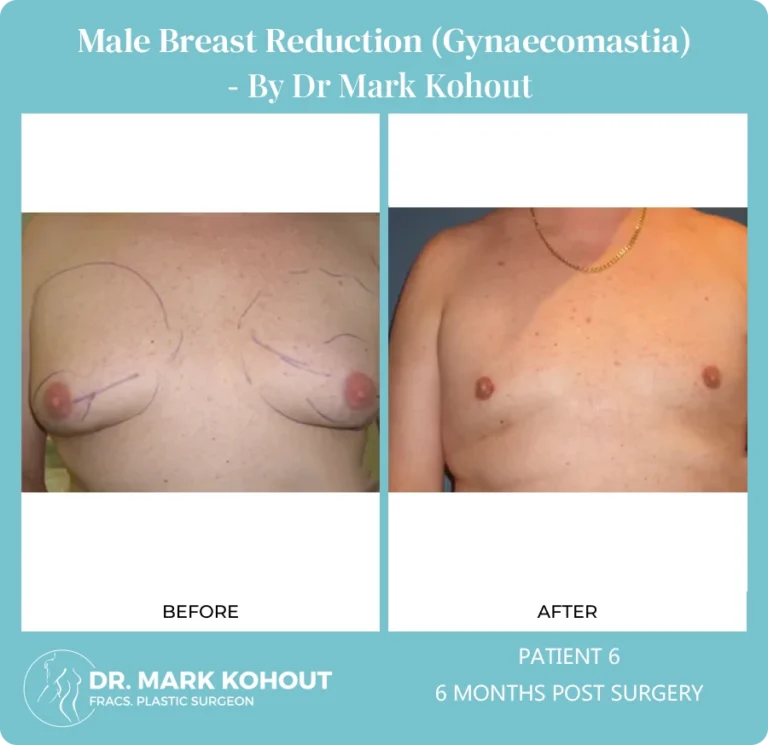
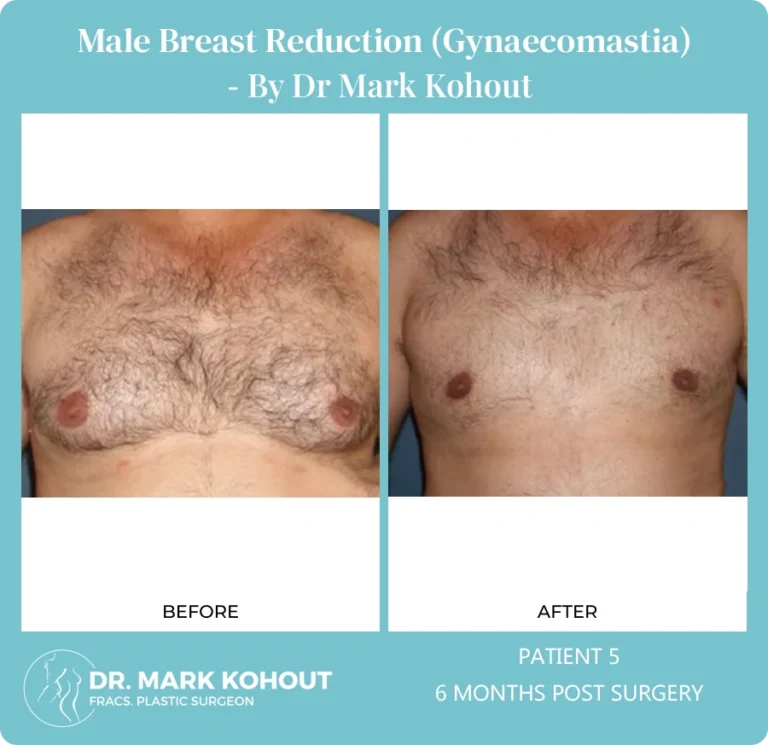
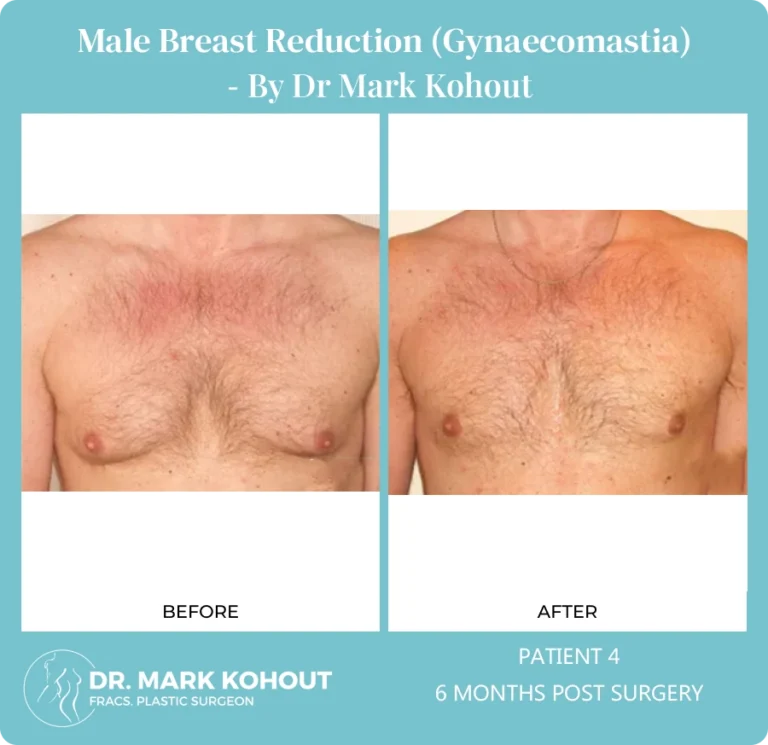
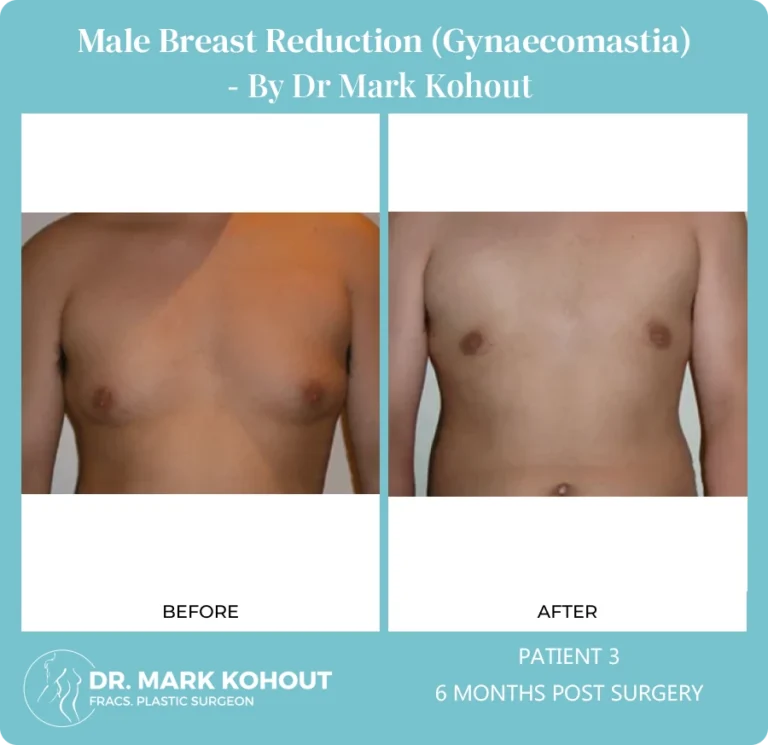
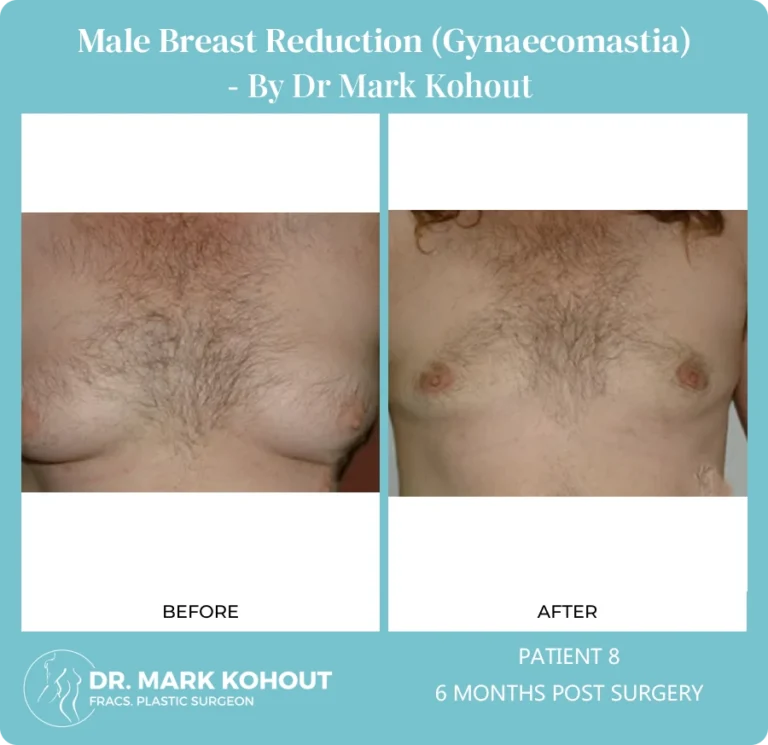
Before and After Photos of Gynaecomastia Surgery

See the difference it has made for our clients.

Disclaimer

Individual results vary due to personal health factors and genetics, and all surgical procedures carry inherent risks that should be discussed with a qualified health professional.

This page includes a gallery of before-and-after images for patients who have consented to have their photos displayed, together with a disclaimer that individual results vary and that all surgery carries risks.

These photos can help show:

  • Typical directions of change in chest contour
  • The likely location and approximate length of scars in different types of gynaecomastia
  • How outcomes look in people with different starting shapes and degrees of enlargement

However, they are not a guarantee of what you will experience. Differences in starting anatomy, tissue quality, skin elasticity, scarring tendencies and lifestyle mean that results can vary significantly from person to person. Your surgeon can use example photos at the consultation to explain what changes may be realistic in your circumstances.

How Is the Procedure Performed?

The gynaecomastia process can be summarised into consultation, anaesthesia, and incision with removal of excess tissue through small cuts around the nipple or in the armpit. In practice, there are several steps.

✓ Consultation

At consultation, Dr Mark Kohout will:

  • Take a detailed medical and medication history, including hormone-related issues, weight changes, medications, drugs, alcohol and family history
  • Examine the chest to assess tissue type, degree of enlargement, skin quality and asymmetry
  • Look for signs suggestive of other conditions, such as endocrine or testicular problems, and may recommend GP or specialist review if needed
  • Discuss non-surgical options and whether further investigations (such as blood tests or imaging) are advisable

This information is used to decide if surgery is appropriate and, if so, to plan the technique and extent of tissue removal.

✓ Anaesthesia

Gynaecomastia surgery is performed under general anaesthesia or local anaesthesia with sedation. The choice depends on:

  • The amount of tissue to be removed
  • Whether both sides are being treated
  • Whether liposuction and gland excision are both needed
  • Your general health and preferences

The anaesthetist will discuss fasting requirements, whether to continue or pause certain medications, and post-operative pain-relief strategies.

✓ Incision and Surgery

Dr Kohout makes precise incisions, typically around the nipple or in the armpit, to remove excess glandular tissue and fat, altering the chest appearance. More detail:

  • Liposuction
    • Small incisions (often a few millimetres) are made, commonly at the edge of the areola or in the natural folds near the armpit.
    • A thin cannula is inserted and attached to suction to remove excess fat from the chest.
    • Liposuction helps smooth the transition between the central breast area and surrounding chest, especially when fat is a significant component.
  • Excision of glandular tissue
    • When firm glandular tissue sits directly beneath the nipple–areola complex, it is usually removed through an incision placed around part of the areolar border or, less commonly, through an incision in another discreet location.
    • The firm tissue is carefully separated from surrounding structures while preserving the skin, nipple, nerves and blood supply as far as possible.
  • Skin reduction and areola adjustment (for more severe cases)
    • In larger or more long-standing cases with significant extra skin or low-lying nipples, additional incisions may be required to remove skin and reposition the areola.
    • The extent of skin excision is tailored to the degree of laxity and may result in more visible scars.

After tissue removal, the surgeon checks the contour in a sitting or semi-sitting position, adjusts as needed, and closes the incisions with sutures. Drains may be placed temporarily to remove fluid, depending on the extent of surgery and surgeon preference. A compression garment is usually applied to support the chest and help reduce swelling.

Most procedures are performed as day surgery, though an overnight stay may be recommended in some situations.

What Is the Gynaecomastia Surgery Recovery Like?

Recovery after gynaecomastia surgery usually involves mild swelling and bruising, use of a compression garment, a short period before light activities resume, a longer pause before intense exercise, and final results emerging over several months. A recent blog from Dr Kohout’s practice provides more detailed guidance on return to exercise after gynaecomastia surgery.

✓ Early days (first week)

  • Swelling and bruising across the chest are common and often peak within the first few days.
  • Discomfort or a feeling of tightness is expected; this is usually managed with oral pain-relief medication.
  • You will typically wear a compression vest or garment to support the chest, reduce swelling and help the skin conform to the new contour.

Short walks are encouraged to promote circulation, but lifting, pushing, pulling or raising the arms above shoulder height may be restricted initially.

✓ Weeks one to three

  • Bruising begins to fade; swelling gradually reduces but may still be obvious.
  • Stitches are removed if non-dissolving sutures have been used; many surgeons use dissolvable sutures under the skin.
  • Most people can return to office-based or study activities after about one to two weeks, depending on comfort, swelling and the nature of their work.

During this period you will usually be asked to:

  • Continue wearing the compression garment as advised
  • Avoid strenuous upper-body exercise or heavy lifting
  • Follow wound-care instructions carefully to reduce the risk of infection or wound problems

✓ Weeks four to six

  • Swelling continues to settle; the chest contour becomes more apparent, though subtle changes can continue for several months.
  • Light lower-body exercise may be increased gradually; gentle upper-body movements are usually reintroduced with your surgeon’s guidance.
  • Some temporary numbness, tingling or sensitivity around the nipples and chest is common as nerves recover.

More vigorous upper-body exercise, contact sports and heavy lifting are generally delayed until your surgeon confirms that healing has progressed sufficiently, often around six weeks or later, depending on the individual.

✓ Longer term

  • Incision lines typically soften and fade over time but remain permanent; in some people they may be more noticeable, especially if there is a tendency to thicker scars.
  • Subtle residual swelling may persist for several months; final contour is often assessed at around six to twelve months.
  • Ongoing weight management and adherence to general health advice can help support the durability of the chest contour.

Any sudden increase in pain, redness, discharge, fever, shortness of breath or one-sided leg swelling should prompt urgent medical review.
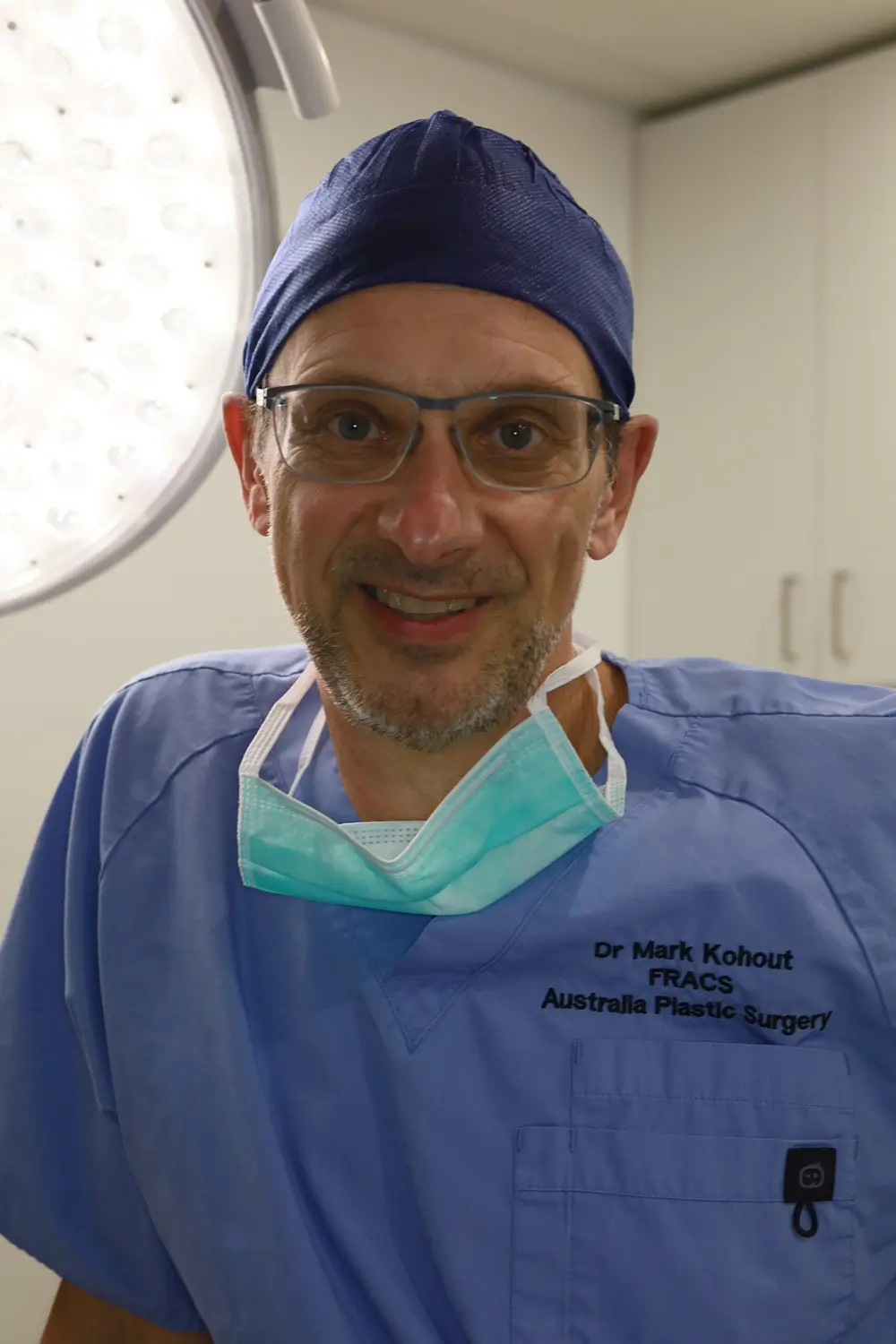
Dr Mark Kohout

What Are the Risks?

Gynaecomastia surgery carries risks such as infection, bleeding, scarring, potential asymmetry and changes in nipple sensation, with temporary swelling and bruising being common. Broader surgical information identifies additional possible complications.

Potential risks include (but are not limited to):

  • Infection – usually managed with antibiotics, but occasionally requiring drainage or further treatment
  • Bleeding or haematoma – blood collecting under the skin may require surgical evacuation
  • Seroma (fluid collection) – local fluid may need needle drainage or other management
  • Scarring – scars are permanent; in some people they may become wide, raised or pigmented, especially in those prone to hypertrophic or keloid scars
  • Changes in sensation – temporary numbness, reduced feeling or increased sensitivity around the nipple and chest are common; some changes can be long term
  • Asymmetry or contour irregularity – differences between the two sides or uneven areas; revision surgery may occasionally be considered
  • Residual tissue or recurrence – some glandular or fatty tissue may remain or enlarge if underlying causes (such as weight gain or certain medications) persist
  • Skin laxity or nipple position issues – particularly in larger cases; further procedures may be required in some circumstances
  • Complications specific to more extensive procedures – such as skin loss or nipple–areola problems in major reductions (rare)
  • Anaesthetic risks – including allergic reactions, heart or breathing issues, which are discussed with the anaesthetist pre-operatively

Your individual risk profile depends on your health, BMI, smoking status, the extent of surgery and adherence to post-operative instructions. It is recommended to seek a second opinion from another appropriately qualified medical practitioner before proceeding with any surgery.

What Are the Costs?

The cost of surgery varies with the surgeon’s fee, hospital or day-surgery facility charges and anaesthesia costs, along with pre-operative consultations, post-operative care and medications.

Typical components include:

  • Surgeon’s fee – assessment, planning, performing the operation and scheduled follow-up visits
  • Anaesthetist’s fee – for anaesthesia and monitoring during and immediately after surgery
  • Facility fees – operating-theatre time, nursing care, equipment and consumables
  • Pre-operative tests – such as blood tests or imaging, when required
  • Post-operative expenses – medications, dressings and compression garments

In Australia, there are Medicare item numbers for male breast surgery in specific medically indicated circumstances (for example, persistent gynaecomastia associated with documented symptoms and after appropriate specialist evaluation). Whether a particular case qualifies depends on strict criteria, including clinical findings and documentation. Patients are encouraged to confirm any possible Medicare or private health fund rebates directly with Medicare and their health insurer using information provided at consultation, as policies and item numbers can change over time.

Dr Kohout’s practice strives to provide flexible payment plans; such arrangements are usually through external finance providers and are separate from clinical decision-making. A personalised quote is provided after a face-to-face consultation, once your anatomy, health status, and planned procedure have been assessed.

Dr Mark Kohout

Gynaecomastia FAQs

Is gynaecomastia surgery a permanent solution?

Surgery removes existing glandular tissue and fat, and these removed tissues do not grow back; however, remaining tissue can change with weight gain, hormone changes, medications or substances that contributed in the first place. If underlying causes persist or develop later, some recurrence or new enlargement can occur. Maintaining a stable weight, following medical advice about hormones or medications, and avoiding anabolic steroids and certain drugs can help reduce this risk.

Can teenagers have gynaecomastia surgery?

Because gynaecomastia in teenagers is often temporary, many surgeons recommend waiting until puberty is complete and the tissue has been stable for some time before considering surgery, unless there are particular circumstances. Persistent, painful or very pronounced gynaecomastia in older adolescents may be assessed on a case-by-case basis, often with input from a paediatrician or endocrinologist. Any decision in this age group is made cautiously, with careful consideration of physical and emotional factors.

Will there be visible scars?

Yes. Even with small incisions for liposuction or periareolar excision, there will be permanent scars, although they are usually placed along natural borders or in less conspicuous areas. In more extensive cases requiring skin removal, scars may be longer or more visible. Scar appearance varies between individuals and tends to evolve over many months.

When can I go back to the gym?

Light walking can usually commence early, often within the first few days, while more structured lower-body exercise may be reintroduced gradually after a couple of weeks. Upper-body weights, chest exercises and high-impact activities are generally delayed for several weeks, often around six weeks or more, depending on your progress and your surgeon’s advice. Returning too soon can increase swelling or compromise healing.

Will surgery affect nipple sensation?

Many men experience temporary numbness, tingling or increased sensitivity around the nipples and chest after surgery as nerves recover. Sensation often improves over months, but in some cases, partial changes can be longer-term. The likelihood and degree of change depend on the extent of tissue removal, incision placement and individual anatomy.

Do I need a GP referral?

A referral from your GP is required, particularly if there are medical conditions or medications that may contribute to gynaecomastia, or if there is any possibility of Medicare involvement under medically indicated item numbers. A referral allows your GP to provide relevant health information and ensures that medical causes and alternatives have been considered alongside surgical options.

Welcome to the Practice

Dr Mark Kohout (MED0001133000) is a Specialist Plastic Surgeon with specialist registration in Surgery – Plastic Surgery and more than 20 years of experience in cosmetic and reconstructive surgery. He practises in central Sydney and Orange, drawing on training in Australia, Great Britain and the United States.

Practice information highlights an emphasis on:

  • Careful assessment and discussion of procedures, alternatives, risks and limitations
  • Using established techniques tailored to each patient’s anatomy and health
  • Structured follow-up and encouragement to seek a second opinion from another appropriately qualified medical practitioner before proceeding with surgery

Care is provided within a team setting that aims to support clear communication and respectful, transparent decision-making from first enquiry through to post-operative review.

Download
Male Breast Reduction
Surgery Guide

Ultimate Procedure Guide - Male Breast Reduction Card Image

What’s Next?

If you are considering gynaecomastia surgery, the next step is usually a face-to-face consultation with Dr Kohout or another Specialist Plastic Surgeon. During this visit, your medical history, medications and chest anatomy can be assessed, non-surgical options and possible investigations discussed, and the potential benefits, risks, recovery and costs outlined in detail for your specific situation.

You can complete a patient photo assessment form to assist with preliminary planning. However, any decision to proceed should only be made after an in-person examination and, if you wish, a second opinion from another suitably qualified practitioner. Whether you are ready for a professional evaluation or simply have a quick question, we’ve made it easy to connect with our team.

Further Reading

Book your Consultation

Take the first step toward your goals by filling out the brief form below. This information helps us understand your specific needs so we can make the most of our time together during your session. Once you submit your details, a member of our team will review your request and reach out shortly to confirm your appointment.

Patient Photo Assessment

Sending photos for a patient photo assessment can help you and your plastic surgeon prepare for your consultation. By reviewing clear, accurate photos, Dr Kohout can provide preliminary patient photo assessment like insights, assess your needs, and determine the right approach for your procedure.

Tips for Uploading Photos

ASK A FRIEND

Friend takes photo

GOOD LIGHTING

Plain wall, bright light

ALL ANGLES

Front / sides/ 45°

CLEAR & SHARP

No portrait mode

SEND ORIGINALS

No edits or compression

Dr. Mark Kohout Plastic Surgery in Sydney & Orange

Experienced Plastic Surgeon

Dr. Mark Kohout

A qualified plastic surgeon who operates with care and integrity, based in central Sydney with over 20 years of experience in the cosmetic field. His extensive training and experience assures patients they are in highly trained surgical hands. Dr. Kohout is a dedicated, friendly professional who is committed to providing the high quality care, support and results, alongside his compassionate team.

Dr Mark Kohout (MED0001133000)
Specialist Plastic Surgeon
Specialist registration in Surgery – Plastic Surgery

25

Years of Experience

Years of Delivering Exceptional Cosmetic Care.

10000+

Surgical Procedures

Procedures performed by our qualified surgeons.

15+

Available Treatments

Cosmetic treatment options tailored to your needs.

Our Trusted

Accreditations

fracs

Dr Mark Kohout is a qualified plastic surgeon based in central Sydney, with over 20 years of experience in the field of cosmetic and reconstructive surgery. He draws on extensive surgical training and clinical experience to tailor care to the individual needs and goals of each patient.

Dr Kohout is known for his thoughtful, patient-centred approach, guiding individuals through each stage of their surgical journey — from initial consultation to post-operative care. Working alongside a compassionate and professional team, he is committed to providing high standards of care in a supportive and respectful environment.

Locations

Opening Hours

Monday - Friday

8:30AM - 05:00PM

Saturday - Sunday

Closed

Disclaimer: Dr Mark Kohout (MED0001133000) a Registered Medical Practitioner, Specialist Plastic Surgeon. All surgical or invasive procedures carry risks and complications. We recommend seeking a second opinion from an appropriately qualified medical practitioner before proceeding with any surgery. Results depend on individual patient circumstances and can vary significantly. Results may also be impacted by a variety of factors including your lifestyle, weight, nutritional intake and overall health. Consult your Specialist Plastic Surgeon for details. This information is general in nature and is not intended to be medical advice nor does it constitute a doctor-patient relationship. Surgery risks and complications will be covered in detail during a consultation with your Surgeon. We recommend seeking a second opinion from an appropriately qualified medical practitioner before proceeding with surgery.

©2024  All Rights Reserved

This website contains imagery which is only suitable for audiences 18+. All surgery contains risks, read more here.

X

Get Your Facial Aesthetic

Get Your Breast Implant Removal

Get Your Female Genital Surgery Guide

Get Your Excess Skin Guide

Get Your Gynaecomastia Guide

Get Your Liposuction Guide

Get Your Abdominoplasty Guide

Get Your Cost of Surgery Guide

Get Your Breast Implant Replace Guide

Get Your Breast Reduction Guide

Get Your Breast Augmentation Guide

Make an Enquiry