Extended Abdominoplasty in Sydney

With Dr. Mark Kohout

liposuction

Dr Mark Kohout is a Specialist Plastic Surgeon with specialist registration in Surgery – Plastic Surgery, more than 25 years of practice and medical registration number MED0001133000. Extended abdominoplasty is an operation that removes selected excess skin and associated fatty tissue from the abdomen and flanks through a longer incision than standard abdominoplasty.

The procedure may be considered when tissue excess continues beyond the front of the abdomen toward the hips, commonly after substantial weight loss, bariatric surgery, pregnancy or repeated weight fluctuation. Depending on the surgical plan, it may also include repair of abdominal muscle separation, repositioning of the umbilicus and limited liposuction in selected areas.

Extended abdominoplasty is a major operation performed under general anaesthesia and involves a long permanent scar, postoperative mobility restrictions and a recovery period that may continue for several months. An in-person assessment is required to review anatomy, weight stability, nutrition, previous surgery, medical risk, alternatives and the option of no surgery.

What Is an Extended Abdominoplasty, and What Does It Actually Do?

Extended abdominoplasty removes selected skin and associated fatty tissue from the front of the abdomen and continues farther toward the flanks than standard abdominoplasty. It may also address abdominal muscle separation and reposition the umbilicus where these steps form part of the agreed surgical plan.

  • Abdominal tissue removal: Selected skin and fatty tissue are removed from the lower and central abdomen.
  • Flank treatment: The incision extends beyond the front of the hips to address tissue continuing toward the sides.
  • Muscle repair: Separated rectus muscles may be brought closer together where clinically indicated.
  • Umbilical repositioning: The umbilicus is commonly brought through a new opening in the remaining abdominal skin.
  • Additional contour treatment: Limited liposuction may be included in suitable areas where it can be performed without placing excessive stress on blood supply.

The procedure does not treat internal abdominal organs and is not a substitute for weight management. It cannot guarantee a flat abdomen, exact symmetry, a particular waist measurement or a specific clothing size.

What Should I Know About Extended Abdominoplasty at a Glance?

Extended abdominoplasty is commonly performed in an accredited hospital under general anaesthesia, with the patient staying overnight or longer depending on the extent of surgery and medical needs. The operation involves broader tissue removal than standard abdominoplasty and therefore requires careful planning for mobility, wound care and blood-clot prevention.

  • Treatment areas: Abdomen, waist and anterior flank regions
  • Incision: A low abdominal scar extending toward or beyond the hips
  • Additional steps: Umbilical repositioning and muscle repair may be included
  • Early recovery: Assisted walking, compression support and drain care may be required
  • Longer-term healing: Swelling, altered sensation and scar maturation may continue for several months

The exact scar length and hospital stay vary between patients. Return to work, driving, lifting and exercise should be based on individual healing and the surgical steps performed.

What Are the Potential Benefits of Extended Abdominoplasty?

Extended abdominoplasty may provide structural and practical changes where skin excess extends across the abdomen and into the flanks. The amount of change depends on tissue distribution, previous scars, skin quality, muscle separation, weight stability and individual healing.

  • Removal of selected abdominal skin: Tissue that remains after weight loss, pregnancy or repeated weight change may be removed.
  • Treatment of flank skin excess: The longer incision allows selected tissue beyond the front of the abdomen to be addressed.
  • Reduction of skin folds: Some patients may experience less movement, moisture or friction where folds were previously present.
  • Muscle repair where indicated: Repair may support the central abdominal wall when rectus separation is present.
  • Scar incorporation: Selected lower abdominal scars may sometimes be included within the tissue being removed.

These possible changes must be weighed against the long scar, wound-healing risk, recovery demands and possibility of revision. Surgery cannot guarantee symmetry, a particular torso shape or permanent maintenance of the postoperative contour.

Do I Need Extended Abdominoplasty or Liposuction?

Extended abdominoplasty and liposuction treat different anatomical concerns. Liposuction removes selected fat through small access points, while extended abdominoplasty removes substantial skin and associated tissue through a much longer incision.

  • Extended abdominoplasty: Treats skin excess extending across the abdomen and toward the flanks.
  • Standard abdominoplasty: Primarily treats the front of the abdomen through a shorter incision.
  • Liposuction: Reduces selected fat deposits but does not remove significant loose skin.
  • Panniculectomy: Removes overhanging lower abdominal tissue without necessarily repositioning the umbilicus or repairing muscles.
  • Circumferential body lift: Extends around the torso to address the lower back and buttock region as well as the abdomen.

Liposuction alone may leave loose skin unchanged and can make skin irregularity more noticeable in some patients. The appropriate procedure depends on whether the main issue is fat, skin, muscle separation or a combination of these factors.

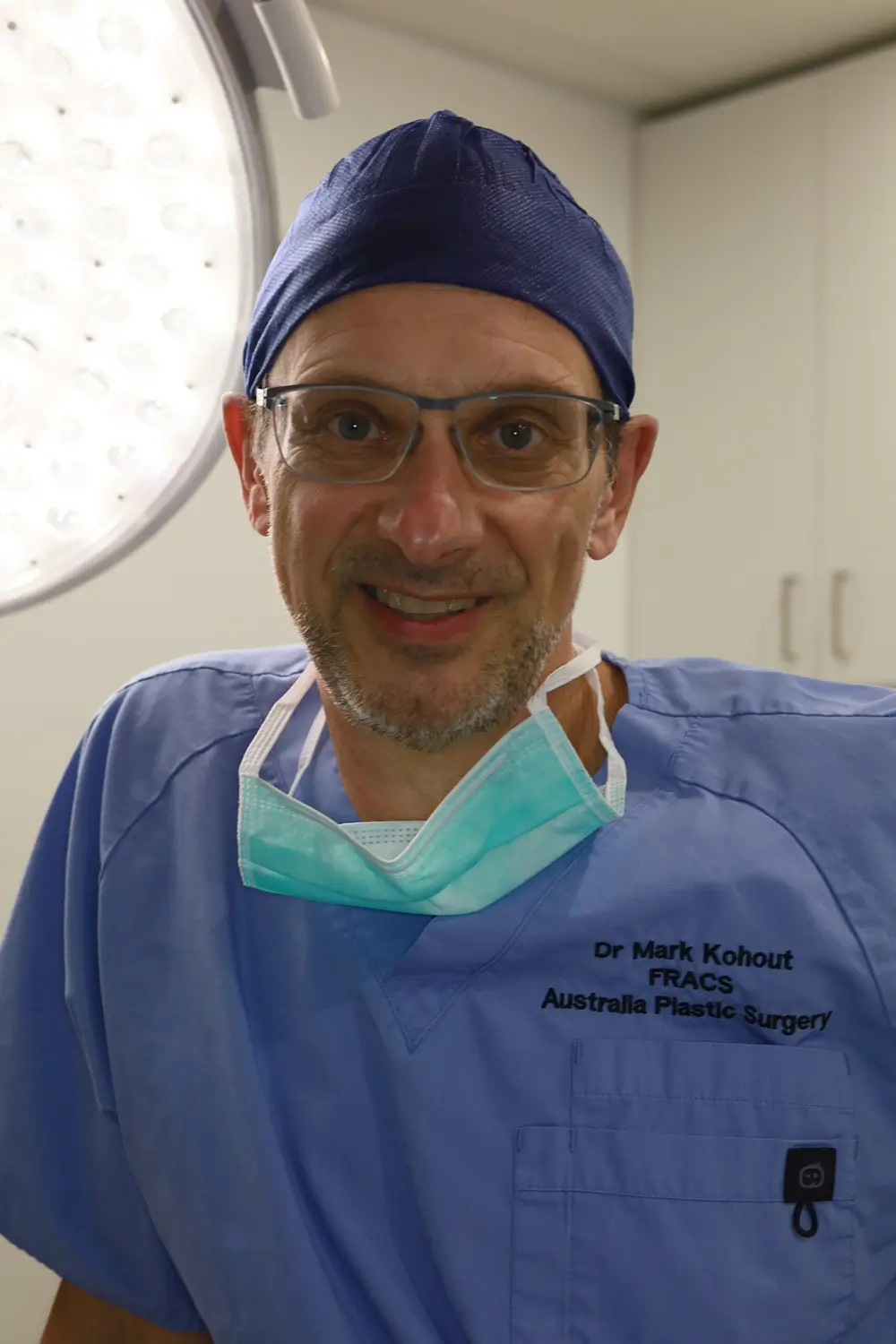
Who is Dr Mark Kohout?

Dr Mark Kohout is a Specialist Plastic Surgeon with specialist registration in Surgery – Plastic Surgery and medical registration number MED0001133000. He provides consultations in Sydney and also sees regional patients in Orange, NSW.

  • More than 25 years of practice in plastic and reconstructive surgery
  • Individual assessment of abdominal, flank and scar anatomy
  • Review of weight history, previous surgery and medical risk
  • Discussion of extended abdominoplasty, alternative procedures and no surgery
  • Surgery in accredited facilities with structured postoperative review

Dr Kohout’s role includes consultation, surgical planning, performance of the operation and follow-up care with support from the clinical team. His qualifications and clinical processes do not guarantee a particular result or recovery experience.
Dr Mark Kohout

What Happens During an Extended Abdominoplasty Consultation?

The consultation is used to assess whether the distribution of excess tissue, general health and treatment priorities are consistent with extended abdominoplasty. It also provides time to discuss scar length, umbilical repositioning, muscle repair, recovery, risks and alternatives.

  • Medical review: Diabetes, heart and lung conditions, previous blood clots, medication use and anaesthetic history are discussed.
  • Weight and nutrition: Current weight, recent changes, bariatric surgery history and possible nutritional deficiencies are reviewed.
  • Abdominal assessment: Skin excess, fatty tissue, muscle separation, scars and possible hernias are examined.
  • Lifestyle factors: Smoking, vaping, nicotine use, employment demands, exercise and home support are considered.
  • Surgical planning: Possible incision position, tissue removal, muscle repair, liposuction, drains and hospital stay are discussed.

Photography, blood tests, imaging or another specialist assessment may be recommended depending on the findings. A photograph submitted online cannot confirm muscle separation, hernia, tissue quality or suitability for surgery.

What Are the Different Types of Extended Abdominoplasty?

Extended abdominoplasty can be adapted according to the location of skin excess, muscle condition, previous scars and medical risk. The term describes a broader abdominal excision, but the precise operation differs from one patient to another.

  • Extended abdominoplasty: Removes selected tissue across the abdomen and anterior flanks.
  • Extended abdominoplasty with muscle repair: Includes repair of clinically significant rectus separation.
  • Extended abdominoplasty with liposuction: Adds limited fat removal in selected areas where tissue blood supply permits.
  • Post-weight-loss extended abdominoplasty: Addresses broader skin excess following substantial weight reduction.
  • Revision extended abdominoplasty: Treats selected residual tissue, scar concerns, asymmetry or changes after previous surgery.

A confirmed hernia may require coordinated treatment with another appropriately qualified surgeon. Some patients are better suited to staged surgery rather than combining several body-contouring procedures in one operation.

Am I a Suitable Candidate for Extended Abdominoplasty?

Suitability depends on anatomy, weight stability, nutrition, general health, expectations and the ability to manage a substantial recovery. The presence of excess abdominal skin alone does not establish that surgery is appropriate.

  • Tissue distribution: Excess skin extends from the abdomen toward the flanks and is unlikely to respond to liposuction alone.
  • Stable weight: Weight has remained reasonably stable and no major further weight loss is planned.
  • Suitable health and nutrition: Medical conditions are controlled and nutritional status supports wound healing.
  • No current nicotine use: Smoking, vaping and nicotine are avoided for the required period before and after surgery.
  • Practical readiness: The patient accepts the scar, understands the risks and has adequate support during recovery.

Pregnancy plans, previous bariatric surgery and the possibility of future weight change should be discussed before proceeding. Final candidacy can only be confirmed after physical examination and any recommended investigations.

Who May Not Be Suitable for Extended Abdominoplasty?

Some patients may be advised to delay surgery or consider a different treatment because the operative and recovery risks are too high. Unsuitability may be temporary where weight, nutrition, nicotine exposure or a medical condition can first be addressed.

  • Unstable weight or planned major weight loss: Further change may affect the result and increase nutritional concerns.
  • Current smoking, vaping or nicotine use: Nicotine can impair circulation and wound healing.
  • Poor nutritional status: Protein, iron, vitamin or other deficiencies may increase healing risk.
  • Uncontrolled medical conditions: Poorly controlled diabetes, significant heart or lung disease, or high clotting risk may make surgery inappropriate.
  • Insufficient recovery support: Patients need help with mobility, transport, household activities and wound care during the early period.

Active infection, an untreated hernia or unrealistic expectations may also require further assessment before surgery is considered. Some patients may become suitable after weight stabilisation, nutritional treatment, nicotine cessation or medical optimisation.

How Is an Extended Abdominoplasty Performed?

Extended abdominoplasty is performed under general anaesthesia in an accredited hospital or surgical facility. The operation removes selected skin and associated fatty tissue from the abdomen and flanks, with additional steps such as muscle repair or limited liposuction included where clinically appropriate.

  • Preoperative markings: The proposed incision, tissue-removal area and umbilical position are marked while the patient is standing.
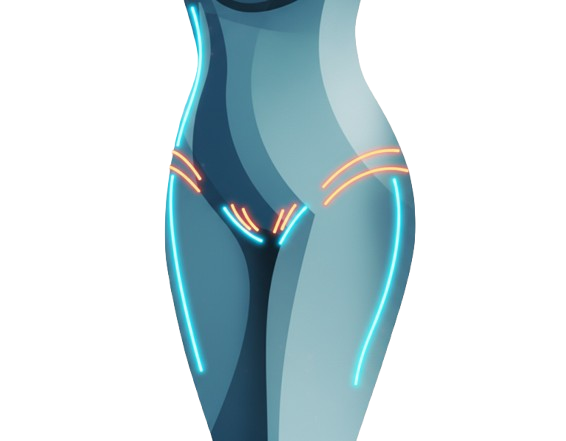
  • Abdominal incision: A low incision is made across the lower abdomen and extended toward or beyond the hips.
  • Tissue elevation and muscle assessment: The abdominal skin and fatty layer are elevated so the abdominal wall and rectus muscles can be assessed.
  • Tissue removal and umbilical repositioning: Selected skin and associated tissue are removed, and the umbilicus is commonly brought through a new opening.
  • Closure and postoperative support: Bleeding is controlled, drains may be placed, the wound is closed in layers, and dressings or a compression garment are applied.

The amount of tissue removed and the scar length vary according to anatomy, prior scars and the distribution of skin excess. Surgery cannot guarantee a specific waist shape, completely even contours or an identical scar on both sides.

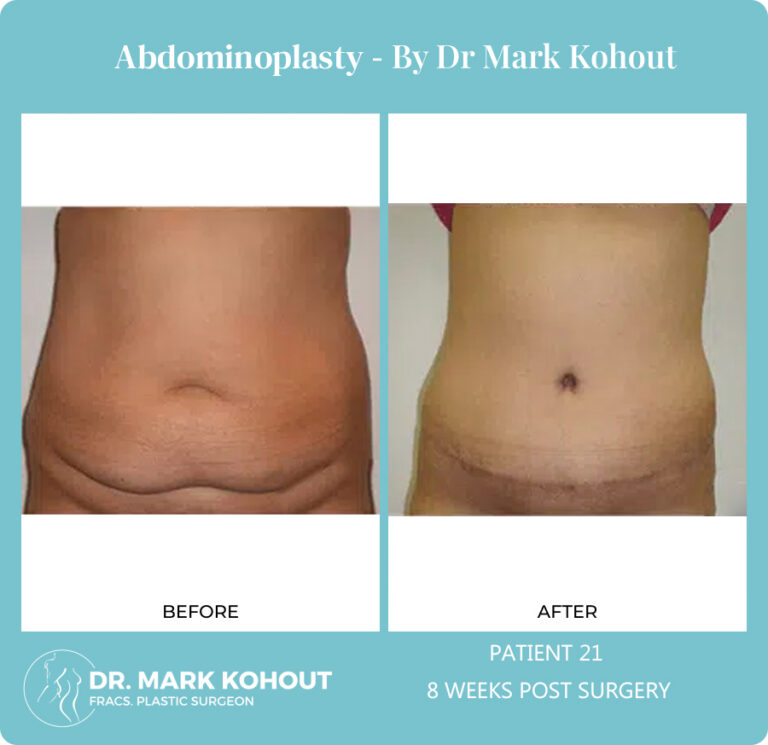
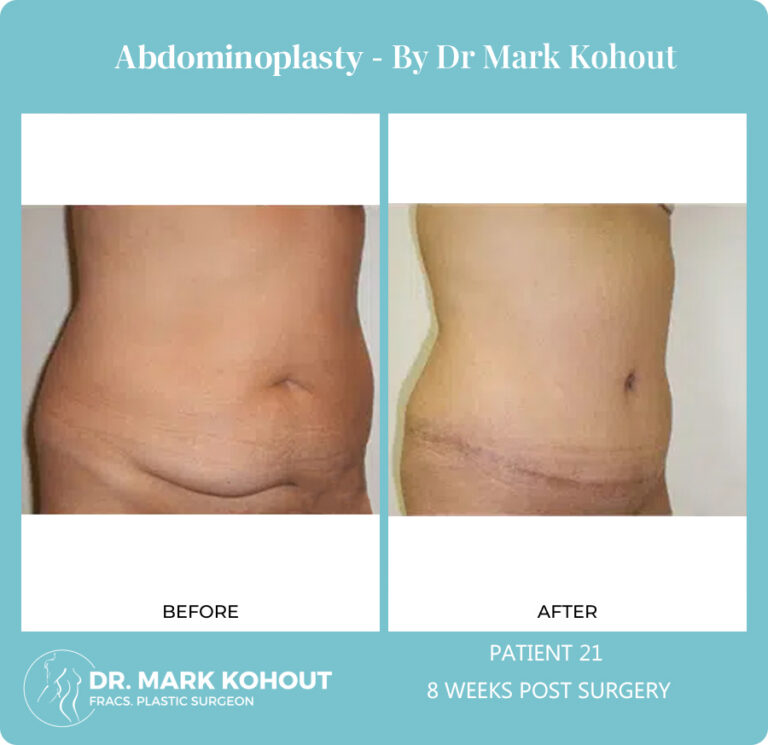
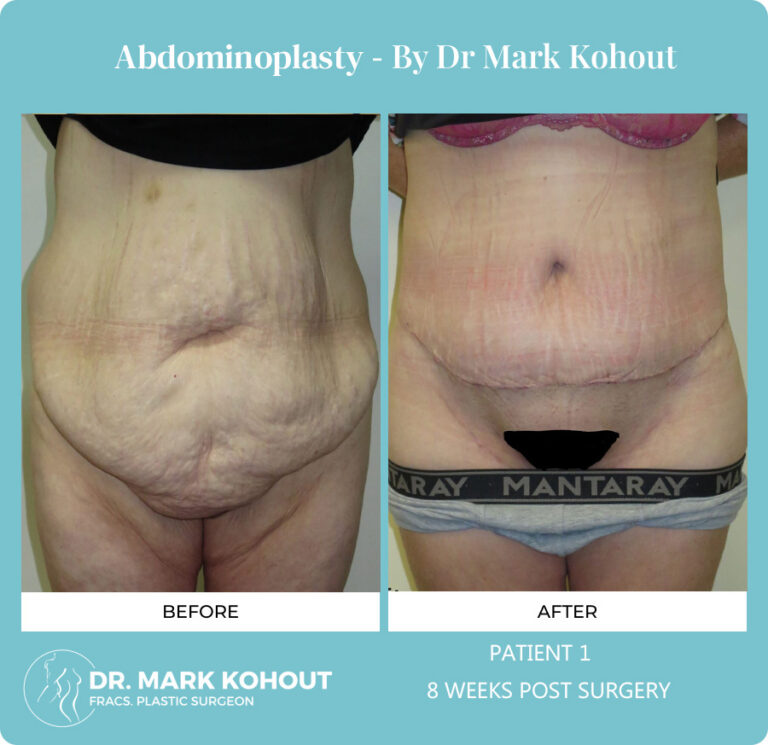
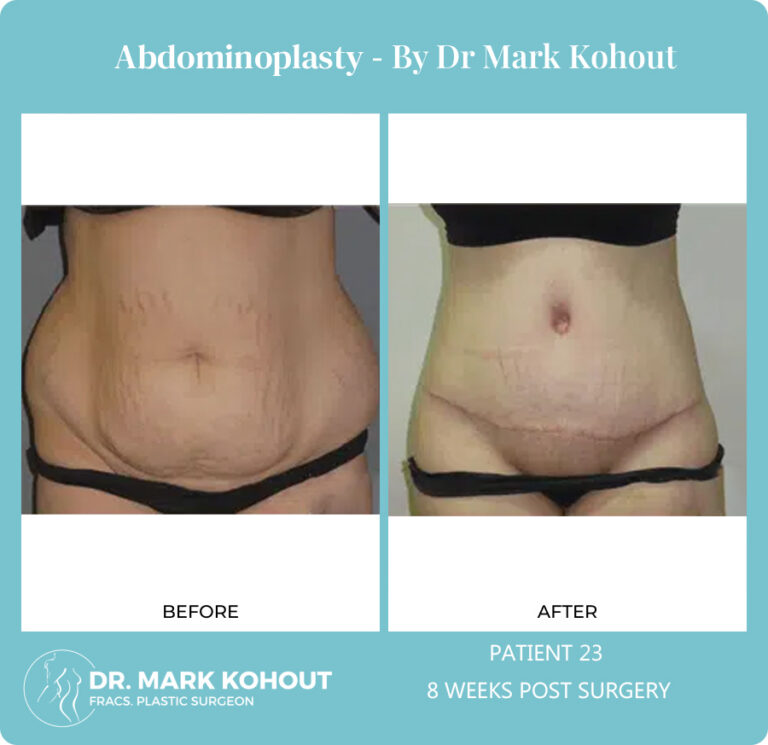
What Can I Glean From Extended Abdominoplasty Before and After Photos?

Before-and-after photographs may help explain the direction of change, likely scar position and the difference between abdominal and flank treatment. They cannot show internal muscle repair, nerve function, wound-healing risk or how another patient will respond to surgery.

  • Images should only be displayed with written patient consent.
  • Front, side and oblique views may be used to show different parts of the torso.
  • Posture, lighting and camera position can affect abdominal appearance.
  • Early postoperative photographs may still show swelling, bruising or scar redness.
  • Another patient’s result should not be treated as a prediction of an individual outcome.

Photographs are best used as an educational reference during consultation. Physical examination remains necessary to assess tissue quality, muscle separation, scars and the likely limits of surgery.

Before and After Photos of Abdominoplasty Surgery

See the difference it has made for our clients.

Disclaimer

Individual results vary due to personal health factors and genetics, and all surgical procedures carry inherent risks that should be discussed with a qualified health professional.

How Do I Request an Extended Abdominoplasty Consultation?

A consultation is the first step in understanding whether extended abdominoplasty may be suitable. It provides an opportunity to discuss the concerns, ask questions and provide the clinic with the information needed to arrange an appropriate appointment.

During the enquiry, details may be requested such as:

  • Name, phone number and email address
  • Preferred consultation location
  • Main area of concern around the abdomen or flanks
  • Previous pregnancies, bariatric surgery or abdominal procedures
  • Whether weight is stable and whether there is current smoking, vaping or nicotine use

Sending photographs before the appointment can also be helpful. These may assist with an initial discussion, but they cannot confirm whether surgery is suitable or determine the exact surgical plan.

Final recommendations, including the type of procedure and likely incision pattern, can only be made after an in-person assessment and review of the relevant medical history.

What Should I Expect During Extended Abdominoplasty Recovery?

Abdominoplasty recovery commonly involves abdominal tightness, swelling, bruising, reduced mobility and a temporary need to walk in a slightly bent position. Patients usually require assistance with transport, household activities and personal care during the early period.

  • Mobility: Short assisted walks are encouraged to support circulation, while lifting and strenuous activity remain restricted.
  • Dressings and drains: Wound dressings, drains and compression garments may need regular monitoring.
  • Pain and tightness: Prescribed or recommended medication may be used for discomfort, while tightness usually reduces gradually.
  • Sensation changes: Numbness, tingling or altered sensation may affect the lower abdomen and scar region.
  • Follow-up: Scheduled reviews are used to assess wounds, drains, swelling, mobility and signs of complications.

The abdomen may remain swollen and firm after day-to-day movement becomes easier. Sudden pain, increasing swelling, breathing difficulty, fever or wound changes should not be considered routine recovery.

How Long Does Extended Abdominoplasty Recovery Take?

Recovery occurs in stages, and the visible improvement in swelling usually happens before scars and deeper tissues have fully settled. Timing varies according to the extent of tissue removal, muscle repair, liposuction, hospital stay, occupation and individual healing.

  • First 24–72 hours: Hospital monitoring, assisted walking, pain control, compression and drain care
  • Weeks 1–2: Wound monitoring, gradually increasing movement and possible drain removal
  • Weeks 2–4: Progressive return to desk-based work depending on comfort and mobility
  • Weeks 4–6: Increased walking and routine activity, with ongoing lifting restrictions
  • Weeks 6–12 and beyond: Gradual return to exercise, followed by continued scar and sensory settling over several months

Driving may resume when the patient can stand upright, enter and exit the car comfortably, brake firmly and is no longer affected by sedating medication. Physically demanding work and abdominal exercise usually require a longer period and should only resume after clinical review.

Recovery varies. Dr Mark Kohout will provide advice based on the procedure performed and individual risk factors.

How Much Does Extended Abdominoplasty Cost in Sydney?

The cost of extended abdominoplasty varies because the procedure is planned according to anatomy, scar length, operating time, hospital stay and any additional surgical steps. A personalised estimate can only be prepared after an in-person assessment and confirmation of the proposed procedure.

  • Surgeon’s fee
  • Anaesthetist’s fee
  • Hospital, theatre and accommodation charges
  • Compression garments, dressings, drains and medications
  • Blood tests, imaging or specialist assessment where indicated

Additional costs may apply if muscle repair, liposuction, hernia assessment or another procedure forms part of the plan. Revision surgery or treatment of a complication may also involve separate expenses.

Medicare or private health insurance may contribute in selected medically indicated cases that satisfy current requirements. Eligibility is not automatic and should be confirmed directly with Medicare and the relevant insurer.

How Should I Prepare for Extended Abdominoplasty?

Preparation involves medical assessment, weight and nutritional review, home planning and reduction of preventable surgical risks. Patients should understand the scar, mobility restrictions and possibility of wound problems before deciding to proceed.

  • Medical preparation: Complete requested blood tests, imaging, GP review or specialist assessment.
  • Weight and nutrition: Maintain stable weight and address protein, iron, vitamin or other nutritional deficiencies.
  • Medication review: Discuss prescription medicines, supplements and blood-thinning agents with the treating team.
  • Nicotine cessation: Stop smoking, vaping and nicotine products for the advised period before and after surgery.
  • Home planning: Arrange transport, support, suitable sleeping positions, loose clothing and time away from work.

Patients should also prepare for compression garments, dressings and reduced lifting. A second opinion may help clarify alternatives, risks and whether the timing is appropriate.

What Are the Risks and Complications of Extended Abdominoplasty?

Extended abdominoplasty carries general surgical risks and procedure-specific risks related to broad tissue removal, long incisions, muscle repair and reduced blood supply at wound edges. The likelihood of complications is influenced by medical history, nicotine exposure, nutrition, body weight, previous scars and adherence to postoperative instructions.

  • Wound and fluid complications: Infection, delayed healing, wound separation, seroma, haematoma and skin-edge loss may occur.
  • Scar and contour concerns: Scars may become widened, raised, uneven or more visible than expected, and residual tissue or contour irregularity may remain.
  • Umbilical complications: The umbilicus may heal slowly, change shape or, rarely, experience partial or complete tissue loss.
  • Sensation and discomfort: Numbness, altered sensation, tightness, persistent pain or fat necrosis may develop.
  • Serious complications: Deep vein thrombosis, pulmonary embolus, anaesthetic complications and the need for further surgery are possible.

Muscle repair may loosen or separate again, particularly after future pregnancy or major weight change. Small tissue folds at the ends of the scar may also persist and sometimes lead to discussion of revision surgery.

Sudden shortness of breath, chest pain, one-sided leg swelling, rapidly increasing abdominal swelling, fever, wound discharge or skin darkening requires urgent medical assessment. No surgical plan can remove all risks or guarantee that revision will never be needed.

Why Might Patients Consider Extended Abdominoplasty With Dr Mark Kohout?

Dr Mark Kohout is a Specialist Plastic Surgeon with specialist registration in Surgery – Plastic Surgery and medical registration number MED0001133000. His role includes consultation, examination, surgical planning, performance of the operation and structured postoperative review.

  • More than 25 years of practice in plastic and reconstructive surgery
  • Individual assessment of the abdomen, flanks, scars and muscle separation
  • Review of weight history, nutrition, previous surgery and medical risk
  • Discussion of extended abdominoplasty, alternative procedures and no surgery
  • Surgery in accredited facilities, with consultation availability in Sydney and Orange

Care planning may involve a GP, dietitian, bariatric team or another specialist where appropriate. These qualifications and processes do not guarantee a particular result or recovery experience.
lower body

How Do I Schedule an Extended Abdominoplasty Consultation?

The first step is to arrange an in-person consultation for assessment of the abdomen, flanks, scars, general health and weight history. Relevant records from a GP, bariatric surgeon or previous abdominal operations may help with planning.

  • Contact the Sydney clinic or submit the enquiry form.
  • Obtain a GP referral where appropriate.
  • Bring records relating to bariatric surgery, abdominal surgery or previous imaging.
  • Complete blood tests, nutritional review or specialist assessment where recommended.
  • Review scar length, muscle repair, liposuction, recovery, risks, costs and alternatives.

A personalised surgical plan and fee estimate can only be prepared after the necessary assessment has been completed. Patients should allow time to consider the information, involve their GP and seek another opinion before deciding whether to proceed.

Dr Mark Kohout

FAQs About Extended Abdominoplasty

How is extended abdominoplasty different from standard abdominoplasty?Standard abdominoplasty primarily treats excess tissue across the front of the abdomen, while an extended procedure continues farther toward the hips and anterior flanks. The broader treatment area usually requires a longer permanent scar and may involve additional wound-healing considerations.
How far does the scar extend around the hips?The scar commonly begins low on one side of the abdomen, crosses above the pubic region and continues toward or beyond each hip. Its final length depends on how far the tissue excess extends and how much skin can be removed without placing excessive tension on the closure.
Can extended abdominoplasty repair abdominal muscle separation?Rectus muscle separation may be repaired during surgery when examination confirms that plication is appropriate. Repair is a separate component of the operation and may loosen again after pregnancy, major weight change or other strain on the abdominal wall.
Can liposuction be performed at the same time?Limited liposuction may be combined with extended abdominoplasty in selected areas when tissue thickness, circulation and the overall operative plan permit. Combining the procedures changes tissue handling and may affect fluid accumulation, swelling and wound-healing risk.
Will the umbilicus be moved during surgery?The umbilicus commonly remains attached to the abdominal wall but is brought through a new opening after the surrounding skin has been repositioned. Its shape, scar and position may change, and delayed healing or partial tissue loss is possible.
What happens to previous caesarean or abdominal scars?A low caesarean scar may sometimes be removed within the planned tissue excision, while higher or vertical scars may remain or influence blood supply and incision planning. Previous operative reports and examination help determine whether a scar can be incorporated, revised or should remain untouched.
Can tissue remain at the ends of the scar?Small folds or contour fullness can remain where the long incision ends, particularly when tissue excess extends farther around the torso than the planned operation. These areas may settle as swelling reduces, but persistent folds may later lead to discussion of revision surgery.
How stable should my weight be before surgery?Weight should generally be stable enough that further substantial loss or gain is not expected during the surgical and recovery period. Continuing weight change can alter tissue measurements, increase nutritional concerns and affect the longer-term abdominal contour.
Can extended abdominoplasty be performed after bariatric surgery?Yes, extended abdominoplasty may be considered after bariatric surgery once weight and medical health are sufficiently stable. Nutritional deficiencies are common considerations in post-bariatric body contouring because inadequate protein, iron or vitamin status may contribute to wound-healing problems.
What symptoms after extended abdominoplasty require urgent review?Sudden shortness of breath, chest pain, faintness or one-sided leg swelling requires emergency assessment because these symptoms may indicate venous thromboembolism. Rapidly increasing abdominal swelling, uncontrolled pain, fever, wound discharge, skin darkening or wound separation also requires prompt clinical review.
Medical References

Take our Plastic Surgery Quiz to find out if you’d be a good candidate and if you are ready for cosmetic surgery.​

Further Reading

Welcome to the Practice of
Dr. Mark Kohout

With over 25 years of experience and Harvard training, Dr. Mark Kohout offers experienced plastic and reconstructive surgery at his Sydney and Orange clinics. His patient-first approach focuses on delivering safe, natural results tailored to your unique goals.

What's Next?

Whether you are ready for a professional evaluation or just have a quick question, we’ve made it easy to connect with our team. Choose the option that best fits your needs below.

Book your Consultation

Take the first step toward your goals by filling out the brief form below. This information helps us understand your specific needs so we can make the most of our time together during your session. Once you submit your details, a member of our team will review your request and reach out shortly to confirm your appointment.

Patient Photo Assessment

Sending photos for a patient photo assessment can help you and your plastic surgeon prepare for your consultation. By reviewing clear, accurate photos, Dr Kohout can provide preliminary patient photo assessment like insights, assess your needs, and determine the right approach for your procedure.

Tips for Uploading Photos

ASK A FRIEND

Friend takes photo

GOOD LIGHTING

Plain wall, bright light

ALL ANGLES

Front / sides/ 45°

CLEAR & SHARP

No portrait mode

SEND ORIGINALS

No edits or compression

Dr. Mark Kohout Plastic Surgery in Sydney & Orange

Experienced Plastic Surgeon

Dr. Mark Kohout

A qualified plastic surgeon who operates with care and integrity, based in central Sydney with over 20 years of experience in the cosmetic field. His extensive training and experience assures patients they are in highly trained surgical hands. Dr. Kohout is a dedicated, friendly professional who is committed to providing the high quality care, support and results, alongside his compassionate team.

Dr Mark Kohout (MED0001133000)
Specialist Plastic Surgeon
Specialist registration in Surgery – Plastic Surgery

25

Years of Experience

Years of Delivering Exceptional Cosmetic Care.

10000+

Surgical Procedures

Procedures performed by our qualified surgeons.

15+

Available Treatments

Cosmetic treatment options tailored to your needs.

Our Trusted

Accreditations

fracs

Dr Mark Kohout is a qualified plastic surgeon based in central Sydney, with over 20 years of experience in the field of cosmetic and reconstructive surgery. He draws on extensive surgical training and clinical experience to tailor care to the individual needs and goals of each patient.

Dr Kohout is known for his thoughtful, patient-centred approach, guiding individuals through each stage of their surgical journey — from initial consultation to post-operative care. Working alongside a compassionate and professional team, he is committed to providing high standards of care in a supportive and respectful environment.

Locations

Opening Hours

Monday - Friday

8:30AM - 05:00PM

Saturday - Sunday

Closed

Disclaimer: Dr Mark Kohout (MED0001133000) a Registered Medical Practitioner, Specialist Plastic Surgeon. All surgical or invasive procedures carry risks and complications. We recommend seeking a second opinion from an appropriately qualified medical practitioner before proceeding with any surgery. Results depend on individual patient circumstances and can vary significantly. Results may also be impacted by a variety of factors including your lifestyle, weight, nutritional intake and overall health. Consult your Specialist Plastic Surgeon for details. This information is general in nature and is not intended to be medical advice nor does it constitute a doctor-patient relationship. Surgery risks and complications will be covered in detail during a consultation with your Surgeon. We recommend seeking a second opinion from an appropriately qualified medical practitioner before proceeding with surgery.

©2024  All Rights Reserved

This website contains imagery which is only suitable for audiences 18+. All surgery contains risks, read more here.

Close Welcome Bar

Get Your Buttock Lift & Implants Guide

Get Your Facial Aesthetic

Get Your Breast Implant Removal

Get Your Female Genital Surgery Guide

Get Your Excess Skin Guide

Get Your Gynaecomastia Guide

Get Your Liposuction Guide

Get Your Abdominoplasty Guide

Get Your Cost of Surgery Guide

Get Your Breast Implant Replace Guide

Get Your Breast Reduction Guide

Get Your Breast Augmentation Guide

Make an Enquiry