Vaginoplasty Sydney

With Dr. Mark Kohout

lower body

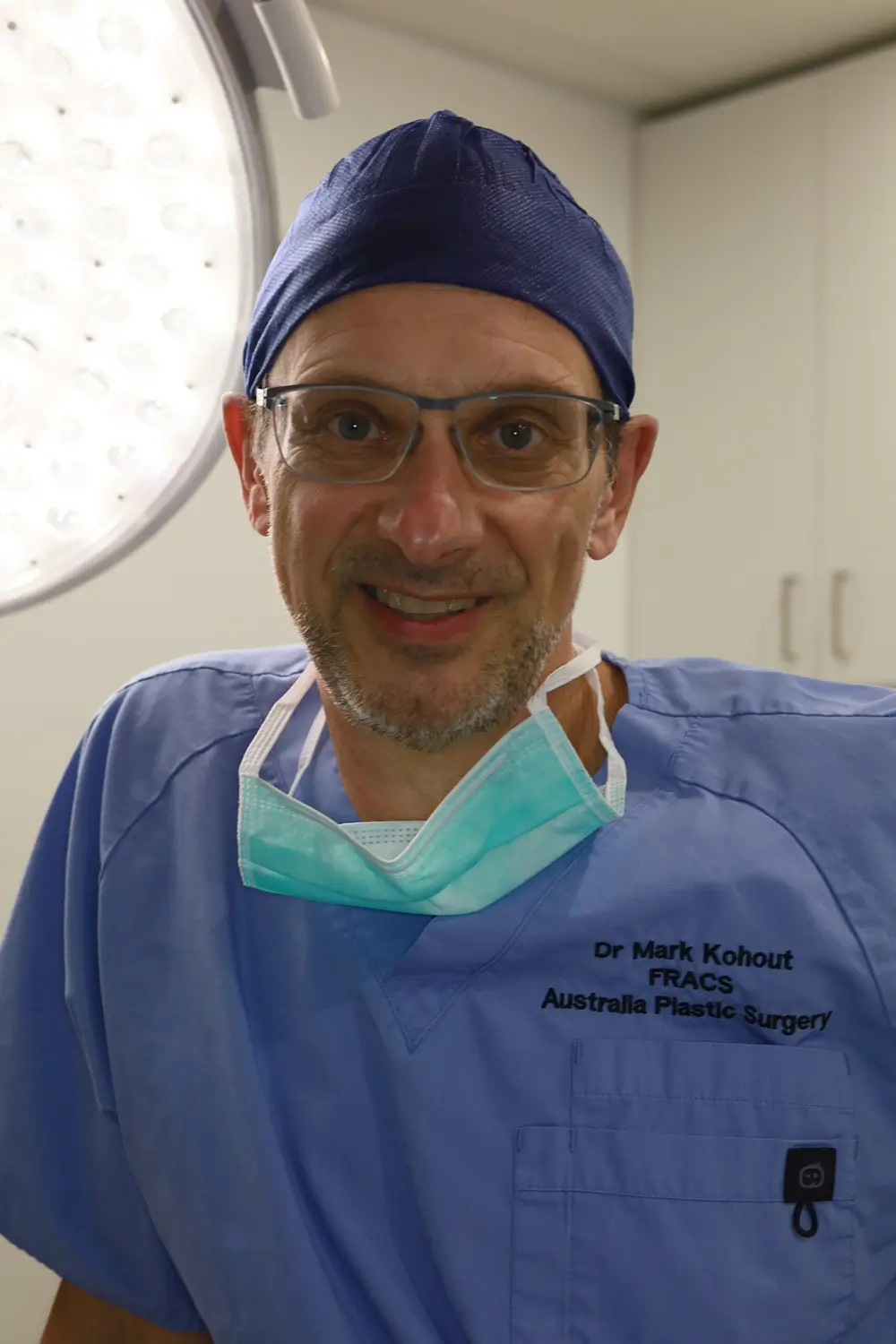
Dr Mark Kohout MBBS (Syd), FRACS (Plast) is a Specialist Plastic Surgeon with specialist registration in Surgery – Plastic Surgery, more than 25 years of practice, and medical registration number MED0001133000. Vaginoplasty is a type of genital surgery that involves tightening or reconstructing tissues of the vaginal canal. Depending on the anatomical concern, surgery involving the vaginal opening or perineum may also be considered following individual assessment.

A feeling of vaginal looseness, reduced support, difficulty retaining tampons, discomfort after childbirth or changes around the perineum can have several possible causes. Pelvic-floor dysfunction, pelvic-organ prolapse, urinary conditions, hormonal changes, infection, scar tissue and gynaecological conditions may need to be assessed before surgery is recommended.

Vaginoplasty creates permanent internal scars and may also create external scars where the perineum is treated. An in-person consultation is required to assess the likely cause of symptoms, discuss pelvic-floor physiotherapy and other alternatives, review future pregnancy plans, explain risks and recovery, and consider the option of no surgery.

What Is Vaginoplasty, and What Does It Actually Do?

Vaginoplasty tightens or reconstructs selected tissues within the vaginal canal and around the vaginal opening. Depending on the findings, surgery may involve connective-tissue repair, selected muscle support, removal of a measured amount of vaginal lining or reconstruction of the perineal body.

  • Vaginal canal: Selected internal tissues may be repaired where examination confirms widening or reduced support.
  • Vaginal opening: The opening may be narrowed through controlled repair of surrounding tissues where appropriate.
  • Support tissues: Connective tissue or selected muscle layers may be brought together as part of the planned repair.
  • Vaginal lining: A measured amount of mucosal tissue may be removed when this forms part of the agreed technique.
  • Perineal tissues: Childbirth-related separation, scarring or tissue disruption may be repaired where clinically indicated.

Vaginoplasty is not the same as prolapse surgery, urinary-incontinence surgery or pelvic-floor physiotherapy. It also cannot guarantee a particular degree of tightness, sexual sensation or improvement in symptoms that originate from another condition.

What Does the Symptom of Vaginal Laxity Actually Mean?

Vaginal laxity is a subjective feeling of looseness or reduced support rather than a single diagnosis. It can occur after childbirth, but similar symptoms may also be associated with changes in pelvic-floor function, prolapse or other pelvic conditions.

  • Subjective symptom: Some patients describe a feeling of increased vaginal openness or reduced resistance.
  • Childbirth association: Vaginal delivery may contribute to stretching of connective tissue, muscle or the vaginal opening.
  • Pelvic-floor factors: Changes in muscle strength, coordination or support may contribute to the sensation.
  • Prolapse association: Pelvic-organ descent can coexist with a feeling of vaginal laxity.
  • Anatomical variation: Examination findings and reported symptoms do not always match closely.

There is no single measurement that determines whether a person needs vaginoplasty. Assessment should consider anatomy, pelvic-floor function, obstetric history and other symptoms before surgery is discussed.

What Changes After Childbirth Can Affect the Vaginal Opening and Perineum?

Pregnancy and childbirth can affect the vaginal opening, perineal body, pelvic-floor muscles and surrounding connective tissues in different ways. Some changes improve with time, while others may persist or require pelvic-floor, gynaecological or surgical assessment.

  • Perineal stretching: Vaginal birth may increase the dimensions of the vaginal opening.
  • Tears or episiotomy: Scar tissue or tissue separation can alter the perineum.
  • Pelvic-floor muscle injury: Muscle stretching or injury may affect support and function.
  • Prolapse: Descent of the bladder, uterus, vaginal walls or rectum may contribute to pressure or bulge symptoms.
  • Hormonal changes: Breastfeeding and later menopausal changes can influence tissue dryness, elasticity and sensitivity.

Not all postpartum changes require surgery, and some symptoms may improve with healing or pelvic-floor rehabilitation. Persistent pressure, bulge symptoms, urinary leakage, bowel symptoms or pain may require assessment by a gynaecologist, urogynaecologist or pelvic-floor practitioner.

Post-Childbirth Changes by Dr Mark Kohout

What Should I Know About Vaginoplasty at a Glance?

Vaginoplasty is usually performed in an accredited surgical facility under general anaesthesia or another selected anaesthetic approach. The exact operation and recovery depend on whether treatment involves the vaginal canal, vaginal opening, perineum or a combination of these areas.

Treatment Area

Vaginal canal, opening and selected perineal tissues

Potential Indications

Examination-confirmed widening, symptomatic scarring or selected childbirth-related tissue change

Anaesthesia

Commonly general anaesthesia, with the final approach determined according to the procedure, health history and anaesthetic assessment

Hospital Stay

Day surgery or overnight admission depending on complexity

Stitches

Usually absorbable sutures

Recovery

Light activity returns gradually, while lifting, exercise, tampons and intercourse remain restricted for several weeks

Swelling, pressure, spotting and discomfort are expected during early recovery, while internal healing continues for longer. Scar softening, tissue settling and sensory changes may continue over several months.

What Are the Potential Benefits of Vaginoplasty?

Vaginoplasty may provide anatomical or functional changes where examination confirms a tissue problem that is suitable for surgical treatment. The extent of change varies, and surgery cannot guarantee a particular sexual, physical or emotional outcome.

  • Selected tissue tightening: Vaginal and perineal support tissues may be brought closer together where indicated.
  • Opening reduction: The vaginal opening may be reduced in size according to the agreed surgical plan.
  • Childbirth-related repair: Selected tissue separation or perineal changes may be repaired.
  • Scar revision: Painful or irregular childbirth-related scars may be revised where appropriate.
  • Tampon retention: Support may change where anatomical widening contributes to difficulty retaining tampons.

These potential changes must be weighed against scarring, altered sensation, excessive tightness, pain during intercourse and revision risk. Symptoms caused by prolapse, infection, hormonal change or pelvic-floor dysfunction may require another form of treatment.

Do I Need Vaginoplasty or Another Type of Treatment?

A feeling of vaginal looseness or reduced support does not automatically mean vaginoplasty is the appropriate treatment. The best approach depends on whether symptoms arise from tissue widening, pelvic-floor dysfunction, prolapse, urinary conditions, scarring or hormonal changes.

  • Vaginoplasty: Repairs selected internal vaginal and support tissues.
  • Perineoplasty: Focuses more specifically on the vaginal opening and perineal body.
  • Pelvic-floor physiotherapy: Treats muscle weakness, poor coordination or excessive tension.
  • Prolapse or incontinence treatment: Requires assessment directed at pelvic-organ descent or urinary symptoms.
  • Medical treatment or no surgery: May be appropriate for dryness, infection, mild symptoms or uncertain anatomical causes.

Some patients may benefit from pelvic-floor treatment or specialist assessment before surgery is reconsidered. A physical examination is necessary to identify which tissues and conditions are contributing to the symptoms.

Who Performs Vaginoplasty in Sydney?

Dr Mark Kohout MBBS (Syd), FRACS (Plast) is a Specialist Plastic Surgeon with specialist registration in Surgery – Plastic Surgery and medical registration number MED0001133000. He provides confidential consultations in Sydney, with additional consultation availability in Orange, NSW.

  • More than 25 years of practice in plastic and reconstructive surgery
  • Individual assessment of vaginal and perineal anatomy
  • Review of childbirth, trauma and previous surgical history
  • Discussion of operative, non-operative and no-treatment options
  • Surgery in accredited facilities with structured postoperative follow-up

Care may also involve a GP, gynaecologist, urogynaecologist or pelvic-floor physiotherapist where appropriate. Dr Kohout’s qualifications and clinical processes do not guarantee a particular anatomical, functional or recovery outcome.

Book your Consultation

Take the first step toward your goals by filling out the brief form below. This information helps us understand your specific needs so we can make the most of our time together during your session. Once you submit your details, a member of our team will review your request and reach out shortly to confirm your appointment.

Patient Photo Assessment

Sending photos for a patient photo assessment can help you and your plastic surgeon prepare for your consultation. By reviewing clear, accurate photos, Dr Kohout can provide preliminary patient photo assessment like insights, assess your needs, and determine the right approach for your procedure.

Tips for Uploading Photos

ASK A FRIEND

Friend takes photo

GOOD LIGHTING

Plain wall, bright light

ALL ANGLES

Front / sides/ 45°

CLEAR & SHARP

No portrait mode

SEND ORIGINALS

No edits or compression

What Happens During a Vaginoplasty Consultation?

A vaginoplasty consultation is a confidential assessment of symptoms, anatomy, general health and possible causes of vaginal or perineal change. It also provides an opportunity to discuss whether surgery is appropriate or whether another form of care should be considered first.

  • Symptom review: Vaginal laxity, tampon retention, pressure, bulge symptoms, urinary leakage, bowel symptoms and pain are discussed.
  • Pregnancy and childbirth history: Vaginal births, caesarean births, forceps or vacuum delivery, tears and episiotomies are reviewed.
  • Previous treatment: Pelvic-floor physiotherapy, gynaecological care and previous pelvic surgery are considered.
  • Medical and lifestyle factors: Medications, nicotine use, general health and future pregnancy plans are reviewed.
  • Physical examination: The vaginal opening, perineal body, scar tissue and relevant internal support may be assessed with consent.

Where symptoms suggest prolapse, urinary dysfunction, pelvic-floor overactivity or another gynaecological condition, further specialist review may be recommended. Sensitive photography, if clinically required, should only occur with specific consent and appropriate privacy safeguards.

What Are the Different Types of Vaginoplasty and Related Procedures?

The term vaginoplasty can describe several operations involving different anatomical structures, so the exact procedure should be defined clearly before surgery. The appropriate approach depends on examination findings, symptoms, previous childbirth injury and whether treatment is required internally, externally or both.

  • Posterior vaginoplasty: Repairs selected tissues along the back wall of the vaginal canal where appropriate.
  • Perineoplasty: Repairs or narrows tissues at the vaginal opening and perineal body.
  • Combined vaginal and perineal repair: Treats both internal and external support where indicated.
  • Scar revision: Addresses selected painful, tethered or irregular childbirth-related scars.
  • Reconstructive surgery: May be considered after trauma, previous surgery or another tissue injury.

Prolapse surgery should not be treated as simply another form of vaginoplasty because it addresses descent of pelvic organs and may require different specialist management. The selected procedure should be based on the anatomical problem identified during examination.

Am I a Suitable Candidate for Vaginoplasty?

Suitability depends on examination-confirmed anatomical findings, general health, pregnancy plans, expectations and the ability to follow postoperative restrictions. Symptoms alone are not enough to establish candidacy because vaginal laxity, pressure and discomfort can have several different causes.

  • Confirmed tissue change: Examination identifies widening, reduced support, symptomatic scarring or another relevant anatomical finding.
  • Persistent symptoms: Concerns remain after sufficient healing or appropriate non-operative care.
  • Suitable general health: Medical and anaesthetic risks are considered acceptable.
  • No unresolved pelvic condition: Infection, untreated prolapse or another condition requiring different treatment has been excluded or addressed.
  • Realistic expectations: The patient understands permanent scars, possible sensation changes, recovery restrictions and revision risk.

A suitable patient should also be able to avoid nicotine and comply with lifting, hygiene, exercise and intercourse restrictions. Final candidacy requires an in-person examination and any recommended pelvic-floor, gynaecological or urogynaecological assessment.

Labiaplasty

Who May Not Be Suitable for Vaginoplasty?

Some patients may be advised to delay surgery or pursue another form of treatment when the cause of symptoms is uncertain or surgical risk is increased. Suitability may change after an infection is treated, pelvic-floor care is completed or another medical issue is addressed.

  • Active infection: Vaginal, urinary or pelvic infection generally requires treatment before elective surgery.
  • Untreated prolapse: Pelvic-organ descent may require gynaecological or urogynaecological management.
  • Unexplained pelvic pain: Further assessment may be needed before tissue-tightening surgery is considered.
  • Pregnancy or recent childbirth: Tissues should be allowed sufficient time to recover and stabilise.
  • Current nicotine use or significant medical risk: Smoking, vaping, nicotine and poorly controlled medical conditions can increase wound-healing or anaesthetic risk.

Immediate pregnancy plans or expectations that surgery will guarantee sexual satisfaction may also make surgery inappropriate at that time. Some patients may become suitable after physiotherapy, medical treatment, health optimisation or further specialist review.

How Is Vaginoplasty Performed?

Vaginoplasty is performed according to the tissues identified during examination, the underlying diagnosis and the agreed surgical plan. The operation may involve selected internal vaginal repair, connective-tissue or muscle support, measured removal of vaginal lining and perineal repair where appropriate.

  • Preoperative planning: The proposed treatment area is confirmed after reviewing symptoms, childbirth history, previous surgery and pelvic-floor findings.
  • Anaesthesia: General anaesthesia or another selected anaesthetic approach may be used depending on the procedure and patient factors.
  • Internal repair: Incisions may be made within the vaginal canal so selected support tissues can be repaired.
  • Perineal repair: The vaginal opening or perineal body may be treated where this forms part of the surgical plan.
  • Closure: Absorbable sutures are commonly used, followed by postoperative monitoring and a pad or dressing.

The amount of narrowing should be conservative and based on anatomy rather than a predetermined degree of tightness. Excessive narrowing may increase the risk of pain, wound tension or difficulty with intercourse.

Vaginoplasty Suitability and Procedure by Dr Mark Kohout

What Should I Know About Vaginoplasty Before and After Photos?

Before-and-after photographs may help explain external scar placement and selected changes around the vaginal opening or perineum. They cannot fully demonstrate internal support repair, pelvic-floor function, sensation or how another patient will heal.

  • Consent: Intimate clinical photographs should only be taken or displayed with specific written permission.
  • Privacy: Sensitive images require secure handling and should only be used for agreed clinical purposes.
  • External limits: Internal vaginal repair may not be visible in an external photograph.
  • Timing: Early images may still show swelling, bruising or tissue distortion.
  • Individual variation: Anatomy, childbirth history and scar formation differ considerably between patients.

Clinical photographs should be treated as educational references rather than expected outcomes. Dr Mark Kohout can explain which visible features may or may not be relevant after an in-person examination.

What Should I Expect During Vaginoplasty Recovery?

Recovery after vaginoplasty commonly involves internal swelling, pressure, spotting and discomfort with sitting, walking or using the toilet. Restrictions on lifting, straining, tampons, swimming and intercourse are important while internal and external tissues heal.

  • Swelling and pressure: These are expected during the early postoperative period and usually reduce gradually.
  • Spotting: Light bleeding or discharge may occur during early healing.
  • Bowel management: Constipation and straining should be avoided because they can increase pressure on healing tissues.
  • Activity: Short walks are generally encouraged, while strenuous exercise and heavy lifting remain restricted.
  • Intercourse and tampon use: These should not resume until healing has been reviewed and clearance has been provided.

External comfort may improve before deeper tissues have completed healing. Increasing bleeding, worsening pain, fever, offensive discharge or wound separation should be reported promptly.

How Much Internal Swelling and Tightness Is Normal After Vaginoplasty?

Internal swelling and a temporary feeling of increased tightness are common after vaginal or perineal repair. These sensations usually change over time as swelling reduces and the repaired tissues become more flexible.

  • First several days: Pressure, fullness and swelling may be most noticeable.
  • Early asymmetry: External tissues may swell unevenly where perineal treatment has been performed.
  • Spotting: Mild spotting may accompany early internal healing.
  • Scar firmness: Internal or external scar tissue can feel firm before softening over time.
  • Longer-term settling: Sensation and tissue flexibility may continue changing for several months.

Early tightness does not necessarily represent the final result. Heavy bleeding, rapidly increasing swelling, severe pain, fever, offensive discharge, urinary retention or significant wound separation requires prompt medical assessment.

How Long Does Vaginoplasty Recovery Take?

Vaginoplasty recovery occurs in stages, and deeper healing continues after everyday movement becomes easier. The timeline depends on the extent of internal repair, perineal treatment, previous scarring, occupation and individual healing.

  • First 24–72 hours: Swelling, pressure, spotting, pain management and short assisted walks
  • First week: Hygiene care and restricted sitting, lifting and straining
  • Weeks 1–2: Gradual return to light daily activity and selected desk-based work
  • Weeks 3–6: Progressive activity while internal repair continues to strengthen
  • Weeks 6–8 and beyond: Possible return to intercourse, tampons, swimming and more demanding exercise after review

Driving may resume when sitting is comfortable, movement is unrestricted and medication no longer affects alertness. Return to physically demanding work may take longer than return to desk-based duties.

Recovery varies. Dr Mark Kohout will provide advice based on the procedure performed and individual risk factors.

How Much Does Vaginoplasty Cost in Sydney?

The cost of vaginoplasty in Sydney varies according to the extent of internal repair, whether perineal treatment is included, anaesthesia, hospital charges and operating time. A personalised estimate can only be prepared after examination and confirmation of the proposed procedure.

  • Surgeon’s fee
  • Anaesthetist’s fee
  • Hospital or day-surgery charges
  • Theatre time and required equipment
  • Preoperative investigations, medications and postoperative care

Additional costs may apply if gynaecology, urogynaecology, imaging, pelvic-floor physiotherapy or another specialist assessment is required. Revision surgery or treatment of a complication may also involve separate expenses.

Medicare or private health insurance may contribute in selected medically indicated circumstances where current eligibility requirements are satisfied. Any possible contribution should be confirmed directly with Medicare and the relevant insurer.

How Should I Prepare for Vaginoplasty?

Preparation includes medical assessment, treatment of active conditions, practical planning and review of factors that may affect wound healing. It should also include discussion of bowel habits, pelvic-floor function and future pregnancy plans.

  • Medical assessment: Obtain a GP referral where appropriate and bring relevant obstetric, gynaecological or surgical records.
  • Specialist review: Complete gynaecology, urogynaecology or pelvic-floor assessment where recommended.
  • Treat active conditions: Vaginal, urinary or skin infections should be treated before elective surgery.
  • Nicotine cessation: Smoking, vaping and nicotine should be stopped within the timeframe advised.
  • Practical preparation: Arrange transport, time away from work, sanitary pads, loose clothing and help with daily tasks if needed.

Medications and supplements should be reviewed with the surgical team, particularly those that may affect bleeding. Patients should also plan for lifting, exercise and intercourse restrictions before scheduling surgery.

Hymen Repair Banner Image

What Alternatives to Vaginoplasty Should I Consider?

Vaginoplasty is one of several possible treatments for vaginal or perineal symptoms, and the appropriate alternative depends on the underlying cause. Some patients may obtain more appropriate care from pelvic-floor rehabilitation, medical treatment or another specialist procedure.

  • Pelvic-floor physiotherapy: May help with weakness, poor coordination or excessive muscle tension.
  • Prolapse treatment: Pelvic-organ descent may require gynaecological or urogynaecological management.
  • Incontinence treatment: Urinary leakage should be assessed separately and may require targeted treatment.
  • Hormonal or medical care: Dryness, tissue fragility or infection may respond to non-surgical management.
  • No surgery: Observation may be appropriate when symptoms are mild or the anatomical cause is uncertain.

Perineal scar treatment may also be more appropriate where symptoms are localised to a previous tear or episiotomy. A sensation of looseness alone does not establish that surgical tightening is the correct treatment.

What Are the Risks and Complications of Vaginoplasty?

Vaginoplasty carries general surgical risks as well as complications related to internal repair, scar formation and pelvic-floor function. Risk varies according to the extent of surgery, tissue quality, nicotine exposure, diabetes, infection, constipation and adherence to postoperative restrictions.

  • Wound complications: Bleeding, haematoma, infection, delayed healing and wound separation can occur.
  • Scar-related problems: Internal or external scars may remain firm, tender or restrictive.
  • Tightness concerns: Excessive narrowing or insufficient change may occur.
  • Sensation and pain: Altered sensation, persistent discomfort or pain during intercourse may develop.
  • Pelvic and urinary symptoms: Pelvic-floor dysfunction, urinary symptoms or the need for additional therapy may persist or arise.

Anaesthetic complications, blood clots and the need for revision surgery are also possible. Some patients may require pelvic-floor physiotherapy, dilator therapy or further specialist management during recovery.

No surgical plan can remove every risk or guarantee a particular functional outcome. Individual risk factors and possible management of complications should be discussed before consent.

Can Vaginoplasty Affect Sexual Function?

Sexual function depends on sensation, lubrication, pelvic-floor muscle activity, pain, hormonal status, general health and relationship factors as well as vaginal anatomy. Narrowing the vaginal canal does not reliably predict sexual satisfaction or sensory change.

  • Sensation: Nerve function and sensory response may change temporarily or persistently after surgery.
  • Pain: Excessive tightness, scar sensitivity or pelvic-floor overactivity can contribute to discomfort during intercourse.
  • Lubrication: Hormonal status, medication and menopause can affect lubrication independently of surgery.
  • Pelvic-floor function: Muscle overactivity or poor coordination may influence penetration and pain.
  • Individual response: Sexual function varies substantially and cannot be predicted from vaginal diameter alone.

The aim of surgery should be treatment of an identified anatomical concern rather than a guaranteed sexual outcome. Persistent pain during intercourse requires assessment rather than assuming that additional tightening or further surgery is needed.

What Should I Understand Before Consenting to Vaginoplasty?

Informed consent requires understanding the diagnosis, proposed operation, alternatives, limitations and possibility of complications. Patients should have enough time to consider the information without assuming that surgery is required simply because a symptom is present.

  • Diagnosis matters: Vaginal laxity is a symptom and can have several contributing causes.
  • Alternatives exist: Pelvic-floor physiotherapy, medical treatment, specialist care and no surgery may be reasonable options.
  • Permanent changes: Internal and sometimes external scars are permanent.
  • Functional uncertainty: Sensation, sexual function and the exact degree of tightness cannot be guaranteed.
  • Future changes: Pregnancy, childbirth, ageing and hormonal change may alter the tissues after surgery.

Consent should also cover pain, wound separation, excessive or insufficient narrowing, possible revision and postoperative restrictions. Patients may ask further questions or seek another appropriately qualified medical opinion before deciding whether to proceed.

Why Might Patients Consider Vaginoplasty With Dr Mark Kohout?

Dr Mark Kohout MBBS (Syd), FRACS (Plast) is a Specialist Plastic Surgeon with specialist registration in Surgery – Plastic Surgery and medical registration number MED0001133000. His role includes confidential assessment, procedure planning, performance of surgery and structured postoperative review.

  • More than 25 years of practice in plastic and reconstructive surgery
  • Individual assessment of vaginal and perineal anatomy
  • Review of childbirth, trauma and previous procedures
  • Discussion of operative, non-operative and no-treatment options
  • Surgery in accredited facilities, with consultations available in Sydney and Orange, NSW

Care may be coordinated with a GP, gynaecologist, urogynaecologist or pelvic-floor physiotherapist where appropriate. These qualifications and clinical processes do not guarantee a particular anatomical, functional or recovery outcome.

Dr Mark Kohout

How Do I Schedule a Vaginoplasty Consultation?

The first step is to arrange a confidential consultation for discussion of symptoms, medical history and an in-person examination. Relevant obstetric, gynaecological, pelvic-floor and previous surgical records may assist with assessment.

  • Contact the Sydney clinic or submit the confidential enquiry form.
  • Obtain a GP referral where appropriate.
  • Bring relevant obstetric, gynaecology, pelvic-floor and surgical records.
  • Complete additional specialist assessment where recommended.
  • Review the diagnosis, alternatives, proposed procedure, recovery, risks and likely costs.

A personalised surgical plan and fee estimate can only be prepared after the required assessment has been completed. Patients should allow time to consider the information and may seek another medical opinion before making a decision.

Book your Consultation

Take the first step toward your goals by filling out the brief form below. This information helps us understand your specific needs so we can make the most of our time together during your session. Once you submit your details, a member of our team will review your request and reach out shortly to confirm your appointment.

Patient Photo Assessment

Sending photos for a patient photo assessment can help you and your plastic surgeon prepare for your consultation. By reviewing clear, accurate photos, Dr Kohout can provide preliminary patient photo assessment like insights, assess your needs, and determine the right approach for your procedure.

Tips for Uploading Photos

ASK A FRIEND

Friend takes photo

GOOD LIGHTING

Plain wall, bright light

ALL ANGLES

Front / sides/ 45°

CLEAR & SHARP

No portrait mode

SEND ORIGINALS

No edits or compression

Dr Mark Kohout Portrait Image

FAQs About Vaginoplasty

How can I tell whether a feeling of vaginal looseness after childbirth is caused by tissue stretching, pelvic-floor weakness or pelvic-organ prolapse?

These problems can produce overlapping symptoms, so the cause cannot be determined reliably from sensation alone. Examination may assess the vaginal opening, perineum, pelvic-floor function and signs of prolapse, with gynaecological or urogynaecological review where indicated.

Can pelvic-floor physiotherapy improve vaginal laxity enough that vaginoplasty is no longer necessary?

Pelvic-floor physiotherapy may help where symptoms are related to weakness, coordination problems or excessive muscle tension rather than an anatomical defect requiring repair. Response varies, but conservative pelvic-floor management is an established part of assessing and treating female pelvic-floor dysfunction and may be appropriate before surgery is reconsidered.

What is the difference between vaginoplasty, perineoplasty and posterior prolapse repair after childbirth?

Vaginoplasty generally refers to selected repair or tightening of vaginal tissues, while perineoplasty focuses more specifically on the vaginal opening and perineal body. Posterior prolapse repair addresses pelvic-organ support and should not be considered interchangeable with surgery performed for vaginal laxity alone.

Can vaginoplasty make the vaginal opening too tight and cause pain during intercourse later?

Yes, excessive narrowing, scar formation or pelvic-floor overactivity can contribute to pain or difficulty with penetration after surgery. Persistent pain during intercourse requires assessment because sexual function is influenced by pelvic-floor, sensory, hormonal and other factors rather than vaginal diameter alone.

How long can internal swelling, pressure and a feeling of tightness continue after vaginoplasty?

Internal swelling and pressure can continue for several weeks, while scar firmness and changes in tissue flexibility may take several months to settle. Symptoms should generally improve rather than worsen, and increasing pain, bleeding, fever, offensive discharge or urinary difficulty requires medical review.

Can vaginoplasty help if I have difficulty keeping a tampon in place after vaginal childbirth?

Difficulty retaining a tampon may occur with changes in the vaginal opening or pelvic support, but it can also coexist with pelvic-floor dysfunction or prolapse. Surgery should only be considered when examination identifies an anatomical finding that reasonably corresponds with the symptom.

Why might a urogynaecologist need to assess me before vaginoplasty if I also have pelvic pressure, a vaginal bulge or urinary leakage?

Pelvic pressure, bulge symptoms and urinary leakage can indicate pelvic-organ prolapse or another pelvic-floor disorder that requires a different diagnostic and treatment pathway. A urogynaecological assessment can help distinguish these conditions from isolated vaginal or perineal tissue concerns.

Can another pregnancy or vaginal birth reverse some of the tissue changes made during vaginoplasty?

Yes, pregnancy and childbirth can stretch the pelvic floor, vaginal tissues and perineum after surgery and may alter the previous repair. Patients planning another pregnancy should discuss whether postponing surgery would be appropriate for their circumstances.

Can vaginoplasty be revised if previous surgery resulted in excessive tightness, scar pain or insufficient support?

Revision may be possible, but the available options depend on scar location, remaining tissue, pelvic-floor function and the nature of the previous repair. Excessive tightness or pain may sometimes require scar treatment, pelvic-floor physiotherapy or another approach rather than additional tightening.

What symptoms after vaginoplasty require urgent assessment rather than waiting for my scheduled follow-up?

Heavy bleeding, rapidly increasing swelling, severe or worsening pain, fever, offensive discharge, inability to pass urine or significant wound separation should be assessed promptly. Sudden shortness of breath, chest pain or one-sided leg swelling also requires urgent medical attention because these symptoms may indicate a blood clot.

Vaginal laxity, sexual symptoms and postpartum pelvic-floor concerns are multifactorial, and international terminology guidance distinguishes symptoms, anatomical findings and pelvic-floor diagnoses rather than treating them as the same condition. Assessment should therefore focus on identifying the likely cause before deciding whether surgery, physiotherapy, specialist treatment or no intervention is appropriate.

Medical References

Take our Plastic Surgery Quiz to find out if you’d be a good candidate and if you are ready for cosmetic surgery.​

Further Reading

Welcome to the Practice of
Dr. Mark Kohout

With over 25 years of experience and Harvard training, Dr. Mark Kohout offers experienced plastic and reconstructive surgery at his Sydney and Orange clinics. His patient-first approach focuses on delivering safe, natural results tailored to your unique goals.

What's Next?

Whether you are ready for a professional evaluation or just have a quick question, we’ve made it easy to connect with our team. Choose the option that best fits your needs below.

Book your Consultation

Take the first step toward your goals by filling out the brief form below. This information helps us understand your specific needs so we can make the most of our time together during your session. Once you submit your details, a member of our team will review your request and reach out shortly to confirm your appointment.

Patient Photo Assessment

Sending photos for a patient photo assessment can help you and your plastic surgeon prepare for your consultation. By reviewing clear, accurate photos, Dr Kohout can provide preliminary patient photo assessment like insights, assess your needs, and determine the right approach for your procedure.

Tips for Uploading Photos

ASK A FRIEND

Friend takes photo

GOOD LIGHTING

Plain wall, bright light

ALL ANGLES

Front / sides/ 45°

CLEAR & SHARP

No portrait mode

SEND ORIGINALS

No edits or compression

Dr. Mark Kohout Plastic Surgery in Sydney & Orange

Experienced Plastic Surgeon

Dr. Mark Kohout

A qualified plastic surgeon who operates with care and integrity, based in central Sydney with over 20 years of experience in the cosmetic field. His extensive training and experience assures patients they are in highly trained surgical hands. Dr. Kohout is a dedicated, friendly professional who is committed to providing the high quality care, support and results, alongside his compassionate team.

Dr Mark Kohout (MED0001133000)
Specialist Plastic Surgeon
Specialist registration in Surgery – Plastic Surgery

25

Years of Experience

Years of Delivering Exceptional Cosmetic Care.

10000+

Surgical Procedures

Procedures performed by our qualified surgeons.

15+

Available Treatments

Cosmetic treatment options tailored to your needs.

Our Trusted

Accreditations

fracs

Dr Mark Kohout is a qualified plastic surgeon based in central Sydney, with over 20 years of experience in the field of cosmetic and reconstructive surgery. He draws on extensive surgical training and clinical experience to tailor care to the individual needs and goals of each patient.

Dr Kohout is known for his thoughtful, patient-centred approach, guiding individuals through each stage of their surgical journey — from initial consultation to post-operative care. Working alongside a compassionate and professional team, he is committed to providing high standards of care in a supportive and respectful environment.

Locations

Opening Hours

Monday - Friday

8:30AM - 05:00PM

Saturday - Sunday

Closed

Disclaimer: Dr Mark Kohout (MED0001133000) a Registered Medical Practitioner, Specialist Plastic Surgeon. All surgical or invasive procedures carry risks and complications. We recommend seeking a second opinion from an appropriately qualified medical practitioner before proceeding with any surgery. Results depend on individual patient circumstances and can vary significantly. Results may also be impacted by a variety of factors including your lifestyle, weight, nutritional intake and overall health. Consult your Specialist Plastic Surgeon for details. This information is general in nature and is not intended to be medical advice nor does it constitute a doctor-patient relationship. Surgery risks and complications will be covered in detail during a consultation with your Surgeon. We recommend seeking a second opinion from an appropriately qualified medical practitioner before proceeding with surgery.

©2024  All Rights Reserved

This website contains imagery which is only suitable for audiences 18+. All surgery contains risks, read more here.

Close Welcome Bar

Get Your Skin Tightening with Renuvion and Bodytite Guide

Get Your Buttock Lift & Implants Guide

Get Your Facial Aesthetic

Get Your Breast Implant Removal

Get Your Female Genital Surgery Guide

Get Your Excess Skin Guide

Get Your Gynaecomastia Guide

Get Your Liposuction Guide

Get Your Abdominoplasty Guide

Get Your Cost of Surgery Guide

Get Your Breast Implant Replace Guide

Get Your Breast Reduction Guide

Get Your Breast Augmentation Guide

Make an Enquiry