

Dr Mark Kohout – Specialist Plastic Surgeon in Sydney offers a range of surgical procedures, including liposuction, for patients seeking to address localised fat deposits. While much attention is often given to the procedure itself, recovery is just as important. A clear understanding of the recovery process helps patients prepare both physically and mentally for what follows surgery. Healing is not the same for everyone; the journey varies depending on the size of the procedure, individual health, and how well post-operative instructions are followed. For those in Sydney considering liposuction, becoming familiar with the recovery timeline and what to expect during each stage provides valuable reassurance and helps guide practical planning.
What To Expect Immediately After Liposuction
The hours following liposuction are a critical part of the overall process. Patients are carefully monitored in a recovery area until they are stable enough to go home or, in some cases, remain overnight for additional observation. At this stage, treated areas are typically bandaged, and compression garments are placed to provide gentle, consistent support. These garments assist in controlling swelling and help the body adjust as it begins to heal.
Patients should be aware that swelling and bruising usually develop quickly and can be most noticeable within the first forty-eight hours. The body naturally responds to surgery with inflammation, and while this can feel uncomfortable, it is a normal part of healing. Temporary numbness, tingling, or sensitivity in the treated areas may also occur and typically improves over time. Discomfort is expected but is generally well managed with medication prescribed by the surgeon. Most patients are encouraged to move around gently, even on the day of surgery, as light walking supports circulation and reduces the risk of blood clots.
The First Week Of Recovery
The first week following liposuction is often the most demanding phase of recovery, as the body adjusts and swelling reaches its peak. Patients may feel fatigued and should prioritise rest, though it is important to continue with light movement, such as walking around the house. These small steps help keep blood flowing and can improve comfort. Compression garments are worn consistently throughout this time, usually only removed for showering. These garments can feel restrictive at first but play an important role in helping tissues settle and reducing excess fluid accumulation.
Discomfort is more noticeable in this early phase but usually becomes more manageable with each passing day. Bruising is also common and gradually begins to fade after the first week. Follow-up appointments with Dr Mark Kohout in Sydney typically occur during this period, giving patients the opportunity to have their wounds checked, sutures removed if needed, and progress reviewed. For many, this first appointment provides reassurance, as questions can be answered and adjustments to care can be made based on how the patient is responding. The support of family and friends during this first week is often helpful, as even simple tasks may feel more difficult while the body is healing.
Weeks Two To Four: Gradual Improvements
The second, third, and fourth weeks of recovery usually bring noticeable improvements. Swelling and bruising begin to reduce, and patients often report feeling more comfortable moving around. Energy levels improve, and many individuals are able to return to light daily tasks without difficulty. However, strenuous exercise, bending, or lifting should still be avoided until advised otherwise. During this stage, compression garments are often still worn, though the length of time each day may be reduced according to surgeon instructions.
Â
Although swelling remains, the overall contour of the treated areas starts to become more visible, giving patients a clearer sense of their outcome. Some areas may feel firm or lumpy to the touch, which is a normal part of tissue healing and typically improves as swelling continues to resolve. Patients are advised to remain patient during this stage, as it is still too early to judge final results. Any concerns, such as persistent pain or unexpected changes, should be raised at follow-up visits to ensure recovery is on track.
Returning To Work And Daily Activities
When patients return to work depends largely on the nature of their occupation. Those with desk-based roles often feel comfortable resuming duties within one to two weeks, while jobs requiring standing or light movement may require a longer recovery period. Occupations involving physical exertion, such as lifting or heavy labour, may require four to six weeks or more before resuming full duties. Each person’s readiness depends not only on the physical demands of their role but also on their individual healing pace.
Â
Daily routines, such as grocery shopping, cooking, or driving, can be gradually reintroduced as energy returns. Patients are encouraged to listen to their bodies and avoid forcing activity too soon. Attempting to resume demanding tasks prematurely may prolong swelling or cause discomfort. During follow-up visits, Dr Mark Kohout – Plastic Surgeon in Sydney provides guidance tailored to the individual’s progress, ensuring that the return to work and normal life is gradual, safe, and suited to each patient’s circumstances.
Longer-Term Recovery (One To Six Months)
Recovery after liposuction is not complete within a few weeks. Instead, it extends over several months, with gradual improvements continuing well beyond the initial stages. During the first one to three months, swelling steadily decreases, though some puffiness can persist in certain areas. The skin and tissues continue to adapt to new contours, and patients often report steady improvements in comfort and mobility. Numbness or altered skin sensation may also persist during this stage but generally lessens as nerves recover.
Â
Between three and six months, many patients notice that their treated areas feel softer and appear more settled. Scarring, which is typically minimal with liposuction, begins to fade but can continue to mature for up to a year. While results become clearer during this stage, final outcomes are not immediate. Subtle changes can continue to occur even beyond six months, and patience remains an essential part of the process. Understanding that healing is progressive helps patients maintain realistic expectations.
Liposuction Before and After Images
Factors That Influence Recovery
Recovery timelines vary widely, influenced by a number of factors. General health and age play an important role, as individuals with robust overall health may find recovery smoother, while older patients may experience slower healing. The extent of liposuction is another key factor. Smaller procedures often allow for faster recovery, while larger or multiple areas treated at once may require longer rest.
Â
Skin elasticity also affects how the body adapts after fat removal. Firmer, more elastic skin may conform more easily to new contours, while reduced elasticity can affect the way tissues settle. Lifestyle choices such as diet, hydration, and smoking status are equally important, with non-smokers and those following balanced nutrition generally supporting their body’s healing more effectively. Perhaps the most critical factor is how closely patients follow their aftercare instructions. Adhering to guidance on compression garments, wound care, and activity restrictions significantly influences the overall experience.
Supporting Your Recovery: Evidence-Based Strategies
Supporting recovery involves a combination of medical guidance and lifestyle adjustments. Compression garments remain a central part of the process, assisting in the control of swelling and providing support to the healing tissues. They may feel restrictive initially but are designed to encourage more comfortable and efficient healing. Patients are usually advised to wear them consistently for several weeks, with adjustments made as progress continues.
Â
Gentle movement is also important. Even in the earliest stages, short walks help circulation and reduce the risk of complications such as blood clots. As recovery progresses, activity levels can gradually increase, but strenuous exercise should always be delayed until approval from the surgeon. Alongside physical activity, hydration and balanced nutrition support tissue repair, while avoiding smoking and alcohol helps prevent delayed healing.
Â
Sleep and rest should not be underestimated. Quality rest allows the body to focus on repairing tissues and restoring energy. Regular follow-up appointments with the surgical team are equally important, as they provide opportunities to monitor healing, answer questions, and adjust recommendations based on individual needs.
Potential Risks And Considerations During Recovery
As with any surgery, liposuction involves risks, and understanding them is an essential part of preparation. Infections, while uncommon, can occur if wounds are not cared for properly, underscoring the importance of following wound-care instructions. Fluid accumulation, known as seroma, may sometimes require drainage, and changes in skin sensation such as numbness or tingling are often temporary but can occasionally persist longer.
Â
Another consideration is the possibility of uneven contours or asymmetry, which may result from differences in how fat is removed or how tissues heal. Prolonged swelling is another factor, with some patients experiencing extended healing times. By discussing these risks in detail during consultation, Dr Mark Kohout – Specialist Plastic Surgeon in Sydney ensures that patients make decisions with full knowledge of both the benefits and limitations of the procedure.
Emotional And Practical Preparation For Recovery
Successful recovery is not only about the physical healing of tissues but also about being practically and emotionally prepared. Patients often benefit from planning ahead by preparing meals, arranging comfortable rest areas, and ensuring essential items are within easy reach at home. Having support from family or friends during the first days is valuable, as assistance with transport, childcare, and daily tasks can reduce unnecessary strain.
Â
Emotionally, understanding that recovery is gradual helps patients maintain realistic expectations. Results are not immediate, and swelling can mask changes for weeks or even months. This can sometimes feel frustrating, but recognising that healing is a step-by-step process can help ease concerns. Many patients find comfort in focusing on gentle, enjoyable activities during downtime, such as reading, listening to music, or meditation, which can contribute positively to the overall recovery experience.
Liposuction Recovery In Sydney: Local Considerations
For patients in Sydney, undergoing liposuction means access to accredited hospitals and day surgery centres that adhere to Australian healthcare standards. These facilities provide appropriate environments for both the procedure itself and immediate post-operative monitoring. Follow-up care is also conveniently available in Sydney, allowing for continuity with Dr Mark Kohout – Plastic Surgeon throughout the entire recovery period.
Â
Living in Sydney often means maintaining an active lifestyle, whether through outdoor activities, fitness, or professional commitments. For this reason, following staged recovery recommendations becomes particularly important, as resuming activities too quickly may prolong healing. Patients also benefit from knowing that Sydney offers a strong network of healthcare professionals, meaning additional support is available if needed.
Key Takeaways On Recovery After Liposuction
Recovery after liposuction is best viewed as a journey rather than a single event. The process begins with immediate post-operative care, continues through the first weeks of swelling and bruising, and extends over several months as tissues gradually settle. Wearing compression garments, staying mobile with light walking, and maintaining healthy habits all play central roles in supporting the body. Risks are present and should be carefully considered, but with thorough preparation, appropriate aftercare, and regular follow-up, patients can navigate recovery with clarity and confidence. Each individual heals differently, and outcomes vary depending on multiple personal factors.
FAQs About Recovery After Liposuction
How Long Will I Need To Wear Compression Garments After Liposuction?
Compression garments are usually worn for several weeks following surgery. The exact duration depends on the extent of the procedure and how an individual is healing. Your surgeon will provide specific guidance tailored to your recovery.Is It Normal To Feel Firm Or Lumpy Areas During Recovery?
Yes, firmness or lumpiness in the treated areas is common in the weeks following liposuction. This is due to swelling and the body’s natural healing response. These changes usually improve gradually as tissues settle.Can Recovery Differ Depending On The Area Of The Body Treated?
Recovery can vary depending on whether liposuction was performed on the abdomen, thighs, arms, or other areas. Some parts of the body may hold swelling longer, while others may feel more comfortable sooner.What Signs During Recovery Should I Contact My Surgeon About?
While swelling and bruising are expected, patients should contact their surgeon if they notice persistent or worsening pain, fever, excessive redness, or unusual discharge from incision sites.Does Liposuction Recovery Affect Skin Sensation?
Temporary numbness, tingling, or sensitivity changes are common after liposuction. These usually improve over time as nerves recover, but the timeline varies between individuals.Can I Travel Soon After Liposuction?
Travel is usually discouraged in the first weeks following surgery, especially long flights, as sitting still for extended periods may increase the risk of complications. Timing should always be discussed with your surgeon before making plans.Why Do Some People Experience Swelling For Several Months?
Swelling is part of the body’s healing process and can persist for weeks or even months after liposuction. The duration depends on individual healing, the extent of fat removed, and adherence to aftercare instructions.Medical References
- Liposuction – PMC – PubMed Central https://pmc.ncbi.nlm.nih.gov/articles/PMC2825130/
- The Safety of Large-Amount Liposuction: A Retrospective Analysis https://pmc.ncbi.nlm.nih.gov/articles/PMC10768962/
- A journey through liposuction and liposculture: Review https://pmc.ncbi.nlm.nih.gov/articles/PMC5681335/
- Liposuction: Anaesthesia challenges https://pmc.ncbi.nlm.nih.gov/articles/PMC3141144/
- Liposuction – StatPearls – NCBI Bookshelf https://www.ncbi.nlm.nih.gov/books/NBK563135/
- Liposuction Complications in the Outpatient Setting https://pmc.ncbi.nlm.nih.gov/articles/PMC10860384/
Next Steps
Patients in Sydney who are considering liposuction and want to understand more about what recovery involves are encouraged to arrange a consultation with Dr Mark Kohout – Specialist Plastic Surgeon. A consultation provides an opportunity to discuss goals, review recovery expectations, and understand the potential risks in detail. This personalised approach ensures that each patient receives information tailored to their circumstances, allowing them to make well-informed decisions about their care.
Further Reading
- Read more about Dr. Mark Kohout’s Blog on Recovery After Liposuction: What to Expect and How to Maximise Healing
- Read more about Dr. Mark Kohout’s Body Surgery Pricing Page
Related Blog Posts
BodyTite: A Solution for Skin Laxity…
Have you ever considered liposuction, but worried about the potential for loose or sagging skin afterwards? Many patients express this concern, especially those who are a bit older, have gone through…

FAQs about Abdominoplasty (Tummy Tuck Surgery)…
Abdominoplasty, commonly referred to as a tummy tuck, is a surgical procedure to remove excess skin and fat from the abdomen and tighten the underlying muscles. When combined with BodyTite and Morpheus8, you can…
Recovery After Liposuction: What to Expect…
Liposuction is a popular cosmetic procedure aimed at removing excess fat deposits from specific areas of the body. While it’s a relatively safe surgery, the recovery process plays a crucial role…
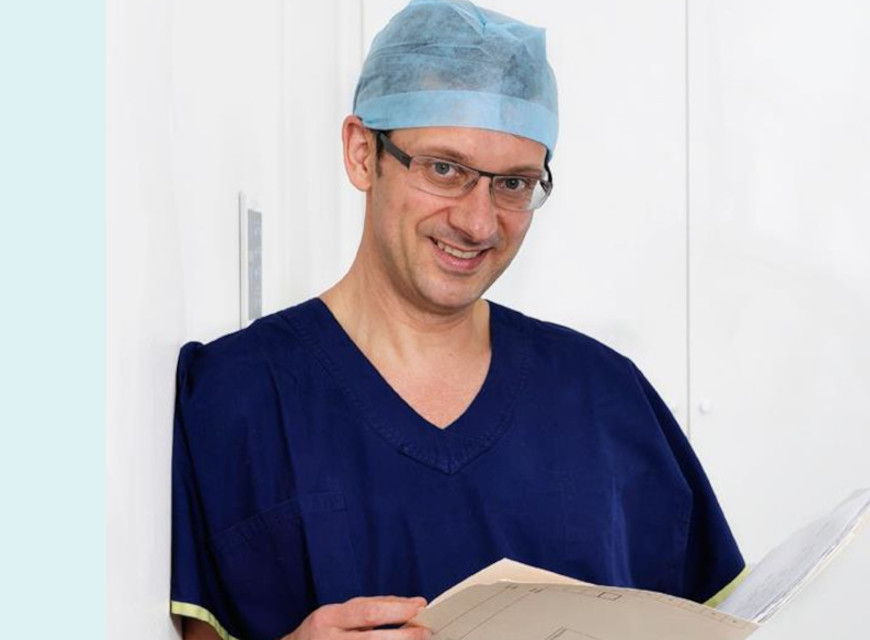
Experienced Plastic Surgeon
Dr. Mark Kohout
A qualified plastic surgeon who operates with care and integrity, based in central Sydney with over 20 years of experience in the cosmetic field. His extensive training and experience assures patients they are in highly trained surgical hands. Dr. Kohout is a dedicated, friendly professional who is committed to providing the high quality care, support and results, alongside his compassionate team.
Dr Mark Kohout (MED0001133000)
Specialist Plastic Surgeon
Specialist registration in Surgery – Plastic Surgery