

Dr Mark Kohout

FAQs About Blepharoplasty / Eyelid Surgery

doctor working
Home » Blog » FAQs About Blepharoplasty / Eyelid Surgery
FAQs About Blepharoplasty Eyelid Surgery - Featured Image

Table of Contents

Blepharoplasty, or eyelid surgery, is a frequently discussed procedure among men and women in Sydney looking to address concerns with their upper or lower eyelids. In this article, Dr Mark Kohout – Plastic & Reconstructive Surgeon based in Sydney, Australia – answers the most common questions patients have about blepharoplasty. With a focus on patient education, anatomical detail, and evidence-based practice, this resource aims to guide you through every step of the decision-making process. Whether you’re dealing with functional issues or cosmetic concerns, understanding the procedure is key to making informed choices.

What Is Blepharoplasty?​

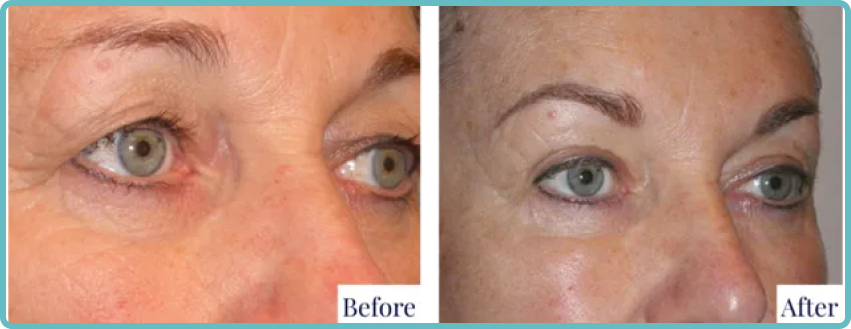
Blepharoplasty is a surgical procedure that involves the careful modification of the upper and/or lower eyelids. It can address loose or sagging skin, fat bulges, and muscle laxity. These changes are often associated with ageing, hereditary traits, or long-term sun exposure. In some cases, excess upper eyelid skin may hang over the lashes and impair vision, contributing to difficulty in tasks such as reading or driving.


Dr Mark Kohout performs blepharoplasty at his practice in Sydney using techniques designed to optimise the natural contours of the eyelids while maintaining functional integrity. The goal is not to alter your identity but to support a refreshed and balanced appearance that aligns with your unique facial features.

Download Dr Mark Kohout’s Facial Aesthetics Guide

Why Do Patients Consider Eyelid Surgery?​

Patients seek eyelid surgery for a variety of reasons, both functional and aesthetic:


  • Drooping or hooded upper eyelids that interfere with vision or cause eye fatigue. This sagging can make the eyes appear smaller or give a perpetually tired look.
  • Persistent puffiness or eye bags, particularly in the lower lids. These may develop due to fat herniation or fluid retention and are resistant to topical treatments or lifestyle changes.
  • Discomfort wearing glasses due to excess skin that interferes with proper fit or causes skin irritation.
  • Intention to address signs of ageing around the eyes without altering facial identity. Patients often report that they want to appear more rested or alert while maintaining their natural look.


In Sydney, where sun exposure and lifestyle factors may accelerate signs of ageing, blepharoplasty remains a commonly considered procedure for both men and women seeking subtle optimisation or relief from functional concerns.

Who Might Be a Suitable Candidate?​

Appropriate candidates for eyelid surgery include individuals who:


  • Are in good general health with no uncontrolled medical conditions that could affect healing, such as poorly managed diabetes or high blood pressure.
  • Do not have serious eye diseases such as glaucoma, dry eye syndrome, or retinal detachment, which may complicate surgery or recovery.
  • Are non-smokers or willing to stop smoking prior to and after surgery, as smoking can significantly impair wound healing and increase the risk of complications.
  • Have realistic expectations about the outcomes, understanding that while results can be long-lasting, they are not permanent and will not stop the natural ageing process.


Dr Mark Kohout conducts a personalised assessment at his Sydney clinic, which includes a detailed medical history, visual field testing (if required), and photographic analysis to determine if blepharoplasty is an appropriate option for each patient.

What Happens During the Consultation?​

The consultation is a critical step in your surgical journey. During your visit with Dr Mark Kohout:


  • Your eyelid structure, skin quality, and overall facial anatomy are examined to assess the causes of eyelid concerns and determine the most effective surgical approach.
  • Photos may be taken for planning and documentation, allowing for before-and-after comparisons and aiding surgical precision.
  • Discussion covers the type of surgery recommended – upper, lower, or both – based on your goals and anatomical features.
  • A review of possible risks, recovery expectations, and aftercare requirements is provided, ensuring that you are fully informed before making any decisions.


This consultation is also your opportunity to ask any questions and raise concerns. Patients in Sydney value the direct and thorough approach Dr Kohout provides in guiding them through their options and helping them weigh the benefits and limitations of surgery.

What Does the Procedure Involve?​

Blepharoplasty is tailored to the specific concerns of each patient:


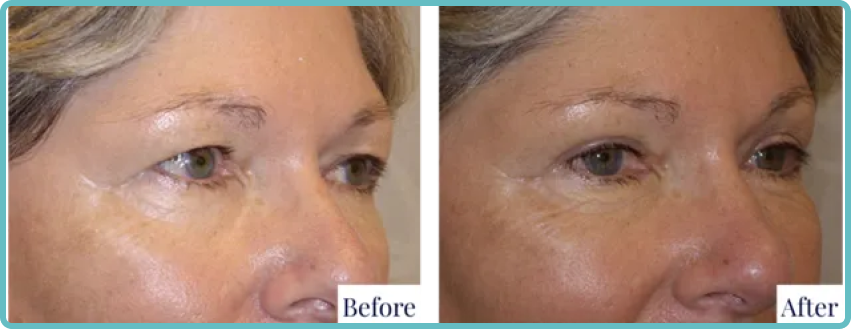
  • Upper eyelid surgery typically involves removing or reshaping excess skin, muscle, and fat through an incision in the natural eyelid crease. This creates a smoother, more defined upper eyelid contour and can improve visual function.
  • Lower eyelid surgery may involve fat repositioning to fill hollows, skin tightening to address wrinkling, or internal incisions (transconjunctival approach) to reduce visible scarring. The choice of technique depends on skin tone, eye shape, and the degree of fat prominence.


Anaesthesia options include local anaesthetic with sedation or general anaesthesia. The procedure is usually completed within one to two hours, and patients return home the same day with detailed post-operative instructions provided for care and comfort.
What Is the Recovery Process Like?​

Recovery times vary depending on the individual and the extent of the surgery. Typical guidelines include:


  • Day 1–2: Rest with the head elevated; use cold compresses to manage swelling. Mild discomfort, blurred vision, or watery eyes may occur but are temporary.
  • Day 3–7: Stitches (if external) are usually removed by the end of the first week; bruising may begin to fade. You may resume light walking and non-strenuous tasks.
  • Week 2: Most swelling subsides; many patients return to work or light activities. Makeup can often be worn to conceal residual bruising. Continued protection from sun exposure is essential.
  • Week 4 and beyond: Ongoing improvement in appearance; scars mature and fade; final results become more apparent by 6 to 12 weeks. Some patients may notice subtle refinement for several months.


Dr Mark Kohout provides post-operative reviews at his Sydney practice to ensure optimal healing and answer any patient concerns during recovery. These follow-ups are important for monitoring progress and making any necessary adjustments to care.

Are There Any Risks or Complications?​

While blepharoplasty is generally considered a low-risk procedure when performed by a trained Plastic Surgeon, all surgeries carry potential complications. These may include:


  • Temporary dry eyes or irritation, which can be managed with lubricating eye drops.
  • Bruising, swelling, or mild asymmetry, common in the early recovery phase and usually resolve on their own.
  • Infection or delayed wound healing, which can be minimised by following post-operative care instructions closely.
  • Rare cases of eyelid malposition or visual disturbances, which may require additional assessment or intervention.


Dr Mark Kohout ensures all potential risks are clearly discussed during your pre-surgical consultations. Sydney patients benefit from his structured follow-up care to promptly address any post-operative issues, with a focus on safety and transparency.

Will There Be Visible Scars?​

Surgical incisions for upper eyelid surgery are usually hidden in the natural eyelid crease, making scars less noticeable once healing is complete. For lower eyelid surgery, incisions may be placed inside the eyelid (transconjunctival approach) or just beneath the lash line. In both cases, scars typically fade over time and are discreet.


Dr Kohout provides comprehensive instructions on scar care and skin healing to support the best possible outcome. Scar treatments may include silicone gel, sun avoidance, and gentle massage, depending on healing progress.

How Long Do the Results Last?​

Blepharoplasty offers long-lasting improvements. Many patients enjoy the benefits for 5 to 10 years or more, depending on factors such as:


  • Skin elasticity, which determines how well the skin conforms to new contours.
  • Genetic predispositions, including the tendency to develop fat prolapse or drooping.
  • Lifestyle habits (e.g., smoking, sun exposure), which can accelerate the ageing process.
  • Overall facial ageing patterns, as skin, muscle, and bone structure continue to change with time.


Although the procedure does not stop ageing, it can significantly reduce visible signs around the eyes for a considerable time. Regular skin care and sun protection may help maintain results.

Is Eyelid Surgery Ever Covered by Medicare or Insurance?​

In Australia, upper eyelid surgery may attract a Medicare rebate if it meets functional criteria such as visual field obstruction. Requirements include:


  • Medical documentation of interference with vision, often involving photographs and a report from your GP or specialist.
  • Referral from a general practitioner, which initiates the Medicare claim process.
  • Visual field testing by an ophthalmologist, demonstrating impairment in the upper visual fields.


Dr Mark Kohout assists patients in Sydney with eligibility assessments and, where appropriate, Medicare item number applications. His team can help you navigate the necessary paperwork and liaise with insurers if private health cover applies.

Questions to Ask During Your Consultation​

Asking the right questions during your consultation can help clarify the procedure and manage expectations. Consider the following:


  • Am I a suitable candidate for blepharoplasty?
  • What type of eyelid surgery is recommended for me – upper, lower, or both?
  • What specific risks should I be aware of based on my health and eye condition?
  • What should I expect during recovery week by week, including when I can return to specific activities?
  • How will my follow-up care be managed in Sydney, and what should I do if concerns arise after surgery?


Dr Mark Kohout encourages all patients to be proactive in understanding their surgical plan, ensuring they feel confident and well-prepared.

FAQs About Eyelid Surgery​

How does eyelid surgery differ for men and women?

While the underlying techniques are similar, aesthetic goals often vary. Men may prefer a more conservative result that retains a natural heaviness in the brow, while women may aim for more defined upper eyelid contours. Dr Kohout adjusts each procedure based on gender-specific anatomy and personal preferences.

Can eyelid surgery be combined with other facial procedures?

Yes, it is not uncommon for blepharoplasty to be performed alongside procedures such as a brow lift or facelift. This combined approach may promote harmony across the upper face. Dr Kohout will discuss whether a combined treatment plan is appropriate for your case.

What role does skin type or ethnicity play in eyelid surgery?

Different skin types and ethnic backgrounds can influence incision placement, scarring, and aesthetic expectations. Dr Mark Kohout considers these factors to ensure culturally sensitive and anatomically appropriate results.

Will my eyelids feel different after surgery?

Some patients notice temporary tightness or numbness, particularly in the early stages of healing. Sensation typically returns gradually. Dr Kohout provides aftercare advice to support comfort and recovery.

What lifestyle changes should I make before surgery?

Patients are advised to stop smoking, avoid certain medications and supplements (like blood thinners), and protect their skin from sun exposure. These precautions reduce the risk of complications and support a smoother recovery.

How do I manage expectations for asymmetry?

Mild asymmetry is natural in all faces, and while surgery can promote balance, perfect symmetry is not a realistic goal. Dr Kohout provides honest guidance on what to expect, supported by detailed pre-surgical planning.

What happens if further adjustments are needed later on?

While most patients are satisfied after a single procedure, secondary adjustments can be discussed if changes occur over time. Dr Kohout’s follow-up process includes monitoring outcomes and planning future care if required.

Medical References

These questions reflect the depth of information discussed during consultations, helping patients in Sydney make well-informed decisions about eyelid surgery.

Planning Your Next Steps​

If you’re considering blepharoplasty, take time to gather reliable information and reflect on your reasons and expectations. Booking a consultation with Dr Mark Kohout – a Plastic Surgeon in Sydney with extensive experience in eyelid procedures – is a recommended next step.


During the consultation, you’ll receive a personalised assessment, a clear explanation of the options available, and a supportive environment in which to make your decision. You’ll also gain insights into preparation, recovery, and long-term care.


To arrange an appointment or learn more, visit blepharoplasty related pages and blogs.

Further Reading

Related Blog Posts

Returning To Exercise After Blepharoplasty

Returning To Exercise After Blepharoplasty

Blepharoplasty, also known as eyelid surgery, is a surgical procedure that addresses changes to the upper or lower eyelids. Dr Mark Kohout, Plastic Surgeon in Sydney, provides patients with personalised…

Medicare for Blepharoplasty – Will Medicare cover Eyelid Surgery?

Medicare for Blepharoplasty – Will Medicare…

Will Medicare Cover My Blepharoplasty? Blepharoplasty, commonly referred to as eyelid surgery, is a popular procedure in Australia for both cosmetic and medical reasons. While many people undergo blepharoplasty to change…
Managing Upper Eyelid Scars after Blepharoplasty

Managing Upper Eyelid Scars after Blepharoplasty

Transform Your Recovery: A Complete Guide to Managing Upper Eyelid Blepharoplasty Scars   Blepharoplasty, commonly referred to as eyelid surgery, is a sought-after procedure that addresses excess skin and tissue around the…
Experienced Plastic Surgeon

Dr. Mark Kohout

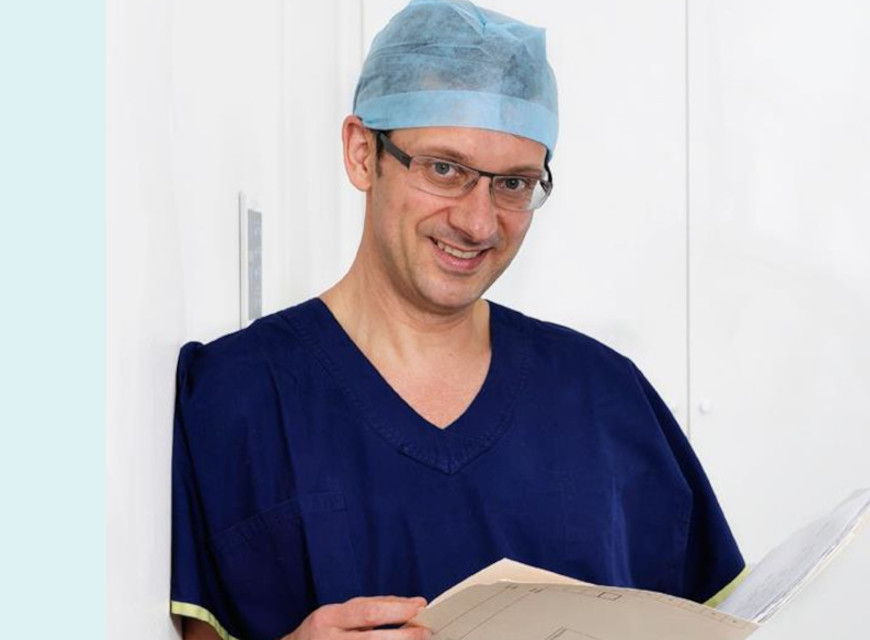
A qualified plastic surgeon who operates with care and integrity, based in central Sydney with over 20 years of experience in the cosmetic field. His extensive training and experience assures patients they are in highly trained surgical hands. Dr. Kohout is a dedicated, friendly professional who is committed to providing the high quality care, support and results, alongside his compassionate team.

Dr Mark Kohout (MED0001133000)
Specialist Plastic Surgeon
Specialist registration in Surgery – Plastic Surgery

This website contains imagery which is only suitable for audiences 18+. All surgery contains risks, read more here.

X

Get Your Facial Aesthetic

Get Your Breast Implant Removal

Get Your Female Genital Surgery Guide

Get Your Excess Skin Guide

Get Your Gynaecomastia Guide

Get Your Liposuction Guide

Get Your Abdominoplasty Guide

Get Your Cost of Surgery Guide

Get Your Breast Implant Replace Guide

Get Your Breast Reduction Guide

Get Your Breast Augmentation Guide

Make an Enquiry