
Dr Mark Kohout, Plastic Surgeon in Sydney, brings over 25 years of experience in aesthetic and reconstructive surgery. His practice is known for its patient-focused approach and thorough consultation process. For those considering a bodylift, understanding the procedure, risks, and recovery is essential. This article addresses frequently asked questions to support informed decision-making for patients across Sydney and surrounding regions.
What Is a Bodylift and Who Is It For?
✓ Understanding the Procedure
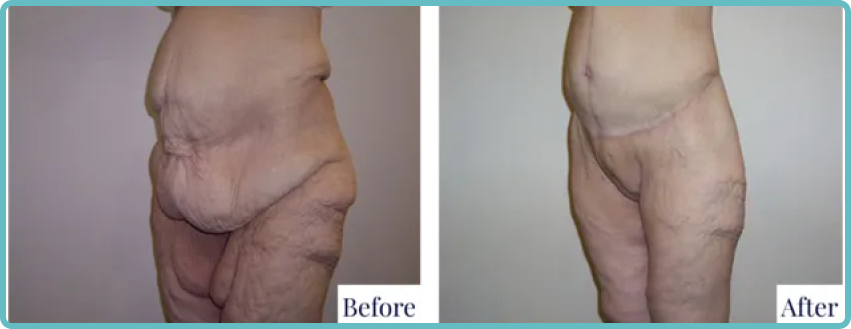
A bodylift is a surgical procedure designed to remove excess skin and fat from the lower torso and upper legs. This often includes areas such as the abdomen, hips, outer thighs, and buttocks. It is commonly performed on patients who have experienced significant weight loss, ageing-related skin laxity, or post-pregnancy changes.
The procedure involves tightening both the skin and underlying tissues to address shape, support function, and optimise comfort. Dr Mark Kohout emphasises that each bodylift is unique and requires an individualised surgical plan tailored to the patient’s needs and goals.
✓ Suitable Candidates for a Bodylift
The procedure may be appropriate for patients who:
- Have maintained a stable weight for several months, which helps ensure that the surgical results are long-lasting and not affected by further fluctuations.
- Experience significant skin redundancy affecting function or comfort, such as skin folds that cause irritation, restrict clothing options, or interfere with mobility.
- Are in overall good health and non-smokers, as these factors contribute to better healing, lower complication risks, and improved recovery.
- Have realistic expectations regarding surgical outcomes, understanding that while body contouring can optimise the appearance, it cannot stop the ageing process or completely change one’s natural body structure.
Bodylift surgery is often part of a post-weight loss journey or combined with other reshaping procedures to complete a full modification, including arm lifts, thigh lifts, or breast surgery for patients with widespread skin laxity.
Which Areas of the Body Can Be Treated?
✓ Lower Body
Common areas addressed during a bodylift include:
- Abdomen: particularly excess skin below the navel that may hang or fold, often after major weight loss or pregnancy.
- Flanks or hips: lateral midsection skin folds that may persist even after fat loss, contributing to discomfort in fitted clothing.
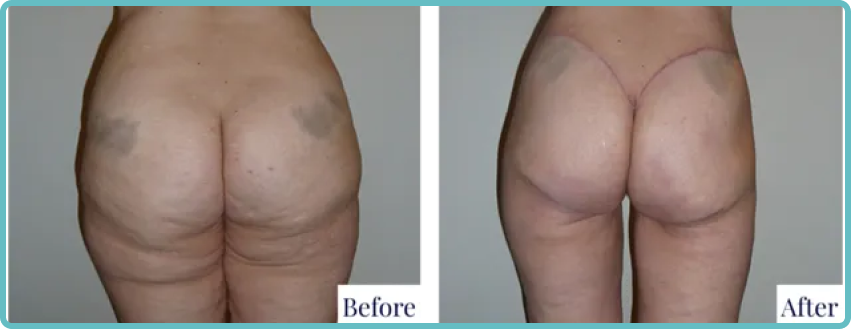
- Buttocks: sagging or volume loss that may affect seating comfort and appearance in clothes.
- Outer thighs: heavy redundant skin that may cause discomfort during movement, chafing, or difficulty wearing certain garments.
These areas are often affected together, especially after major weight loss, making a lower bodylift an appropriate option that may address multiple concerns in one surgical session.
✓ Extended and Circumferential Techniques
Patients requiring more extensive correction may benefit from an extended or circumferential bodylift. These techniques:
- Involve a continuous incision around the body to access and lift tissue circumferentially for a uniform result.
- Allow comprehensive removal and repositioning of skin and tissue, adjusting the shape of the waistline, hips, thighs, and lower back.
- Are suited to individuals with 360-degree laxity following bariatric surgery or rapid weight reduction, where isolated procedures may not result in cohesive outcomes.
Dr Mark Kohout assesses the need for such techniques during the consultation, based on body type, distribution of excess skin, and patient priorities.
What Happens During the Consultation With Dr Mark Kohout?
Personalised Assessment in Sydney
At his Sydney clinic, Dr Mark Kohout conducts a thorough consultation process to determine patient suitability for the procedure. This includes:
- A physical examination to assess skin quality, distribution of fat, and muscle tone, helping to map out the surgical approach and incision placement.
- Detailed medical history to identify potential risks, including previous surgeries, chronic illnesses, and current medications.
- Discussion of lifestyle factors and long-term goals, supporting patients to be emotionally and physically prepared for surgery and recovery.
Dr Kohout explains each stage of the process in detail, meaning patients leave with a clear understanding of the surgery, expected outcomes, and recovery commitments. Visual aids, diagrams, or example scenarios may be used to support comprehension.
How Is the Procedure Performed?
Surgical Techniques and Anaesthesia
A bodylift is performed under general anaesthesia and typically takes several hours, depending on the areas treated. The process involves:
- Making incisions along the beltline or lower abdomen to access the targeted areas while minimising visible scarring when possible.
- Removing excess skin and underlying fat, often using electrocautery or surgical scissors for precision and minimal bleeding.
- Tightening supporting tissues, including the underlying fascia, to create a firmer and more defined silhouette.
- Re-draping the skin to achieve a smoother, firmer appearance, ensuring natural transitions between treated and untreated areas.
Dr Mark Kohout uses advanced surgical techniques to reduce tension on incision lines, promote better healing, and minimise scarring where possible. Drainage tubes may be inserted to prevent fluid buildup and are typically removed within the first week.
What Can I Expect From Recovery?
✓ General Recovery Timeline
Recovery after a bodylift varies, but most patients can expect:
- Hospital stay of 1–2 nights for monitoring, pain management, and fluid drainage.
- Drainage tubes may be placed temporarily to prevent fluid build-up and are monitored by nursing staff until removal.
- Return to light activities in approximately 2–3 weeks, including short walks and desk-based work if energy allows.
- Resumption of more strenuous tasks after 6–8 weeks, pending surgeon approval and healing progress.
Bruising, swelling, and tightness are common in the early stages and gradually resolve. Follow-up visits at Dr Kohout’s Sydney clinic allow for close monitoring, suture removal, and adjustment of compression garments.
✓ Activities and Restrictions
Patients are advised to:
- Avoid bending, lifting, or twisting during early recovery to prevent wound stress and support tissue healing.
- Walk gently to support circulation and reduce the risk of blood clots or stiffness.
- Sleep on an incline or with pillows under the knees to reduce tension on incision lines and promote comfort.
- Wear compression garments as recommended to reduce swelling, support tissues, and assist with skin adherence.
Dr Mark Kohout’s team provides a personalised recovery plan tailored to each patient’s surgical approach and lifestyle, including advice on hygiene, nutrition, and scar care.
Are There Risks Associated With a Bodylift?
Informed Risk Discussion
As with any surgery, a bodylift involves risks, including:
- Scarring: permanent but typically placed in concealed areas, with care taken to align incisions with natural folds or clothing lines.
- Infection: rare with proper care, monitored post-operatively with guidance on wound hygiene and signs to watch for.
- Seroma: fluid accumulation that may require drainage in the clinic or hospital setting.
- Sensation changes: some numbness may persist long-term, especially around incision areas, though partial recovery is common.
- Anaesthesia-related risks: include allergic reactions, nausea, and respiratory complications, discussed thoroughly before surgery.
Dr Mark Kohout and his team provide all patients with detailed pre-operative instructions and provide access to post-operative care to manage any complications effectively, including direct contact lines for concerns.
How Long Do Results Last?
Factors That Influence Longevity
While a bodylift provides long-term improvements in contour and skin tightness, several factors influence how results evolve over time:
- Ageing: natural tissue changes may occur, leading to gradual loosening of skin and soft tissue.
- Future weight fluctuations: can affect skin tightness and shape, so maintaining a steady weight is advised.
- Genetics: skin elasticity and healing response vary, impacting how long results appear firm and smooth.
Maintaining a healthy lifestyle – including a balanced diet, regular activity, and proper skincare – can help sustain results for years after surgery. Patients are encouraged to attend periodic check-ups to assess tissue stability and seek support as needed.
Is a Referral Required?
Accessing Specialist Consultation in Sydney
In Australia, patients need a GP referral to see a Plastic Surgeon like Dr Mark Kohout, regardless of whether the procedure they are interested in is cosmetic or medically necessary.
Dr Kohout’s Sydney practice can provide information on Medicare eligibility and help with required paperwork. The administrative team is available to clarify questions regarding billing, rebates, and documentation.
How Is a Bodylift Different From Other Contouring Procedures?
Comparing Bodylift to Liposuction or Abdominal Surgery
A bodylift primarily addresses excess skin and lax soft tissues. In contrast:
- Liposuction removes localised fat deposits without skin tightening, which may result in further sagging if skin elasticity is poor.
- Abdominoplasty focuses on the abdominal region, often repairing separated abdominal muscles (diastasis recti), but does not address buttocks or thighs.
Dr Mark Kohout may recommend combining procedures when clinically appropriate to achieve optimal outcomes, depending on the patient’s unique presentation. The decision is made collaboratively with the patient during the consultation phase.
How Do I Prepare for Surgery?
Pre-Operative Planning With Dr Mark Kohout
Proper preparation is critical for an uneventful surgical experience and recovery. Dr Kohout’s Sydney team will assist patients in preparing by:
- Conducting necessary pre-operative blood tests and imaging to confirm surgical readiness and rule out contraindications.
- Reviewing all medications and supplements to adjust those that may affect bleeding, immune response, or anaesthesia safety.
- Advising on smoking cessation and nutrition optimisation, as smoking can impair healing and increase complication risk.
- Giving clear guidelines on fasting and medications before surgery, with written instructions and pre-surgical checklists provided.
Patients are also encouraged to:
- Arrange help at home for at least the first week post-op, especially for tasks like cooking, driving, or childcare.
- Prepare a comfortable recovery area with essentials within reach, such as medications, clean dressings, water, and entertainment.
- Fill prescriptions in advance to support immediate post-surgery access and prevent unnecessary outings during early recovery.
FAQs About Bodylift Surgery
Will a bodylift change how my clothes fit or how I feel in them?
Yes, many patients notice a difference in how their clothing fits post-surgery. The removal of excess skin can lead to a smoother contour, allowing garments to sit more comfortably and look more proportional. This change may open up options in clothing styles that were previously less practical or flattering.
How does the procedure differ if I’ve had a C-section or abdominal surgery before?
Previous surgeries, including caesarean sections or hernia repairs, are common among bodylift candidates. Dr Mark Kohout assesses surgical history during your consultation to plan incision placement carefully and avoid disrupting scar tissue. Adjustments may be made to accommodate past surgical sites while still aiming for a cohesive aesthetic outcome.
Can a bodylift address hygiene or skin irritation issues?
Yes, in many cases, excess folds of skin can trap moisture, leading to chronic irritation, rashes, or fungal infections. Removing redundant skin through a bodylift may alleviate these issues, particularly in warmer climates like Sydney where perspiration can be more frequent.
Will I lose weight from a bodylift?
While a bodylift may result in a slight reduction in body weight due to skin and fat removal, it is not a weight loss procedure. The goal is to reshape and contour the body, not to reduce weight. Patients are encouraged to reach and maintain a stable weight prior to undergoing surgery.
How does skin quality affect my suitability for a bodylift?
Skin elasticity plays a significant role in how well the skin repositions after surgery. Patients with poor elasticity may not achieve the same level of tautness as those with more resilient skin. During consultation, Dr Mark Kohout evaluates skin condition to tailor the surgical approach accordingly.
Are there non-surgical options that offer similar results?
Currently, no non-surgical treatment can replicate the results of a bodylift when it comes to removing substantial excess skin. While skin-tightening devices or laser treatments may offer minor improvements, surgical excision remains the most effective method for addressing large areas of lax skin.
How do I know if I need a full lower bodylift or a more targeted procedure?
Determining the extent of surgery depends on where excess skin is located and how it affects daily life. Dr Mark Kohout will evaluate areas of concern, functional limitations, and aesthetic goals before recommending whether a full lower bodylift, belt lipectomy, or a more focused procedure like a thigh or buttock lift is most appropriate.
Medical References
- Clinical Review of Total Body Lift Surgery / Oxford Academic – https://academic.oup.com/asj/article/28/3/294/268603
- Abdominoplasty and Lower Body Lift Surgery Improves the Quality of Life of Patients After Massive Weight Loss and the Sexual Quality of Life / Plastic and Reconstructive Surgery – https://journals.lww.com/plasreconsurg/fulltext/2024/06000/abdominoplasty_and_lower_body_lift_surgery.18.aspx
- The Impact of Comorbidities on Patient Outcomes in the Upper Body / National Institutes of Health (PMC) – https://pmc.ncbi.nlm.nih.gov/articles/PMC9475277/
Summary and Key Considerations
A bodylift is a comprehensive surgical solution for individuals with significant skin laxity, particularly following weight loss or ageing. When performed by a qualified Plastic Surgeon such as Dr Mark Kohout in Sydney, the procedure can improve physical comfort and create smoother body contours.
Dr Kohout’s approach involves personalised planning, education, and ongoing care, with an emphasis on setting realistic expectations and prioritising patient safety.
To learn more about bodylift surgery or to arrange a consultation with Dr Mark Kohout, contact us.
Further Reading
- Read more about Body Procedures
- Read more about Thigh Lift
- Read Dr Mark Kohout’s Blog on BodyTite: A Solution for Skin Laxity after Liposuction
- Read Dr Mark Kohout’s Blog on Skin Tightening After Weight Loss Medications
- Read Dr Mark Kohout’s Blog on Recovery After Excess Skin Removal Surgery
Related Blog Posts
Will Medicare Cover My Skin Removal…
Excess skin removal is a surgical option that some patients consider after losing a significant amount of weight. Whether the weight loss was achieved through lifestyle changes, bariatric surgery, or…
Skin Tightening After Weight Loss Medications
Losing a significant amount of weight is an accomplishment that can bring real changes in mobility, energy, and overall health. Many people in Sydney are now achieving weight reduction through…
Tips to Help Maintain Your Abdominoplasty…
Congratulations on undergoing a tummy tuck procedure. However, the journey doesn’t end there. To ensure the longevity of your results and protect your investment, it’s crucial to adopt certain lifestyle adjustments and…
Experienced Plastic Surgeon
Dr. Mark Kohout
A qualified plastic surgeon who operates with care and integrity, based in central Sydney with over 20 years of experience in the cosmetic field. His extensive training and experience assures patients they are in highly trained surgical hands. Dr. Kohout is a dedicated, friendly professional who is committed to providing the high quality care, support and results, alongside his compassionate team.
Dr Mark Kohout (MED0001133000)
Specialist Plastic Surgeon
Specialist registration in Surgery – Plastic Surgery