

For patients who are exploring options to modify the shape or volume of their buttocks, particularly when exercise or fat grafting may not offer the outcomes they are seeking, buttock implants may provide a structured surgical option. At Australia Cosmetic Clinics in Sydney, Dr Mark Kohout, Specialist Plastic Surgeon, offers personalised care for men and women considering gluteal procedures. With more than 25 years of clinical experience in plastic surgery, Dr Kohout supports each patient with an approach that considers their goals, individual characteristics and overall well-being.
Understanding Buttock Implants: Who Might Consider This Option?
Some individuals may not have sufficient fat for transfer procedures, and others may prefer a more measurable or consistent result. Buttock implants may be appropriate for individuals who:
Â
- Have a naturally less prominent gluteal area or limited gluteal muscle development
- Have experienced changes in body proportions following weight changes or over time
- Prefer a longer-lasting method rather than volume changes that may fluctuate
- Are interested in modifying overall body proportions in a balanced way
Â
It’s important to note that this procedure is not limited to one body type or gender. Both men and women from a range of age groups may consider buttock implants, depending on their anatomy, activity levels and goals.
Â
Buttock implants are made from solid, medical-grade silicone and are placed surgically to support shape and projection. These implants are not the same as injectable products or fat transfer techniques. The implant is designed to remain in place and maintain its shape over time. This method may be particularly relevant for individuals with a leaner body type or those who have not achieved their goals through non-surgical means.
Â
Some people may also consider this option if they have previously undergone fat transfer and did not retain the expected volume. Others may be seeking a more defined appearance than what can typically be achieved with exercise alone. As always, suitability is based on a combination of physical characteristics and personal considerations, which are explored during the consultation process.
The Role of Surgical Technique in Shaping Results
As with all plastic surgery procedures, the surgical method used plays a significant role in the outcome. Dr Mark Kohout, a Specialist Plastic Surgeon in Sydney, performs buttock implant procedures with attention to anatomical planning and stable positioning.
Â
Implants may be placed within the gluteal muscle (intramuscular) or above the muscle fascia (subfascial). The method selected depends on factors including body structure, soft tissue characteristics, and the individual’s preferences and activities.
Â
- Intramuscular placement offers additional tissue coverage and a more integrated shape. This approach is typically chosen to help create a more supported and natural-feeling result.
- Subfascial placement may be appropriate for those with sufficient soft tissue support and may allow for a shorter recovery in some cases.
Â
The choice of implant shape also plays a role. Options include round or oval-shaped implants with various levels of projection. Dr Kohout will help select an implant that fits the patient’s frame, movement needs and goals.
Â
In addition to the technical placement, incision planning and scar positioning are also considered. Incisions are often made in the natural crease between the buttocks, where they are less visible and heal more discretely over time.
Â
Each surgical plan is developed based on detailed examination, discussion and pre-operative planning. Imaging or body measurements may be used to assist in visualising the changes. Patients are invited to be actively involved in the decision-making process.
How Implants Support Volume and Projection
For individuals seeking to increase the prominence of the gluteal area, implants may offer a consistent and long-term approach. Because the implant maintains its shape, the volume provided is stable and measurable.
Â
This differs from fat grafting, where not all of the transferred fat is retained, and changes can occur depending on metabolism, lifestyle or other body changes. For this reason, implants are sometimes selected when predictability and durability are important to the patient.
Â
Buttock implants may support volume and projection by:
Â
- Adding bulk to the mid and upper gluteal area in a controlled way
- Providing projection when viewed from the side or in clothing
- Adjusting overall lower body proportions in relation to the waist and thighs
- Supporting symmetry, particularly in individuals who may have natural differences between the left and right sides
Â
This can be especially relevant for individuals who feel that their lower body does not reflect the shape they would like to achieve. Some patients describe wanting to feel that their clothing fits more proportionately, especially fitted trousers or dresses. Others seek an appearance that aligns more closely with their perception of physical balance.
Â
Importantly, the goal is not to create a result that looks out of place, but one that works with each person’s body structure. Dr Kohout’s approach focuses on proportion and surgical planning that is tailored rather than generic.
What the Patient Journey Looks Like at Our Sydney Clinic
Undergoing any form of plastic surgery involves careful consideration and planning. At Australia Cosmetic Clinics, the patient journey is guided by clear communication, professional medical care and structured support.
Initial Consultation
The consultation is a chance to discuss your motivations, expectations and concerns. It also allows Dr Kohout to:
Â
- Take a detailed medical and surgical history
- Evaluate gluteal tissue and body proportions
- Explain available implant types and what they may achieve
- Outline potential risks and the recovery process
Â
You are encouraged to ask any questions, bring photos or examples, and take your time in thinking about your options. In some cases, patients may request a second consultation before making their final decision.
Preparing for Surgery
Once you decide to proceed, a pre-operative plan will be created. This includes:
Â
- Blood tests and other medical clearance if required
- Instructions on medications and fasting before surgery
- Advice on transport to and from the surgical facility
Â
You will also be provided with information on what to expect in the days before and after your procedure, including recovery aids, timelines, and support needed at home.
Surgery Day
Surgery is performed under general anaesthesia in an accredited Sydney facility. The operation typically takes between 1.5 to 2.5 hours.
Â
After entering the operating theatre, the surgical team will prepare the area and make the agreed incisions. A surgical pocket is created and the implant placed into position. Once confirmed, the area is closed using layers of sutures.
Â
Patients are monitored in recovery before returning home later the same day, or after a short stay depending on individual needs.
Recovery and Follow-Up Care
Recovery from buttock implant surgery requires care and patience. In the first few days, it is important to follow positioning advice, avoid sitting directly on the implants for extended periods, and take time to rest.
Â
Post-surgical support includes:
Â
- Guidance on sleep and sitting positions
- Use of compression garments (if advised)
- Wound care and dressing instructions
- Review appointments with Dr Kohout to monitor healing
Â
Most patients return to light activities within two weeks, with gradual reintroduction of movement over the following four to six weeks. Heavier activities, exercise or long periods of sitting may require more time.
Â
The timeline varies from person to person. Some individuals heal more quickly while others may need extra time depending on their baseline health, physical structure or daily routine.
Â
The goal is not to rush recovery but to allow the body time to heal at its own pace, supported by structured follow-up and clinical advice.
Long-Term Considerations and Implant Longevity
Like any medical device, implants are not considered permanent, but they are long-lasting. Many patients retain their result for 10 years or more before considering any revision. The need for revision is influenced by:
Â
- Changes in weight or body composition
- Ageing and natural tissue movement
- Personal preferences or comfort over time
Â
Dr Kohout discusses these possibilities during consultation so that patients are well informed about what to expect in the years ahead. He will also guide you on how to monitor for changes and what symptoms would indicate the need for review.
Â
Routine check-ups after surgery can provide reassurance and ensure that the implants remain in the intended position. If adjustments are needed later in life, they can usually be planned and discussed with clarity.
Is Buttock Implant Surgery Right for You?
Deciding whether this procedure is suitable involves a combination of medical, physical and personal factors. During consultation, Dr Mark Kohout evaluates suitability based on:
Â
- Your health and ability to undergo general anaesthesia
- Skin tone, tissue coverage and muscular structure
- Personal goals and expectations
- Any previous surgeries or procedures to the area
Â
Not all patients are candidates for this procedure. In some cases, fat transfer or non-surgical alternatives may be more suitable. Dr Kohout will outline these options openly if they may be more appropriate for your needs.
Â
A personalised recommendation will always take into account your anatomy, safety, lifestyle, and how well the procedure aligns with your desired outcome.
Buttock Implant Surgery FAQs
Can I still do high-impact sports or weightlifting after getting buttock implants?
Yes, most patients return to their usual activities once fully healed. However, some exercises may feel different depending on implant placement, and gradual reintroduction is recommended.Will I feel the implant when I sit or lie down?
Most people do not report awareness of the implant once healing is complete. Positioning of the implant within the muscle helps reduce this likelihood.Is it possible to combine buttock implants with fat transfer?
Yes, in select cases, a combined approach may be used to refine the overall shape. This is sometimes referred to as a hybrid method and requires careful planning.Can the implants move over time?
Implants are placed in a carefully constructed pocket to reduce movement. Significant displacement is uncommon but can be addressed if it occurs.Will my clothing fit differently after the procedure?
Some individuals notice that trousers, skirts, or dresses fit differently due to changes in volume and projection. This is often part of the reason people seek the procedure.Do implants affect how I sleep?
Sleeping on your back is generally avoided during early recovery. Once healed, most people resume their usual sleep positions without difficulty.Are there different shapes or sizes of buttock implants?
Yes, implants come in a variety of shapes and projections. The selection is based on your anatomy and the outcome you’re aiming to achieve.Is there an age limit for this procedure?
There is no strict age limit, but suitability depends on general health, skin quality, and surgical goals. Patients range from their 20s to their 60s and beyond.Can this procedure be reversed later if I change my mind?
Yes, implant removal is possible, though revision surgery is a separate procedure with its own recovery process. It’s important to discuss this possibility during consultation.Do the implants make any sound or feel unusual when walking or moving?
No, implants are made of solid silicone and do not produce sound. Once healed, they typically move in harmony with the surrounding tissue.Medical References
- Enhancing Buttock Augmentation Techniques (Open Access Journal Article) – https://www.mdpi.com/2077-0383/13/10/2856/xml
- Gluteoplasty and Surgical Anatomy (Open-Access PDF) – https://jmrhs.info/index.php/jmrhs/article/download/647/725
- Gluteal Augmentation: A Historical Perspective on Aesthetic Practice – https://academic.oup.com/asjopenforum/article/doi/10.1093/asjof/ojae124/7922599
Why Choose Dr Mark Kohout and Australia Cosmetic Clinics
Dr Mark Kohout is a Specialist Plastic Surgeon with over 25 years of focused clinical experience in body procedures. Trained in Australia, the United Kingdom and the United States, he is a member of the Royal Australasian College of Surgeons (RACS) and the Australian Society of Plastic Surgeons (ASPS).
His practice is centred on thoughtful planning, patient education and evidence-based techniques. At Australia Cosmetic Clinics, our Sydney-based team includes registered nurses, surgical coordinators and clinical staff dedicated to your care.
We offer:
- Individualised consultations without pressure
- Clear explanations of risks, benefits and recovery
- A calm and private clinic setting for your appointments
- Ongoing access to clinical advice throughout your journey
Each patient deserves time, respect and support. Cosmetic procedures should be chosen carefully, and we are here to assist you with information that is honest, medically grounded and aligned with Australian healthcare standards.
Further Reading​
- Read more about Buttocks Reshaping
- Read more about Body Lift
- Read more about Liposuction
- Read Dr. Mark Kohout’s Blog on Gluteal Augmentation With Implants in Sydney: Understanding a Surgical Option
Related Blog Posts
Gluteal Augmentation With Implants in Sydney:…
Interest in fuller, more projected buttock shapes has grown steadily, encouraged in part by social media and online imagery. Many people in Sydney arrive at a consultation with screenshots, mixed…
FAQs About Bodylift Surgery
Dr Mark Kohout, Plastic Surgeon in Sydney, brings over 25 years of experience in aesthetic and reconstructive surgery. His practice is known for its patient-focused approach and thorough consultation process.…
Costs of Abdominoplasty in Sydney –…
How Much Does Tummy Tuck Surgery Cost in Sydney? This guide to abdominoplasty costs in Sydney has been written by Dr Mark Kohout, Specialist Plastic Surgeon based in Sydney with over 25 years of…
Experienced Plastic Surgeon
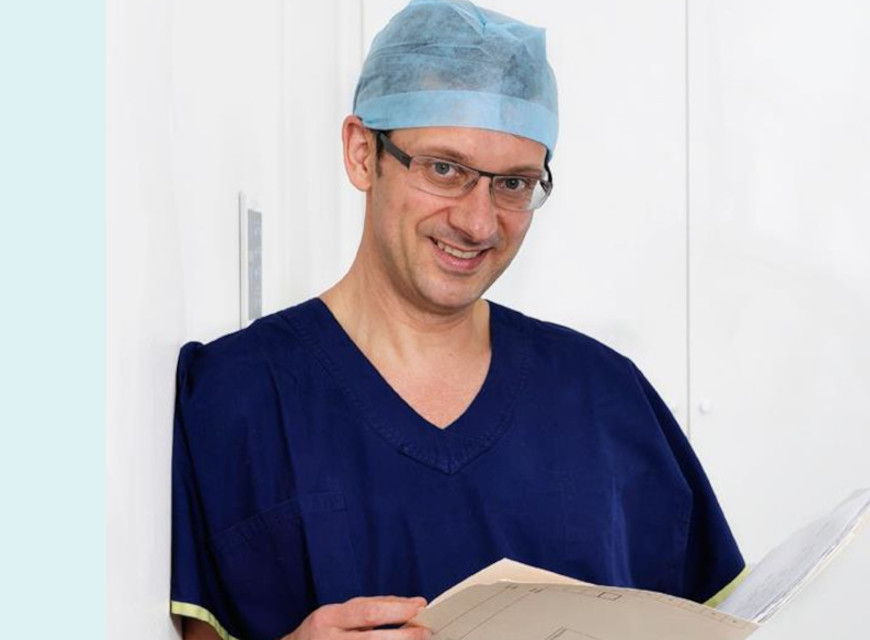
Dr. Mark Kohout
A qualified plastic surgeon who operates with care and integrity, based in central Sydney with over 20 years of experience in the cosmetic field. His extensive training and experience assures patients they are in highly trained surgical hands. Dr. Kohout is a dedicated, friendly professional who is committed to providing the high quality care, support and results, alongside his compassionate team.
Dr Mark Kohout (MED0001133000)
Specialist Plastic Surgeon
Specialist registration in Surgery – Plastic Surgery