



Dr Mark Kohout

How to Choose a Plastic Surgeon in Sydney | Qualifications & Safety Guide

doctor working
Home » Blog » How to Choose a Plastic Surgeon in Sydney | Qualifications & Safety Guide
Choosing a Plastic Surgeon in Sydney A Patient-Focused Guide by Dr Mark Kohout

Table of Contents

Choosing a Plastic Surgeon in Sydney A Patient-Focused Guide banner by Dr Mark Kohout

Choosing plastic surgery is not only a decision about appearance. It is a medical choice that involves health, time away from usual activities, recovery and financial planning. At the centre of that decision is one key question: who should perform the operation.

Many people in Sydney and across New South Wales find this part confusing. Search results are filled with polished websites and social media accounts. Different titles appear, including cosmetic surgeon and Specialist Plastic Surgeon. It can be difficult to know how to choose a good plastic surgeon and how to separate marketing from meaningful qualifications.

Sydney Specialist Plastic Surgeon Dr Mark Kohout has observed this uncertainty over many years of practice in Glebe and Orange. Patients often arrive with screenshots, advice from friends and a strong wish to make a careful, well informed decision. This guide reflects how he explains the process in consultations, adapted into written form so that it can be read and revisited in a calm setting.

This article is general in nature and does not replace personalised advice from a qualified health practitioner. All surgery carries risks, and individual assessment is essential before any decision is made. For a more detailed overview, you can read our guide on how to choose a plastic surgeon in Sydney to support your decision-making process.

The focus here is not to promote one practice over another. Instead, it is to provide practical, Australia specific information that helps people understand what to look for, which questions to ask and how to assess whether a surgeon and clinic are suitable for their needs.

Why Choosing the Right Plastic Surgeon Matters

Plastic surgery sits where appearance concerns and health care intersect. A person might begin by noticing something they would like to change. Once surgery is considered, they are dealing with a medical procedure that involves anaesthesia, cuts to the skin and deeper tissues, healing and scarring.

Every operation, whether reconstructive or primarily appearance focused, involves risk. Outcomes vary from person to person. No surgeon can promise a specific result or guarantee how someone will feel about the outcome.

The surgeon’s training and approach influence many parts of this journey, including:

  • How carefully the person is assessed before surgery
  • How clearly risks, limitations and alternatives are explained
  • How realistic expectations are discussed
  • How complications are managed if they occur
  • How treatment is coordinated through the recovery period

When people meet Plastic Surgeon Dr Mark Kohout, many describe a shift in perspective. They may start the process thinking mainly about photos and appearance, then gradually view surgery as a structured health decision that requires planning and reflection. Once this shift occurs, their questions tend to focus more on registration, hospital accreditation, anaesthetists and follow up, rather than images alone. That change in focus is a solid base for choosing a surgeon thoughtfully.

Download Dr Mark Kohout’s Fees and Costs of Surgery Guide

The Australian System: AHPRA, Specialist Training and Professional Standards

Australia has a structured framework for regulating doctors. Understanding the basics of this system helps people assess information more confidently.

All registered doctors appear on the AHPRA (Australian Health Practitioner Regulation Agency) Register of Practitioners. This public register shows:

  • Whether a doctor is currently registered
  • Whether they have specialist registration, and in which field
  • Any conditions, undertakings or notations on their registration

For plastic surgery, specialist training is overseen by the Royal Australasian College of Surgeons (RACS). Surgeons who complete this training and pass the required examinations may receive the qualification FRACS in plastic and reconstructive surgery.

Professional organisations such as the Australian Society of Plastic Surgeons (ASPS) and the Australasian Society of Aesthetic Plastic Surgeons (ASAPS) provide further guidance about good practice, patient safety and informed consent.

In recent years, cosmetic surgery has been subject to additional rules designed to strengthen safety and decision-making. These include:

  • A referral from a GP or another medical practitioner for cosmetic surgery
  • At least two consultations with the surgeon before cosmetic surgery proceeds
  • A cooling-off period before final consent and payment for surgery
  • Specific advertising requirements, including restrictions on testimonials and certain claims

When Specialist Plastic Surgeon Dr Mark Kohout explains this framework to patients, many people comment that it is reassuring to know there is a formal structure behind what they see online. They realise they can draw on independent systems, not just marketing, to evaluate potential surgeons.

Registration and Titles: What They Actually Mean

One of the clearest practical steps a person can take is to search the AHPRA register for any doctor they are considering.

For someone thinking about plastic surgery, the key details on the register are:

  • The doctor is currently registered
  • Surgery Plastic Surgery” appears as their specialist registration


This confirms that the doctor has completed recognised specialist training in plastic and reconstructive surgery and holds specialist status in that field.

It also helps make sense of the different titles used on websites and social media. In Australia:

  • The title “Specialist Plastic Surgeon” is regulated
  • It is reserved for surgeons who hold FRACS in plastic and reconstructive surgery and specialist registration in plastic surgery
  • The term “cosmetic surgeon” on its own is not a recognised specialist title and may be used by practitioners with varied training backgrounds


In his own practice, Dr Mark Kohout encourages people to look up his details on the AHPRA register and to do the same for any other practitioner they are considering. From his perspective, transparent discussion of registration and specialist status is simply part of responsible medical communication.

For someone trying to choose a reputable plastic surgeon, this step turns titles into something concrete. Rather than relying on wording alone, they can confirm specialist registration by an independent, public source.

Plastic Surgeon Qualifications in Australia

After confirming that a doctor is a Specialist Plastic Surgeon, many people want to understand what qualifications such as FRACS involve in practical terms.

FRACS in plastic and reconstructive surgery reflects many years of structured training after medical school. Surgeons follow a supervised program, gain experience across different types of plastic surgery and pass assessments that review both knowledge and technical skills.

Specialist Plastic Surgeons are also required to participate in Continuing Professional Development. This usually includes:

  • Attending educational meetings, courses and conferences
  • Reviewing results through audits and case discussions
  • Keeping up to date with new techniques and research
  • Reflecting on complex or challenging cases with colleagues


This ongoing activity is designed to strengthen knowledge and maintain standards of practice. It does not remove risk, but it provides a framework for continued learning and accountability.

Beyond formal training, patients are often interested in practical experience with a particular type of procedure. In consultations, many people find it helpful to ask:

  • How often a particular operation is performed
  • What patterns of recovery are commonly seen
  • Which aspects of their own health or anatomy might influence the outcome


In Sydney and Orange, Plastic Surgeon Dr Mark Kohout has many years of clinical experience in facial, breast and body procedures. When patients ask about this background, they usually gain a more realistic picture of how proposed surgery fits within his day-to-day practice and what the journey may look like for them.

Surgical Setting, Anaesthesia and the Wider Team

Selecting a surgeon also means selecting a surgical environment and team. The setting can influence safety, comfort and the overall experience.

Many plastic surgery procedures are performed in accredited hospitals or licensed day surgery centres. These facilities are required to meet standards related to:

  • Infection prevention and instrument sterilisation
  • Staffing levels and qualifications
  • Equipment for monitoring and emergency care
  • Systems for reviewing and improving quality of care

Prospective patients may wish to ask where their surgery would take place and whether the facility is accredited. Understanding this helps them form a more complete picture of their care.

Anaesthesia is another important part of the process. While the surgeon focuses on the operative field, the anaesthetist or anaesthesia provider is responsible for monitoring and supporting the patient throughout the operation. Questions such as the following can be useful:

  • Who will be providing anaesthesia
  • What qualifications they hold
  • Whether they remain present for the entire procedure

In his work, Specialist Plastic Surgeon Dr Mark Kohout operates in accredited facilities alongside qualified anaesthetists and experienced peri-operative nurses. Patients are informed about the roles of the different team members so they know who is involved in their care before, during and after surgery.

For people travelling from regional areas such as Orange to Sydney for surgery, these details are part of a broader plan that includes transport, accommodation and follow up arrangements.

What a Patient-Centred Consultation Involves

The first consultation with a surgeon is an important opportunity for assessment and discussion. It sets the tone for the relationship and shapes how well a person understands their options.

A patient-centred consultation usually includes:

  • A thorough medical history, including previous operations, medications and current health conditions
  • Examination of the relevant area in the context of general health
  • A conversation about what is troubling the person and what changes they are hoping for
  • Discussion of different options, including the possibility that surgery may not be recommended
  • Clear information about potential benefits, risks and limitations


This meeting should feel like a structured medical appointment rather than a brief encounter focused only on booking surgery.

Current cosmetic surgery rules in Australia add specific steps for relevant procedures. These include:

  • A referral from a GP or another medical practitioner
  • At least two consultations with the surgeon
  • A defined cooling-off period before final consent and payment


At his Sydney clinic, Plastic Surgeon Dr Mark Kohout structures the consultation process to follow these requirements. Patients receive written information explaining proposed procedures, potential risks and recovery considerations. Many people return to the second consultation with additional questions after reflecting at home or discussing the information with family.

People often comment that having time between consultations helps them organise their thoughts. Some decide to proceed with surgery, others choose to wait, and some decide that surgery is not the right step for them at that time. All of these outcomes can be appropriate when they result from a careful, informed process.

Risks, Results and Realistic Expectations

All surgical procedures involve risk. Even when an operation is planned with care, carried out in an appropriate facility and supported by an experienced team, complications can still occur.

During consultations, a responsible surgeon will cover:

  • General surgical risks such as bleeding, infection and anaesthetic issues
  • Risks that are specific to the particular procedure
  • How likely certain complications are in general terms
  • How the practice responds if problems arise


Personal health factors also influence risk and surgery recovery. Smoking, some medications, previous surgery, diabetes and other medical conditions can affect healing. Work demands, caring responsibilities and support at home can shape how recovery unfolds in everyday life.

In his written material and discussions, Specialist Plastic Surgeon Dr Mark Kohout emphasises that results vary between individuals. Photographs and diagrams can help illustrate the kind of change a procedure may support, but they cannot predict exactly how any one person will look afterwards.

Tissue quality, existing asymmetry, scarring tendencies and other biological factors all contribute to outcomes. For this reason, Dr Kohout spends time exploring what each person is hoping for and how that aligns with what surgery can reasonably offer in their situation.

When expectations are consistent with realistic possibilities, people are usually better prepared for the gradual nature of healing. Instead of expecting an instant change, they can view recovery as a progressive process that involves stages of swelling, settling and longer term adjustment.

Costs, Time Away and Everyday Practicalities

Financial and practical considerations are an important part of planning any operation.

A detailed fee estimate typically includes:

  • The surgeon’s fee
  • The anaesthetist’s fee
  • Hospital or day surgery charges
  • The cost of any implants or devices, if relevant
  • Garments, dressings or similar items
  • Scheduled follow up appointments

Some procedures that address functional issues or reconstructive needs may attract Medicare or private health insurance rebates. Others, particularly those considered purely cosmetic, usually do not. Practice staff can explain which category a proposed procedure falls into and whether any item numbers apply.

At his clinics in Sydney and Orange, Plastic Surgeon Dr Mark Kohout provides written quotations that patients can take home. This allows time to consider costs, compare options and, if desired, discuss plans with family or trusted friends.

Time away from work, caring responsibilities and usual activities is another key aspect. People are encouraged to ask about:

  • The typical time away from work or study
  • When driving is usually appropriate again
  • How soon gentle movement may be resumed
  • How long more strenuous exercise or heavy lifting should be avoided

These are general guidelines rather than fixed promises, as individuals heal at different rates. For those who live outside Sydney, planning may also cover transport, accommodation near the hospital and scheduling of follow up visits to support a steady recovery.

Choosing a Plastic Surgeon FAQs

Do I really need a GP referral before seeing a plastic surgeon about cosmetic surgery?For most cosmetic surgery in Australia, yes, a referral from a GP or another medical practitioner is required under current guidelines. The referral helps support coordinated care, ensures your medical history is considered and gives your GP an opportunity to discuss your plans with you.
Is it reasonable to ask a plastic surgeon how often they say ‘no’ to surgery?Yes, it is entirely reasonable to ask how often a surgeon advises against an operation. The answer can give you a sense of whether they are comfortable recommending non-surgical options or delaying surgery when it is not clinically appropriate.
Can I bring a friend or family member to my consultation, and will that change the discussion?You can usually bring a support person, and many patients find it helpful when processing information. The conversation still focuses on your health and goals, but another set of ears can help you remember details and think of questions afterwards.
Is it appropriate to ask a surgeon what worries them most about my case?Yes, asking what concerns the surgeon has can highlight specific risks or challenges in your situation. It also invites a more open discussion about how those issues might be managed or whether surgery is advisable at all.
What if I feel too embarrassed to explain why I want surgery in detail?Surgeons who regularly see patients for plastic surgery are accustomed to sensitive topics and varied reasons. Sharing your concerns honestly helps the surgeon understand your priorities and assess whether surgery is likely to address the issues that matter most to you.
Can I ask to see written policies about complications and after-hours contact before I book?Yes, you can ask to see how the practice handles complications, urgent concerns and after-hours calls. Many patients feel more prepared when they know in advance who to contact and what support is available if something unexpected happens.
Is it acceptable to ask a surgeon if they would offer this operation to a close family member in my situation?This question can prompt the surgeon to think about your case from another perspective and may lead to a more nuanced discussion. While it is still a clinical decision, some patients find the answer helps them weigh up benefits and risks in a more personal way.
Can I change my mind about surgery after I have a date booked and a quote in writing?Yes, you can change your mind, and the cooling-off period for cosmetic surgery is specifically intended to support careful reflection. It is better to pause and ask further questions than to proceed if you feel uncertain or pressured.
How do I know if my expectations are unrealistic, and can I ask the surgeon directly about this?You can and should ask directly whether your expectations match what surgery can reasonably offer. A thoughtful surgeon will explain where surgery may assist and where there are limitations, and will be honest if they feel your goals are unlikely to be met.
Is it appropriate to ask how a practice stays up to date with changing cosmetic surgery regulations?Yes, this is a reasonable question, especially given recent changes in Australian cosmetic surgery rules. The response can show how the practice keeps track of guidelines, updates internal processes and supports consistent, regulation-aligned care.

When to Ask Further Questions or Seek Another Opinion

Most surgeons practising within the Australian regulatory system are committed to responsible, patient-focused care. Even so, it is useful for people to recognise situations where additional questions or another opinion may be helpful.

In online content or advertising, signs that deserve careful thought include:

  • Strong emphasis on limited-time offers or discounts
  • Material that focuses only on appearance changes without mentioning risks or recovery
  • Statements implying that surgery has no risks or that specific results are guaranteed


During in-person consultations, potential concerns may include:

  • Hesitation to provide AHPRA registration details or clarify qualifications
  • Minimal discussion of possible complications or limitations
  • Pressure to book and pay for surgery at the first visit
  • Lack of reference to referral requirements, multiple consultations or cooling-off periods for cosmetic procedures


If any of these patterns appear, many people find it useful to speak with another surgeon. A second opinion can provide a different perspective and help someone feel that they have explored their options thoroughly before deciding.

How These Principles Shape Care in Dr Kohout’s Practice

The approach described in this guide reflects the way Dr Mark Kohout works with patients in his own practice.

As a Specialist Plastic Surgeon in Sydney, he has specialist training in plastic and reconstructive surgery and many years of clinical experience in both reconstructive and appearance-focused procedures. He consults in Glebe and in Orange, providing access for people from metropolitan and regional communities.

Consultations with Dr Kohout are structured around understanding the person as a whole. This includes their medical history, daily responsibilities, reasons for considering surgery and their priorities. From there, he explains whether surgery may be appropriate, what an operation would involve, which risks are relevant and how recovery could fit into their life.

Patients receive written information, and the process follows Australian requirements for referrals, multiple consultations and cooling-off periods where applicable. Questions are encouraged at each stage. Some people proceed with surgery, others decide to delay, and some decide that surgery is not the right option for them. Dr Kohout views each of these choices as valid when they are based on clear information and realistic expectations.

His role is to provide surgical skill and clinical knowledge, along with practical guidance. The decision about whether to go ahead always rests with the individual, supported by careful assessment and open discussion.

Taking the Next Step

For anyone considering plastic surgery, choosing a surgeon can initially feel complex. When broken down into clear steps, the process becomes more manageable.

Checking AHPRA registration, understanding titles, asking about training and clinical experience, learning where surgery will take place, discussing risks and planning for costs and recovery all contribute to a more informed decision. These actions turn the idea of “choosing a good plastic surgeon” into a concrete, practical process.

People in Sydney and regional New South Wales who wish to explore their options further may consider arranging an appointment with Specialist Plastic Surgeon Dr Mark Kohout or another appropriately qualified surgeon. A practical starting point is to visit a general practitioner, discuss concerns and request a referral.

With a referral in place, an individual can contact the surgeon’s rooms to schedule a consultation. From there, the focus moves to assessment, open discussion and reflection. There is no obligation to have surgery. For some, an operation will be the right choice. For others, waiting or deciding against surgery will better match their health, values and circumstances.

Whichever path is chosen, approaching the decision thoughtfully, using the available checks within the Australian system and seeking clear, balanced information can support a more considered and well-organised surgical journey.

Further Reading​

Related Blog Posts

Weight Considerations for Plastic Surgery Patients

Weight Considerations for Plastic Surgery Patients

How to Lose Weight before Plastic Surgery When you’re considering plastic surgery, there’s a lot to think about – from choosing the right procedure to selecting a skilled surgeon. However, one…

Why You Need to Stop Smoking When Having Plastic Surgery

Why You Need to Stop Smoking…

Why It Is Important to Stop Smoking Before Your Plastic Surgery Procedures If you are considering plastic surgery, there’s several important steps you need to take to optimise not only…

Sydney Plastic Surgeon featured in Get Healthier

Sydney Plastic Surgeon featured in Get…

Read about Dr Kohout’s Journey to Plastic Surgery in ‘Get Healthier’ Having an experienced and reassuring surgeon can ease some of the doubts you may have when contemplating going under…
Dr. Mark Kohout

Experienced Plastic Surgeon

Dr. Mark Kohout

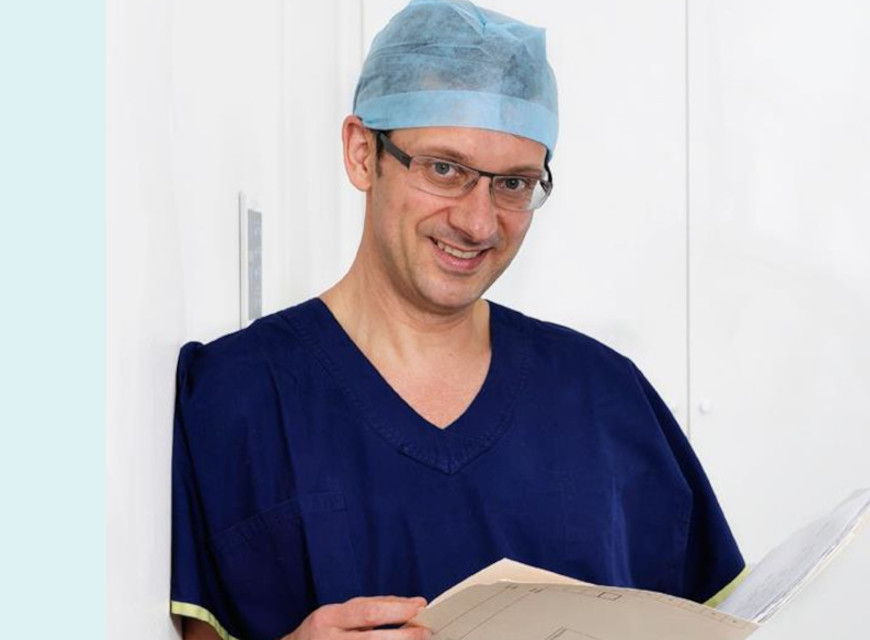
A qualified plastic surgeon who operates with care and integrity, based in central Sydney with over 20 years of experience in the cosmetic field. His extensive training and experience assures patients they are in highly trained surgical hands. Dr. Kohout is a dedicated, friendly professional who is committed to providing the high quality care, support and results, alongside his compassionate team.

Dr Mark Kohout (MED0001133000)
Specialist Plastic Surgeon
Specialist registration in Surgery – Plastic Surgery

This website contains imagery which is only suitable for audiences 18+. All surgery contains risks, read more here.

X

Get Your Cost of Surgery Guide

Get Your Facial Aesthetic

Get Your Breast Implant Removal

Get Your Female Genital Surgery Guide

Get Your Excess Skin Guide

Get Your Gynaecomastia Guide

Get Your Liposuction Guide

Get Your Abdominoplasty Guide

Get Your Breast Implant Replace Guide

Get Your Breast Reduction Guide

Get Your Breast Augmentation Guide

Make an Enquiry