



Dr Mark Kohout is a Specialist Plastic Surgeon in Sydney who provides a range of plastic surgery procedures for adult patients. He is accredited in Australia and focuses on detailed consultation, clear communication and careful planning, so that each person has the information they need to make informed choices about surgery.
Hymenoplasty, sometimes called hymen repair, is a procedure that aims to reconstruct a ring of tissue at the entrance of the vagina to resemble a hymen. People may consider this operation for cultural, religious, social or personal reasons, and these motivations are discussed privately and respectfully during consultation.
Like any surgery, hymenoplasty has limits and involves potential risks, including bleeding, infection, scarring and variable healing. The FAQs below are designed to give an overview of common questions about safety, preparation, the operation itself and recovery, but they do not replace an individual medical assessment.
Every patient’s anatomy, health history and circumstances are different, so an in-person consultation with Dr Kohout is important before deciding whether hymenoplasty is appropriate. During this visit, your questions can be addressed in detail, and you can take time afterwards to consider your options, including choosing not to have surgery.
Hymenoplasty Safety and Candidacy FAQs
What is hymenoplasty?
Hymenoplasty is a surgical procedure that reconstructs a ring of tissue at the entrance of the vagina to resemble a hymen. The operation is performed using fine stitches to bring existing tissue together or create a small membrane-like area.Why do some people consider hymenoplasty?
People may request hymenoplasty for cultural, religious, social or deeply personal reasons. It is important to discuss your reasons privately with your surgeon so they can understand your goals and provide tailored information.Who may be a suitable candidate for hymenoplasty?
A suitable candidate is generally an adult in good overall health who understands the procedure, its limits and possible risks. An in-person consultation is needed to assess your anatomy, medical history and expectations.Are there medical reasons hymenoplasty may not be recommended?
Certain medical conditions, bleeding disorders, untreated infections or significant gynaecological problems may make hymenoplasty unsuitable. Your surgeon will review your medical history and may request additional tests or input from your GP or gynaecologist if needed.Is hymenoplasty considered a low-risk operation?
Like any surgical procedure, hymenoplasty carries risks such as bleeding, infection, delayed healing and scarring. Your surgeon will explain these risks in detail and outline steps taken in the clinic and theatre to support your safety.Does hymenoplasty affect menstruation?
Hymenoplasty is designed so that menstrual blood can still pass through the vaginal opening. Your surgeon will discuss timing the procedure around your menstrual cycle and how to manage periods during the recovery period.Will hymenoplasty change sexual sensation?
Most patients do not report major changes in overall sexual sensation after the area has fully healed. However, any surgery in this region can potentially affect sensation, and this possibility should be discussed carefully during consultation.Can I have hymenoplasty if I have had childbirth or previous vaginal surgery?
In many cases hymenoplasty can be performed after vaginal childbirth or previous gynaecological procedures, but the approach may need to be adjusted. An examination is required so your surgeon can advise whether the procedure is technically feasible and what result may be realistic.How private is the consultation and surgery?
Consultations and surgery are conducted in a confidential medical setting, and your personal information is managed in line with privacy regulations. Only the clinical team involved in your care will have access to your records.How do I decide if hymenoplasty is the right option for me?
Deciding on hymenoplasty is a personal choice that should be made after receiving clear information about alternatives, risks and likely outcomes. A thorough consultation allows you to ask questions and reflect on whether surgery aligns with your values and circumstances.Getting Ready for Hymenoplasty FAQs
What happens at the initial hymenoplasty consultation?
At your consultation, Dr Kohout will take a detailed medical history, discuss your reasons for considering hymenoplasty and examine the area. You will have the opportunity to ask questions and review what the surgery involves, including anaesthesia, risks and recovery.What medical information should I provide before surgery?
You should share details of any medical conditions, medications, supplements, allergies and previous operations. It is particularly important to mention blood-thinning medicines and any history of bleeding or clotting problems.Do I need to stop any medications before hymenoplasty?
Some medications and supplements, especially blood thinners and certain herbal products, may need to be reduced or stopped before surgery. Your surgeon will advise you in writing and may liaise with your GP or specialist where necessary.Should I stop smoking or vaping before surgery?
Nicotine can affect blood flow and wound healing, which can increase the chance of complications. You will usually be advised to avoid smoking, vaping and nicotine products for a period before and after surgery.Is there a best time in my menstrual cycle to schedule hymenoplasty?
Hymenoplasty is often scheduled away from your menstrual period to reduce the risk of bleeding and make post-operative care simpler. Your surgeon will help you choose a suitable time based on your cycle and personal timetable.Can I travel shortly before or after hymenoplasty?
Long trips or flights may need to be planned carefully around surgery to reduce discomfort and medical risks. Check with your surgeon about safe timeframes for domestic or international travel, particularly if flying.What practical arrangements should I make for the day of surgery?
You will usually need someone to accompany you home after anaesthesia and stay with you for at least the first night. It is also helpful to prepare loose, comfortable clothing and sanitary pads in advance.Will I need to fast before the procedure?
If you are having sedation or a general anaesthetic, you will be given clear instructions about when to stop eating and drinking before surgery. Following these guidelines is important for your safety during anaesthesia.Do I need to remove pubic hair before hymenoplasty?
Your surgeon or nursing staff will advise whether any hair trimming is required and how to do this safely. In some cases it may be performed in the hospital or clinic immediately before surgery.How can I mentally prepare for hymenoplasty?
Many patients find it helpful to write down their questions and discuss any concerns at the pre-operative visit. Taking time to think about your reasons for surgery and speaking openly with your surgeon can support realistic expectations.Risks, Limits and Expected Outcomes FAQs
What are the main risks of hymenoplasty?
Risks can include bleeding, infection, delayed wound healing, discomfort, scarring and asymmetry. There is also a chance that the tissue may not behave as expected during future sexual activity.Can hymenoplasty guarantee a particular appearance or bleeding pattern?
No surgical procedure can guarantee a specific appearance or that bleeding will occur during intercourse. Hymenoplasty aims to recreate a ring of tissue, but individual anatomy and healing vary from person to person.Will there be visible scars after hymenoplasty?
Any surgery can leave scar tissue, but in hymenoplasty the stitches are placed internally where they are usually not visible externally. Over time, internal tissues often soften, although some firmness or irregularity may remain.How long do hymenoplasty results usually last?
The reconstructed tissue is generally designed to remain in place until it is stretched or torn by intercourse or another event. However, the way tissue responds over time is individual, and results may differ between patients.Can hymenoplasty be repeated if needed?
In some situations, a revision procedure may be possible if tissue has healed differently than expected or if you are considering further surgery. Your surgeon would need to examine the area and discuss potential benefits and limitations.Does hymenoplasty affect future childbirth?
Hymenoplasty is performed at the vaginal opening and does not typically interfere with future pregnancy or childbirth. Your obstetric team may not need to know about the procedure, but you can choose to share this information if you wish.What if I am not satisfied with the outcome?
If you are concerned about the appearance or feel of the area once healing is complete, you should arrange a follow-up appointment. Your surgeon can examine the tissue, explain what is within normal healing range and discuss any possible options.Can hymenoplasty affect my emotional wellbeing?
Some patients feel relieved after surgery, while others may still have mixed or complex emotions. It is important to understand that surgery addresses physical tissue and does not necessarily resolve broader social or psychological pressures.How common are complications after hymenoplasty?
Most patients heal without major problems, but complications can occur with any operation. Your surgeon will explain the likelihood of different issues and what would be done if a complication arises.Are there alternatives to hymenoplasty?
Alternatives may include counselling, relationship or cultural support, or choosing not to have any procedure. Discussing your situation in depth can help you understand all options before deciding whether surgery aligns with your needs.What Happens During Hymenoplasty Surgery FAQs
Where is hymenoplasty performed?
Hymenoplasty procedure is usually carried out in a day-surgery facility or hospital setting that meets appropriate accreditation standards. You can generally go home the same day once you have recovered from anaesthesia.
What type of anaesthesia is used for hymenoplasty?
The procedure may be performed under local anaesthetic with sedation or under a general anaesthetic, depending on your preferences and medical suitability. Your anaesthetist will discuss options with you before surgery.
How long does the surgery take?
The operation itself typically takes less than one hour, although you should allow extra time for admission, preparation and recovery. You will be monitored in the recovery area until you are well enough to go home.
What surgical technique is used in hymenoplasty?
The surgeon works with existing tissue at the vaginal entrance, gently freshening the edges and bringing them together with fine dissolving stitches. In some cases, small flaps of vaginal lining are used to create a membrane-like ring.
What kind of stitches are used, and will they need to be removed?
Dissolving sutures are commonly used so that no stitch removal is required. These usually soften and fall away on their own over several weeks.
Will I feel pain during or immediately after the procedure?
Anaesthesia is used during surgery so you should not feel sharp pain at the time of the operation. Some discomfort or cramping is expected afterwards and is usually managed with prescribed or over-the-counter pain relief.
How much bleeding should I expect straight after surgery?
Mild spotting or light oozing is common in the first few days. Heavier bleeding, particularly with clots or dizziness, should be reported to your surgeon or the hospital promptly.
Can hymenoplasty be combined with other genital procedures?
Sometimes hymenoplasty is performed alone, and in other cases it may be done at the same time as other procedures if medically appropriate. Your surgeon will advise whether combining procedures is suitable for you based on your health and goals.
Who will be present in the operating theatre?
The team usually includes your surgeon, an anaesthetist and nursing staff with roles in patient care and instrument management. Only essential clinical staff are present to maintain privacy and safety.
When will I be able to go home after hymenoplasty?
Most patients go home the same day once they are comfortably awake, have stable observations and have passed initial checks. You will need a responsible adult to accompany you and stay with you for a period after discharge.
Recovery After Hymenoplasty FAQs
What can I expect in the first few days after hymenoplasty?
It is common to experience mild to moderate discomfort, swelling and spotting in the early days. Rest, pain relief as directed and careful hygiene are important during this time.How should I look after the area while it is healing?
You will be given written instructions about washing, drying and keeping the area clean, as well as guidance on sanitary products. Avoiding tight clothing and activities that place pressure on the area can support more comfortable healing.How long before I can return to work or study?
Many patients return to non-physical work or study within several days, depending on their comfort level. Roles that involve heavy lifting or intense physical activity may require a longer break.When can I resume exercise and sports after hymenoplasty?
Gentle walking is usually encouraged early, but more strenuous exercise, cycling, horse riding and similar activities should be delayed. Your surgeon will provide a timeframe for gradually increasing activity depending on your healing progress.When is it usually safe to have sexual intercourse after hymenoplasty?
Sexual intercourse is generally delayed for several weeks to allow the tissue to heal and the stitches to dissolve. You will be advised at your follow-up visit when it is medically appropriate to resume sexual activity.What symptoms are normal, and what should concern me?
Mild swelling, bruising and occasional twinges of discomfort are common during early healing. Increasing pain, foul-smelling discharge, high fever or heavy bleeding are not typical and should prompt urgent contact with your surgeon or an emergency service.Will I need follow-up appointments after hymenoplasty?
Yes, follow-up visits are important to check the surgical site, remove any remaining external sutures if used and answer further questions. The timing and number of appointments will depend on your individual healing.Can I use tampons after hymenoplasty?
You will usually be advised to avoid tampons and internal products for a period while the tissue heals. Your surgeon will let you know when it is appropriate to return to your usual menstrual products.How long does it take to feel fully healed?
Initial healing often occurs within a few weeks, but internal tissues can continue to settle over several months. Most day-to-day activities gradually become more comfortable as swelling and tenderness reduce.What should I do if I live far from Sydney and have concerns during recovery?
If you live remotely, you may be able to arrange some follow-up by phone or video in addition to in-person visits. You will also be given instructions on who to contact if urgent issues arise and when to seek help locally.How Hymenoplasty Is Planned and Performed
At Dr Kohout’s practice, hymenoplasty begins with a private, face-to-face consultation to understand your reasons for considering surgery, review your general health and examine the area. This appointment is structured to outline what the procedure involves, what it can and cannot achieve, and which risks or limitations may be relevant in your situation.
If you decide to proceed, a surgical plan is developed that takes into account your anatomy, timing, anaesthetic preferences and any other procedures that may be considered. Attention is given to privacy, appropriate hospital or day-surgery facilities, infection control measures and post-operative care instructions to support a smooth peri-operative course.
Follow-up appointments are arranged so that healing can be monitored, questions can be revisited and any concerns addressed promptly. Throughout the process, you are encouraged to raise practical, cultural or emotional considerations so that these can be taken into account when planning and reviewing your care.
Arranging a Hymenoplasty Consultation and Planning Your Care
If you are thinking about hymenoplasty in Sydney, a confidential consultation with Dr Mark Kohout is usually the next step. This meeting allows you to discuss your personal circumstances, ask specific questions about the procedure and explore non-surgical options or alternative forms of support where relevant.
You may find it helpful to write down your questions beforehand and, if you wish, attend with a trusted support person. After the consultation, you can review the written information provided, consider the risks and likely course of recovery, and decide whether to proceed, seek a second opinion or defer surgery.
When you are ready, the practice team can discuss available dates, fees, hospital or day-surgery arrangements and any pre-operative tests that may be required. You will also receive instructions about preparation, medication adjustments and follow-up scheduling so that you have a clear outline of what to expect at each stage of your care.
Further Reading
- Read more about Genital Surgery In Sydney
- Read more about Labiaplasty Sydney
- Read more about Vaginoplasty Sydney
- Read Dr Mark Kohout’s Blog on Return To Exercise After Labioplasty
- Read Dr Mark Kohout’s Blog on Will Medicare Cover My Labiaplasty?
Related Blog Posts
Will Medicare Cover My Labiaplasty?
Labiaplasty is a surgical procedure that involves reshaping or reducing the labia minora or labia majora. While some individuals consider this surgery for aesthetic preferences, others pursue it to address…

Returning To Exercise After Plastic Surgery
Plastic surgery is a significant decision that involves not only the procedure itself but also a thoughtful and well-managed recovery process. One of the most common concerns patients have is…

Return To Exercise After Labioplasty
Labioplasty is a surgical procedure designed to alter the size or shape of the labia minora or labia majora. For many patients in Sydney, particularly those with active lifestyles, one…
Experienced Plastic Surgeon
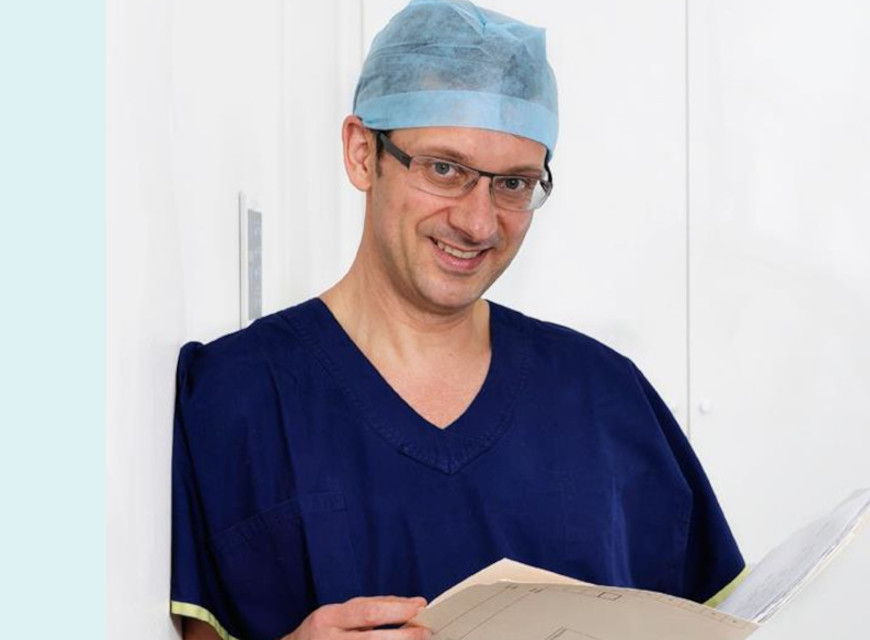
Dr. Mark Kohout
A qualified plastic surgeon who operates with care and integrity, based in central Sydney with over 20 years of experience in the cosmetic field. His extensive training and experience assures patients they are in highly trained surgical hands. Dr. Kohout is a dedicated, friendly professional who is committed to providing the high quality care, support and results, alongside his compassionate team.
Dr Mark Kohout (MED0001133000)
Specialist Plastic Surgeon
Specialist registration in Surgery – Plastic Surgery