

Abdominoplasty is a surgical procedure performed to address excess abdominal skin and support abdominal wall contouring. As with any surgery, a period of healing follows – and for most patients, swelling and bruising are part of the recovery process. These changes can vary significantly between individuals, but they are considered a natural part of tissue response to surgery.
This guide, created in collaboration with Dr Mark Kohout, Plastic Surgeon based in Sydney, focuses specifically on managing bruising and swelling after abdominoplasty. It aims to help patients understand what to expect, what is considered normal, and which practices may support recovery. With professional insight and a focus on evidence-informed care, this article serves as a detailed resource for anyone preparing for abdominoplasty in Sydney. By understanding the physiological processes behind post-operative symptoms, patients can take a more proactive and informed approach to recovery.
Why Bruising Happens After Abdominoplasty
Bruising is a predictable outcome following surgical procedures, including abdominoplasty. During surgery, blood vessels beneath the skin may be disrupted as tissues are carefully adjusted. The leakage of small amounts of blood into surrounding tissues results in visible discolouration-commonly referred to as bruising. In this context, bruising is not typically a sign of a complication but rather a common physiological response to controlled tissue manipulation.
The body then metabolises the blood over time, causing the bruise to change colour from dark purple or red to green, yellow, and eventually fade. This process is known as the resolution phase of bruising, and it’s a sign of the body’s healing mechanisms in action. The enzymes involved in breaking down haemoglobin are responsible for these colour changes, and their activity reflects the gradual clearance of blood components from the tissues.
The degree of bruising can also be impacted by a patient’s genetic predisposition, immune response, and lifestyle habits. Smokers, for example, may experience more prolonged bruising due to reduced tissue oxygenation. Patients who engage in strenuous activity too early can also experience worsened discolouration, as increased blood pressure may affect areas that are still healing. Effective planning, conservative activity, and adherence to medical advice all contribute to a smoother progression of bruising resolution.
Swelling And Bruising: What Is Normal And When It Occurs
Bruising typically appears within the first two days following surgery and may peak around day three to five. In most cases, it gradually improves over two to three weeks. The location of bruising often corresponds with the area of surgery and can also migrate downward due to gravity. This is especially noticeable in procedures involving extensive tissue mobilisation, where bruising can settle in areas beyond the direct surgical site.
Swelling, often more persistent than bruising, is common in the abdominal region. It usually peaks in the first week and slowly decreases over time. Mild swelling, particularly in the lower abdomen or around the incision line, can persist for several months. This is partly due to lymphatic disruption, which can delay fluid reabsorption from the tissues. Over time, the lymphatic pathways reroute and restore balance, allowing swelling to subside.
At Dr Mark Kohout’s clinic in Sydney, patients are routinely educated on how to monitor these symptoms, and when needed, further evaluations are offered to ensure swelling is within normal recovery limits. Areas such as the mons pubis or hips may appear fuller temporarily due to post-operative fluid accumulation. For some patients, this may feel unexpected, but it is a recognised part of the post-operative profile and generally improves with time and support measures.
How Dr Mark Kohout Supports Post-Operative Healing In Sydney

Patients receive comprehensive care both before and after surgery. Dr Kohout provides clear guidance on activity restrictions, wound care, and post-operative expectations. In addition to written instructions, in-person reviews ensure that questions can be addressed as recovery progresses. This dual approach helps to reduce uncertainty and allows patients to feel more confident in navigating their healing phase.
This comprehensive care approach reflects Dr Kohout’s commitment to ensuring that every patient in Sydney is well-supported throughout their recovery. Rather than viewing bruising and swelling as purely cosmetic concerns, he views them as important indicators of tissue response, and tracks these closely during follow-up consultations.
Practical Strategies To Help Manage Bruising And Swelling
Follow Your Plastic Surgeon’s Instructions
Following post-operative instructions plays a critical role in recovery quality. These recommendations are designed to prevent complications and optimise healing. At Dr Mark Kohout’s Sydney practice, patients receive guidance specific to their anatomy, procedure type, and health history. Instructions are designed to support wound healing, reduce the risk of bleeding, and maintain the position of the surgical repair during the crucial early days of recovery.
✓ Use Of Compression Garments
Compression garments play a key role in controlling post-operative swelling and supporting soft tissue adherence. Consistent wear, particularly in the early weeks, helps stabilise the healing area and reduces mechanical stress. In addition to limiting swelling, compression garments may also improve comfort and body awareness during movement. These garments are chosen based on fit and functionality, and patients are instructed on how to wear and care for them correctly.
✓ Cold Compress Application (When Approved)
Cold compresses, used selectively in the early post-operative window, can assist in managing inflammation. Cooling the affected area helps reduce capillary leakage, which contributes to swelling and bruising. However, cold application must be used with caution, and only for short intervals, as overuse can lead to reduced blood flow, delaying tissue recovery. For patients in Sydney recovering with Dr Kohout’s supervision, this method is typically discussed during the first follow-up, with precise instructions tailored to the patient’s surgical plan.
✓ Activity Modification And Gentle Movement
Post-surgical movement is essential-but it must be carefully balanced. Walking at a gentle pace can help maintain circulation and reduce the likelihood of clot formation, while excessive motion or strain can place pressure on the healing tissues. Dr Kohout recommends patients avoid bending, twisting, or lifting heavy items for several weeks following surgery. These recommendations may be extended if the surgery involved rectus muscle repair or extensive tissue work.
✓ Nutrition And Hydration
Nutrition supports every phase of healing. A well-balanced diet provides the energy and building blocks necessary for cellular repair. Protein, in particular, is vital for the synthesis of new tissue, while vitamins and minerals assist in immune function and enzymatic repair. Hydration also supports lymphatic flow and skin elasticity, which are both important in managing swelling. In the weeks following surgery, many patients benefit from meals that are easy to digest and rich in natural anti-inflammatory components such as leafy greens, citrus fruits, and omega-3 fatty acids.
✓ Avoiding Blood-Thinning Substances
To support proper clotting and reduce the risk of excessive bruising, patients are advised to avoid substances that can thin the blood. Even natural remedies may impact coagulation, so full disclosure of supplement use is essential. Patients are also encouraged to minimise alcohol intake, which can interfere with hydration and inflammation control. Under Dr Kohout’s care, all medication plans are reviewed prior to surgery and during the follow-up process.
When To Contact Your Plastic Surgeon
Though bruising and swelling are usually within normal recovery boundaries, there are scenarios where medical input is required. Any sudden changes in appearance, persistent or escalating pain, or signs of infection should be addressed promptly. Early identification of complications such as seromas, haematomas, or cellulitis can lead to more effective management.
In Dr Mark Kohout’s Sydney clinic, patients are provided with direct contact information to ensure concerns are addressed without delay. Timely assessment allows reassurance when symptoms are normal, or intervention when necessary. Trust and communication between surgeon and patient are key aspects of post-operative care.
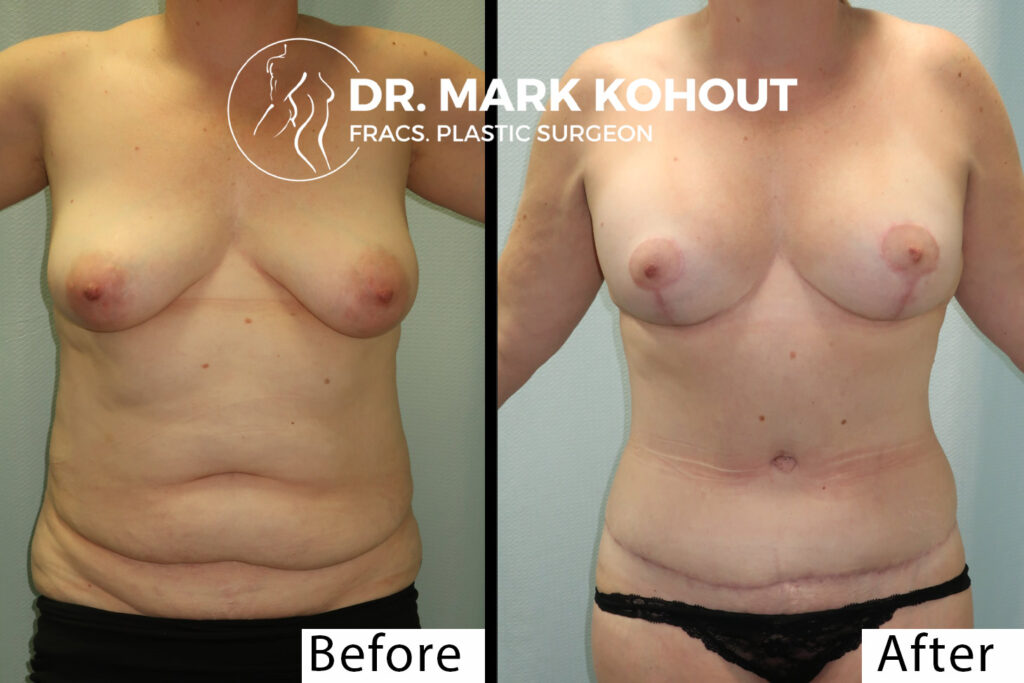
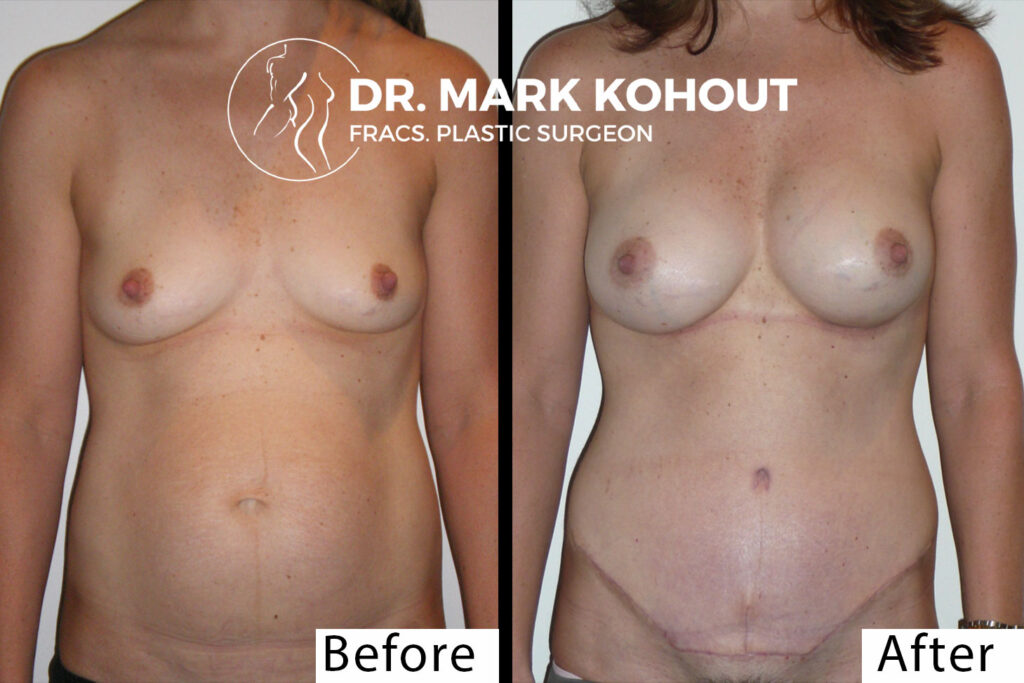
Abdominoplasty Surgery Before and After Images
Healing Expectations: Short- And Long-Term Recovery
Recovery timelines for abdominoplasty are progressive and vary by individual. The first few days are typically marked by significant swelling and bruising, but with consistent care, most patients notice a steady improvement. The acute healing phase generally lasts six weeks, during which patients are guided through incremental activity increases and garment usage.
Over the medium term, swelling tends to resolve, and energy levels begin to return. Most individuals can resume non-strenuous work by four to six weeks, while returning to full physical activity may take several months. At the 12-month mark, scar texture and position continue to evolve, and the final body contour becomes more stable.
Dr Mark Kohout conducts regular reviews during this time to monitor healing progression and provide tailored advice on scar care, physical activity, and long-term support. He places strong emphasis on helping patients develop realistic expectations while appreciating the gradual transformation that takes place over months-not days.
Abdominoplasty In Sydney: Making An Informed Decision
Undergoing abdominoplasty is a decision that should be made with a complete understanding of the surgical and recovery process. Swelling and bruising are normal, but they also reflect the depth and complexity of the changes being made beneath the skin.
In Sydney, patients benefit from access to specialist care, including practitioners like Dr Mark Kohout, who prioritise education, safety, and personalised treatment planning. Each consultation is an opportunity to discuss candidly what the procedure involves, the expected recovery path, and how individual characteristics might influence outcomes.
This thoughtful approach empowers patients to make decisions grounded in medical insight and practical planning-ensuring that aesthetic goals are balanced with safe and supported healing.
About Dr Mark Kohout - Plastic Surgeon In Sydney
Dr Mark Kohout is a Plastic Surgeon based in Sydney, with decades of experience in abdominoplasty and a wide range of other surgical procedures. A Fellow of the Royal Australasian College of Surgeons (FRACS), Dr Kohout brings academic training, clinical experience, and patient-focused care to each procedure he performs.
His practice is grounded in ethical decision-making, thorough pre-operative assessment, and clear communication. With a commitment to ongoing education and compliance with Australian surgical standards, Dr Kohout offers patients an approach that is medically sound and personally responsive.
Patients undergoing surgery under his care receive more than technical expertise-they receive comprehensive support from initial consultation through to final review, ensuring continuity and clarity throughout their recovery.
FAQs About Swelling And Bruising After Abdominoplasty
Is It Normal For Bruising To Worsen Before It Improves?
Yes, bruising often becomes more pronounced a few days after surgery before it begins to fade. This progression is a typical part of the healing process and is caused by the breakdown of blood pigments in the tissue.Why Does My Bruising Look Lower Than My Incision?
Bruising can migrate downward due to gravity, especially in the abdominal region. It’s not uncommon for discolouration to appear in areas not directly treated during surgery.Can Sleeping Position Affect Swelling And Bruising?
Yes. Sleeping with your upper body slightly elevated and knees bent can reduce tension on the incision and support better fluid drainage, which may minimise swelling and bruising.What If Only One Side Appears More Swollen Or Bruised?
Some asymmetry in healing is normal. One side of the abdomen may experience more tissue manipulation during surgery, leading to slightly different healing responses. Contact your surgeon if the difference becomes sudden or severe.Do Compression Garments Help With Bruising As Well As Swelling?
While primarily used to control swelling, compression garments can also support bruised tissues by reducing movement and mechanical stress, which may help with discomfort and stabilise the healing area.How Long Should I Expect Skin Discolouration To Persist?
Most bruising fades within two to three weeks, but residual yellow or brownish discolouration may last a bit longer. The total duration can vary depending on individual healing rates and post-operative care.Can Gentle Massage Or Lymphatic Drainage Help Reduce Swelling?
In some cases, lymphatic drainage techniques may be introduced later in recovery, under surgeon supervision. However, they should never be self-initiated and must be approved by your provider to ensure safety.Medical References
- A Primer on Abdominoplasty Safety https://pmc.ncbi.nlm.nih.gov/articles/PMC11629367/
- Tummy tuck – Mayo Clinic https://www.mayoclinic.org/tests-procedures/tummy-tuck/about/pac-20384892
- Abdominoplasty – StatPearls, NCBI Bookshelf https://www.ncbi.nlm.nih.gov/books/NBK431058/
- New Approaches to Abdominoplasty — Cleveland Clinic https://consultqd.clevelandclinic.org/new-approaches-to-abdominoplasty
- Abdominoplasty (tummy tuck) — Better Health Channel https://www.betterhealth.vic.gov.au/health/conditionsandtreatments/abdominoplasty-tummy-tuck
- Does Scarpa’s Fascia Preservation in Abdominoplasty Reduce Seroma? https://academic.oup.com/asj/article/43/7/NP502/7028701
- Update of Our Knowledge about Abdominoplasty in Kinshasa https://www.scirp.org/journal/paperinformation?paperid=141273
Supporting A Thoughtful Recovery Journey
Managing bruising and swelling after abdominoplasty is not only about symptom control-it is about participating actively in a well-structured recovery. Patients who understand the stages of healing and follow their surgeon’s recommendations are best placed to navigate the process with clarity and confidence.
For those in Sydney, working with a specialist like Dr Mark Kohout provides reassurance that their care is grounded in experience, compassion, and a deep understanding of surgical recovery. From pre-operative planning to long-term follow-up, every aspect of the journey is managed with professionalism and attentiveness.
Healing is a process that unfolds over time. With the right information and a supportive clinical team, patients can focus on recovery while feeling assured that their care is well considered and closely monitored.
Further Reading
- Read Dr Kohout’s Blog on Healing After Abdominoplasty: Key Steps for Effective Recovery
- Read Dr Kohout’s Blog on Diet After Abdominoplasty / Tummy Tuck: What to Eat when
- Read Dr Kohout’s Blog on Tips to Help Maintain Your Abdominoplasty / Tummy Tuck Results
Related Blog Posts
Diet After Abdominoplasty / Tummy Tuck:…
If you have just had a tummy tuck surgery (also called abdominoplasty), you are probably looking forward to getting back to your regular routine again. While the recovery process can take…
Techniques in Tummy Tuck – Abdominoplasty:…
Popular Abdominoplasty Techniques in 2025 The field of tummy tuck – abdominoplasty surgery continues to advance, offering patients diverse options. In this blog, Sydney Plastic Surgeon Dr Mark Kohout will discuss some of the…
Compression Therapy After Abdominoplasty / Tummy…
Abdominoplasty, commonly referred to as a tummy tuck, is a well-known cosmetic operation focused on enhancing the look of the stomach. A tummy tuck surgery in Sydney can result in…
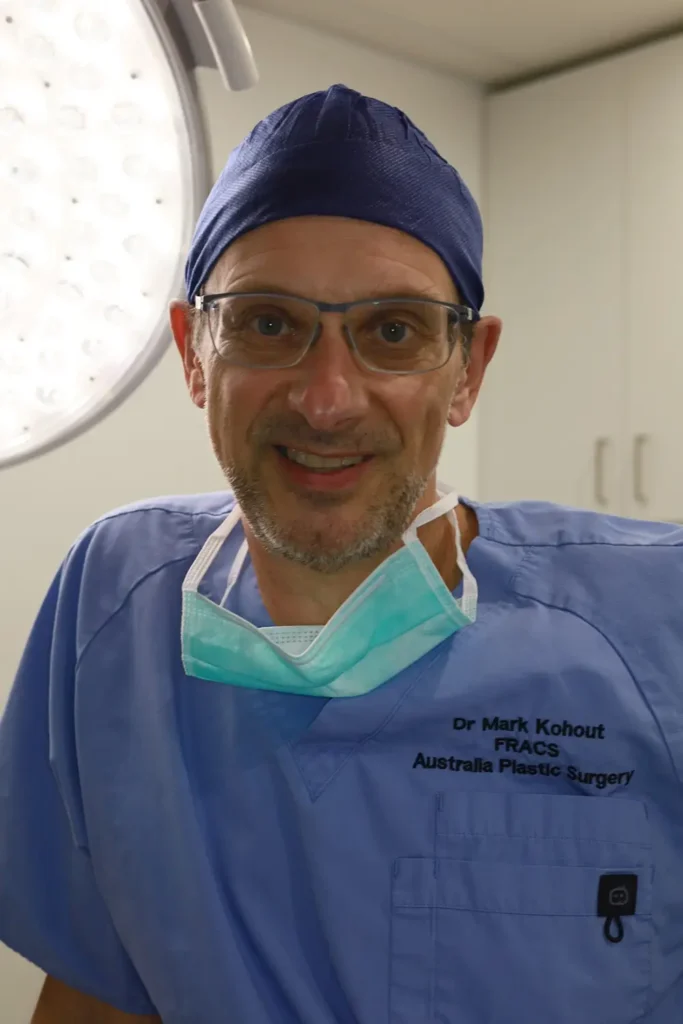
Experienced Plastic Surgeon
Dr. Mark Kohout
A qualified plastic surgeon who operates with care and integrity, based in central Sydney with over 20 years of experience in the cosmetic field. His extensive training and experience assures patients they are in highly trained surgical hands. Dr. Kohout is a dedicated, friendly professional who is committed to providing the high quality care, support and results, alongside his compassionate team.
Dr Mark Kohout (MED0001133000)
Specialist Plastic Surgeon
Specialist registration in Surgery – Plastic Surgery