

Dr Mark Kohout

Return To Exercise After Abdominoplasty

doctor working
Home » Blog » Return To Exercise After Abdominoplasty
Return To Exercise After Abdominoplasty - Dr Mark Kohout

Table of Contents

Resuming Activity Under Experienced Surgical Guidance​

Dr Mark Kohout, Specialist Plastic Surgeon in Sydney, works closely with patients to develop safe, progressive exercise plans following abdominoplasty. This surgical procedure, which involves tightening the abdominal wall and removing excess skin, requires a structured recovery to protect the surgical repair and promote optimal healing. The early weeks are crucial for laying the foundation for recovery, and each individual’s experience will differ. By understanding the stages of healing and the principles behind safe activity progression, patients can return to exercise with greater awareness and control, always guided by their surgeon.

Download Dr Mark Kohout’s Abdominoplasty Surgery Guide

Understanding Abdominoplasty And Recovery Needs​

Abdominoplasty reshapes and firms the abdominal region by repairing weakened or separated muscles and removing excess skin. In the immediate post-surgical period, tissues are vulnerable, with reduced core stability and sensitivity in the abdominal area. Swelling, stiffness, and temporary changes in posture are common. Gentle, progressive movement is important for maintaining circulation, reducing the risk of complications such as deep vein thrombosis, and preventing deconditioning of the rest of the body. At the same time, care must be taken to avoid excessive strain on healing structures, as this can interfere with internal repairs and scar development.

Factors That Influence Recovery Timelines​

Recovery after abdominoplasty is shaped by a combination of personal health factors, the complexity of the procedure, and lifestyle habits. Patients in good general health may notice steadier progress, but there are always variations. The extent of surgical correction, including any combined procedures, can lengthen recovery needs. Those who maintained strength and mobility before surgery often find it easier to resume light activity, though gradual progression remains essential. Nutrition, hydration, and quality sleep support the body’s repair processes, while strict adherence to post-operative instructions helps avoid setbacks.

Week-By-Week Return To Exercise​

In the first two weeks after surgery, the focus is on rest, gentle mobility, and protecting the repair site. Short walks around the home or garden encourage blood flow and reduce stiffness, while maintaining good posture helps limit strain on the abdomen. Activities that involve bending, twisting, or tightening the abdominal muscles should be avoided.


During weeks three to six, walking distances can be slowly extended, and non-impact activities such as stationary cycling may be considered if approved by the surgeon. Gentle arm and shoulder mobility work can keep the upper body active without stressing the abdomen.


By weeks six to eight, patients who have healed steadily may begin introducing light resistance exercises for other muscle groups, always starting with low loads and controlled movements. Cardiovascular sessions can be lengthened, but intensity should remain moderate, and the abdomen should still be protected from direct strain.


From eight to twelve weeks onward, patients may gradually resume core activation exercises, beginning with deep stabilising muscles such as the transversus abdominis. Returning to previous fitness routines should be done in stages, with careful attention to form and the body’s feedback.

Safety Principles​

Recovery should always follow the pace set by your surgeon’s recommendations. Any sign of pain, swelling, redness, or changes at the incision site should prompt a pause in activity and a review appointment. Progression in exercise intensity should only occur after medical clearance during follow-up visits. It is important not to compare recovery to others, as each patient’s healing process is influenced by many factors, and timelines vary widely.

Risks Of Resuming Exercise Too Soon​

Starting strenuous activities prematurely can lead to wound healing problems, persistent swelling, and damage to the internal muscle repair. High-impact exercises, heavy weightlifting, and intense abdominal workouts are particularly risky in the early months and should only be introduced when the surgeon confirms that the body is ready for them.

Maintaining Results Through Lifestyle​

When healing is complete, regular physical activity plays a key role in supporting the outcomes of abdominoplasty. A balanced exercise program that includes cardiovascular fitness, muscle strengthening, and flexibility training can help maintain abdominal wall stability and overall wellbeing. Pairing activity with sound nutrition, adequate fluid intake, and attention to posture creates a foundation for long-term health benefits.

Local Recovery Considerations For Sydney Patients​

Sydney’s climate and outdoor spaces offer opportunities for gentle recovery activities year-round. Many patients enjoy walking along coastal paths or in local parks as part of their rehabilitation. Access to physiotherapy and aquatic therapy facilities throughout the city can provide additional safe options for movement. During warmer months, wearing breathable clothing and applying sun protection is important for comfort and incision care.

Ongoing Professional Guidance​

Dr Mark Kohout, Specialist Plastic Surgeon in Sydney, provides continued support from the early days after surgery through to full recovery. Follow-up appointments allow for assessment of healing progress, adjustment of activity recommendations, and discussion of any concerns. This ongoing professional involvement ensures that each stage of exercise reintroduction is safe and effective.

FAQs About Returning To Exercise After Abdominoplasty​

How can I tell if my body is ready for more challenging exercises after surgery? Patients can look for signs such as absence of pain or swelling after light activity, stable incision healing, and clearance from their surgeon during a follow-up visit. Gradual progression is always recommended.
What signs during a workout suggest I should stop immediately and rest? Sharp pain, increased swelling, redness around the incision, or a pulling sensation in the abdomen are indicators to stop and seek review before resuming activity.
Are there specific movement patterns I should focus on to protect the abdominal repair long-term? Yes. Emphasising controlled, slow movements, maintaining upright posture, and activating deep core muscles such as the transversus abdominis can support long-term abdominal stability.
How might the weather in Sydney affect my choice of recovery exercises? Warm, humid days may require scheduling exercise during cooler parts of the day, wearing breathable clothing, and ensuring adequate hydration. Cooler months may be more comfortable for outdoor walking.
Is swimming a safe option once my incisions have healed? Swimming can be considered once the incision is fully closed and cleared by your surgeon. It offers low-impact movement that avoids excessive abdominal strain.
What adjustments can I make to my usual training routine to suit my post-surgery needs? Lowering weights, reducing workout duration, and avoiding high-impact or twisting movements can help adapt training while healing. Exercises can be modified to focus on areas away from the abdomen.
How can I maintain fitness while avoiding direct strain on my abdomen in the early stages of recovery? Low-impact cardio such as walking or stationary cycling, combined with gentle upper-body mobility work, can maintain overall fitness without placing stress on the abdominal repair.
Medical References

Next Steps​

If you are considering or recovering from abdominoplasty, arranging a consultation with Dr Mark Kohout can help you develop an exercise plan suited to your individual healing process. For further details and to make an appointment, contact us.

Further Reading

Related Blog Posts

Diet After Abdominoplasty / Tummy Tuck: What to Eat when

Diet After Abdominoplasty / Tummy Tuck:…

If you have just had a tummy tuck surgery (also called abdominoplasty), you are probably looking forward to getting back to your regular routine again. While the recovery process can take…
Techniques in Tummy Tuck – Abdominoplasty: What’s New in 2025

Techniques in Tummy Tuck – Abdominoplasty:…

Popular Abdominoplasty Techniques in 2025 The field of tummy tuck – abdominoplasty surgery continues to advance, offering patients diverse options. In this blog, Sydney Plastic Surgeon Dr Mark Kohout will discuss some of the…
Compression Therapy After Abdominoplasty / Tummy Tuck Surgery

Compression Therapy After Abdominoplasty / Tummy…

Abdominoplasty, commonly referred to as a tummy tuck, is a well-known cosmetic operation focused on enhancing the look of the stomach. A tummy tuck surgery in Sydney can result in…
Experienced Plastic Surgeon

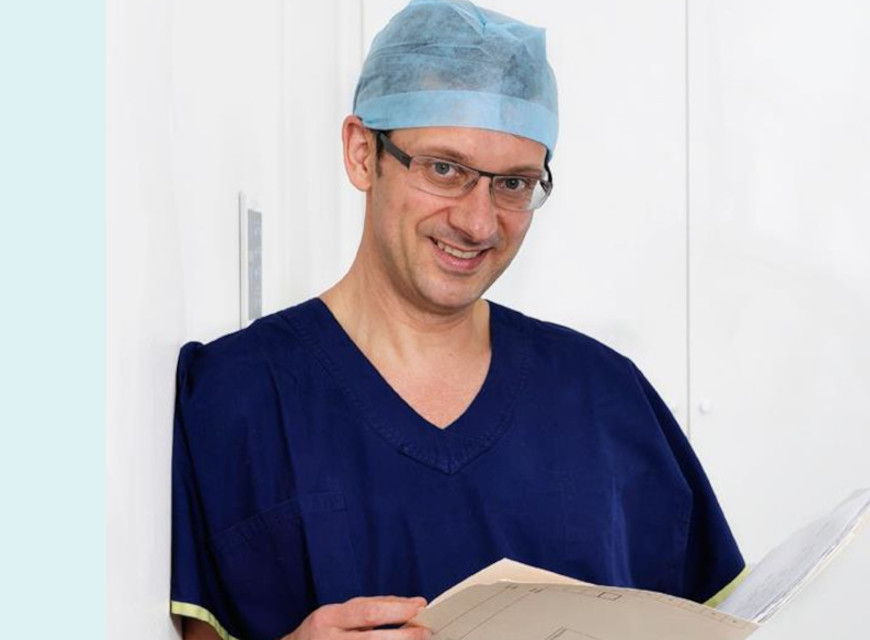
Dr. Mark Kohout

A qualified plastic surgeon who operates with care and integrity, based in central Sydney with over 20 years of experience in the cosmetic field. His extensive training and experience assures patients they are in highly trained surgical hands. Dr. Kohout is a dedicated, friendly professional who is committed to providing the high quality care, support and results, alongside his compassionate team.

Dr Mark Kohout (MED0001133000)
Specialist Plastic Surgeon
Specialist registration in Surgery – Plastic Surgery

This website contains imagery which is only suitable for audiences 18+. All surgery contains risks, read more here.

X

Get Your Abdominoplasty Guide

Get Your Facial Aesthetic

Get Your Breast Implant Removal

Get Your Female Genital Surgery Guide

Get Your Excess Skin Guide

Get Your Gynaecomastia Guide

Get Your Liposuction Guide

Get Your Cost of Surgery Guide

Get Your Breast Implant Replace Guide

Get Your Breast Reduction Guide

Get Your Breast Augmentation Guide