Dr Mark Kohout is a Specialist Plastic Surgeon based in Sydney who performs surgery for gynaecomastia, also known as enlarged male breast tissue. He provides detailed assessments that take into account your medical history, lifestyle factors and specific concerns about chest appearance.
Gynaecomastia surgery aims to reduce excess glandular tissue, fat and, where required, skin from the male chest. The procedure is tailored to the degree and type of tissue present and may involve liposuction, direct gland removal or a combination of techniques.
During your consultation, Dr Kohout will discuss the likely causes of your chest changes, including hormonal, medication-related or weight-related factors. He will outline which investigations may be needed, the surgical options available, and the range of possible outcomes so you can weigh up benefits and risks.
The decision to proceed with surgery is individual, and some patients choose to defer or explore non-surgical pathways first. You will have the opportunity to ask questions, review written information, and consider the recovery process before deciding whether gynaecomastia surgery is appropriate for you.
Suitability and Safety Considerations FAQs
Who is a typical candidate for gynaecomastia surgery?
Candidates are usually men with persistent enlargement of breast tissue that has not improved with weight management or medical treatment where indicated. A thorough assessment is needed to exclude underlying medical causes before considering surgery.Is gynaecomastia surgery suitable for teenagers?
In many adolescents, gynaecomastia can improve on its own as hormone levels stabilise. Surgery is generally considered when the condition has been stable for at least 12–18 months and other causes have been assessed by a doctor.Do I need to see my GP or specialist before gynaecomastia surgery?
Yes. It is important to see your GP to review possible hormonal, medication-related or other medical causes for breast enlargement. In some cases, your GP may refer you to an endocrinologist or other specialist before surgery is considered.Can weight loss alone treat gynaecomastia?
If the fullness is mainly due to fatty tissue, weight loss may reduce chest size. True glandular gynaecomastia often persists despite lifestyle changes and may require surgery if it remains a concern.How do I know if my gynaecomastia is caused by hormones or medication?
Your GP can arrange blood tests, review your medications and assess your medical history to identify possible triggers. Adjusting or stopping a medication should only be done under medical supervision.Is gynaecomastia surgery appropriate if I smoke?
Smoking increases the risk of wound healing problems and other complications. Patients are generally advised to stop smoking well before surgery and during the recovery period.Can I have surgery if I have other medical conditions?
Many patients with stable, well-managed medical conditions can still be considered for surgery. A full medical history, examination and sometimes additional tests are required to assess individual risk.Is gynaecomastia surgery considered cosmetic or medically necessary?
This depends on the cause, symptoms, and extent of breast enlargement, as well as individual health fund and Medicare criteria. Dr Kohout can provide information for you to discuss with your GP, insurer or Medicare regarding potential eligibility.Can gynaecomastia surgery be done if my weight is still changing?
It is generally preferable for weight to be stable before surgery, as significant weight changes afterwards can affect the final chest shape. Patients are usually encouraged to reach a maintainable weight range before proceeding.How safe is gynaecomastia surgery in general?
Gynaecomastia surgery is a commonly performed procedure, but all surgery carries risks such as bleeding, infection, scarring and anaesthetic complications. A detailed consultation allows these risks to be discussed in the context of your health and expectations.Preparation for Gynaecomastia FAQs
What happens at the initial consultation with Dr Kohout?
During your consultation, Dr Kohout will examine your chest, review your medical history and discuss your concerns and goals. He will outline suitable surgical options, expected changes, potential risks and the likely recovery process.
Will I need any tests before surgery?
Pre-operative tests may include blood tests, imaging of the breast area and, for some patients, heart or respiratory tests. These investigations help assess fitness for surgery and guide the anaesthetist and surgical team.
Do I need to stop any medications before gynaecomastia surgery?
Certain medicines and supplements, particularly those that affect bleeding or interact with anaesthetic drugs, may need to be paused or adjusted. This should always be done under the guidance of your prescribing doctor and in line with instructions provided by Dr Kohout and the anaesthetist.
How long should I stop smoking or vaping before the procedure?
Patients are usually advised to stop smoking and vaping several weeks before surgery and to avoid them during healing. This supports better blood flow to the tissues and may reduce some complication risks.
Should I avoid alcohol before gynaecomastia surgery?
You will generally be asked to limit or avoid alcohol in the days leading up to surgery, as it can affect anaesthesia, bleeding and hydration. Specific instructions will be provided prior to your operation.
What should I arrange at home before the operation?
It is helpful to set up a comfortable place to rest, organise help with chores for the first few days and prepare loose, front-opening clothing. You will also need a responsible adult to drive you home and stay with you immediately after surgery.
Will I need to fast before gynaecomastia surgery?
Yes. You will receive written guidelines about when to stop eating and drinking prior to your anaesthetic. Following these instructions is important for your safety during the procedure.
Do I need special garments or equipment for after surgery?
Most patients are advised to wear a compression garment on the chest for a period after surgery. This can help support the tissues, limit swelling and improve comfort in the early stages of recovery.
Can I exercise right up until the day of surgery?
Light to moderate exercise after gynaecomastia is often acceptable if you are otherwise well, but very strenuous activity just before surgery is usually discouraged. Your surgeon can provide guidance tailored to your fitness level and health.
What should I bring to hospital on the day?
You may wish to bring comfortable clothing, your compression garment if supplied beforehand, and a list of your usual medications. The hospital will advise on any documentation or additional items required.
Risks, Limitations and Expected Changes FAQs
What are the main risks of gynaecomastia surgery?
Risks include bleeding, infection, delayed wound healing, fluid collection, changes in nipple sensation and visible scarring. There is also a possibility of contour irregularities, asymmetry or the need for revision surgery.
Will I have noticeable scars after gynaecomastia surgery?
Scars are an unavoidable part of any surgery, but their position and extent depend on the technique used. They usually fade over time, although the final appearance varies between individuals.
Can gynaecomastia return after surgery?
In many cases, tissue removal is long lasting, but recurrence can occur, particularly if hormone levels change, certain medications are restarted, or significant weight gain occurs. Your surgeon will discuss factors that may influence the long-term result.
Will my nipples feel different after surgery?
Changes in nipple and chest sensation are common after gynaecomastia surgery and may be temporary or, in some cases, long term. Some patients notice reduced sensation, increased sensitivity or small areas of numbness.
What if my chest is uneven after surgery?
Mild asymmetry is common in the natural chest and may persist after surgery, although the aim is to improve balance. In some cases, revision procedures can be considered if significant contour differences remain.
Can gynaecomastia surgery affect my ability to exercise or lift weights?
After the initial healing period, many patients return to their usual activities following medical clearance. However, very intense chest-focused training may need to be reintroduced gradually to avoid strain on the healing tissues.
Is the result of gynaecomastia surgery immediate?
You will see a reduction in chest fullness soon after surgery, but swelling and bruising can mask the final contour. The chest shape usually settles over several weeks to months as tissues heal and soften.
Are there risks associated with anaesthesia for gynaecomastia surgery?
Yes. Anaesthesia carries risks such as reactions to medications, breathing issues and, rarely, more serious complications, which are carefully assessed by the anaesthetist before surgery. Your individual risk is influenced by your general health, medical history and lifestyle factors.
Can gynaecomastia surgery help with pain or tenderness in the breast area?
Some patients report reduced tenderness when excess glandular tissue is removed, but this cannot be guaranteed. It is important to investigate and treat any underlying medical cause for breast pain before relying on surgery alone.
How realistic should my expectations be about the final outcome?
It is important to understand that surgery can reduce breast tissue and improve contour but cannot create a completely “perfect” chest. A thorough discussion with Dr Kohout can help align what is technically achievable with what you are hoping to see.

During the Gynecomastia Surgery FAQs
What type of anaesthetic is used for gynaecomastia surgery?
Gynaecomastia surgery is most commonly performed under general anaesthesia so you are asleep and comfortable. The anaesthetist monitors you closely throughout the procedure.How is glandular tissue removed?
Glandular tissue is usually removed through a small incision around the areola or in another discreet location on the chest. The aim is to remove enough tissue to reduce the breast while maintaining a natural contour.Is liposuction used in gynaecomastia surgery?
Liposuction is often combined with gland removal to address excess fat and help smooth the transition between the treated area and surrounding chest. The specific approach depends on the distribution of tissue and your chest shape.How long does gynaecomastia surgery take?
The duration varies according to the extent of tissue to be addressed and whether one or both sides are treated. Your surgeon can give a more specific timeframe based on your individual surgical plan.Will I have drains after surgery?
In some cases, small drains are placed to remove excess fluid or blood from under the skin. Whether drains are used depends on the extent of surgery and your surgeon’s preference.Can the nipples be repositioned during gynaecomastia surgery?
If there is significant skin excess or drooping, nipple position may be adjusted as part of the procedure. This is planned carefully to suit your chest anatomy and the amount of tissue removed.Will stitches need to be removed after surgery?
Some sutures dissolve on their own, while others may need to be removed at a follow-up visit. You will be given clear instructions on wound care and the timing of any suture removal.Is gynaecomastia surgery performed as day surgery?
Many patients go home on the same day, while others may stay overnight depending on the extent of surgery and their health. This will be discussed with you as part of your pre-operative planning.How is bleeding controlled during the procedure?
Bleeding is managed with careful surgical technique, cautery and, if needed, drains to reduce fluid build-up. Despite these measures, bleeding can still occur and may occasionally require additional treatment.Can gynaecomastia surgery be combined with other procedures?
Some patients choose to have additional procedures such as abdominal or flank contour surgery at the same time. Combining operations can increase overall operative time and may affect recovery, so the pros and cons need to be weighed carefully.Recovery and Aftercare FAQs
What can I expect in the first few days after surgery?
You can expect some discomfort, swelling and bruising, which are usually managed with medication and supportive garments. Most patients are encouraged to rest, limit arm movements and follow wound care instructions closely during this time.How long will I need to wear a compression garment?
Compression garments are typically worn for several weeks after surgery, although this can vary. They help support the healing tissues and may reduce swelling and movement of the operated area.When can I return to work after gynaecomastia surgery?
Return to work depends on the nature of your job and your individual recovery. Patients with desk-based roles may return earlier than those whose work involves heavy lifting or physical activity.When can I resume exercise and gym training?
Gentle walking is often encouraged early on, but more vigorous exercise and upper body training should wait until cleared by your surgeon. This usually occurs several weeks after surgery, once tissues are sufficiently healed.How should I sleep after gynaecomastia surgery?
You are usually advised to sleep on your back with your upper body slightly elevated for a period after surgery. This position can help reduce swelling and avoid pressure on the chest.What signs after surgery should prompt me to contact the clinic or hospital?
Sudden swelling, increasing pain, fever, redness spreading around the wounds or fluid leaking from the incisions may indicate a complication and should be assessed promptly. You will be given emergency contact details and instructions on when to seek help.How long will swelling and bruising last?
Bruising typically settles over a couple of weeks, while deeper swelling may take longer to fully resolve. The chest contour usually refines over several months as tissues soften and adjust.Will I need follow-up appointments with Dr Kohout?
Yes. Follow-up visits allow your wounds, scars and overall recovery to be monitored, and any questions about activity, scarring or longer-term outcomes can be addressed.Can I go out in the sun after gynaecomastia surgery?
It is important to protect healing scars from sun exposure by covering them or using high-SPF sunscreen once the skin is intact. Excessive sun can cause scars to darken and become more noticeable.How should I care for my scars in the longer term?
You may be advised to use moisturisers, silicone products or gentle massage once the incisions have healed, along with sun protection. Scar care is individualised, and results vary between patients.Gynaecomastia and Treatment Options FAQs
Gynaecomastia refers to an increase in male breast tissue that can involve glandular tissue, fat or both. It may develop gradually or more rapidly and can be linked to hormonal changes, medications, medical conditions or may have no clear cause.
Management starts with a careful assessment, often involving your GP and sometimes an endocrinologist, to look for reversible factors. In some situations, adjusting medications, addressing hormone issues or weight management may reduce the degree of chest fullness without surgery.
When the breast tissue is long-standing or predominantly glandular, surgery may offer a more noticeable physical change than non-surgical approaches. The decision to proceed is based on your symptoms, examination findings, general health and preferences after understanding the likely benefits and limitations.
What is gynaecomastia?
Gynaecomastia is the enlargement of male breast tissue, which can involve glandular tissue, fat or a combination of both. It can occur on one or both sides and may be linked to hormonal changes, medications, medical conditions or idiopathic (unknown) causes.Are there non-surgical treatments for gynaecomastia?
In some cases, adjusting medications, treating an underlying condition, or addressing hormone imbalances can reduce gynaecomastia. When the tissue has been present for a long time or is predominantly glandular, surgery may be the most effective option.Can steroids or supplements cause gynaecomastia?
Some anabolic steroids, bodybuilding supplements and other substances can influence hormone levels and contribute to breast tissue growth. Stopping these products under medical guidance is important and may be recommended before considering surgery.Does weight gain always lead to gynaecomastia?
Weight gain can increase fat in the chest area, which may resemble gynaecomastia but is not always true glandular enlargement. A physical examination helps distinguish between fatty tissue and glandular breast tissue.Is gynaecomastia linked to breast cancer in men?
Most cases of gynaecomastia are benign and not cancerous, but any unusual lumps, nipple discharge or skin changes should be assessed by a doctor. Investigations such as imaging or biopsy may be recommended if there are concerning features.Can hormone therapy help gynaecomastia?
Hormone therapy may be appropriate in specific situations under the care of an endocrinologist or other specialist. Once firm glandular tissue has formed and is long-standing, surgery is often required for a noticeable physical change.Is gynaecomastia common?
Gynaecomastia is relatively common and can occur at various life stages, including puberty and later adulthood. Many men experience some degree of chest fullness at some point in their lives.Can I prevent gynaecomastia from developing?
Not all cases can be prevented, especially those related to natural hormone changes. Avoiding unnecessary steroid or hormone use, maintaining a healthy weight and following medical advice about medications may reduce some risk factors.Will chest exercises alone get rid of gynaecomastia?
Chest exercises can build muscle and reduce general fat but may not remove firm glandular breast tissue. Some men notice that increased muscle bulk can make glandular tissue more obvious rather than less.How do I know if gynaecomastia surgery is the right option for me?
A comprehensive consultation with Dr Kohout, along with input from your GP or specialist where required, can help clarify the cause of your chest changes and the range of treatment options. Together you can weigh the expected benefits, risks and recovery commitments before deciding.Gynecomastia Procedure FAQs
Gynaecomastia surgery is usually performed under general anaesthetic, so you are asleep throughout the procedure. Before going to theatre, your chest is marked in a standing or semi-upright position to guide tissue removal and incision placement.
Depending on your chest shape, surgery may involve liposuction alone, gland removal alone, or a combination of both. Liposuction uses small incisions to remove excess fat, while glandular tissue is typically removed through a discreet incision along the edge of the areola or another carefully chosen site.
If there is significant extra skin or a low nipple position, additional steps may be taken to adjust the skin envelope or reposition the nipple–areola complex. The aim is to reduce excess tissue while maintaining a chest contour that suits your body proportions, understanding that individual anatomy and healing patterns influence the final appearance.
At the end of the procedure, incisions are closed with sutures and dressings are applied; a compression garment is usually fitted in theatre. Some patients may have small drains placed to remove excess fluid or blood, which are typically removed within a short period depending on drainage and your surgeon’s preference.
Most gynaecomastia procedures are performed as day surgery, although some patients may stay overnight based on the extent of surgery and general health. Before you leave hospital, you will receive written aftercare instructions, information about medications, and details of follow-up appointments with Dr Kohout.
Next Steps: Consultation and Making an Informed Choice
If you are considering gynaecomastia surgery, the next step is to arrange a consultation with Dr Mark Kohout in Sydney. During this visit, your chest will be examined, your medical history reviewed and you will have the opportunity to discuss your main concerns and goals.
It can be helpful to bring a referral from your GP, a list of your medications, and any relevant test results such as hormone studies or imaging. Many patients also find it useful to bring written questions about the procedure, recovery time, scarring, costs and alternative options so these can be addressed in a structured way.
After your consultation, you are encouraged to take time to review the information provided, including written material about risks, limitations and aftercare. You may wish to discuss the proposed plan with your GP, partner, family or other support people before deciding whether surgery is appropriate for you.
If you choose to proceed, the practice team can help schedule your surgery date, organise pre-operative tests and provide instructions to prepare for the day of the operation. If you are unsure or would like further clarification, follow-up consultations with Dr Kohout or his team can be arranged to revisit any aspect of the procedure, expected changes or recovery.
Further Reading
- Read Dr Kohout’s Blog on Gynaecomastia and Chest Correction for Men with Male Breast
- Read Dr Kohout’s Blog on Return To Exercise After Gynaecomastia
- Read Dr Kohout’s Blog on Managing Gynaecomastia Scars
- Read Dr Kohout’s Blog on Will Medicare Cover My Gyno Surgery?
Related Blog Posts
Return To Exercise After Gynaecomastia
Gynaecomastia surgery, also known as male breast reduction, is a procedure designed to address excess glandular tissue and/or fat in the male chest. For many patients of Dr Mark Kohout,…
Managing Gynaecomastia Scars
Effective Strategies for Managing Scars After Gynaecomastia Surgery Gynaecomastia, a condition characterised by the enlargement of breast tissue in males, affects many men worldwide. While surgical intervention can effectively address this…
Gynaecomastia and Chest Correction for Men…
What is Gynaecomastia? Gynaecomastia is a condition characterised by the enlargement of glandular breast tissue in males. It can affect one or both sides of the chest and is caused…
Experienced Plastic Surgeon
Dr. Mark Kohout
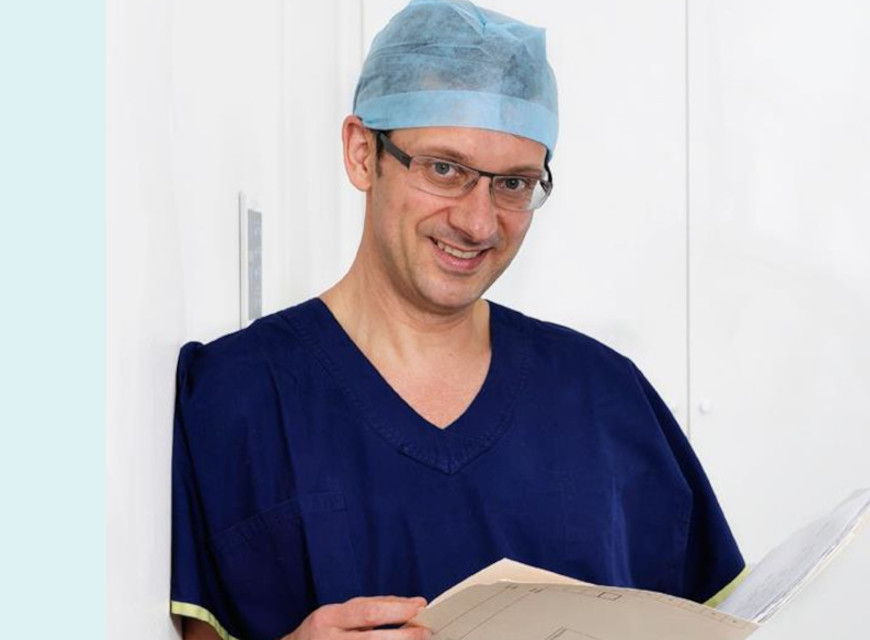
A qualified plastic surgeon who operates with care and integrity, based in central Sydney with over 20 years of experience in the cosmetic field. His extensive training and experience assures patients they are in highly trained surgical hands. Dr. Kohout is a dedicated, friendly professional who is committed to providing the high quality care, support and results, alongside his compassionate team.
Dr Mark Kohout (MED0001133000)
Specialist Plastic Surgeon
Specialist registration in Surgery – Plastic Surgery