

Gynaecomastia surgery, also known as male breast reduction, is a procedure designed to address excess glandular tissue and/or fat in the male chest. For many patients of Dr Mark Kohout, Specialist Plastic & Reconstructive Surgeon in Sydney, returning to their regular fitness routine is not only about maintaining physical wellbeing but also about regaining confidence in everyday activities. The ability to participate in exercise after surgery can be an important milestone, representing both physical recovery and a return to normal routines. This extended guide provides in-depth, AHPRA-compliant information on when and how to safely resume exercise after gynaecomastia surgery, supporting a steady recovery at every stage.
Understanding Recovery Timelines
Recovery timelines vary significantly between individuals, and no two journeys are exactly alike. The pace of healing is influenced by several elements, including the type of surgical technique performed, the volume of tissue removed, the presence of any additional procedures, and the patient’s age and overall health status. Post-operative habits, such as following care instructions and attending reviews, can also impact how quickly a patient can resume physical activity. While it is tempting to return to pre-surgery routines quickly, patience during this stage can be the difference between a steady recovery and unnecessary setbacks.
In the first one to two weeks, the focus is on gentle movement rather than structured exercise. Walking short distances around the home or neighbourhood helps promote circulation and supports overall wellbeing without placing undue stress on the healing chest. As the third and fourth weeks begin, it may be possible to include light, controlled movements involving the lower body, provided these do not cause strain or discomfort in the chest region. Around the fifth and sixth weeks, and with the surgeon’s approval, light upper body mobility work can be introduced, always starting conservatively. Beyond six weeks, many individuals can return to more varied and intensive exercise, though the emphasis should remain on gradual increases in duration and intensity.
Why Gradual Return Matters
The reason for taking a gradual approach is rooted in the biology of healing. Tissues that have undergone surgery are in a fragile state, with microscopic healing processes occurring beneath the skin’s surface for weeks after the procedure. Introducing excessive strain too early can lead to swelling, discomfort, or disruption of the repair process, potentially prolonging recovery. A steady progression allows the body to adapt to increasing demands without overstressing the chest or risking complications, and it supports the formation of mature, stable scars over time.
Surgeon Guidance
Dr Mark Kohout, Specialist Plastic & Reconstructive Surgeon in Sydney, conducts thorough post-operative reviews before advising patients on their next steps in physical activity. These appointments provide an opportunity to assess healing progress, evaluate the surgical area for any signs of swelling or delayed recovery, and discuss the patient’s fitness goals. By tailoring recommendations to the individual’s stage of recovery and type of surgery, Dr Kohout ensures that each patient receives guidance that is both safe and realistic around when to return to exercise after gynaecomastia.
Key Considerations For Exercise Post-Surgery
Patients are encouraged to follow all post-operative instructions closely. Compression garments are typically recommended during the initial recovery phase, as they provide support, help control swelling, and can make early movement more comfortable. It is important to avoid contact sports and high-impact activities until the surgeon confirms the chest can withstand such forces without risk. Starting with low-impact, non-strenuous forms of activity allows the body to adapt to gentle stress before progressing to more demanding exercises. Throughout the process, patients should remain mindful of their body’s signals – any new pain, unusual tightness, or persistent swelling should prompt a pause and, if necessary, a discussion with the surgeon.
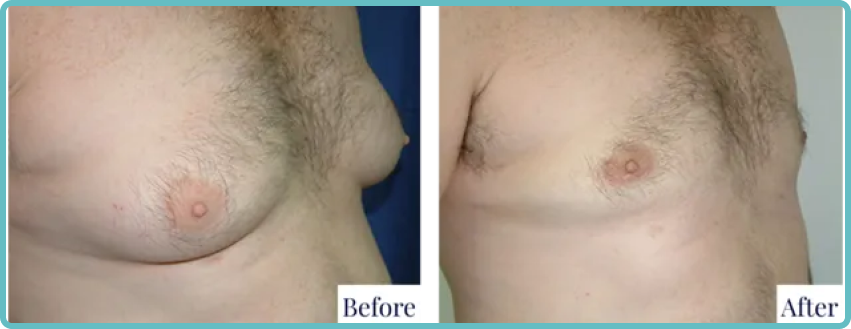
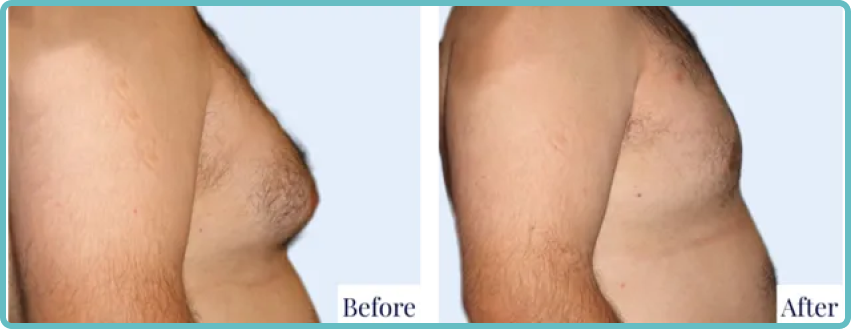
Gynaecomastia Before and After Images
Additional Factors To Support Recovery
Lifestyle choices play a significant role in how efficiently the body heals. A diet rich in nutrients, with adequate protein, vitamins, and minerals, supports tissue repair and energy levels when you return to exercise after gynaecomastia. Staying well-hydrated aids circulation and helps the body manage inflammation. Attending all scheduled follow-up appointments ensures professional monitoring, allowing any emerging concerns to be addressed promptly. Avoiding smoking and limiting alcohol intake during recovery is also recommended, as these can negatively impact blood flow and slow the healing process.
FAQs About Returning To Exercise After Gynaecomastia
What types of movements should be avoided in the first month after surgery to protect healing tissues?
Movements that place strain on the chest muscles, such as push-ups, bench press, or overhead weightlifting, are generally avoided during the first month. These can place pressure on healing tissues and increase swelling.
How can weather conditions in Sydney, such as heat or humidity, influence exercise choices during early recovery?
Hot or humid weather can increase sweating, which may irritate incision sites or cause discomfort under compression garments. Exercising indoors in a climate-controlled environment can help minimise these effects.
Is it possible to adapt certain sports or hobbies to remain active without straining the chest area?
Yes, many activities can be modified. For example, cycling with a relaxed posture, light walking, or gentle lower body stretches allow for activity without engaging the chest muscles directly.
How might wearing a compression garment affect comfort and performance during light physical activity?
A compression garment can provide stability and reduce movement in the chest area, which may optimise comfort during light exercise. However, it can also feel warmer, so hydration and taking breaks are important.
What signs during exercise might indicate the need to slow down or stop altogether?
Increased pain, swelling, redness, or a feeling of tightness in the chest are signals to pause activity. These symptoms should be discussed with the surgeon before resuming exercise.
Are there strategies for gradually rebuilding upper body strength without overloading healing tissues?
Starting with low-resistance bands, light weights, and controlled range-of-motion exercises can help rebuild strength gradually. Each step should be introduced only with the surgeon’s approval.
How do follow-up appointments help guide safe progression back to a regular exercise routine?
Follow-up reviews allow the surgeon to check wound healing, assess swelling, and evaluate chest stability. These visits provide tailored recommendations for increasing exercise intensity and variety safely.
Medical References
- Estrogen receptors, hormonal imbalance, gynecomastia, hyperestrogenemia, and male breast cancer: a literature review – Journal of Men’s Health – https://www.jomh.org/articles/10.22514/jomh.2024.143
- Gynecomastia and Its Management In Boys With Partial Androgen Insensitivity Syndrome – The Journal of Clinical Endocrinology & Metabolism – https://academic.oup.com/jcem/article/110/6/e2018/7746008
- A protocol for organoids from the gynecomastia patients – Frontiers in Bioengineering and Biotechnology – https://www.frontiersin.org/journals/bioengineering-and-biotechnology/articles/10.3389/fbioe.2025.1593368/full
- Gynecomastia: Etiology, Diagnosis, and Treatment – Endotext – NCBI Bookshelf – https://www.ncbi.nlm.nih.gov/books/NBK279105/
- Gynecomastia – StatPearls – NCBI Bookshelf – https://www.ncbi.nlm.nih.gov/books/NBK430812/
- Gynecomastia in adolescent males – Annals of Pediatric Endocrinology & Metabolism – https://e-apem.org/journal/view.php?number=1034
Final Thought
Resuming exercise after gynaecomastia surgery is a process that requires patience, planning, and professional guidance. For patients in Sydney, working with an experienced surgeon like Dr Mark Kohout means having access to tailored advice that aligns with both recovery progress and personal fitness goals. A steady, thoughtful return to activity helps protect the surgical results while supporting overall health and wellbeing in the months following surgery.
Further Reading
- Read more about Breast Procedures
- Read Dr Mark Kohout’s Blog on Gynaecomastia and Chest Correction for Men with Male Breasts
- Read Dr Mark Kohout’s Blog on Managing Gynaecomastia Scars
- Read Dr Mark Kohout’s Blog on Will Medicare Cover My Gyno Surgery?
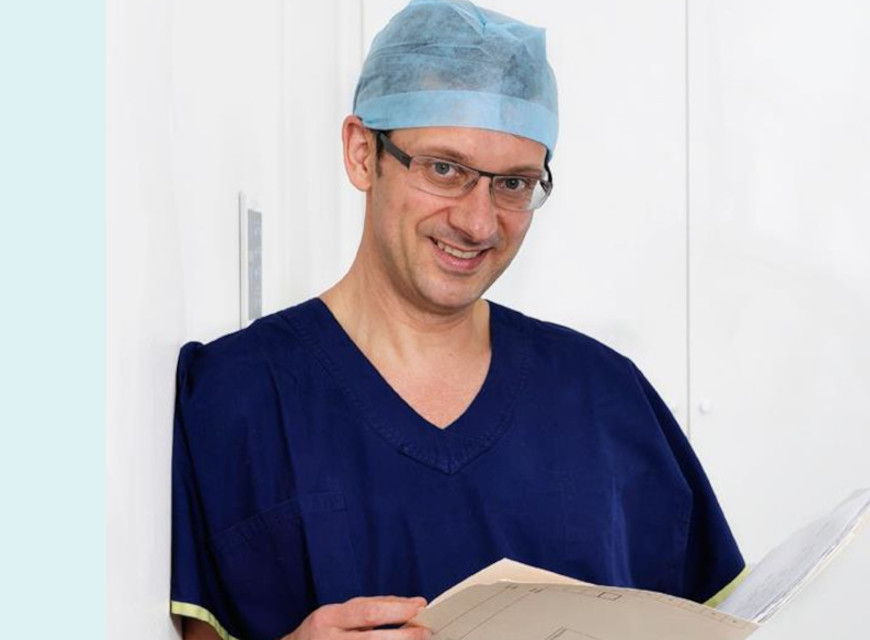
Experienced Plastic Surgeon
Dr. Mark Kohout

A qualified plastic surgeon who operates with care and integrity, based in central Sydney with over 20 years of experience in the cosmetic field. His extensive training and experience assures patients they are in highly trained surgical hands. Dr. Kohout is a dedicated, friendly professional who is committed to providing the high quality care, support and results, alongside his compassionate team.
Dr Mark Kohout (MED0001133000)
Specialist Plastic Surgeon
Specialist registration in Surgery – Plastic Surgery