

Plastic surgery is a significant decision that involves not only the procedure itself but also a thoughtful and well-managed recovery process. One of the most common concerns patients have is when and how they can return to their usual exercise routines. Dr Mark Kohout, Specialist Plastic Surgeon in Sydney, explains that while physical activity is beneficial for overall health, a cautious and staged return to exercise is important for healing and maintaining surgical outcomes.
Understanding the timing and type of physical activity appropriate for each stage of recovery can help patients avoid setbacks while supporting circulation, mobility, and long-term results. Physical activity also has a positive impact on mood and energy levels, but only when safely incorporated into the post-operative period. Rushing the process or ignoring guidance can lead to setbacks that may affect both short-term healing and long-term outcomes.
Why Physical Activity Matters After Surgery
Support For Circulation And Recovery
After surgery, there is a period where mobility is limited. Gentle, low-impact movements, such as slow walking, are typically encouraged early on to reduce the risk of deep vein thrombosis (DVT) and improve oxygenation to healing tissues. These light activities stimulate blood flow and lymphatic drainage, which can assist in minimising swelling and speeding up recovery. Even standing up and moving short distances every hour can make a meaningful difference in the immediate post-operative stage. The body benefits from even minimal movement, and this small investment early on can set the stage for smoother recovery phases.
Maintaining General Wellbeing During Recovery
Physical activity contributes to psychological wellbeing, which is particularly important in the post-operative period when patients may be coping with discomfort, temporary swelling, and a pause in their usual routines. Exercise supports endorphin production, which may help with mood regulation. However, during early recovery, the aim should be movement for wellness – not performance. Taking a brief stroll through a quiet park or along Sydney’s coastal pathways can be a simple way to support recovery without exertion. Maintaining a routine – even a gentle one – can also help restore a sense of normalcy and structure during a time when the body requires focused healing.
Key Factors Influencing Your Return To Exercise Timeline
Type Of Plastic Surgery Procedure
Recovery timelines vary significantly depending on the type of plastic surgery performed. Some procedures have shorter downtimes, while others involve more extensive tissue manipulation and thus require longer healing periods. Facial procedures such as eyelid surgery, brow lifts, or rhinoplasty may allow for earlier activity due to their limited impact on core or large muscle groups. In contrast, surgeries involving the chest, abdomen, or multiple areas at once demand a much slower and structured return to movement. Understanding the unique demands of your specific procedure is essential to avoid putting strain on healing areas.
Individual Healing And Medical Assessment
Every patient heals at their own pace. Age, general health, smoking history, and how the body responds to surgery all influence when and how physical activity can be resumed. Dr Mark Kohout, Plastic Surgeon in Sydney, evaluates each patient’s recovery through regular post-operative assessments, making adjustments to exercise recommendations based on healing progress. Some patients may regain energy and mobility earlier than expected, while others may require extended periods of rest and monitoring. This variability reinforces the importance of individualised guidance.
Surgical Site And Activity Type
The location of incisions and the areas operated on are critical when considering return to movement. Movements that pull on healing tissue – such as stretching, twisting, or high-impact bouncing – can risk delaying recovery or causing wound separation. For example, weight training may need to be delayed even longer after procedures involving muscle tightening, such as a full abdominoplasty. Understanding which types of movement engage specific muscle groups can help patients make more informed decisions about safe activity choices during recovery.
A Week-By-Week Guide To Resuming Physical Activity
Week 1: Total Rest And Light Walking
In the immediate post-operative period, patients are advised to rest, take prescribed medication, and prioritise wound care. However, most patients will also be encouraged to take brief walks around their home. This helps reduce the risk of blood clots and encourages gentle movement without putting strain on the surgical area. The focus during this week should be on protecting surgical sites, managing swelling, and gradually reintroducing basic mobility to prevent stiffness or deconditioning.
Weeks 2-3: Gentle Mobility And Daily Activity
If the initial healing is progressing well, patients may begin reintroducing more normal daily routines, such as light household tasks or walking outdoors. At this stage, physical movement can serve both a functional and emotional benefit. Patients often report feeling more in control and positive once light activity is resumed. However, overexertion – even in minor forms – should be avoided, especially if the body signals fatigue or discomfort.
Weeks 4-5: Low-Impact Cardio Under Caution
As energy levels begin to rise, patients may start incorporating low-impact cardiovascular exercise. This stage is important in re-establishing aerobic capacity and endurance. Cardiovascular health contributes directly to the body’s healing processes, but it’s important that patients remain conscious of temperature regulation and avoid environments that could introduce infection risks. Exercises during this phase should not place strain on incisions or reconstructed areas.
Weeks 6-8: Gradual Return To Normal Activity (With Clearance)
This stage is generally when more dynamic movement can begin – with medical clearance. Dr Mark Kohout provides patient-specific guidance at this point. The progression to more intensive exercise often brings a sense of confidence, but care must still be taken to observe signs of fatigue, irritation, or inflammation. Activity at this stage should prioritise technique and control over intensity or duration.
After 8 Weeks: Full Routine For Most Patients
Patients who are healing well may return to their regular pre-operative fitness routines. Even then, it is recommended that patients ease into full sessions and avoid immediately returning to high-performance levels. Long-term results are best maintained when activity is resumed in a progressive manner, even beyond the eight-week mark. Continued monitoring of the body’s response to various exercise modalities is vital, especially in the presence of scar tissue or nerve healing.
What To Avoid During Early Recovery
High-Impact Movements
Exercises that involve jumping, sprinting, or abrupt changes in direction should be avoided until the tissues have fully healed. These activities increase blood pressure, which can affect incisions and internal healing. Avoiding these forms of movement is essential to protect the integrity of sutures, limit bruising, and reduce the likelihood of fluid collection beneath the skin.
Core And Upper Body Load (Depending On Procedure)
Sit-ups, pull-ups, and chest presses should be avoided following procedures that involve the abdominal wall or chest muscles. Strain in these areas can increase discomfort or result in complications such as seroma formation or wound breakdown. When these exercises are reintroduced, they must be done gradually and under the supervision or advice of a qualified health professional.
Heat, Sweating And Infection Risks
Excess heat can soften healing tissues and increase the risk of delayed wound healing. Patients should avoid hot yoga, saunas, spas, and intense cardio that leads to heavy sweating until fully healed. Infections can disrupt both the physical and aesthetic results of surgery, making temperature management and hygiene particularly important during recovery.
Listening To Your Body: Signs To Pause Or Modify
Even when movement is permitted, the body provides important signals. Patients should stop or reduce exercise if they experience symptoms such as sharp pain at or near the surgical site, unusual fatigue, or persistent swelling. These signs are often early indicators that tissue is under too much strain. Responding promptly by modifying activity can prevent more serious complications. Dr Mark Kohout encourages his patients in Sydney to remain attentive to these signals and communicate openly during all follow-up appointments.
The Role Of The Surgeon In Exercise Guidance
Personalised Recovery Plans
Each surgical procedure and patient require a unique approach to post-operative recovery. Dr Mark Kohout, Plastic Surgeon in Sydney, develops detailed recovery protocols that take into account the patient’s baseline health, the nature of the surgery, and their individual lifestyle. These plans are designed to reduce risks and support healing without unnecessarily delaying a return to movement.
Post-Operative Check-Ins
Post-surgery consultations ensure that healing is progressing safely and allow for exercise plans to be adjusted accordingly. These appointments also serve as an opportunity for patients to voice concerns or gain clarification about physical limitations. Continued professional oversight helps patients stay on track while reducing the risk of injury or complications.
Psychological Aspects Of Recovery And Exercise
Being temporarily unable to exercise can be frustrating, especially for those who use fitness as a coping strategy or part of their identity. It’s normal to feel impatient, but managing expectations is key. Healing is gradual and layered. Some results – especially in body contouring or reconstructive surgeries – may not fully settle for several months. Maintaining perspective and focusing on achievable daily goals can help manage emotional ups and downs during this period.
Taking daily walks along Sydney’s harbourside paths or through quiet green spaces can ease the transition back to activity while supporting mental wellbeing. Engaging in light outdoor activity in a familiar and calming setting can also be a therapeutic part of the recovery journey.
Safe Return To Exercise Supports Long-Term Results
Overexerting too soon can interfere with wound healing, create fluid buildup, or impact the integrity of the surgical result. A carefully managed exercise plan, created in consultation with a qualified surgeon, helps ensure that results are not compromised. Physical activity, when introduced appropriately, can optimise circulation, maintain strength, and support the body in holding structural changes. Dr Mark Kohout, Plastic Surgeon in Sydney, supports patients through structured recovery timelines that help maintain surgical integrity, reduce complication risks, and restore physical routines in a safe and sustainable way.
Making Informed Decisions About Recovery
Understanding your limits and respecting your body’s healing process is an essential part of post-operative care. Rushing back into exercise can not only compromise results but also increase your recovery time. Thoughtful planning, medical guidance, and realistic expectations are the cornerstones of a successful return to physical activity after plastic surgery. Patients are encouraged to take a proactive approach to their recovery, staying informed, asking questions, and following professional recommendations throughout each stage of healing.
FAQs About Returning To Exercise After Plastic Surgery
Can light physical activity help with post-surgery fatigue?
Some patients notice that light movement, such as walking, reduces feelings of sluggishness after surgery. This gentle activity can stimulate circulation and support better energy levels, provided it’s done within the limits recommended by your surgeon.Is it possible to feel discomfort even after being cleared for exercise?
Yes, it’s common to experience mild tightness or awareness in the surgical area even after your surgeon approves exercise. These sensations often lessen over time but should always be discussed during follow-up care to ensure safe progression.How does regular exercise after recovery affect long-term surgical results?
Once healing is complete, maintaining a consistent exercise routine can support muscle tone and body composition, which may help sustain the aesthetic outcomes of certain plastic surgery procedures. However, results are not permanent and require ongoing care.Are there exercises that can help improve posture after surgery?
Some patients, particularly those who’ve had breast or abdominal surgery, may notice temporary changes in posture. Over time, targeted exercises such as back strengthening or core stability work can help, but only when introduced with surgical guidance.Should patients avoid group fitness classes during recovery?
In the early phases of recovery, it’s best to avoid unpredictable or high-intensity environments, including group classes. Once cleared, returning gradually to structured sessions can be beneficial, but it’s important to adapt movements and pace.Can the body respond differently to exercise after plastic surgery?
Yes, the body may feel different during movement, particularly if muscle or tissue repair was involved. Awareness of new physical cues is essential, and progress may be slower than expected. Patients are encouraged to focus on gradual improvement.Does physical activity influence how scars mature?
Exercise itself does not directly alter scar appearance, but increased tension or friction in healing areas could impact how scars settle. Wearing appropriate garments and following wound care instructions plays a key role during physical reconditioning.Medical References
- Radiological and Anatomical Parameters as Determinants of Success in Dorsal Preservation Rhinoplasty – https://doi.org/10.1093/asj/sjaf050
- Innovative Surgical Concept for Simon’s Grade IIb Gynecomastia: A Systematic Integration of Circumareolar Mastectomy, Interlocking Suture, Inframammary Fold Detachment, and Waterjet-Assisted Liposuction for Superior Long-term Outcomes – https://doi.org/10.1093/asj/sjaf069
- Use of Radiofrequency-assisted Liposuction (BodyTite) for “Chest Lift” in Patients Undergoing Gynecomastia Correction – https://doi.org/10.1093/asj/sjaf074
- Staged Mastopexy or Mammaplasty Prior to Nipple-Sparing Mastectomy: A Systematic Review of Safety and Nipple–Areola Complex Outcomes – https://doi.org/10.1093/asj/sjaf058
- Perception of Changes in Functional Symptoms and Psychological Aspects Related to Rectus Muscle Diastasis in Women Who Have Undergone Reparative Abdominoplasty – https://doi.org/10.1093/asj/sjaf057
Take The Next Step
If you’re considering plastic surgery and want to learn more about the recovery process – including safe return to exercise – Dr Mark Kohout, Specialist Plastic Surgeon in Sydney, is here to help. Visit the contact us page to book a consultation or explore resources designed to support informed decision-making.
Further Reading
- Read Dr Mark Kohout’s Blog on Return To Exercise After Abdominoplasty
- Read Dr Mark Kohout’s Blog on Returning To Exercise After Blepharoplasty
- Read Dr Mark Kohout’s Blog on Returning To Exercise After Breast Implant Removal Or Replacement (BIRR)
- Read Dr Mark Kohout’s Blog on Recovery After Excess Skin Removal Surgery
- Read Dr Mark Kohout’s Blog on Return To Exercise After Gynaecomastia
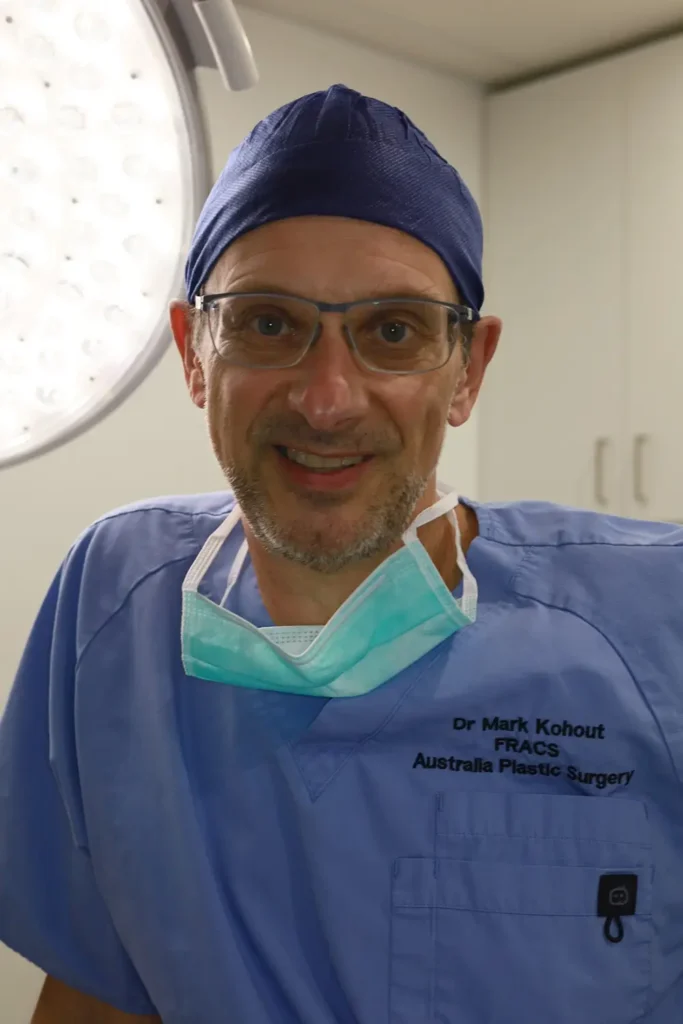
Experienced Plastic Surgeon
Dr. Mark Kohout

A qualified plastic surgeon who operates with care and integrity, based in central Sydney with over 20 years of experience in the cosmetic field. His extensive training and experience assures patients they are in well trained surgical hands. Dr. Kohout is a dedicated, friendly professional who is committed to providing the high quality care, support and results, alongside his compassionate team.
Dr Mark Kohout (MED0001133000)
Specialist Plastic Surgeon
Specialist registration in Surgery – Plastic Surgery