

Returning to exercise after body lift surgery usually happens in stages, beginning with basic mobility and progressing towards walking, cardiovascular activity, resistance training and sport. The timing varies because a body lift involves a broad surgical area around the lower trunk, with incisions and deeper tissues that need time to heal.
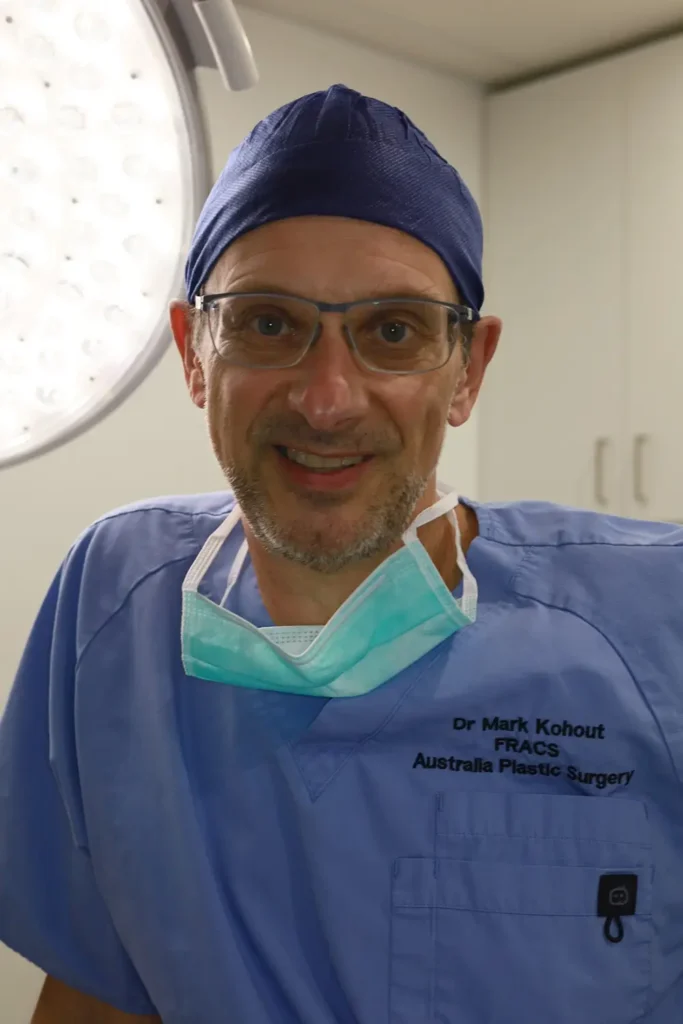
Dr Mark Kohout is a Specialist Plastic Surgeon practising in Sydney with more than 25 years of clinical experience. During consultation and follow-up, he considers the operation performed, wound healing, swelling, general health, work demands and previous activity levels before providing individual movement guidance.
What Does Body Lift Surgery Involve?​
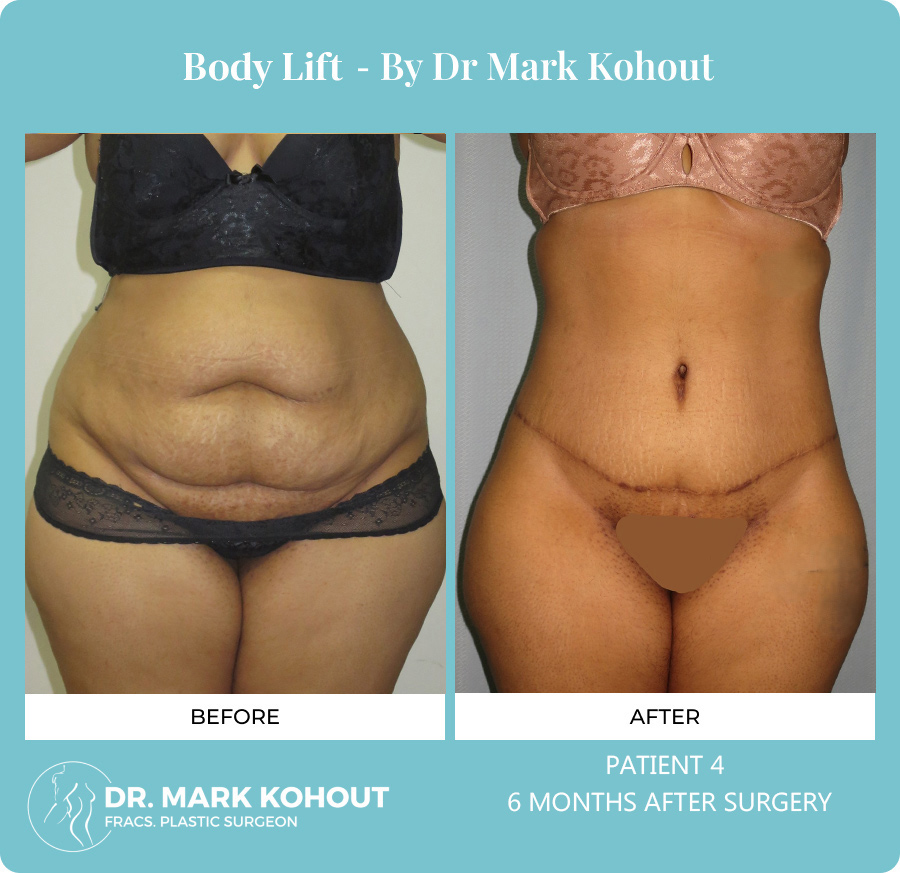
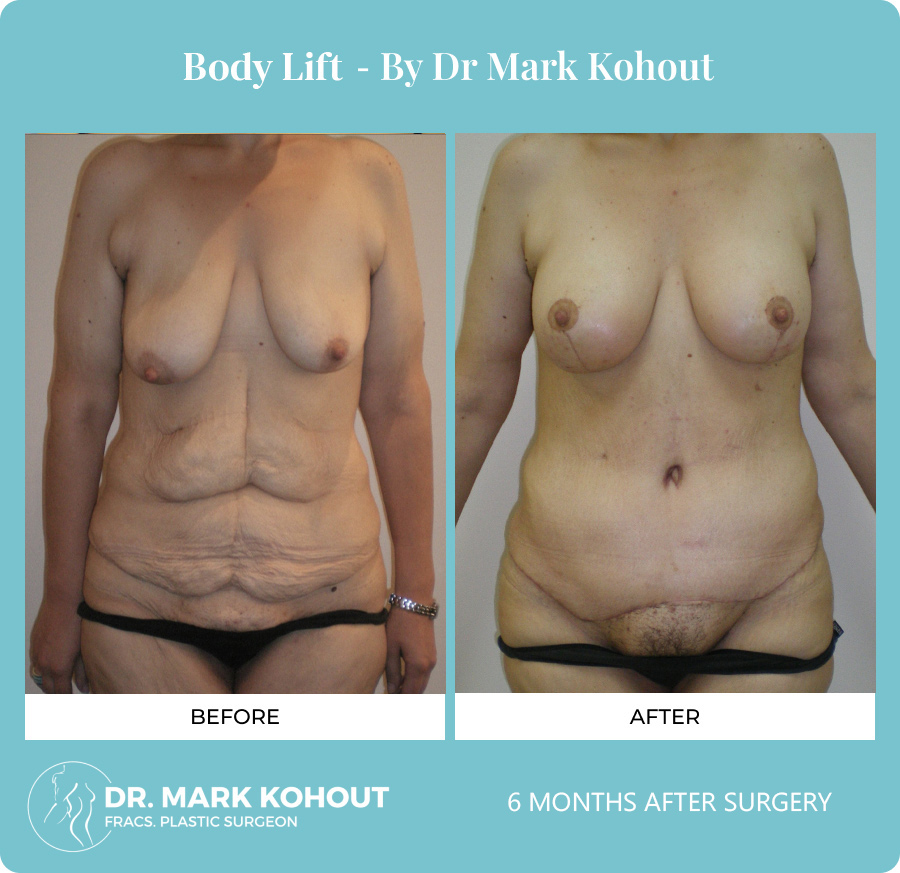
A lower body lift removes and repositions skin and soft tissue around the abdomen, flanks, lower back and adjoining regions. It usually involves a long incision and a broad area of internal tissue adjustment.
The operation is commonly considered after substantial weight change when redundant tissue extends around more than one part of the lower trunk. The incision may be circumferential or nearly circumferential, depending on the anatomy and surgical plan.
A body lift may involve:
- Removing selected redundant skin and fat
- Repositioning lower-trunk tissues
- Adjusting deeper support layers
- Addressing several connected anatomical regions
- Combining the procedure with other operations in selected cases
Why Does a Body Lift Affect Movement So Much?​
A body lift affects movements that involve standing, walking, bending, twisting and rising from a chair. These actions place tension across the lower trunk, where the incisions and deeper tissues are healing.
Patients may initially stand with a partly flexed posture because the operated area feels tight. Steps may be shorter, transfers may require assistance and activities that previously felt routine can cause fatigue.
Early movement may be affected by:
- Tightness across the abdomen and back
- Swelling around the lower trunk
- Compression garments
- Drains or dressings
- Reduced trunk mobility
Why Is Exercise Reintroduced Gradually?​
Exercise after surgery is reintroduced gradually because the skin can appear closed before the deeper tissues have regained adequate strength. Sudden loading, strong twisting or repeated impact may place unnecessary strain on healing areas.
Complete immobility is generally not the goal because prolonged inactivity can affect circulation, breathing, joint movement and conditioning. The recovery plan therefore balances regular mobility with temporary limits on demanding activity.
The staged approach aims to:
- Maintain regular circulation
- Reduce prolonged sitting or lying
- Protect incision lines
- Limit excessive trunk strain
- Build activity in measurable steps
Is There One Body Lift Recovery Timeline for Every Patient?
There is no single exercise timeline that applies to every body lift patient. Progress depends on the extent of surgery, wound healing, medical history and the response to each increase in activity.
A patient having a circumferential operation may progress differently from someone having a more limited procedure. Combined breast, thigh or upper-body surgery can also change lifting, arm movement and training restrictions.
Recovery after body lift surgery may be influenced by:
- The length and position of incisions
- Procedures performed at the same time
- Age and general health
- Baseline mobility and strength
- Wound or fluid-related complications
What Activity Is Usually Appropriate During the First Week at Home?​
The first week at home generally centres on essential walking, rest, wound care and moving between key areas of the house. Formal workouts are not usually part of this stage.
Patients may need another adult nearby when getting in and out of bed, showering or using stairs. Short walks spaced through the day are generally more manageable than one longer walk.
Early home activity may include:
- Walking to the bathroom and kitchen
- Short laps inside the home
- Sitting out of bed for limited periods
- Changing position regularly
Why Is Walking Important After a Body Lift?​
Walking helps maintain circulation, joint movement and basic physical function while structured exercise is paused. It can also reduce the amount of time spent continuously sitting or lying down.
Walking should begin at a comfortable pace and increase according to symptoms and clinical advice. It should not be treated as a step-count challenge during early recovery.
Walking may support:
- Leg circulation
- Hip and ankle mobility
- Lung expansion after anaesthesia
- Gradual return to daily tasks
- Reduced stiffness
What Activity May Be Considered During Weeks Two and Three?​
During weeks two and three, many patients gradually increase indoor walking and begin short walks outside on level ground. Lifting limits and restrictions on strenuous activity usually remain in place.
Light desk tasks or meal preparation may become more manageable, but prolonged sitting or standing can still increase fatigue or swelling. Activity should be divided into shorter periods with rest between them.
This phase may include:
- Short outdoor walks near home
- Light meal preparation
- Brief desk-based work
- Gradual improvement in transfers
When Can a Stationary Bike Be Considered?​
A stationary bike may be introduced after the surgeon confirms that posture, hip movement and wound healing are suitable. Low resistance and short sessions are generally used at first.
Mounting and dismounting the bike must also be comfortable and controlled. A recumbent model may be easier for some patients because it supports the back and requires less balance.
Bike progression may include:
- Short low-resistance sessions
- Comfortable seat positioning
- Controlled mounting and dismounting
- Increasing duration before resistance
When Can Strength Training Begin?​
Strength training may begin after clinical review confirms that the wounds and deeper tissues are progressing appropriately. Initial exercises generally use low resistance and controlled ranges of movement.
The earliest strengthening often resembles everyday functional tasks rather than a full gym workout. Loads should be increased progressively rather than returning directly to previous weights.
Initial options may include:
- Sit-to-stand repetitions
- Supported heel raises
- Low step-ups
- Light resistance-band work
- Basic balance exercises
When Can Core Exercises Resume?​
Core training generally returns later because abdominal contraction, trunk rotation and spinal extension directly load the operated region. Early core work usually focuses on posture and breathing rather than strong resistance.
Planks, sit-ups, loaded rotation and demanding Pilates exercises should not be restarted solely because walking feels comfortable. The appropriate time depends on the operation and findings at follow-up.
Early trunk work may include:
- Controlled breathing
- Supported postural awareness
- Low-level abdominal activation
- Comfortable sitting and standing alignment
When Can Upper-Body Exercise Resume?​
Upper-body exercise may be considered when it can be performed without strong trunk bracing or heavy lifting. Even arm exercises can place considerable demand on the abdomen and back.
Seated resistance-band or light dumbbell movements may precede overhead lifting and heavy pulling. Combined breast or upper-body procedures can require additional restrictions.
Early upper-body options may include:
- Seated arm exercises
- Light band movements
- Supported shoulder mobility
- Weights held close to the body
When Can Jogging or Higher-Impact Exercise Resume?​
Jogging and higher-impact activity usually return after walking and low-impact cardiovascular exercise have been tolerated. Some patients may need several months before repeated impact is appropriate.
A walk-jog progression may be used once the surgeon confirms adequate healing. Pace, duration and terrain should not all be increased during the same session.
Higher-impact progression may involve:
- Brisk level walking
- Brief jogging intervals
- Stable, predictable surfaces
- Gradual increases in duration
When Can Swimming Resume?​
Swimming should not begin until all incisions are fully closed and the surgeon confirms that water immersion is appropriate. Open or incompletely healed wounds can be exposed to infection in pools, spas or natural water.
Water walking may precede stronger swimming strokes because it places less rotational demand on the trunk. Ocean swimming introduces waves, currents, uneven entries and additional physical demands.
Water activity may progress through:
- Pool walking
- Short relaxed swims
- Gradual increases in stroke effort
- Ocean swimming after further review
Do Compression Garments Affect Exercise?​
Compression garments may be prescribed to manage swelling and support the operated tissues. Their use during activity should follow the instructions provided by the surgical team.
A garment should not fold, roll or create excessive pressure over an incision. Heat, rubbing or skin irritation should be reported so the fit can be reviewed.
Garment concerns may include:
- Rolling at the waist
- Pressure on scar lines
- Skin irritation
- Excessive heat
- Difficulty breathing comfortably
How Can You Tell If Activity Is Progressing Too Quickly?​
Activity may be progressing too quickly when swelling, pulling, pain or fatigue repeatedly remains increased the following day. Persistent worsening is a reason to reduce the current level and seek advice.
A mild increase in awareness after a new activity may occur, but exercise should not cause repeated deterioration in normal walking or daily function.
Signs to slow down include:
- Swelling that does not settle overnight
- Increasing incision tightness
- New bruising
- Persistent fatigue
- Reduced comfort during everyday movement
What Role Can a Physiotherapist or Exercise Physiologist Play?​
A physiotherapist or accredited exercise physiologist may help develop a graded program after the surgeon confirms that structured rehabilitation is appropriate. Their input can be useful for mobility, strength, work and sport-specific planning.
Clear communication with the surgical team is important because the allied health practitioner needs to understand the incision pattern and current restrictions.
They may assist with:
- Walking progression
- Strength-program design
- Posture and movement technique
- Return-to-work planning
- Preparation for recreational sport
What Happens During Follow-Up with Dr Mark Kohout?​
Follow-up appointments allow Dr Mark Kohout to examine the wounds, swelling, scars and movement before activity is progressed. Recommendations may be increased, maintained or reduced according to the findings.
Patients should describe the exact exercises, duration and resistance being used. The response later that day and the next morning also helps guide decisions.
Follow-up discussions may cover:
- Walking distance
- Posture and trunk movement
- Compression garments
- Work and commuting
- Gym or sport plans
Exercise After Body Lift FAQs
Can I use a fitness tracker after body lift surgery?
Yes, a fitness tracker can help monitor gentle activity during home recovery. Step goals should follow your Plastic Surgeon’s advice.
Should I walk slightly bent forward or stand completely straight?
A slightly flexed posture is common early in recovery. Posture should improve gradually without forcing the body upright too soon.
Can I stretch if I feel stiff?
Gentle stretching may be suitable once approved by your surgeon. Stop any movement that pulls on the incision or causes sharp discomfort.
Will a compression garment make exercise harder?
It may initially feel warm or restrictive, but many patients adjust over time. Contact the clinic if the garment feels uncomfortable or too tight.
Can I climb stairs after surgery?
Stairs may be managed carefully once cleared, using a handrail and taking one step at a time. Repeated stair climbing should wait until strength improves.
Can I return to low-impact dance or group classes?
Low-impact classes may be resumed after sufficient healing and postoperative review, with movements modified initially where needed.
Does using a standing desk count as exercise?
No, but alternating between sitting and standing can support gradual movement. Standing should still be introduced slowly.
Can I carry a backpack or shoulder bag while walking?
Start with very light loads, as heavy or uneven bags can strain the trunk. Increase the weight only as comfort and strength improve.
Can I see a physiotherapist before surgery?
Yes. A physiotherapist or exercise physiologist can help plan a staged return to activity with your Plastic Surgeon.
What if my exercise recovery feels slower than expected?
Recovery varies between patients. Speak with your surgeon if progress feels unusually slow or symptoms are limiting activity.
Medical References
Giordano S.
Removal of excess skin after massive weight loss: challenges and solutions.
Open Access Surgery. 2015;8:51–60.
https://www.dovepress.com/removal-of-excess-skin-after-massive-weight-loss-challenges-and-soluti-peer-reviewed-fulltext-article-OAS
Sadeghi P, Duarte-Bateman D, Ma W, et al.
Post-bariatric plastic surgery: Abdominoplasty, the state of the art in body contouring.
Journal of Clinical Medicine. 2022;11(15):4315.
https://www.mdpi.com/2077-0383/11/15/4315
Impact of abdominal body contouring surgery on physical function after massive weight loss.
Aesthetic Surgery Journal.
https://academic.oup.com/asj/advance-article-abstract/doi/10.1093/asj/sjac220/6659734
How Should You Prepare for Recovery Before Surgery?​
Preparation should include home support, transport, work leave, lifting restrictions and temporary changes to exercise. Planning these details can reduce pressure to resume demanding tasks prematurely.
Patients should discuss stairs, dependants, pets, work equipment and planned travel during consultation. A physiotherapy or exercise-physiology assessment before surgery may also be considered in selected cases.
Preparation may include:
- Arranging assistance at home
- Moving essential items within easy reach
- Organising transport
- Planning modified duties
- Pausing gym or class memberships
What Should You Consider Before Body Lift Surgery?
The decision should include consideration of the long scars, recovery demands, wound-related complications and temporary effect on mobility. Extensive body-contouring procedures generally require more planning than small localised operations.
Published reviews of post-weight-loss body contouring discuss wound-healing concerns, fluid collections, infection and venous thromboembolism among relevant complications. Individual risk depends on health, surgical extent and perioperative planning.
Questions to consider include:
- Can I arrange enough recovery support?
- Can my work duties be modified?
- Am I prepared to pause demanding exercise?
- Do I understand the scars and complications?
- Can I attend regular follow-up appointments?
What Are the Next Steps for Planning Exercise After a Body Lift?​
People considering body lift surgery can arrange a consultation to discuss how recovery may affect work, exercise and family responsibilities. An individual assessment is required before a personal movement timeline can be provided.
Dr Mark Kohout provides body lift consultations in Sydney and Orange. The consultation allows discussion of incision patterns, combined procedures, risks and the staged return to walking, cardiovascular activity, resistance training and sport.
Further Reading
- Read more about Body Lift Procedure
- Read more about Body Lift Recovery Sydney
- Read Dr Mark Kohout’s Blog on Body Lift Swelling And Bruising: What To Expect During Recovery
- Read Dr Mark Kohout’s Blog on Managing Body Lift Scars
- Read Dr Mark Kohout’s Blog on FAQs About Bodylift Surgery
- Read more about Body Lift Cost in Sydney
- Read more about Medicare and Body Lift Sydney
- Read more about Risks and Complications
Related Blog Posts
Return to Exercise After Thigh Lift…
Many people considering thigh lift surgery are active at work, at home or through regular walking, gym training and recreational sport. A common concern is how the procedure may affect…

Body Lift Swelling And Bruising: What…
Dr Mark Kohout FRACS is a Specialist Plastic Surgeon based in Broadway, Sydney, with experience in body contouring procedures including body lift surgery. Body lift swelling and bruising commonly improve…
Experienced Plastic Surgeon
Dr. Mark Kohout
A qualified plastic surgeon who operates with care and integrity, based in central Sydney with over 20 years of experience in the cosmetic field. His extensive training and experience assures patients they are in well trained surgical hands. Dr. Kohout is a dedicated, friendly professional who is committed to providing the high quality care, support and results, alongside his compassionate team.
Dr Mark Kohout (MED0001133000)
Specialist Plastic Surgeon
Specialist registration in Surgery – Plastic Surgery