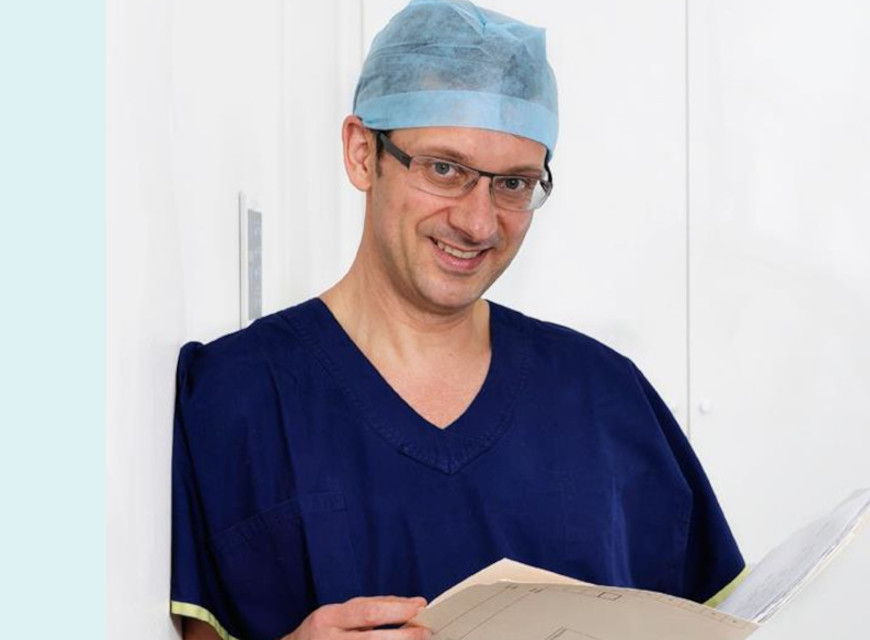
Dr Mark Kohout is a Specialist Plastic Surgeon based in Sydney who performs a range of reconstructive and aesthetic procedures, including surgery involving the female genital region. He works with adult patients who are seeking information about options to address physical changes, symptoms or concerns that have not improved with non-operative measures. Consultations are structured to explore your medical history, current symptoms, previous treatments and personal goals in detail. This allows time for discussion, questions and clarification so you can understand what surgery may and may not achieve in your situation.
Vaginoplasty is a surgical procedure that aims to tighten or reconstruct the vaginal canal and surrounding tissues. Patients may consider this operation after childbirth, with age-related changes, following previous surgery, or due to longstanding concerns about function or comfort. The focus is on addressing physical issues such as laxity, a feeling of looseness, or difficulties with certain activities, while also considering how these concerns affect day-to-day life. During consultation, the potential benefits, risks, limitations and alternatives are explained so that you can make an informed decision about whether to proceed.
Safety, Suitability and Patient Factors FAQs
Who is generally considered a suitable candidate for vaginoplasty?
Vaginoplasty may be considered for women who have concerns about vaginal laxity, function or discomfort that have not improved with non-operative measures. Suitability depends on overall health, medical history and realistic expectations, which are discussed in detail during consultation.
Is there an ideal age range for vaginoplasty?
There is no fixed age, but the procedure is usually considered for adults whose bodies have finished growing. The timing also takes into account family planning, general health, and any existing gynaecological conditions.
Can I have vaginoplasty if I plan to have more children?
Vaginal childbirth after vaginoplasty may affect the outcome of the surgery. Many patients are advised to consider completing their family first, but this is assessed individually in discussion with your surgeon and, when appropriate, your gynaecologist.
Is vaginoplasty suitable if I have existing gynaecological issues?
Some gynaecological conditions may need to be evaluated or treated before considering surgery. Your surgeon may collaborate with or refer you to a gynaecologist to ensure that any underlying issues are addressed and that vaginoplasty is appropriate for you.
Can I have vaginoplasty if I smoke or vape?
Smoking and vaping can affect wound healing and increase the risk of complications. Patients are often advised to stop smoking and nicotine use well before surgery and during recovery; your surgeon will give specific recommendations.
Is vaginoplasty appropriate for women with significant medical conditions?
Certain medical conditions, such as heart disease, uncontrolled diabetes or clotting disorders, can increase surgical risk. Your surgeon will review your medical history and may request input from your GP or specialist to determine whether surgery is suitable or if additional precautions are needed.
Can I undergo vaginoplasty if I have had previous pelvic or vaginal surgery?
Previous operations can affect anatomy, scar tissue and blood supply. During consultation, your surgeon will examine the area, review past operative reports if available, and explain how prior surgery may influence the approach and potential outcomes.
Is this procedure only for women who have had children?
No. While many patients have experienced childbirth, others seek vaginoplasty due to congenital factors, changes with ageing or functional concerns. A detailed assessment helps determine whether this procedure is appropriate in each case.
Does vaginoplasty affect my ability to have Pap smears or other examinations?
Routine gynaecological screening and pelvic examinations generally remain important after surgery. Your surgeon can explain any changes that your GP or gynaecologist should be aware of and provide documentation if needed.
How do I know if my goals are realistic?
During consultation, your surgeon will discuss what the procedure can and cannot achieve and provide information based on your individual anatomy. This helps you develop expectations that are aligned with likely outcomes and potential limitations.

Preparation for Vaginoplasty FAQs
What happens during the initial consultation for vaginoplasty?
The consultation usually includes a medical history, discussion of your concerns, and a physical examination. Your surgeon will outline possible options, explain the procedure, and answer questions about risks, recovery and likely outcomes.What medical tests might I need before surgery?
Pre-operative assessment may include blood tests, and in some cases imaging or specialist review, depending on your health and age. These investigations help to identify any issues that should be addressed before proceeding.Do I need to stop taking certain medications or supplements?
Some medicines and supplements, such as blood thinners or products that affect bleeding, may need to be paused or adjusted before surgery. Your surgeon will give you a personalised list of what to stop and when, in coordination with your prescribing doctors where needed.How far in advance should I stop smoking or nicotine products?
Patients are often advised to cease smoking and nicotine use several weeks before surgery and during healing to help reduce the risk of complications. Your surgeon will recommend specific timeframes and may suggest support strategies if you need help stopping.How should I prepare at home for after the operation?
Arranging help with household tasks, shopping and childcare can make the early recovery period easier. You may also be advised to prepare loose clothing, sanitary pads and any prescribed medications before the day of surgery.Will I need someone to accompany me on the day of surgery?
Yes. You will usually need a responsible adult to take you home after the procedure and stay with you for at least the first night. This is important for safety, especially while the anaesthetic is wearing off.Are there hygiene steps I should follow before surgery?
You may be asked to shower with a specific antiseptic wash and avoid shaving or waxing the area close to surgery to reduce the risk of irritation or infection. Your surgeon will provide detailed written instructions to follow.Can I eat or drink before the operation?
For procedures under anaesthesia, you will be given strict fasting instructions, which typically involve avoiding food and certain fluids for a set period before surgery. It is important to follow these directions closely to reduce anaesthetic risk.What should I bring with me to the hospital or day surgery?
Comfortable clothing, any regular medications, personal hygiene items and your post-operative instructions are usually recommended. Many patients also bring a small pillow for the trip home to ease sitting.How can I prepare emotionally and practically for recovery?
Understanding the expected recovery stages, restrictions and follow-up plan can help you feel more prepared. Writing down questions before your consultation and discussing them with your surgeon may assist in planning work leave and family support.Vaginoplasty Risks, Possible Outcomes and Expectations FAQs
What are the general risks associated with vaginoplasty?
As with any operation, there are risks such as bleeding, infection, delayed healing, scarring and issues related to anaesthesia. There are also procedure-specific risks, which your surgeon will explain in detail based on your circumstances.Can vaginoplasty affect sensation or sexual function?
Changes in sensation or sexual function can occur, which may be temporary or, in some cases, longer-lasting. Your surgeon will discuss how the technique used aims to preserve function, while also outlining potential changes.Is there a risk that I will be unhappy with the result?
Despite careful planning and technique, outcomes can vary and may not fully align with a patient’s expectations. Pre-operative discussions about realistic goals and limitations are important to help minimise dissatisfaction.Can scarring be noticeable after vaginoplasty?
Incisions are generally placed within the vaginal canal or natural folds where possible. While scars usually fade over time, individual healing varies, and some patients may develop thicker or more prominent scars.Are there risks related to urinary or bowel function?
Injury to nearby structures is uncommon but possible, given the proximity of the urinary tract and bowel. Your surgeon will explain how these risks are minimised and what signs to watch for during recovery.What is the chance of needing further surgery?
Some patients may require revision or additional procedures due to wound healing issues, persistent symptoms, or dissatisfaction with the outcome. Your surgeon will outline circumstances in which further surgery might be considered.Can vaginoplasty affect future vaginal deliveries?
Vaginal birth after vaginoplasty may place strain on the surgical area and change the outcome. This is one reason family planning is a key topic during pre-operative discussions.How long do the results of vaginoplasty typically last?
Results can be influenced over time by factors such as ageing, weight changes, hormonal shifts and childbirth. While many patients experience long-term changes, no surgical result is permanent or entirely predictable.Will this procedure address both physical and emotional concerns?
Surgery primarily addresses physical aspects of the vaginal tissues. Some patients may feel an emotional benefit, but this cannot be guaranteed, and support from a psychologist or counsellor may be appropriate for broader concerns.How can I understand the likely outcome in my case?
Your surgeon will base advice on your anatomy, medical history and goals, and may use diagrams or written information to explain the likely changes. This personalised discussion helps you understand the range of possible outcomes and limitations.The Vaginoplasty Procedure FAQs
What does vaginoplasty generally involve?
The procedure typically involves tightening and repositioning tissues of the vaginal canal and surrounding structures, and removing excess tissue where appropriate. The specific technique is tailored to your anatomy and goals, which are discussed before surgery.What type of anaesthesia is used for vaginoplasty?
Vaginoplasty is usually performed under general anaesthesia or, in some cases, regional anaesthesia with sedation. Your anaesthetist will review your medical history and explain which option is recommended and why.How long does the operation usually take?
The duration varies depending on the complexity of the surgery and whether additional procedures are performed at the same time. Your surgeon can provide an estimated timeframe based on your individual plan.Where is the incision made?
Incisions are commonly placed inside the vaginal canal and sometimes at the opening, aiming to keep scars as discreet as possible. The exact placement depends on the amount and location of tissue adjustment required.Will any muscles be tightened during the procedure?
In many cases, the operation includes tightening of the supporting muscles and tissues beneath the surface. Your surgeon will explain which structures are involved and how this relates to your symptoms and desired changes.Can other procedures be performed at the same time as vaginoplasty?
Some patients may undergo additional pelvic or genital procedures at the same time, depending on their needs and overall health. Combining operations may affect the length of surgery, recovery and risk profile, so this is considered carefully.How is bleeding controlled during surgery?
Your surgeon uses standard surgical techniques such as cautery, sutures and careful dissection to reduce bleeding. Despite these measures, some bleeding is expected and monitored closely during and after the procedure.Are dissolvable stitches used?
In many cases, dissolvable sutures are used so they do not need to be manually removed. Your surgeon will explain what type of sutures will be used and roughly how long they typically take to dissolve.Will I need a catheter after surgery?
Some patients may have a urinary catheter for a short period after surgery, depending on the extent of the procedure and swelling. If a catheter is required, you will be given instructions on care and when it will be removed.How is pain or discomfort managed during and after the operation?
During surgery, anaesthesia and pain-relieving medicines are used to keep you comfortable. After the procedure, pain relief is prescribed and tailored to your needs, and you will receive instructions on how and when to take these medications.Vaginoplasty Recovery and Aftercare FAQs
How long will I stay in hospital or the day surgery facility?
Many patients go home the same day or after an overnight stay, depending on the extent of surgery and how they recover from anaesthesia. Your surgeon will advise you in advance what to expect for your specific plan.
What can I expect in the first few days after surgery?
It is common to experience swelling, bruising, discomfort and some vaginal discharge or light bleeding. You will receive instructions on hygiene, pain relief, and when to contact the clinic if anything concerns you.
How should I look after the surgical area at home?
You may be advised to use gentle rinsing, pat the area dry and avoid tight clothing or friction. Written aftercare instructions will guide you on hygiene, wound care and the use of pads or liners.
When can I return to work or study?
The timing depends on the nature of your job or course and how physically demanding it is. Many patients require a period of reduced activity and may return to light duties earlier than roles involving heavy lifting or prolonged standing.
When is it usually safe to resume exercise?
Light walking is often encouraged early to support circulation, but strenuous exercise, heavy lifting and high-impact activities should be avoided for a set period. Your surgeon will provide a graduated plan to reintroduce activity.
When can I resume sexual activity?
Penetrative intercourse and the use of tampons are generally delayed for several weeks until tissues have healed adequately. The exact timing is determined at follow-up visits based on your healing progress.
How often will I need follow-up appointments?
You will usually have an early post-operative appointment to check healing, followed by additional reviews as needed. These visits allow your surgeon to monitor progress, adjust care and answer any questions.
What warning signs should I watch for during recovery?
Increasing pain, heavy bleeding, fever, foul-smelling discharge or difficulty passing urine can indicate complications and should be reported promptly. You will be given emergency contact details and clear guidance on when to seek urgent care.
Will swelling and discomfort be present for a long time?
Swelling and discomfort are typically most noticeable in the first couple of weeks and gradually settle. However, some degree of sensitivity or firmness can persist for a longer period as tissues continue to heal.
How long does it take to see the final outcome?
Early changes may be visible within weeks, but tissues often continue to settle and soften over several months. Your surgeon will outline typical timelines and review your progress at follow-up appointments.
Understanding What Happens During Vaginoplasty
Vaginoplasty aims to adjust the support of the vaginal canal by tightening underlying muscles and connective tissues and, when appropriate, removing excess lining or skin. The exact technique varies depending on your anatomy, previous pregnancies or operations, and the specific symptoms or concerns you describe. Before surgery, your surgeon will usually mark the area, confirm the plan with you and the anaesthetist, and review any last-minute questions. The goal is to follow a structured plan that takes into account both function and appearance while respecting the limits of surgery.
The procedure is generally performed under general or regional anaesthesia in a hospital or accredited day surgery facility. During the operation, careful measures are used to control bleeding and to close tissues in layers, commonly with dissolvable stitches inside the vaginal canal and at the opening. Once the operation is complete, you are monitored in recovery while the effects of the anaesthetic wear off and your pain relief is adjusted. Most patients are discharged the same day or after an overnight stay, and you will leave with written instructions covering wound care, activity restrictions, follow-up appointments and who to contact if concerns arise.
Next Steps: Considering Vaginoplasty and Booking a Consultation
If you are thinking about vaginoplasty, a first step is to arrange a consultation with Dr Mark Kohout to discuss your concerns, medical history and expectations in depth. This appointment allows you to describe any symptoms or functional issues, ask questions about the procedure and recovery, and hear about other treatment options, including non-operative measures where appropriate. You may wish to bring a list of questions or notes about previous treatments, as this can help focus the discussion on what is most important to you.
After the consultation, it is advisable to take time to review the written information provided, consider the potential risks and benefits, and, if you choose, talk with your GP or another qualified health practitioner. Some patients decide to proceed, others decide not to, and some prefer to think further before making a choice; all of these responses are reasonable. If you elect to go ahead, the clinic team will outline the booking process, likely timeframes, fees, and any pre-operative requirements such as medical tests or cessation of certain medications. The overall aim is to support you in making a well-informed, considered decision about whether vaginoplasty is suitable for your circumstances.
Further Reading
- Read more about Genital Surgery In Sydney
- Read more about Hymen Repair Sydney
- Read more about Labiaplasty Sydney
- Read Dr Mark Kohout’s Blog on Will Medicare Cover My Labiaplasty?
- Read Dr Mark Kohout’s Blog on Return To Exercise After Labioplasty
- Read Dr Mark Kohout’s Blog on Hymenoplasty FAQs
- Read Dr Mark Kohout’s Blog on Recovery After Vaginoplasty
Related Blog Posts
Will Medicare Cover My Labiaplasty?
Labiaplasty is a surgical procedure that involves reshaping or reducing the labia minora or labia majora. While some individuals consider this surgery for aesthetic preferences, others pursue it to address…
Return To Exercise After Labioplasty
Labioplasty is a surgical procedure designed to alter the size or shape of the labia minora or labia majora. For many patients in Sydney, particularly those with active lifestyles, one…
FAQs About Bodylift Surgery
Dr Mark Kohout, Plastic Surgeon in Sydney, brings over 25 years of experience in aesthetic and reconstructive surgery. His practice is known for its patient-focused approach and thorough consultation process.…
Experienced Plastic Surgeon
Dr. Mark Kohout
A qualified plastic surgeon who operates with care and integrity, based in central Sydney with over 20 years of experience in the cosmetic field. His extensive training and experience assures patients they are in highly trained surgical hands. Dr. Kohout is a dedicated, friendly professional who is committed to providing the high quality care, support and results, alongside his compassionate team.
Dr Mark Kohout (MED0001133000)
Specialist Plastic Surgeon
Specialist registration in Surgery – Plastic Surgery