




Dr Mark Kohout, Specialist Plastic Surgeon in Sydney, frequently meets men who are concerned about gynecomastia, the enlargement of breast tissue in males. For many patients, the condition is more than just a physical change; it can affect comfort, daily activities, and how clothing feels. In consultations, one of the most common questions raised is whether gyno surgery might be eligible for a rebate through Medicare. This is an important consideration, as surgery represents not only a medical decision but also a financial one.
Understanding what gynecomastia is, why surgery may be recommended, and the circumstances in which Medicare rebates may apply can help patients make informed decisions.
Understanding Gynecomastia
Gynecomastia refers to the benign enlargement of glandular breast tissue in men. Unlike fat deposits, which are soft and spread more diffusely across the chest, gynecomastia presents as a firm or rubbery area directly beneath the nipple. It may affect one or both sides of the chest and can range from a small, subtle thickening to more noticeable enlargement. Many men describe it as feeling like a lump behind the nipple that does not reduce with exercise or weight loss.
There is an important distinction between true gynecomastia and what doctors sometimes call pseudogynecomastia. True gynecomastia occurs when glandular tissue grows due to a shift in hormonal balance, particularly when oestrogen levels are relatively high compared to testosterone. Pseudogynecomastia, on the other hand, refers to fatty tissue deposits in the chest that occur with weight gain and are not related to hormonal changes. This distinction is important when discussing Medicare eligibility, as rebates generally apply only when glandular enlargement is documented and not when the issue is related to excess fat alone.
The causes of gynecomastia are varied. In adolescence, hormonal surges can temporarily create breast tissue growth, and this often resolves naturally within a year or two. In older men, age-related changes in hormone levels, reduced testosterone, or the use of certain medications can trigger tissue enlargement. Conditions affecting the liver, kidneys, or thyroid can also contribute, as can the use of anabolic steroids or recreational drugs. In some men, no clear cause is identified, but the tissue persists.
Symptoms can extend beyond appearance. Some men experience tenderness or pain in the chest, particularly around the nipple. The firmness of the tissue may cause friction during exercise or discomfort under clothing. While the condition is not medically harmful in most cases, its persistence can be distressing, and many men find that it impacts their willingness to participate in activities such as swimming or gym workouts.
When Surgery Is Considered
Gynecomastia is sometimes self-limiting, especially when linked to puberty or short-term hormonal fluctuations. If the tissue resolves within months, no treatment is needed. However, once glandular tissue has been present for more than a year, it is less likely to diminish. At that point, surgery may be the only effective treatment option.
Surgery may be considered when the tissue is causing pain, discomfort, or physical interference with daily life. For example, some men find the chest enlargement noticeable under fitted clothing or restrictive during exercise. Others may find the tenderness concerning, particularly if it persists despite changes in medication or lifestyle. When the tissue is out of proportion to body habitus and there is clear documentation that other causes have been addressed, surgery becomes a reasonable next step.
It is also worth noting that many men consider surgery after years of living with the condition. The decision to proceed is not taken lightly. A thorough medical assessment ensures that underlying causes are investigated, and conservative approaches are considered before surgery is planned. This process is especially important when Medicare eligibility is part of the discussion.
Surgical Options For Gynecomastia
Surgical management of gynecomastia is tailored to the type of tissue and the degree of enlargement. In cases where firm glandular tissue is present, excision through a discreet incision around the edge of the areola is often the most effective method. This approach enables the surgeon to remove the required tissue with careful attention to the resulting scar.
In cases where excess fat is also present, liposuction may be performed in addition to excision to address the fatty component and support a more proportionate chest appearance.
In more significant cases, particularly when the skin has stretched, a combination of techniques may be required. This can involve removal of both glandular tissue and fat, with or without adjustments to the overlying skin. The goal is to reduce the excess tissue while maintaining a natural chest shape.
Recovery after gynecomastia surgery typically involves a period of rest followed by gradual return to normal activity. Swelling and bruising are common in the first few weeks, and most patients are advised to wear a compression garment to support healing.
Risks, as with any surgery, include bleeding, infection, changes in nipple sensation, scarring, or asymmetry. Although these risks are not common, they are part of the informed decision-making process and are discussed in detail during consultation with Dr Mark Kohout in Sydney.
Medicare Coverage Explained
Medicare in Australia provides rebates for procedures that are deemed medically necessary. Cosmetic procedures performed for appearance alone are not eligible for coverage. The distinction between cosmetic and medical is important in the context of gynecomastia, as not all patients will qualify for assistance.
Medicare has a specific item number, 31525, for mastectomy performed for gynecomastia. This item number applies when there is documented glandular enlargement that is not due to obesity and is disproportionate to body habitus. Importantly, adequate photographic evidence must be recorded in the clinical file to support the claim.
The inclusion of this item number means that, under certain conditions, men undergoing gynecomastia surgery may receive a Medicare rebate. The rebate contributes to the surgeon’s fee, and if the surgery is performed in hospital, Medicare may also assist with inpatient costs. For patients with private health insurance, the hospital stay and theatre fees may be partly or fully covered, depending on the level of cover.
However, it is equally important to understand what Medicare does not cover. Surgery performed purely for cosmetic purposes does not attract a rebate. If the enlargement is solely due to fat or body weight, it will not meet the criteria. Medicare also does not cover all associated costs such as anaesthetic fees or the full hospital bill. Even when an item number applies, patients are usually responsible for some out-of-pocket costs.
Costs And Out-Of-Pocket Considerations
When discussing surgery, patients often focus on whether Medicare will cover the full cost. The reality is that while rebates reduce the financial burden, there are almost always additional expenses. The term “gap” refers to the difference between the surgeon’s total fee and the amount reimbursed by Medicare. This gap can vary depending on the surgeon’s fee structure and the complexity of the case.
Private health insurance can help reduce costs, particularly for theatre and accommodation charges. Patients considering surgery should contact their insurer to confirm whether their policy covers the procedure under reconstructive or medically necessary surgery categories. Waiting periods, exclusions, and excess payments may apply. Even with cover, it is common for patients to still have some personal financial responsibility.
The Medicare Safety Net is another factor to be aware of. This system increases rebates for out-of-hospital expenses such as specialist consultations once a threshold of annual spending has been reached. For patients attending multiple appointments, this can reduce cumulative costs, though it does not apply to in-hospital fees.
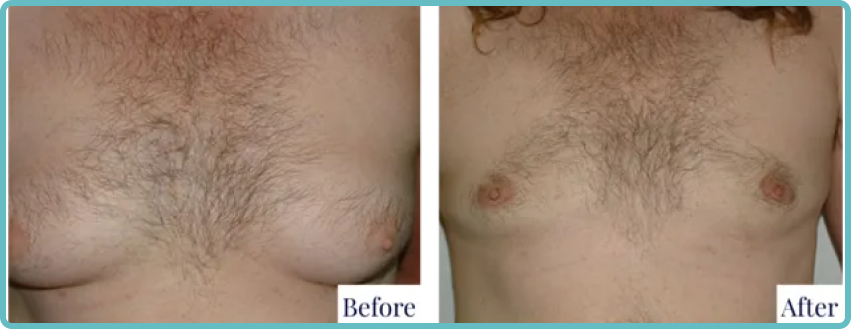
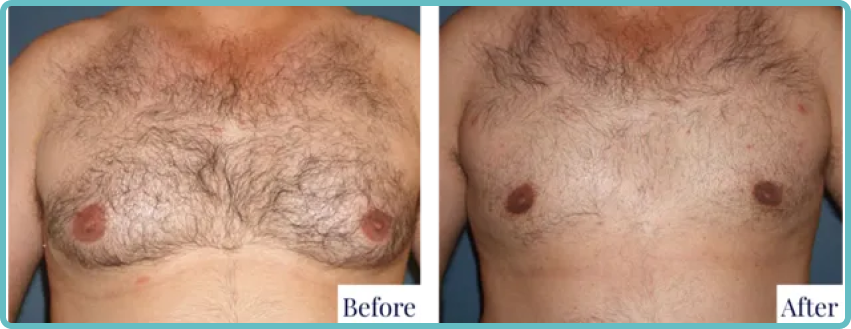
Male Breat Reduction Surgery Before and After Images
The Consultation And Assessment Process
The pathway toward gynecomastia surgery often begins with a visit to a general practitioner. The GP assesses the condition, reviews medications, and rules out any medical causes such as hormonal disorders. If surgery is appropriate, the GP will provide a referral to a Specialist Plastic Surgeon. A referral is also necessary for patients to access Medicare rebates.
During consultation at his Sydney practice, Dr Mark Kohout, Specialist Plastic Surgeon, conducts a thorough assessment. This includes a review of medical history, physical examination of the chest, and consideration of whether the tissue enlargement meets Medicare’s criteria. If eligible, the necessary documentation, including clinical photographs, is prepared. The consultation also provides an opportunity to discuss the surgical approach, potential risks, and costs in detail.
Documentation is a critical step in determining Medicare eligibility. The presence of glandular tissue must be confirmed, and evidence must be recorded in the clinical notes. This ensures that the claim is based on medical need rather than cosmetic preference. Patients should understand that accurate documentation protects both their claim and the integrity of the process.
Making An Informed Decision
Surgery for gynecomastia sits at the intersection of medical and cosmetic care. For some men, the primary motivation is physical comfort, while for others it is the appearance of the chest. Medicare provides support only when the enlargement is medically significant and not related to weight or cosmetic preference. Patients should therefore be clear about their motivations and discuss these openly during consultation.
Every surgical procedure carries risks, and it is important to weigh these alongside potential benefits. While many men are satisfied with the outcome, results vary, and no surgery is without potential complications. Informed consent involves a realistic understanding of what the surgery can achieve, the recovery process, and the financial implications.
For men in Sydney, consultation with Dr Mark Kohout, Specialist Plastic Surgeon, provides access to detailed medical advice and guidance tailored to their circumstances. Being local means patients can attend pre-operative appointments, surgery, and follow-up care conveniently, ensuring continuity of treatment.
Key Takeaways
Gynecomastia is a condition characterised by glandular enlargement of breast tissue in men. While it can sometimes resolve without intervention, surgery may be considered when the condition is persistent, painful, or disproportionate. Medicare may cover surgery under item 31525, but strict criteria apply, including documentation of glandular tissue and photographic evidence. Cosmetic-only procedures are excluded from rebates.
Even when eligible for a rebate, patients should expect out-of-pocket expenses. Private health insurance may assist with some costs, but gap fees are common. A GP referral and thorough consultation are essential steps in determining eligibility and planning surgery.
FAQs About Gynecomastia And Medicare
What Happens If Gynecomastia Is Mistaken For A Lump?
Many men worry when they feel a lump in the chest. In some cases, gynecomastia can be mistaken for something more serious. A GP or specialist assessment is important to confirm whether the enlargement is glandular tissue or requires further investigation.
Can Gynecomastia Be Linked To Living In Sydney’s Coastal Lifestyle?
Some patients wonder if lifestyle factors, such as recreational supplements or exposure to certain environmental factors, could contribute. While living by the coast itself is not a cause, lifestyle choices common in fitness culture, such as anabolic steroid use, can play a role.
Is There A Difference Between Gynecomastia Seen In Teenagers At School And In Adult Men?
Yes, teenage boys often develop temporary gynecomastia due to hormonal fluctuations during puberty. In adults, persistent tissue is less likely to resolve without treatment and may require surgical management.
Why Do Some Men Notice Gynecomastia Only On One Side?
It is not uncommon for gynecomastia to affect only one breast. This asymmetry can occur because glandular growth does not always develop evenly. Surgeons take this into account when planning surgery.
Do Gynecomastia Symptoms Change With Exercise Or Weight Loss?
In men with true gynecomastia, exercise and weight loss may reduce surrounding fat but will not eliminate glandular tissue. This explains why some men notice the firm area behind the nipple remains despite weight changes.
Can Gynecomastia Be Related To Medications Commonly Prescribed In Australia?
Yes, certain medications prescribed in Australia, including some for heart conditions and mental health, have been linked to the development of gynecomastia. Discussing all medications with a GP is an important step in assessment.
Is Gynecomastia Managed Differently In Sydney Compared To Regional New South Wales?
The principles of management are the same across Australia, but patients in Sydney often have quicker access to Specialist Plastic Surgeons such as Dr Mark Kohout, as well as access to private hospitals where surgery is performed.
Medical References
- Gynecomastia and Its Management In Boys With Partial Androgen Insensitivity Syndrome https://academic.oup.com/jcem/article/110/6/e2018/7746008
- A protocol for organoids from the gynecomastia patients https://www.frontiersin.org/journals/bioengineering-and-biotechnology/articles/10.3389/fbioe.2025.1593368/full
- Gynecomastia: Pathophysiology, Evaluation, and Management https://pmc.ncbi.nlm.nih.gov/articles/PMC2770912/
- Gynecomastia: Etiology, Diagnosis, and Treatment https://www.ncbi.nlm.nih.gov/books/NBK279105/
- Gynecomastia in adolescent males https://e-apem.org/journal/view.php?number=1034
Next Steps
If you are concerned about gynecomastia and wish to explore whether Medicare coverage may apply to your situation, arranging a consultation with Dr Mark Kohout, Specialist Plastic Surgeon in Sydney, is the next step. Through a detailed assessment, Dr Kohout can confirm whether you meet Medicare’s criteria, discuss surgical approaches, outline potential risks, and provide clear guidance on costs. This process ensures that decisions are made with accurate information and in line with your individual circumstances.
Further Reading
- Read Dr Mark Kohout’s Blog on Gynaecomastia and Chest Correction for Men with Male Breasts
- Read Dr Mark Kohout’s Blog on Managing Gynaecomastia Scars
- Read Dr Mark Kohout’s Blog on Return To Exercise After Gynaecomastia
Related Blog Posts
Abdominoplasty Medicare Cover – Will Medicare…
Will Medicare Cover My Abdominoplasty/ Tummy Tuck? Are you considering an abdominoplasty, commonly known as a tummy tuck, but wondering if Medicare will help cover the cost? This procedure can help eliminate…

Medicare for Breast Lift – Mastopexy
Immediate Post-Operative Period: First 24-48 Hours A breast lift, also known as mastopexy, is a surgical procedure designed to reshape and lift the breasts, also addressing the contour. While many…

Breast Reduction Medicare Cover – Will…
Will Medicare Cover My Breast Reduction? Breast reduction, medically known as reduction mammoplasty, is a surgical procedure that removes excess breast tissue and skin to achieve a breast size more…

Experienced Plastic Surgeon
Dr. Mark Kohout
A qualified plastic surgeon who operates with care and integrity, based in central Sydney with over 20 years of experience in the cosmetic field. His extensive training and experience assures patients they are in highly trained surgical hands. Dr. Kohout is a dedicated, friendly professional who is committed to providing the high quality care, support and results, alongside his compassionate team.
Dr Mark Kohout (MED0001133000)
Specialist Plastic Surgeon
Specialist registration in Surgery – Plastic Surgery