

Dr Mark Kohout

Return to Exercise After Stomach Liposuction

doctor working
Home » Blog » Return to Exercise After Stomach Liposuction
Return to Exercise After Stomach Liposuction by Dr Mark Kohout

Table of Contents

Return to Exercise After Stomach Liposuction banner by Dr Mark Kohout

Exercise after stomach liposuction usually returns in stages, beginning with short walks before progressing to cardiovascular exercise, resistance work and direct abdominal training. The timing varies according to the amount treated, any combined procedures, wound healing, swelling and the way the abdomen responds as activity increases.

Dr Mark Kohout is a Specialist Plastic Surgeon practising in Sydney with more than 25 years of clinical experience. He provides individual postoperative guidance based on the operation performed, the patient’s health, their usual activities and findings at follow-up appointments.

What Happens During Stomach Liposuction?​

Stomach liposuction removes selected fat from beneath the abdominal skin using a narrow tube called a cannula. Although the skin openings are small, the procedure affects a broader area of fatty tissue beneath the surface.

The cannula passes through the treated layer in a controlled pattern before loosened fat is removed with suction. Abdominal liposuction is within Dr Mark Kohout’s documented body-surgery scope and may be performed alone or with treatment of adjoining areas.

The procedure may involve:

  • Several small access incisions
  • Treatment of the upper or lower abdomen
  • Treatment of the flanks in selected cases
  • Removal of a planned volume of fat
  • Application of a compression garment
Stomach Liposuction Infographic by Dr Mark Kohout

Why Does the Abdomen Swell After Liposuction?​

Swelling develops because the cannula affects small blood vessels, lymphatic channels and connective tissue within the treated layer. Inflammation and temporary fluid accumulation form part of the body’s response to surgery.

Bruising, tenderness, firmness and altered sensation can also occur during recovery. These changes often settle gradually rather than disappearing at the same rate across the entire abdomen.

Postoperative changes may include:

  • Generalised swelling
  • Localised firmness
  • Bruising
  • Tightness
  • Numbness or sensitivity

Why Must Exercise Return Gradually?​

Exercise must return gradually because the abdominal tissues continue healing after the surface incisions have closed. Impact, heavy resistance and strong trunk contraction can increase pressure, movement and discomfort within the treated area.

A person may feel capable of doing more before the deeper tissues have settled. Dr Mark Kohout’s published recovery information notes that postoperative recommendations are adjusted according to healing progress rather than relying only on a standard calendar.

Exercise can affect recovery by:

  • Increasing blood pressure
  • Raising abdominal pressure
  • Producing repeated tissue movement
  • Increasing swelling
  • Rubbing against healing incisions

What Activity Is Usually Appropriate During the First Week?​

The first week generally centres on rest, short walks and essential daily movement. Gym sessions, running, abdominal training and strenuous household tasks are usually deferred.

Fatigue can occur even after a brief walk because the body is directing energy towards healing. Several short periods of movement may be more manageable than one extended outing.

The first week may include:

  • Short indoor walks
  • Basic personal care
  • Brief periods sitting upright
  • Assistance with household duties

How Much Walking Should You Do Initially?​

Initial walking should remain brief, regular and comfortable rather than being based on a fixed step target. The distance can increase when the current level does not cause sustained pain, swelling or fatigue.

Patients should consider how the abdomen feels later the same day and the following morning. A repeated increase in symptoms may indicate that the distance or pace needs to be reduced.

Walking can progress by:

  • Adding a few minutes at a time
  • Using flat surfaces
  • Maintaining an unhurried pace
  • Resting between outings
  • Avoiding steep hills initially

What Activity May Be Considered During Weeks Two and Three?​

During weeks two and three, some patients can extend their walking and resume selected light daily tasks. High-impact training, heavy resistance and direct abdominal exercise generally remain restricted.

Swelling and firmness may still be present even when general mobility has improved. Patients should avoid interpreting an increase in energy as confirmation that every activity can resume.

This phase may include:

  • Relaxed outdoor walking
  • Light meal preparation
  • Short desk-based work periods
  • Brief passenger travel

When Can Low-Impact Cardio Resume?​

Low-impact cardiovascular exercise may resume after review when the wounds are closed and movement does not produce concerning symptoms. Initial sessions should use limited duration and resistance.

A stationary bike or level treadmill may be considered before equipment that involves greater trunk rotation or balance demands. Mounting the machine and maintaining posture should also be comfortable.

Possible options include:

  • Level treadmill walking
  • Low-resistance stationary cycling
  • Controlled use of an elliptical trainer
  • Short indoor cardio sessions

Can You Cycle After Abdominal Liposuction?​

Stationary cycling may be considered before outdoor cycling because resistance, posture and duration can be controlled more closely. Pressure from the seat position or bending at the waist must not irritate the abdomen.

Outdoor cycling adds traffic, hills, sudden braking and fall risk. These factors usually make it a later step than a short stationary-bike session.

Cycling progression may include:

  • An upright or recumbent bike
  • Low resistance
  • Short sessions
  • Gradual increases in duration

When Can Strength Training Begin?​

Strength training may begin after the surgeon confirms that the tissues are progressing appropriately. Initial exercises generally avoid heavy loads and strong abdominal bracing.

Many resistance exercises engage the trunk even when they primarily target the arms or legs. Light, supported movements may therefore be considered before free-weight exercises that require substantial stabilisation.

Early options may include:

  • Seated arm exercises
  • Sit-to-stand repetitions
  • Supported calf raises
  • Light resistance bands
  • Low step-ups

When Can Abdominal Exercises Resume?​

Direct abdominal exercises generally return later than walking and light resistance work because they strongly contract the treated region. Their timing depends on healing, discomfort and whether another abdominal procedure was performed.

Early trunk activity may focus on posture and controlled breathing rather than loaded flexion or rotation. Planks, sit-ups and weighted abdominal exercises require specific approval.

Core progression may begin with:

  • Controlled breathing
  • Postural awareness
  • Low-level abdominal activation
  • Supported trunk movement

When Can Running Resume?​

Running usually resumes later than walking because repeated impact increases movement through the abdominal tissues. A walk-jog progression may be considered after lower-impact activity has been tolerated.

The route should initially be level and predictable. Distance, pace and gradient should not all increase during the same session.

A return to running may involve:

  • Brisk walking first
  • Short jogging intervals
  • Level ground
  • Rest between running days

When Can Swimming Resume?​

Swimming should not begin until every incision is fully closed and the surgical team confirms that immersion is appropriate. Pools, harbour baths and the ocean can expose incompletely healed wounds to infection.

Swimming also involves trunk rotation and repeated kicking, which can be more demanding than walking. Pool activity may be considered before open-water swimming because conditions are more predictable.

Water activity may progress through:

  • Pool walking
  • Short relaxed swims
  • Gradual increases in stroke effort
  • Open-water swimming after further review

Can You Exercise While Wearing a Compression Garment?​

A compression garment may be worn during selected activity when this forms part of the postoperative plan. Its use should be adjusted according to fit, skin condition and advice from the surgical team.

The garment should not roll, bunch or place excessive pressure on the incisions. Exercise may also increase heat and perspiration beneath the fabric, particularly during warmer Sydney weather.

Garment concerns may include:

  • Rubbing near an incision
  • Excessive tightness
  • Skin irritation
  • Heat accumulation
  • Restricted breathing

Can Exercise Increase Swelling?​

Activity can temporarily increase swelling because circulation and movement through the treated tissues rise during exercise. Swelling that repeatedly remains elevated the following day may indicate that the session was too demanding.

Firmness can also vary during the healing process and should be assessed if it is increasing, painful or uneven. Patients should avoid trying to press or massage a concerning area without advice.

Monitor for:

  • Increasing abdominal tightness
  • One-sided swelling
  • Persistent firmness
  • Swelling that does not settle
  • New discomfort after activity

How Can You Tell If Exercise Is Progressing Too Quickly?​

Exercise may be progressing too quickly when pain, swelling or fatigue increases with each session instead of settling. A decline in comfort during normal daily activity is another reason to reduce the current load.

Patients should not rely only on whether they can complete a workout. The response over the next 24 hours provides important information about tolerance.

Signs to reduce activity include:

  • Persistent pulling
  • Increased tenderness
  • New bruising
  • Prolonged fatigue
  • Difficulty with usual walking

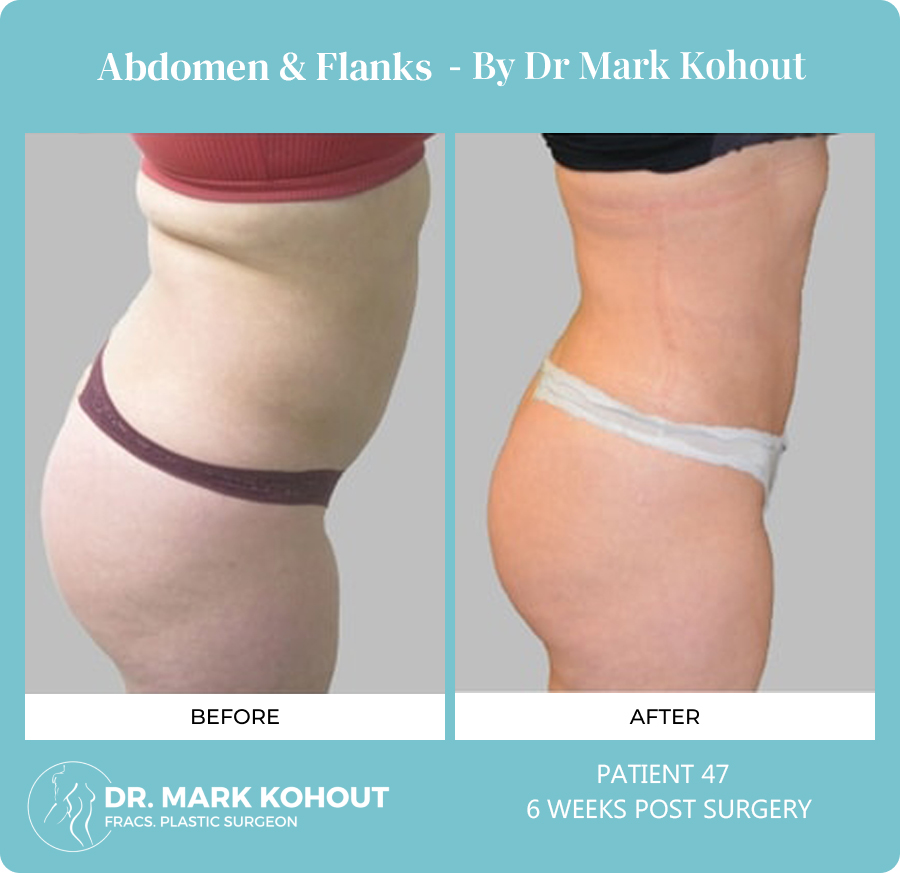
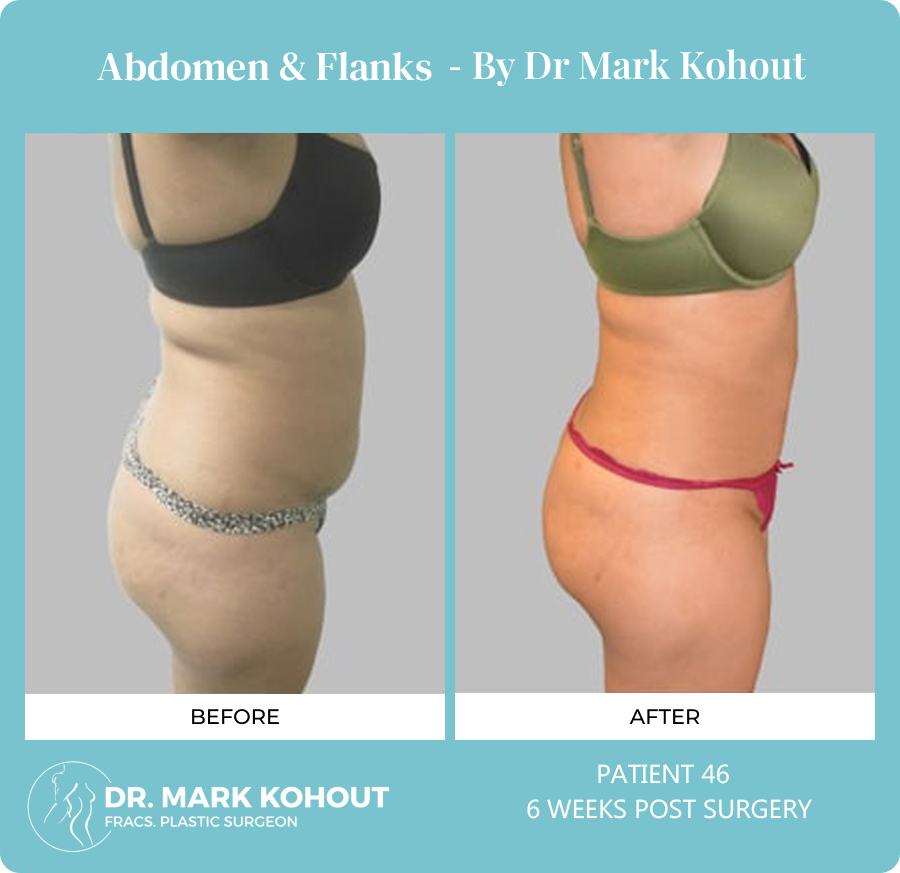
Liposuction Before and After Images

Does Liposuction Replace Exercise or Weight Management?​

Liposuction removes selected localised fat but does not replace regular activity, nutrition or broader medical care. It should not be presented as a treatment for obesity or metabolic disease.

A controlled study of large-volume abdominal liposuction found no significant improvement in insulin sensitivity or coronary heart-disease risk factors. This supports a clear distinction between local fat removal and the metabolic effects associated with lifestyle-based weight reduction.

Liposuction does not directly provide:

  • Cardiovascular conditioning
  • Increased muscle strength
  • Improved insulin sensitivity
  • Long-term weight regulation

What Does Research Say About Exercise After Liposuction?​

Research directly defining the ideal postoperative exercise timetable after cosmetic abdominal liposuction is limited. Available studies answer narrower metabolic questions and should not be used to prescribe one schedule for every patient.

In one study of 36 women after abdominal liposuction, participants were allocated to exercise or non-exercise groups two months after surgery for investigation of adipokines. The study does not establish that every patient should begin formal training at two months, but it illustrates the importance of separating research protocols from individual postoperative instructions.

The evidence indicates that:

  • Study populations may be small
  • Exercise protocols begin at different stages
  • Metabolic outcomes differ from wound-healing outcomes
  • Individual clearance remains necessary

What Happens During Follow-Up with Dr Mark Kohout?​

Follow-up appointments allow Dr Mark Kohout to examine the incisions, swelling and treated tissues before exercise is progressed. Recommendations may be changed according to clinical findings and the patient’s response to activity.

Patients should describe the exact exercise performed, including duration, resistance and next-day symptoms. This provides more useful information than stating only that they have returned to the gym.

Follow-up may address:

  • Compression use
  • Walking distance
  • Swelling and firmness
  • Abdominal training
  • Work and travel plans

Exercise After Stomach Liposuction FAQs​

Can stomach liposuction change how core exercise feels?

The abdomen may initially feel tight, firm or sensitive during core movements. This usually improves as swelling settles and healing progresses.

Is it normal to feel tired when walking after stomach liposuction?

Yes. Even short walks may feel tiring in the first few weeks because the body is using energy to heal. Activity should increase gradually.

Can I plan surgery around a fun run or charity walk?

Possibly, but enough time should be allowed for recovery and gradual training. Event dates should be discussed with Dr Mark Kohout before surgery.

Will my compression garment affect light exercise?

It may make bending or stretching feel different at first. Most patients adjust, and Dr Mark Kohout can advise when it should be worn during activity.

Can I work with a personal trainer after surgery?

A personal trainer may be involved after postoperative clearance, provided the current surgical restrictions are understood and followed.

When can I return to desk-based work?

Long periods of sitting may increase abdominal tightness or swelling. Short walking breaks and a supportive chair can make returning to work more comfortable.

Does hot Sydney weather affect exercise recovery?

Heat can make exercise and compression garments feel more demanding. Cooler times of day, hydration and shaded routes may help.

Can I fly while returning to exercise?

Air travel may be possible, but timing and clot-prevention measures should be discussed with Dr Mark Kohout before travelling.

Does caring for children or pets count as activity?

Yes, but it may also involve bending, lifting and sudden movements. Heavier tasks may need to be limited during early recovery.

Will exercise clothes feel different after liposuction?

Swelling and compression garments can temporarily affect fit and comfort. Soft waistbands and breathable fabrics are often easier to wear.

Medical References
Download Dr Mark Kohout’s Liposuction Surgery Guide

How Should You Prepare for Recovery Before Surgery?​

Preparation should include home support, transport, work leave and temporary changes to exercise. Planning these matters reduces pressure to resume lifting or training prematurely.

Patients should discuss regular workouts, upcoming events, childcare and work demands during consultation. Gym memberships, classes or personal-training sessions may need to be paused.

Preparation may include:

  • Arranging help at home
  • Moving supplies within easy reach
  • Planning transport
  • Discussing modified work duties
  • Postponing demanding events

What Should You Consider Before Abdominal Liposuction?​

The decision should include consideration of scars after liposuction, swelling, compression, recovery restrictions and possible complications. Patients should also understand that liposuction targets selected fat deposits rather than producing general weight reduction.

Dr Mark Kohout’s current procedure information identifies the abdomen as an area that may be treated and frames liposuction as an individually planned operation. Suitability requires medical assessment and discussion of alternatives, limitations and risks.

Questions to consider include:

  • Can I arrange adequate recovery time?
  • Who can help with lifting?
  • Am I prepared to modify exercise?
  • Do I understand the likely scars?
  • Can I attend follow-up appointments?

Take our Plastic Surgery Quiz to find out if you’d be a good candidate and if you are ready for cosmetic surgery.​

What Are the Next Steps for Planning Exercise After Stomach Liposuction?​

People considering stomach liposuction can arrange a consultation to discuss how surgery may affect work, exercise and everyday responsibilities. An individual assessment is required before a personal activity timetable can be provided.

Dr Mark Kohout offers liposuction consultations in Sydney, with consultation access also documented in Orange. The appointment provides an opportunity to discuss treatment areas, compression, recovery, risks and the staged return to walking, resistance work and cardiovascular exercise.

  • Arrange an individual consultation
  • Describe your current exercise routine
  • Discuss work and caring responsibilities
  • Mention planned events or travel
  • Ask about postoperative reviews

Further Reading

Related Blog Posts

Managing Swelling and Bruising after Liposuction

Managing Swelling and Bruising after Liposuction

Dr Mark Kohout FRACS is a Specialist Plastic Surgeon based in Broadway, Sydney, with experience in body contouring procedures including liposuction. Liposuction swelling and bruising commonly improve gradually, but the…
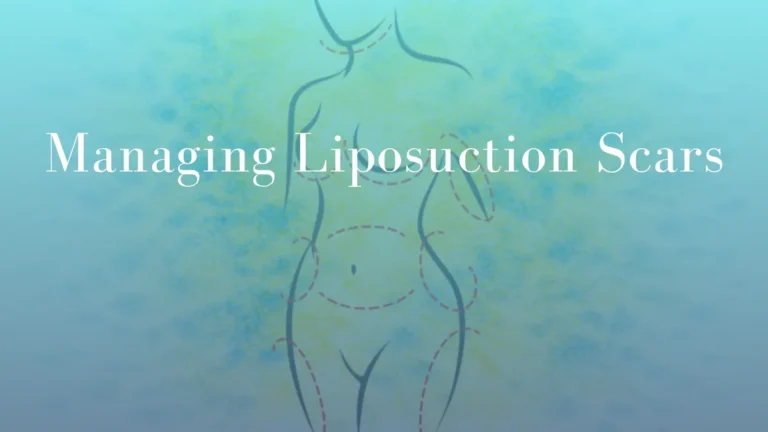
Liposuction Scars: Placement, Healing and Aftercare

Liposuction Scars: Placement, Healing and Aftercare

Dr Mark Kohout FRACS is a Specialist Plastic Surgeon based in Broadway, Sydney, with experience in body contouring procedures including liposuction. Liposuction scars vary depending on the treatment area, incision…
Dr Mark Kohout

Experienced Plastic Surgeon

Dr. Mark Kohout

A qualified plastic surgeon who operates with care and integrity, based in central Sydney with over 20 years of experience in the cosmetic field. His extensive training and experience assures patients they are in well trained surgical hands. Dr. Kohout is a dedicated, friendly professional who is committed to providing the high quality care, support and results, alongside his compassionate team.

Dr Mark Kohout (MED0001133000)
Specialist Plastic Surgeon
Specialist registration in Surgery – Plastic Surgery

This website contains imagery which is only suitable for audiences 18+. All surgery contains risks, read more here.

Close Welcome Bar

Get Your Liposuction Guide

Get Your Buttock Lift & Implants Guide

Get Your Facial Aesthetic

Get Your Breast Implant Removal

Get Your Female Genital Surgery Guide

Get Your Excess Skin Guide

Get Your Gynaecomastia Guide

Get Your Abdominoplasty Guide

Get Your Cost of Surgery Guide

Get Your Breast Implant Replace Guide

Get Your Breast Reduction Guide

Get Your Breast Augmentation Guide

Make an Enquiry